 Ver en contexto
 Enviar
 Compartir
 Detalles

 Descargar
 Similares
 Radiografía
 Presentación de diapositivas
 Estadísticas
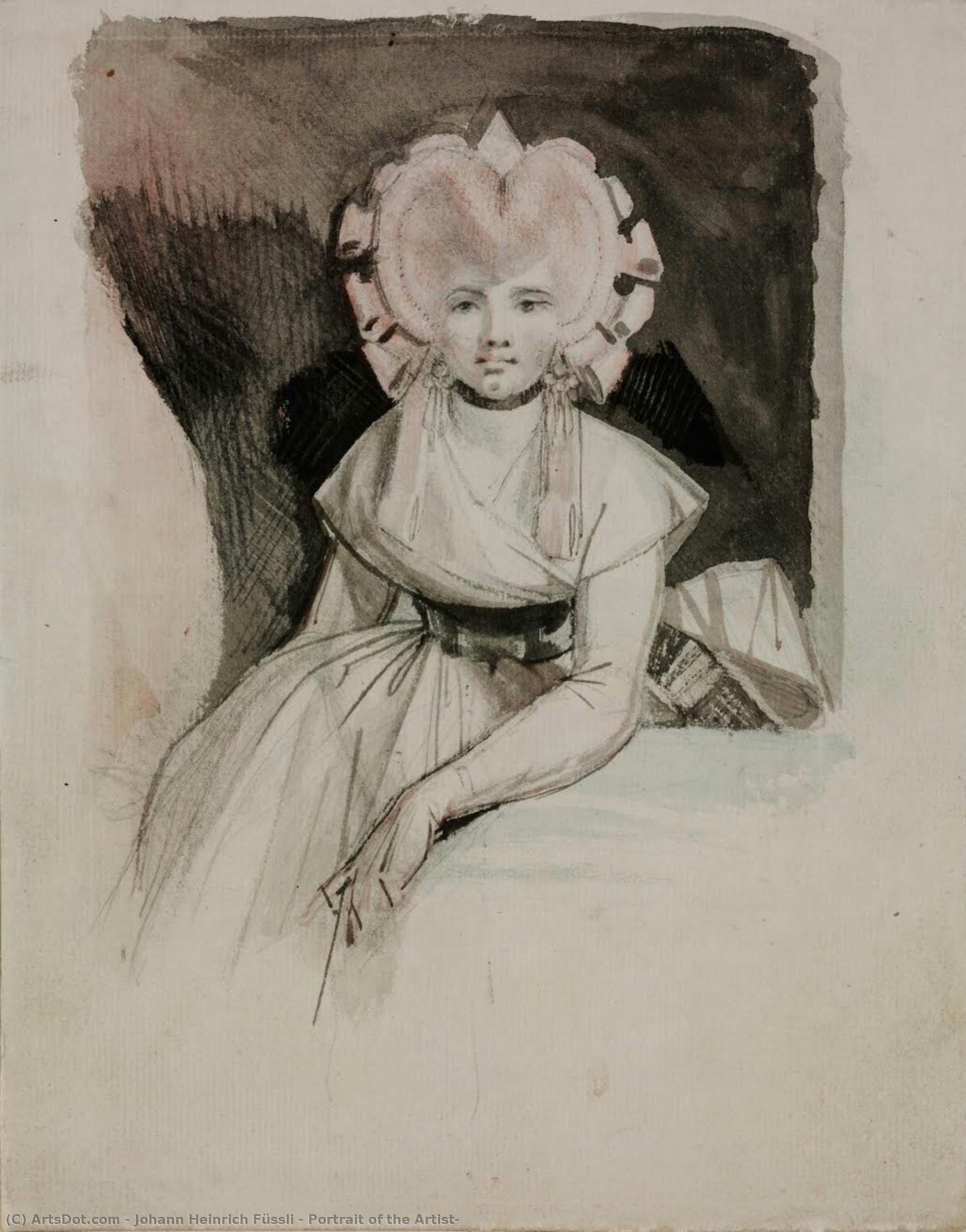
Portrait of the Artist
 Acrylic On Canvas
- WallArt
- Romanticism
 1790
1790 22.0 x 17.0 cm
 Museo de Bellas Artes (Budapest)
 Ver más
Reproducción al óleo hecha a mano
Óleo sobre lienzo pintado a mano en el tamaño y marco de su elección, realizado por encargo por nuestros artistas. ( Cambiar a Impresión Cambiar a imagen digital)




P118B $10

P118H $10

P118W $10

P438Z $10

P508JH $12

P508YH $12

P805H $10

P805Z $10

P919BZ $10

P919G $10

P919XJ $10

P959ZH $10

P968JZ $12

W106C $8

W218G $10

W218JH $8

W218Y $10

W307PJ $10

W316G $10

W316PJ $8

W316Y $10

W398PJ $8

W4111J $10

W500HY $15

W500JH $15

W692G $12

W849H $8

W940BG $15

W953PJ $8




Elija entre nuestros tamaños predefinidos que respetan las proporciones originales de la obra.

Puede ingresar sus propias dimensiones para adaptarse a un marco o espacio específico. Si el tamaño seleccionado no coincide con las proporciones de la imagen original, recortaremos la obra o extenderemos la pintura con elementos adicionales pintados a mano. Se le enviará una maqueta digital para su aprobación antes de comenzar la producción.
Tenga en cuenta que la vista previa en pantalla no refleja el recorte o la extensión reales. Solo la maqueta mostrará con precisión la composición final.
Si bien existen tamaños personalizados, recomendamos seleccionar una dimensión de la lista predefinida para preservar las proporciones originales.
Tras realizar el pedido, el equipo de ArtsDot.com enviará un correo electrónico al cliente para solicitar instrucciones y proporcionarle una vista previa del boceto.
Envío a todo el mundo () en 3-4 semanas en lugar de las 5 semanas estándar. (10 septiembre). Sin comprometer la calidad.

Envío exprés gratuito a todo el mundo

Lienzo de lino de alta calidad

Seguro de envío total

Garantía de reembolso de impuestos aduaneros

Garantía de fidelidad cromática exacta

Política de devolución de 100 días (solo por defectos)

Garantía de devolución del 100% del dinero

Descuento por cantidad
 La opción de vidrio solo está disponible en tamaños inferiores a 110 cm.

Portrait of the Artist
Técnica de reproducción
Dimensiones de la reproducción
-


Precio total final
$ 263
Johann Heinrich Füssli’s “Portrait of the Artist”: A Window Into Romantic Imagination
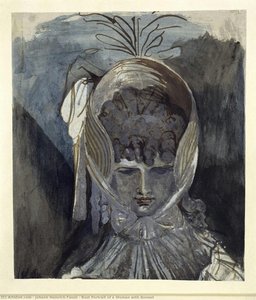
The artwork "Portrait of the Artist," executed by Johann Heinrich Füssli in 1790, stands as a poignant emblem of the burgeoning Romantic movement and its fascination with psychological depth. Born in Zurich in 1741, Füssli’s artistic journey began amidst the intellectual fervor of Enlightenment Switzerland but swiftly pivoted toward an exploration of emotion and intuition – qualities that would define his distinctive oeuvre. His formative years at the Collegium Carolinum instilled a rigorous classical education, yet it was his subsequent sojourn in Rome between 1770 and 1778 that truly ignited his artistic sensibility, exposing him to the grandeur of antiquity and inspiring him to embrace bolder stylistic choices.Style and Technique: The Dreamlike Palette of Romanticism
Füssli’s technique exemplifies the Romantic preoccupation with capturing inner experience rather than merely representing external reality. Employing watercolor on paper – a medium favored for its luminosity and ability to convey subtle tonal variations – he achieved an ethereal quality that transcends mere visual depiction. The delicate washes of color, particularly in hues reminiscent of twilight skies and misty landscapes, contribute to a palpable sense of melancholy and contemplation. Notably, Füssli’s masterful use of chiaroscuro—the dramatic interplay between light and shadow—creates a captivating illusionistic effect, emphasizing the contours of the woman's face and highlighting her gaze as she looks off into the distance. This deliberate manipulation of light serves not only to enhance visual appeal but also to symbolize inner turmoil and unspoken emotions.Historical Context: Milestones of Artistic Expression
Painted during the apex of Romanticism’s influence, “Portrait of the Artist” reflects the movement's core tenets – a rejection of Neoclassical formalism in favor of subjective feeling and imaginative storytelling. Contemporaneous with Winckelmann’s groundbreaking treatise on Greek sculpture (“Geschichte der Kunst”), which championed idealized beauty and rational harmony, Füssli’s work represents an antithesis to these ideals. Instead, he delves into the realm of dreams and subconscious desires, mirroring the Romantic fascination with folklore, mythology, and the supernatural—themes powerfully explored in his series inspired by Milton's “Paradise Lost.” This artistic endeavor aimed to elevate literature and art to comparable levels of prestige, reflecting a broader cultural ambition to recapture spiritual grandeur.Symbolism: The Heart-Shaped Ornament – A Gesture of Vulnerability
The prominent heart-shaped ornament adorning the woman’s head is laden with symbolic significance. Traditionally associated with love, compassion, and spirituality, it speaks to Füssli's exploration of emotional vulnerability—a characteristic prevalent throughout Romantic art. Its placement atop her brow suggests a preoccupation with inner reflection and perhaps a yearning for transcendence. The woman’s melancholic expression reinforces this interpretation, conveying a profound sense of solitude and introspection as she contemplates the mysteries of existence.Emotional Impact: Capturing the Soul of Introspection
Ultimately, “Portrait of the Artist” succeeds in capturing the essence of Romantic contemplation—a desire to penetrate beneath surface appearances and confront the complexities of human experience. The painting’s subdued palette, coupled with its masterful use of light and shadow, evokes a feeling of quiet sorrow yet simultaneously invites viewers into a realm of profound psychological insight. It remains a testament to Füssli's ability to translate inner turmoil into visual beauty—a timeless masterpiece that continues to resonate with audiences captivated by the Romantic spirit’s pursuit of emotional truth.Obras relacionadas
Biografía del artista
Early Life and Education
Johann Heinrich Füssli, a Swiss painter, draughtsman, and writer on art, was born on February 7, 1741, in Zurich, Switzerland. He was the second of eighteen children to Johann Caspar Füssli, a portrait painter. Füssli received a classical education at the Collegium Carolinum in Zurich, fostering an early appreciation for artistic principles and historical studies. This rigorous training laid the foundation for his later explorations into both classical and fantastical themes. His upbringing within a family deeply rooted in art provided him with invaluable insights and connections that would shape his career trajectory.Artistic Career and Influences
Füssli’s artistic journey commenced with his relocation to London in 1764, where he encountered Sir Joshua Reynolds, who became a pivotal mentor, encouraging him to dedicate himself entirely to painting. This marked a significant turning point, propelling him away from initial plans for a clerical career. Subsequently, Füssli spent eight years immersed in Italy, a period of intense study and artistic development. He meticulously examined the works of masters such as Titian, Caravaggio, and Mannerists, absorbing their techniques and stylistic approaches. These influences profoundly shaped his own distinctive style, characterized by dramatic lighting, dynamic compositions, and an exploration of emotional intensity.Supernatural Themes and Literary Inspiration
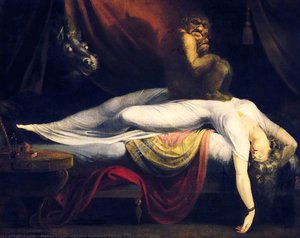
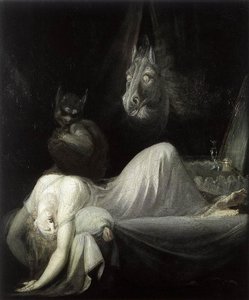
A defining characteristic of Füssli’s oeuvre is his fascination with the supernatural and the dreamlike. His paintings frequently depicted scenes imbued with otherworldly elements, nightmares, and fantastical creatures—a hallmark of the emerging Romantic movement. Notably, he created a series of works inspired by John Milton's epic poems, envisioning a “Milton Gallery” intended to rival Boydell’s Shakespeare Gallery. This ambition reflected his deep engagement with literary narratives and his desire to translate imaginative worlds onto canvas. His most famous work, *La Pesadilla* (The Nightmare), exemplifies this style, capturing the terror and disorientation of a dream state with remarkable intensity.Notable Works, Legacy, and Museums
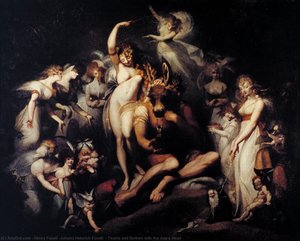
Füssli’s artistic legacy extends through numerous significant paintings, including “Titania, Bottom & Fairies,” a vibrant depiction of Shakespeare's *A Midsummer Night’s Dream*, showcasing his ability to infuse literary scenes with visual drama and symbolic richness. His association with the Royal Academy, where he held positions as Professor of Painting and Keeper, further cemented his influence on subsequent generations of British artists, including William Blake. Füssli’s works are now housed in prestigious museums worldwide, such as the Kunsthaus Zürich (Switzerland), which boasts a comprehensive collection of his paintings, including *La Pesadilla*, and the Albertina in Vienna (Austria), where one can admire his watercolor piece, “Teiresias Foretells the Future to Odysseus.” His exploration of psychological depth and emotional intensity continues to resonate with art lovers today. Recommended Reading:- Titania, Bottom & Fairies by Johann Heinrich Füssli
- Henry Fuseli - Wikipedia
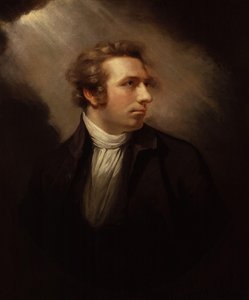
Johann Heinrich Füssli
1741 - 1825 , Suiza
Datos clave
- Artistic Movement Or Style: Romanticismo, Neoclasicismo
- Artists Or Movements Influenced By This Artist: ['William Blake']
- Artists Who Influenced This Artist:
- Titian
- Caravaggio
- Date Of Birth: 7 Feb 1741
- Date Of Death: 16 Abr 1825
- Full Name: Johann Heinrich Füssli
- Nationality: Suizo
- Notable Artworks:
- La Pesadilla
- Titania y Bottom
- Place Of Birth: Zúrich, Suiza
Artículos relacionados
La Estética Refinada de la Ilustración Victoriana: Narrativa y Técnica en el Arte del Siglo XIX
Descubra la estética refinada de la ilustración victoriana y el impacto revolucionario de los Prerrafaelitas. Análisis profundo de técnicas, narrativa y simbolismo en el arte del siglo XIX.
John Atkinson Grimshaw: Atmospheric Realism & the Victorian Nocturne
Explore the captivating world of John Atkinson Grimshaw, Victorian master of atmospheric nightscapes. Discover his iconic paintings, unique techniques & enduring legacy. Learn about collecting Grimshaw's art today!
Embrace the Drama: A Curated Guide to Victorian Romanticism for Sophisticated Home Decor
Transform your space with the dramatic elegance of Victorian Romanticism. Discover expert tips on incorporating Pre-Raphaelite art, rich textures, and moody palettes into your home decor to create a sophisticated, soulful sanctuary that celebrates historical grandeur.
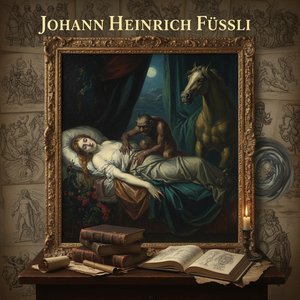
Beyond Myth & Madness: Exploring the Visionary Art of Johann Heinrich Füssli
Explore the captivating world of Johann Heinrich Füssli (Henry Fuseli), a master of Romantic art. Discover his iconic 'The Nightmare' and Shakespearean scenes, plus insights for collectors & enthusiasts.
Dante Gabriel Rossetti: Las 25 Obras Maestras del Prerrafaelismo | ArtsDot
Descubre las 25 obras maestras de Dante Gabriel Rossetti, el máximo exponente del Prerrafaelismo. Explora su simbolismo, retratos victorianos y la belleza femenina en lienzos inolvidables. Reproducciones de arte exclusivas en ArtsDot.com.