 Vista previa
 Compartir
 Compartir
 Ver detalles

 Descargar
 Ver similares
 Radiografía
 Presentación de diapositivas
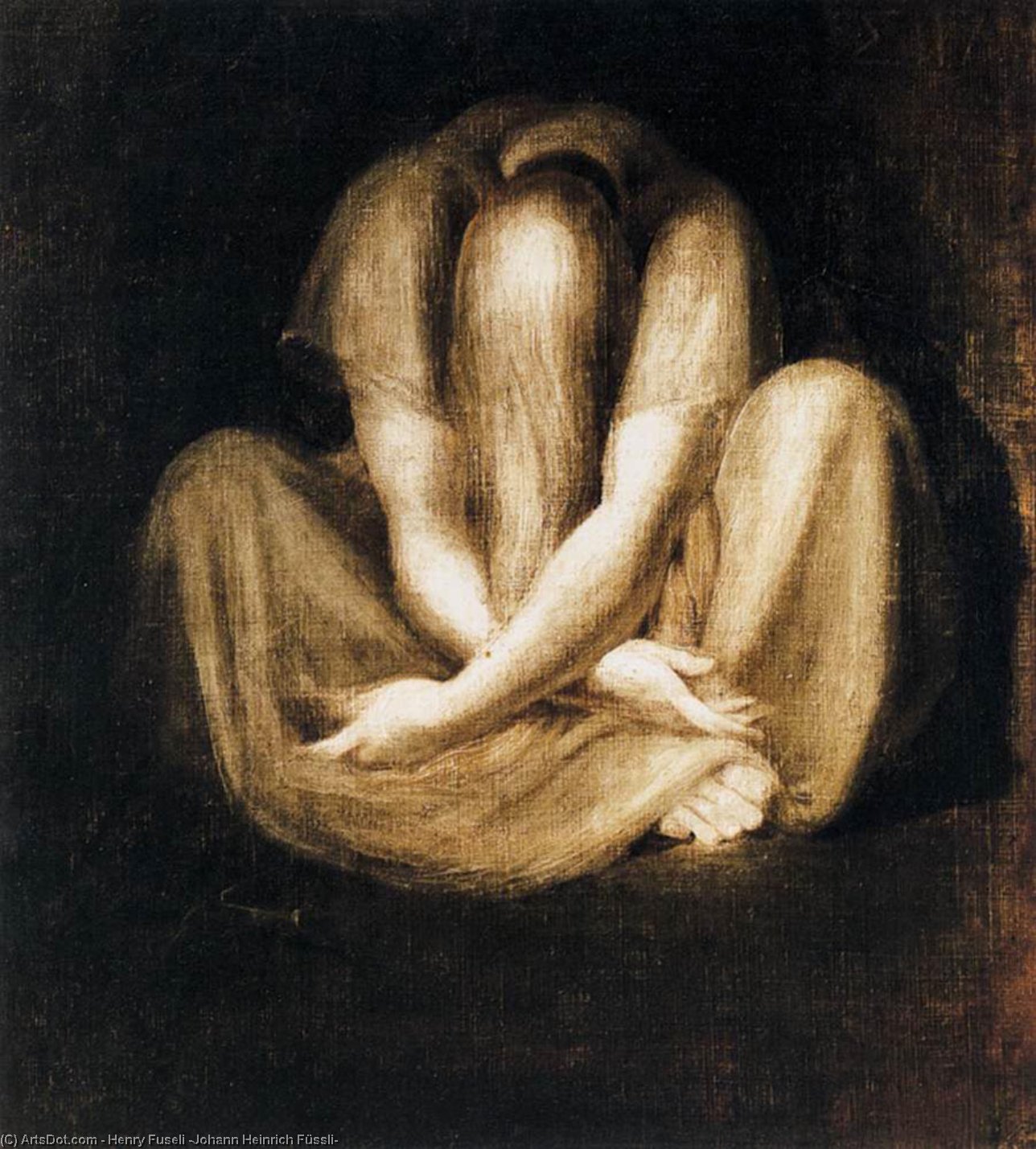
Silence
 Acrylic On Canvas
- WallArt
- Romanticism
 1799
1799 63.0 x 51.0 cm
 Kunsthaus Zürich
 Leer más
Reproducción al óleo hecha a mano
Óleo sobre lienzo pintado a mano en el tamaño y marco de su elección, realizado por encargo por nuestros artistas. ( Pedir impresión Comprar descarga)




P118B $10

P118H $10

P118W $10

P438Z $10

P508JH $12

P508YH $12

P805H $10

P805Z $10

P919BZ $10

P919G $10

P919XJ $10

P959ZH $10

P968JZ $12

W106C $8

W218G $10

W218JH $8

W218Y $10

W307PJ $10

W316G $10

W316PJ $8

W316Y $10

W398PJ $8

W4111J $10

W500HY $15

W500JH $15

W692G $12

W849H $8

W940BG $15

W953PJ $8




Elija entre nuestros tamaños predefinidos que respetan las proporciones originales de la obra.

Puede ingresar sus propias dimensiones para adaptarse a un marco o espacio específico. Si el tamaño seleccionado no coincide con las proporciones de la imagen original, recortaremos la obra o extenderemos la pintura con elementos adicionales pintados a mano. Se le enviará una maqueta digital para su aprobación antes de comenzar la producción.
Tenga en cuenta que la vista previa en pantalla no refleja el recorte o la extensión reales. Solo la maqueta mostrará con precisión la composición final.
Si bien existen tamaños personalizados, recomendamos seleccionar una dimensión de la lista predefinida para preservar las proporciones originales.
Tras realizar el pedido, el equipo de ArtsDot.com enviará un correo electrónico al cliente para solicitar instrucciones y proporcionarle una vista previa del boceto.
Envío a todo el mundo () en 3-4 semanas en lugar de las 5 semanas estándar. (21 agosto). Sin comprometer la calidad.

Envío exprés gratuito a todo el mundo

Lienzo de lino de alta calidad

Seguro de envío completo

Garantía de reembolso de aranceles aduaneros

Garantía de fidelidad cromática exacta

Política de devolución de 60 días (solo por defectos)

Garantía de devolución del 100% del dinero

Oferta por volumen
 La opción de vidrio solo está disponible en tamaños inferiores a 110 cm.

Silence
Técnica de reproducción
Tamaño de la reproducción
-


Precio total
$ 263
Descripción de la obra
A Moment Frozen in Time: Exploring Henry Fuseli’s “Silence”
Henry Fuseli's "Silence," painted in 1799, isn’t merely a depiction of a seated figure; it’s an invitation to confront the unsettling depths of introspection and the profound mysteries of the human psyche. This oil on canvas, currently residing within the Kunsthaus Zürich, transcends its modest dimensions (63 x 51 cm) to become a haunting meditation on solitude, fear, and the unseen forces that shape our inner worlds. Fuseli, a pivotal figure in the Romantic movement, masterfully employed muted colors and carefully orchestrated composition to create an atmosphere of palpable unease—a feeling that lingers long after viewing.
The central figure, draped in a simple white gown, is positioned on the floor, hands clasped before them in a gesture both vulnerable and resolute. Their face remains obscured by flowing hair, adding to the sense of anonymity and intensifying the viewer’s own engagement with the scene. The two shadowy figures lurking in the background—one standing behind, the other receding into darkness—suggest an intrusion, a disturbance of this private contemplation. They aren't explicitly threatening, but their presence amplifies the feeling that the figure is trapped within a realm of personal torment. Fuseli’s skill lies not just in rendering these details, but in conveying the *feeling* of being observed, of existing on the precipice of something unknown.
The Romantic Palette and Dramatic Composition
Fuseli's artistic style during this period leaned heavily into the tenets of Romanticism—a reaction against the Enlightenment’s emphasis on reason. He sought to capture intense emotion, explore the supernatural, and delve into the darker aspects of human experience. “Silence” exemplifies this perfectly through its dramatic lighting and carefully constructed space. The use of cool, desaturated colors – predominantly browns, grays, and muted blues – contributes significantly to the painting’s somber mood. These tones aren't vibrant or celebratory; instead, they evoke a sense of melancholy and confinement. The composition itself is deliberately unsettling, utilizing strong diagonals and receding planes to draw the viewer into the figure’s isolated world. The placement of the figures in the background creates an illusion of depth, suggesting that this internal struggle extends beyond the immediate scene.
Symbolism and Historical Context
“Silence” resonates deeply with the anxieties and philosophical currents of its time. Painted during a period marked by burgeoning interest in the occult, folklore, and the subconscious mind, the painting can be interpreted as an exploration of the hidden terrors that lie beneath the surface of everyday life. Fuseli himself was fascinated by tales of nightmares, demons, and the supernatural—themes frequently explored in his other works. The figure’s posture and obscured face suggest a confrontation with one's own fears and anxieties, a common motif within Romantic art. Furthermore, the painting aligns with the broader intellectual climate of the late 18th century, which saw a growing interest in psychology and the exploration of inner states—ideas that would later become central to Freud’s psychoanalytic theory.
A Legacy of Introspection
“Silence” continues to captivate viewers today not only for its technical brilliance but also for its enduring relevance. It's a powerful reminder of the importance of introspection and the often-uncomfortable truths we confront within ourselves. The painting’s ambiguity—the lack of explicit narrative, the enigmatic expressions—invites multiple interpretations, allowing each viewer to project their own experiences and emotions onto the scene. It stands as a testament to Fuseli's ability to capture not just a visual image but also a profound psychological state. Reproductions of this iconic work offer an accessible way to engage with this complex and emotionally resonant masterpiece, bringing its haunting atmosphere into any space.
Obras relacionadas

Biografía del artista
Early Life and Education
Johann Heinrich Füssli, a Swiss painter, draughtsman, and writer on art, was born on February 7, 1741, in Zurich, Switzerland. He was the second of eighteen children to Johann Caspar Füssli, a portrait painter. Füssli received a classical education at the Collegium Carolinum in Zurich, fostering an early appreciation for artistic principles and historical studies. This rigorous training laid the foundation for his later explorations into both classical and fantastical themes. His upbringing within a family deeply rooted in art provided him with invaluable insights and connections that would shape his career trajectory.Artistic Career and Influences
Füssli’s artistic journey commenced with his relocation to London in 1764, where he encountered Sir Joshua Reynolds, who became a pivotal mentor, encouraging him to dedicate himself entirely to painting. This marked a significant turning point, propelling him away from initial plans for a clerical career. Subsequently, Füssli spent eight years immersed in Italy, a period of intense study and artistic development. He meticulously examined the works of masters such as Titian, Caravaggio, and Mannerists, absorbing their techniques and stylistic approaches. These influences profoundly shaped his own distinctive style, characterized by dramatic lighting, dynamic compositions, and an exploration of emotional intensity.Supernatural Themes and Literary Inspiration
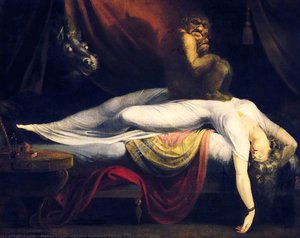
A defining characteristic of Füssli’s oeuvre is his fascination with the supernatural and the dreamlike. His paintings frequently depicted scenes imbued with otherworldly elements, nightmares, and fantastical creatures—a hallmark of the emerging Romantic movement. Notably, he created a series of works inspired by John Milton's epic poems, envisioning a “Milton Gallery” intended to rival Boydell’s Shakespeare Gallery. This ambition reflected his deep engagement with literary narratives and his desire to translate imaginative worlds onto canvas. His most famous work, *La Pesadilla* (The Nightmare), exemplifies this style, capturing the terror and disorientation of a dream state with remarkable intensity.Notable Works, Legacy, and Museums
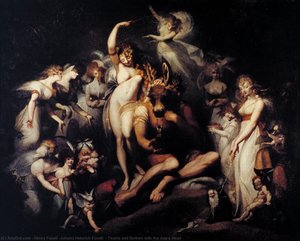
Füssli’s artistic legacy extends through numerous significant paintings, including “Titania, Bottom & Fairies,” a vibrant depiction of Shakespeare's *A Midsummer Night’s Dream*, showcasing his ability to infuse literary scenes with visual drama and symbolic richness. His association with the Royal Academy, where he held positions as Professor of Painting and Keeper, further cemented his influence on subsequent generations of British artists, including William Blake. Füssli’s works are now housed in prestigious museums worldwide, such as the Kunsthaus Zürich (Switzerland), which boasts a comprehensive collection of his paintings, including *La Pesadilla*, and the Albertina in Vienna (Austria), where one can admire his watercolor piece, “Teiresias Foretells the Future to Odysseus.” His exploration of psychological depth and emotional intensity continues to resonate with art lovers today. Recommended Reading:- Titania, Bottom & Fairies by Johann Heinrich Füssli
- Henry Fuseli - Wikipedia
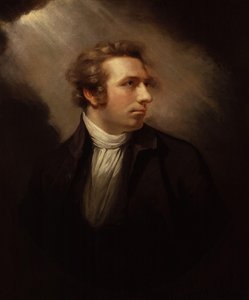
Johann Heinrich Füssli
1741 - 1825 , Suiza
Datos clave
- Artistic Movement Or Style: Romanticismo, Neoclasicismo
- Artists Or Movements Influenced By This Artist: ['William Blake']
- Artists Who Influenced This Artist:
- Titian
- Caravaggio
- Date Of Birth: 7 Feb 1741
- Date Of Death: 16 Abr 1825
- Full Name: Johann Heinrich Füssli
- Nationality: Suizo
- Notable Artworks:
- La Pesadilla
- Titania y Bottom
- Place Of Birth: Zúrich, Suiza
Artículos relacionados

The Enduring Legacy of Oil on Canvas: Technique, History & Aesthetic Impact
Explore the rich history & techniques of oil painting – from Renaissance masters to Impressionism. Discover pigments, layering methods, and why this timeless medium endures. Expert insights for artists & art enthusiasts.

El Óleo sobre Lienzo: Historia, Técnica y la Persistencia de un Medio Artístico Atemporal
Descubre la historia y técnica del óleo sobre lienzo. Explora reproducciones fieles hechas a mano, personalización artística y consejos de expertos con ArtsDot. ¡Colecciona arte con confianza!

The Enduring Power of Painting: A Historical & Contemporary Exploration of Form and Emotion
Explore the rich history & enduring techniques of oil painting with ArtsDot. Discover masterpieces, learn about art collecting, and find authentic handmade reproductions crafted by skilled artists.

El Legado Duradero del Óleo sobre Lienzo: Técnica, Historia y Práctica Contemporánea
Descubre la historia y técnica del óleo sobre lienzo. Explora reproducciones fieles hechas a mano, personalización artística y consejos de expertos con .
10 Obras Maestras al Óleo sobre Tabla que Revolucionaron la Historia del Arte | ArtsDot
Descubre 10 obras maestras al óleo sobre tabla que revolucionaron el arte. Explora la historia de Van Gogh, Monet y otros artistas clave. Encuentra reproducciones de alta calidad e inspírate para decorar tu hogar con ArtsDot.com.