 Ver en contexto
 Enviar
 Compartir
 Detalles

 Descargar
 Similares
 Radiografía
 Presentación de diapositivas
 Estadísticas
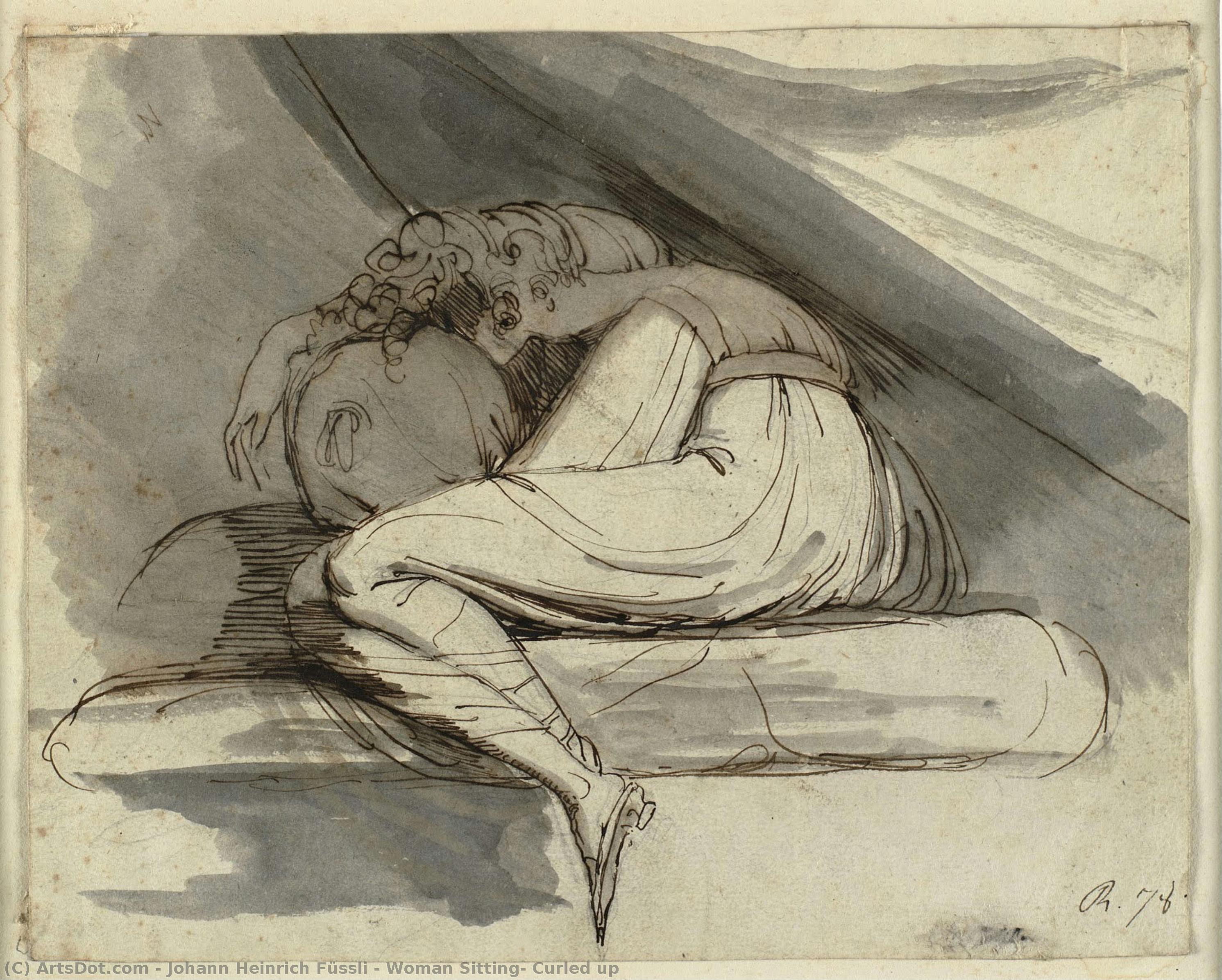
Woman Sitting, Curled up
 Oil On Canvas
- WallArt
- Rococo style
 1778
1778 26.0 x 21.0 cm
 Galería Nacional de Dinamarca
 Ver más
Reproducción al óleo hecha a mano
Óleo sobre lienzo pintado a mano en el tamaño y marco de su elección, realizado por encargo por nuestros artistas. ( Cambiar a Impresión Cambiar a imagen digital)




P118B $10

P118H $10

P118W $10

P438Z $10

P508JH $12

P508YH $12

P805H $10

P805Z $10

P919BZ $10

P919G $10

P919XJ $10

P959ZH $10

P968JZ $12

W106C $8

W218G $10

W218JH $8

W218Y $10

W307PJ $10

W316G $10

W316PJ $8

W316Y $10

W398PJ $8

W4111J $10

W500HY $15

W500JH $15

W692G $12

W849H $8

W940BG $15

W953PJ $8




Elija entre nuestros tamaños predefinidos que respetan las proporciones originales de la obra.

Puede ingresar sus propias dimensiones para adaptarse a un marco o espacio específico. Si el tamaño seleccionado no coincide con las proporciones de la imagen original, recortaremos la obra o extenderemos la pintura con elementos adicionales pintados a mano. Se le enviará una maqueta digital para su aprobación antes de comenzar la producción.
Tenga en cuenta que la vista previa en pantalla no refleja el recorte o la extensión reales. Solo la maqueta mostrará con precisión la composición final.
Si bien existen tamaños personalizados, recomendamos seleccionar una dimensión de la lista predefinida para preservar las proporciones originales.
Tras realizar el pedido, el equipo de ArtsDot.com enviará un correo electrónico al cliente para solicitar instrucciones y proporcionarle una vista previa del boceto.
Envío a todo el mundo () en 3-4 semanas en lugar de las 5 semanas estándar. (10 septiembre). Sin comprometer la calidad.

Envío exprés gratuito a todo el mundo

Lienzo de lino de alta calidad

Seguro de envío total

Garantía de reembolso de impuestos aduaneros

Garantía de fidelidad cromática exacta

Política de devolución de 100 días (solo por defectos)

Garantía de devolución del 100% del dinero

Descuento por cantidad
 La opción de vidrio solo está disponible en tamaños inferiores a 110 cm.

Woman Sitting, Curled up
Técnica de reproducción
Dimensiones de la reproducción
-


Precio total final
$ 263
A Moment of Quiet Contemplation: Füssli’s “Woman Sitting, Curled up”
Johann Heinrich Füssli's "Woman Sitting, Curled up," executed in 1778, is a deceptively simple yet profoundly evocative drawing that speaks to the core of human experience – rest, vulnerability, and perhaps even a touch of melancholy. Measuring just 26 x 21 cm, this intimate work transcends its modest size through Füssli’s masterful handling of line and form. It's not a narrative piece in the traditional sense; rather, it presents an arresting self-referential image where the subject itself dictates the picture’s content. The woman, rendered with a delicate precision characteristic of Füssli’s later work, embodies a state of serene repose, her head nestled against her hand, suggesting either sleep or deep contemplation. This isn't a portrait intended to capture a specific identity but rather an exploration of the human condition itself.
The Artist and His Vision
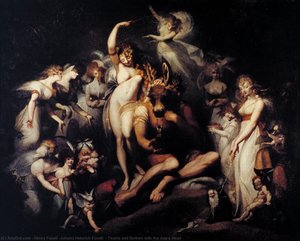
Born in Zurich in 1741, Johann Heinrich Füssli was a pivotal figure in the late 18th-century art world. Initially trained in classical traditions, he later embraced a distinctly Baroque style influenced by his extensive travels through Italy and England. Füssli’s artistic journey was marked by a fascination with the supernatural – a trait evident in works like "Titania, Bottom, and the Fairies," showcasing his ability to blend mythological themes with a deeply personal vision. His ambition extended beyond mere painting; he envisioned creating a “Milton Gallery,” mirroring Boydell's Shakespeare collection, demonstrating an intellectual curiosity that informed his artistic output. His early exposure to the works of Titian, Caravaggio, and Mannerist painters undoubtedly shaped his approach to composition and light, contributing to the dramatic intensity often found in his oeuvre.
Technique and Style
The drawing itself is executed with remarkable sensitivity. Füssli’s use of charcoal creates a rich tonal range, subtly defining the contours of the woman's figure and the folds of her clothing. The loose, expressive lines contribute to an atmosphere of intimacy and vulnerability. Notice the careful rendering of the flowers adorning her head – a detail that elevates the piece beyond a simple depiction of repose. This attention to detail, combined with Füssli’s understanding of light and shadow, imbues the drawing with a palpable sense of realism despite its stylized nature. The background figures, though secondary, reinforce the feeling of a private moment, hinting at a world continuing around her.
Symbolism and Emotional Resonance
"Woman Sitting, Curled up" invites interpretation beyond its surface appearance. The posture itself – relaxed, vulnerable, almost fetal – speaks to themes of rest, recovery, and perhaps even surrender. The crown of flowers adds an element of beauty and fragility, suggesting a connection to nature and the ephemeral quality of life. While devoid of explicit narrative, the drawing possesses a powerful emotional resonance, tapping into universal feelings of peace, solitude, and introspection. It’s a reminder that amidst the demands of daily existence, moments of quiet contemplation are essential for our well-being.
Obras relacionadas

Biografía del artista
Early Life and Education
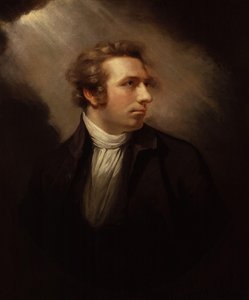
Johann Heinrich Füssli, a Swiss painter, draughtsman, and writer on art, was born on February 7, 1741, in Zurich, Switzerland. He was the second of eighteen children to Johann Caspar Füssli, a portrait painter. Füssli received a classical education at the Collegium Carolinum in Zurich, fostering an early appreciation for artistic principles and historical studies. This rigorous training laid the foundation for his later explorations into both classical and fantastical themes. His upbringing within a family deeply rooted in art provided him with invaluable insights and connections that would shape his career trajectory.Artistic Career and Influences
Füssli’s artistic journey commenced with his relocation to London in 1764, where he encountered Sir Joshua Reynolds, who became a pivotal mentor, encouraging him to dedicate himself entirely to painting. This marked a significant turning point, propelling him away from initial plans for a clerical career. Subsequently, Füssli spent eight years immersed in Italy, a period of intense study and artistic development. He meticulously examined the works of masters such as Titian, Caravaggio, and Mannerists, absorbing their techniques and stylistic approaches. These influences profoundly shaped his own distinctive style, characterized by dramatic lighting, dynamic compositions, and an exploration of emotional intensity.Supernatural Themes and Literary Inspiration
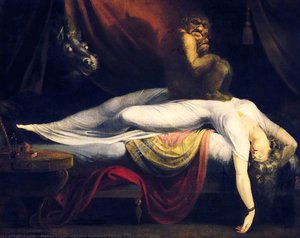
A defining characteristic of Füssli’s oeuvre is his fascination with the supernatural and the dreamlike. His paintings frequently depicted scenes imbued with otherworldly elements, nightmares, and fantastical creatures—a hallmark of the emerging Romantic movement. Notably, he created a series of works inspired by John Milton's epic poems, envisioning a “Milton Gallery” intended to rival Boydell’s Shakespeare Gallery. This ambition reflected his deep engagement with literary narratives and his desire to translate imaginative worlds onto canvas. His most famous work, *La Pesadilla* (The Nightmare), exemplifies this style, capturing the terror and disorientation of a dream state with remarkable intensity.Notable Works, Legacy, and Museums
Füssli’s artistic legacy extends through numerous significant paintings, including “Titania, Bottom & Fairies,” a vibrant depiction of Shakespeare's *A Midsummer Night’s Dream*, showcasing his ability to infuse literary scenes with visual drama and symbolic richness. His association with the Royal Academy, where he held positions as Professor of Painting and Keeper, further cemented his influence on subsequent generations of British artists, including William Blake. Füssli’s works are now housed in prestigious museums worldwide, such as the Kunsthaus Zürich (Switzerland), which boasts a comprehensive collection of his paintings, including *La Pesadilla*, and the Albertina in Vienna (Austria), where one can admire his watercolor piece, “Teiresias Foretells the Future to Odysseus.” His exploration of psychological depth and emotional intensity continues to resonate with art lovers today. Recommended Reading:- Titania, Bottom & Fairies by Johann Heinrich Füssli
- Henry Fuseli - Wikipedia
Johann Heinrich Füssli
1741 - 1825 , Suiza
Datos clave
- Artistic Movement Or Style: Romanticismo, Neoclasicismo
- Artists Or Movements Influenced By This Artist: ['William Blake']
- Artists Who Influenced This Artist:
- Titian
- Caravaggio
- Date Of Birth: 7 Feb 1741
- Date Of Death: 16 Abr 1825
- Full Name: Johann Heinrich Füssli
- Nationality: Suizo
- Notable Artworks:
- La Pesadilla
- Titania y Bottom
- Place Of Birth: Zúrich, Suiza
Artículos relacionados

Paisajes Románticos: 10 Obras Maestras que Definieron un Movimiento Artístico
Descubre los 10 paisajes románticos más influyentes de artistas como Caspar David Friedrich y Turner. Explora la belleza, el simbolismo y las técnicas del movimiento romántico. Reproducciones de arte exclusivas en ArtsDot.com.

Beyond Myth & Madness: Exploring the Visionary Art of Johann Heinrich Füssli
Explore the captivating world of Johann Heinrich Füssli (Henry Fuseli), a master of Romantic art. Discover his iconic 'The Nightmare' and Shakespearean scenes, plus insights for collectors & enthusiasts.
The Nuances of Graphite: Exploring Emotional Depth & Technical Mastery in Pencil Drawing
Explore the captivating world of graphite drawing! Discover its rich history, master essential techniques like chiaroscuro, and learn how artists evoke emotion through this timeless medium. Expert insights for art enthusiasts.
Las 10 Obras de Arte Más Románticas: Historia, Artistas y Decoración con
Descubre las 10 obras de arte más románticas de Monet, Renoir y Goya. Explora la historia del amor en el arte, sus colores y técnicas. Encuentra lienzos perfectos para crear un ambiente inolvidable con

10 Obras Maestras del Realismo Romántico que Debes Conocer
Explora la emoción y el detalle del Realismo Romántico. Un viaje por 10 obras maestras que capturan la esencia humana con técnica y alma. Encuentra inspiración y reproducciones de calidad museo para tu hogar en ArtsDot.com. ¡Descubre toda la colección online!