

 Ver en contexto
 Enviar
 Compartir
 Detalles

 Descargar
 Similares
 Radiografía
 Presentación de diapositivas
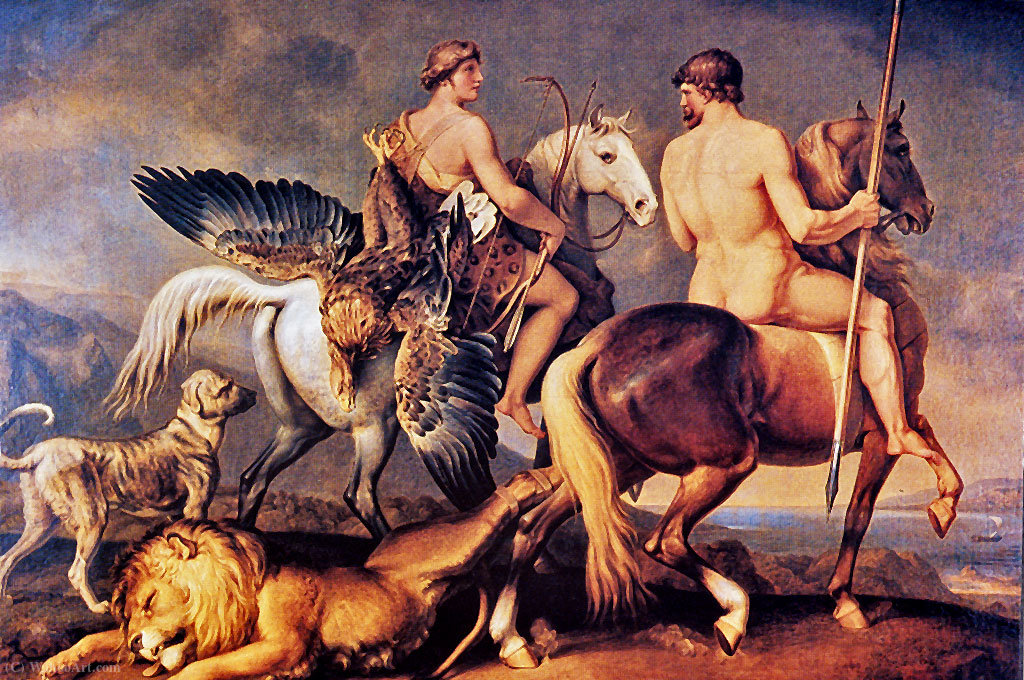
man's strength or Reason

 Ver más
Giclée / Impresión de arte
Impresiones giclée o en lienzo de calidad de museo con producción rápida y opciones de acabado flexibles. ( Comprar pintura hecha a mano Comprar imagen)




P118B $10

P118H $10

P118W $10

P438Z $10

P508JH $12

P508YH $12

P805H $10

P805Z $10

P919BZ $10

P919G $10

P919XJ $10

P959ZH $10

P968JZ $12

W106C $8

W218G $10

W218JH $8

W218Y $10

W307PJ $10

W316G $10

W316PJ $8

W316Y $10

W398PJ $8

W4111J $10

W500HY $15

W500JH $15

W692G $12

W849H $8

W940BG $15

W953PJ $8




Elija entre nuestros tamaños predefinidos que respetan las proporciones originales de la obra.

Puede introducir sus propias dimensiones para adaptarse a un marco o espacio específico. Si el tamaño seleccionado no coincide con las proporciones de la imagen original, recortaremos la obra de arte o extenderemos la imagen con un borde con efecto espejo o de color sólido. Se enviará una maqueta digital para su aprobación antes de que comience la producción.
Tenga en cuenta que la vista previa en pantalla no refleja el recorte o la extensión real. Solo la maqueta mostrará con precisión la composición final.
Aunque existen tamaños personalizados, recomendamos seleccionar una dimensión de la lista predefinida para preservar las proporciones originales.
Envío a todo el mundo () en 2 semanas en lugar de las 4/5 semanas estándar. (23 agosto)

Envío exprés gratuito a todo el mundo

Lienzo de lino de alta calidad

Seguro de envío total

Garantía de reembolso de impuestos aduaneros

Garantía de fidelidad cromática exacta

Política de devolución de 60 días (solo por defectos)

Garantía de devolución del 100% del dinero

Descuento por cantidad
 La opción de vidrio solo está disponible en tamaños inferiores a 110 cm.

man's strength or Reason
Giclée / Impresión de arte
Dimensiones de la reproducción
-


Precio total final
$ 62
Descripción de la pieza
Johann Heinrich Tischbein the Younger: A Pioneer of Romantic Engraving
Johann Heinrich Tischbein the Younger (1751 – 1808) stands as a pivotal figure within German Romantic art, primarily recognized for his masterful engravings and portraits that captured the spirit of his era. Born in Haina, Germany, he descended from a distinguished artistic lineage—his father, Johann Konrad Tischbein, was a carpenter who served as the eldest son of Johannes Heinrich Tischbein (1682–1764), establishing a family tradition rooted in craftsmanship and artistic pursuit. This familial connection profoundly shaped Tischbein’s formative years, fostering an early appreciation for visual arts under the tutelage of his uncle, Johann Heinrich Tischbein Senior—a sculptor who established a celebrated art gallery for William VIII, Landgrave of Hesse-Kassel. His artistic journey commenced with formal training in Amsterdam, where he honed his skills alongside fellow artists and absorbed influences from Dutch Baroque aeshetics. This exposure to classical tradition combined with burgeoning Romantic sensibilities would define his distinctive style – characterized by meticulous detail, expressive tonal ranges, and a profound sensitivity to capturing psychological nuance. Tischbein’s engravings weren't merely reproductions of paintings; they were interpretations imbued with emotion and intellectual contemplation, reflecting the anxieties and aspirations of a generation grappling with societal change.- Subject Matter: Tischbein frequently depicted scenes from mythology and literature—particularly Homer’s *Odyssey*—demonstrating an engagement with humanist ideals prevalent during his time. His portraits showcased remarkable accuracy in capturing likenesses, yet they transcended mere representation to convey character and inner life.
- Style: Tischbein's engravings embody the Romantic aesthetic, prioritizing emotional expression over purely decorative considerations. He skillfully utilized chiaroscuro—the dramatic interplay of light and shadow—to heighten visual impact and evoke feelings of grandeur or melancholy.
Technique: Mastery of Etching – A Legacy of Precision
Tischbein’s technique was rooted in the venerable art of etching, a process perfected by Rembrandt centuries earlier. He employed multiple plates—often numbering upwards of fifty—each bearing intricate lines etched into its surface using hardened needles. These plates were then treated with acid, which selectively removed metal from areas exposed through the etched lines, transferring an image onto paper. This painstaking method demanded exceptional skill and patience, resulting in prints of unparalleled clarity and tonal richness. The artist’s meticulous attention to detail—evident in every line and shading—served as a testament to his dedication to artistic excellence.Historical Context: Weimar and the Rise of Romantic Idealism
Tischbein's work flourished during the Weimar Classicism, a period dominated by Johann Wolfgang Goethe and Friedrich Schiller – figures who championed reason and aesthetic beauty alongside moral virtue. Tischbein’s engravings resonated deeply with these intellectual currents, reflecting the Romantic preoccupation with imagination, emotion, and the sublime—the experience of awe inspired by nature’s grandeur or spiritual revelation. His prints served as visual companions to literary masterpieces, furthering the dissemination of Romantic ideas throughout German society.Symbolism: Mythological Echoes and Psychological Depth
Throughout his engravings, Tischbein incorporated symbols drawn from classical mythology—particularly Odysseus's journey home—to convey themes of perseverance, resilience, and the triumph of intellect over adversity. However, beyond these overt references to myth, Tischbein achieved a deeper level of psychological exploration, capturing subtle expressions of emotion that revealed the complexities of human experience. His portraits weren’t simply likenesses; they were windows into the souls of his subjects—illuminating their inner thoughts and feelings with remarkable sensitivity.Emotional Impact: Capturing the Sublime – A Reflection of Inner Turmoil
Ultimately, Tischbein's engravings succeeded in evoking a profound emotional response in viewers. The dramatic tonal contrasts—the interplay of light and shadow—created an atmosphere of grandeur or melancholy, mirroring the anxieties and aspirations of his time. His images resonated with audiences grappling with existential questions—questions about mortality, faith, and the relationship between humanity and nature—leaving an indelible mark on the Romantic artistic tradition.Obras relacionadas
Biografía del artista
El legado de Johann Heinrich Tischbein el Joven
Johann Heinrich Tischbein el Joven se erige como una figura fundamental dentro del arte romántico alemán, reconocido principalmente por sus magistrales grabados y retratos que lograron capturar el espíritu de su época. Nacido en Haina, Alemania, en 1751, descendía de un linaje artístico distinguido que influyó profundamente en su trayectoria creativa. Su padre, Johann Konrad Tischbein, era un hábil artesano, mientras que su tío, el escultor Johann Heinrich Tisch હતું Tischbein el Viejo, estableció una célebre galería de arte para Guillermo VIII, Landgrave de Hesse-Kassel. Este vínculo familiar proporcionó al joven artista una base sin precedentes, fomentando un temprano aprecio por las artes visuales y situándolo en el corazón de movimientos culturales significativos.
Su viaje artístico comenzó con una formación formal en Ámsterdam, donde perfeccionó sus habilidades técnicas junto a otros artistas y absorbió las profundas influencias de la estética del Barroco holandés. Sin embargo, fue Kassel la ciudad que se convirtió en su verdadero hogar creativo. Su nombramiento como inspector de la galería del Landgrave fue mucho más que un hito profesional; le otorgó un acceso íntimo a las tendencias artísticas más importantes de la época y facilitó colaboraciones que impulsaron su carrera. La vida de Tischbein también estuvo marcada por un profundo sentido del deber y la mentoría, como lo demuestra el cuidado de su sobrino, Franz Pforr, a quien educó con diligencia y ayudó a asegurar su ingreso en la prestigiosa Academia de Bellas Artes de Viena.
Una maestría versátil de tema y técnica
La obra de Tischbein se caracteriza por una extraordinaria versatilidad que le permitió navegar por los diversos paisajes del arte de finales del siglo XVIII. Fue un maestro del retrato, capaz de dotar a sus sujetos de una profundidad psicológica que reflejaba las sensibilidades florecientes del Romanticismo. Uno de sus logros más notables incluye su retrato de 1771 de Gottfried August Bürger, una imagen que captura no solo un parecido físico, sino la esencia misma del fervor intelectual de la era. Su capacidad para traducir la emoción humana al papel o al lienzo lo convirtió en un cronista muy solicitado de sus contemporáneos.
Más allá de la intimidad del retrato, Tischbein sobresalió al capturar tanto lo dramático como lo sereno a través de paisajes y estudios de animales:
- Arte del paisaje: En obras como Paisaje en Frascati, demostró una capacidad notable para componer escenas tranquilas con colinas ondulantes y árboles ancestrales, invitando al espectador a un estado de contemplación silenciosa.
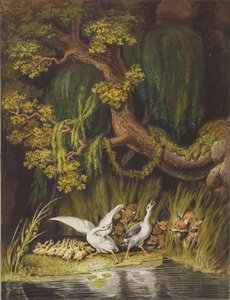
- Vida silvestre y drama: Sus grabados exploraban a menudo la tensión inherente al mundo natural. Un ejemplo impactante es su representación de un ganso y una gansa con sus crías, atrapados en un momento de alarma mientras los zorros emergen de los juncos, mostrando su talento para capturar el movimiento y el drama narrativo.
- Carboncillo y detalle: Su rango técnico se extendió a delicadas obras al carboncillo, como su Vista de tres cuartos de la cabeza de una niña, donde utilizó la luz y la sombra para crear texturas cautivadoras y llenas de vida.
Significado histórico e impacto artístico
La contribución de Tischbein al canon del arte alemán se extiende más allá de sus composiciones individuales; sirvió como un vínculo vital entre las tradiciones clásicas de sus predecesores y el poder emotivo del movimiento romántico. Su trabajo encarna la transición desde la elegancia estructurada de la Ilustración hacia las exploraciones más turbulentas y centradas en la naturaleza del siglo XIX. Al documentar tanto el rostro humano como el mundo natural indómito, ayudó a definir un lenguaje visual que resonó con los cambios culturales de su tiempo.
Hoy en día, las obras de Johann Heinrich Tischbein el Joven siguen siendo esenciales para comprender la evolución del Romanticismo alemán. Su capacidad para combinar un detalle meticuloso con una profunda resonancia emocional asegura que su legado continúe cautivando tanto a historiadores del arte como a entusiastas. A través de sus grabados, retratos y paisajes, dejó una huella indeleble en el panorama artístico de Europa, preservando los momentos fugaces de la naturaleza y los espíritus perdurables de la humanidad dentro de sus creaciones atemporales.
Johann Heinrich Tischbein El Joven
1742 - 1808 , Alemania
Datos clave
- Artistic Movement Or Style: Romanticism
- Artists Or Movements Influenced By This Artist: ['Goethe']
- Artists Who Influenced This Artist: ['Johann Konrad Tischbein']
- Date Of Birth: November 28, 1751
- Full Name: Johann Heinrich Tischbein the Younger
- Nationality: German
- Notable Artworks:
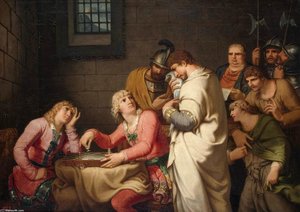
- Conradin & Frederick
- The Sacrifice of Alcesti
- A Goose and a Gander
- Place Of Birth: Haina, Germany
Artículos relacionados
Engraving: A Historical Survey of Technique, Artistic Expression & Enduring Legacy
Explore the rich history of engraving with ArtsDot. Discover techniques, iconic artists like Dürer & Callot, collecting tips, and expert guidance for preserving your art investment. Learn about intaglio printing & more!
Los 10 Grabados Legendarios que Transformaron la Historia del Arte | ArtsDot
Descubre los 10 grabados legendarios de Dürer, Rembrandt y Goya que revolucionaron el arte. Explora la historia, técnicas y belleza atemporal de estas obras maestras. Reproducciones de alta calidad en ArtsDot.com para decorar tu hogar con arte clásico.
El Intricado Mundo del Grabado: Técnica, Expresión y Legado Histórico
Descubre la fascinante historia del grabado calcográfico: técnicas ancestrales, maestros como Goya y su impacto en el arte y la ciencia. Guía experta para coleccionistas y amantes del arte.
Romantic Realism's Finest: 10 Masterpieces for Your Home | ArtsDot
Explore 10 defining masterpieces of Romantic Realism! Discover Courbet, Millet & Daumier's powerful paintings—capturing emotion and social realities. Find museum-quality reproductions for your home at ArtsDot.com.
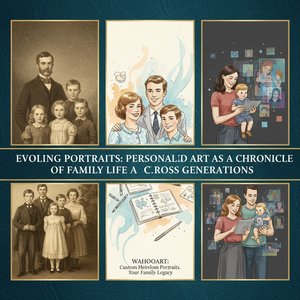
Evolución de los Retratos: El Arte Personalizado como Crónica de la Vida Familiar a Través de las Generaciones
Descubre la evolución del retrato familiar y cómo convertir tus recuerdos en obras de arte atemporales. Pinturas al óleo personalizadas por artistas expertos. ¡Preserva tu legado con ArtsDot!

