

 Ver en contexto
 Enviar
 Compartir
 Detalles

 Descargar
 Similares
 Radiografía
 Presentación de diapositivas
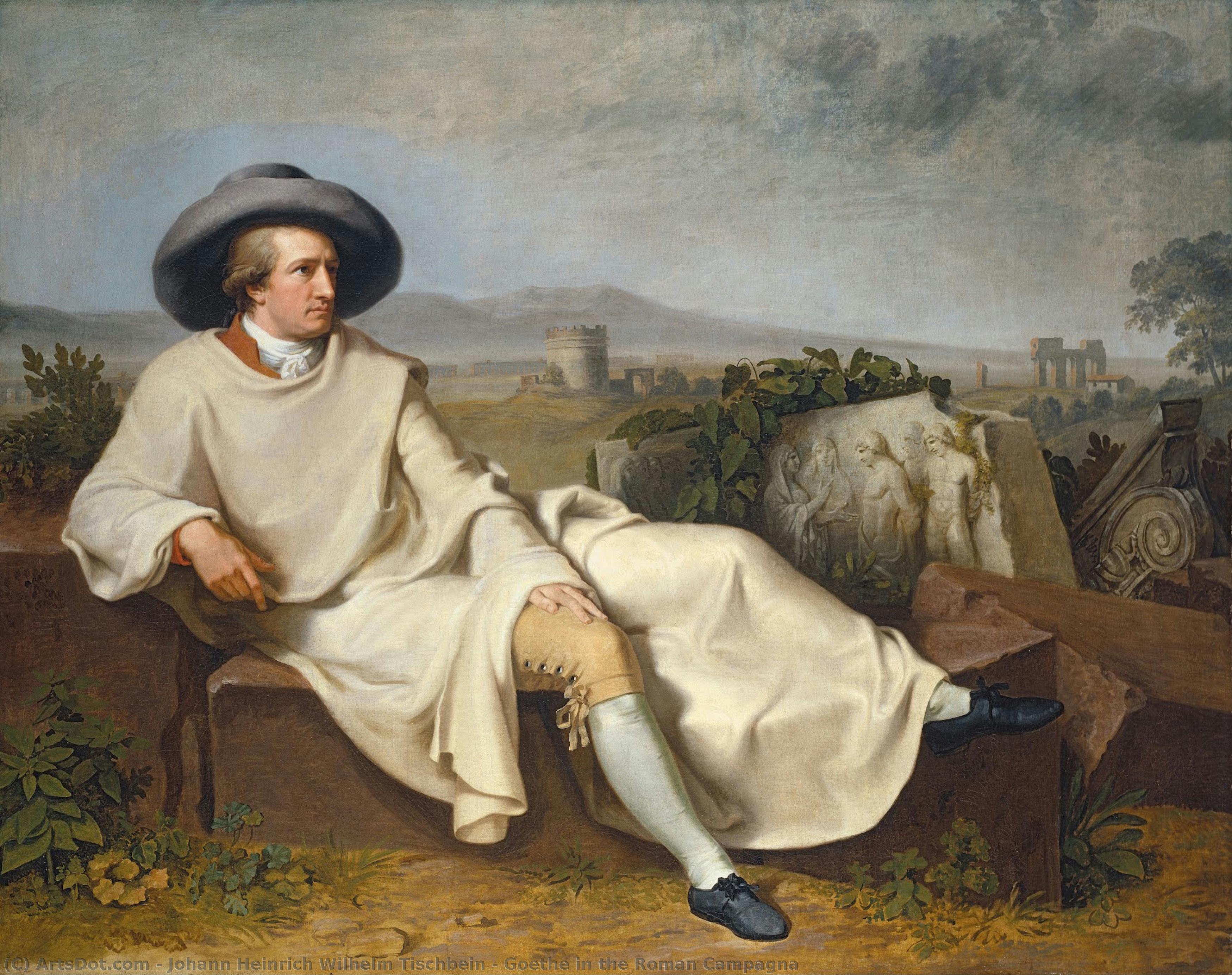
Goethe in the Roman Campagna
 Oil On Canvas
- WallArt
- Neoclassicism
 1787
1787 206.0 x 164.0 cm
 Städel Museum
 Ver más
Adquiera una imagen digital de alta resolución y optimizada, muy superior a la vista previa en línea.
Cada archivo es preparado meticulosamente por nuestros especialistas internos mediante el uso de herramientas avanzadas y un experto retoque manual. Nos aseguramos de que cada imagen posea una claridad excepcional, una precisión cromática impecable y un detalle minucioso.
El archivo final se entrega por correo electrónico en un plazo de 72 horas, optimizado para su uso inmediato en entornos profesionales, editoriales y de impresión. Esta es la misma calidad en la que confían los estudios de diseño, las editoriales y las galerías de primer nivel.
Imagen Digital
Descarga un archivo de alta resolución para exhibición personal, impresión y proyectos creativos. ( Comprar impresión Comprar pintura hecha a mano)
Incluido en cada pedido de imágenes digitales
Entrega digital experta, garantizada.
Al elegir ArtsDot.com, no solo está adquiriendo una imagen; está recibiendo una obra de arte digital mejorada profesionalmente, elaborada con precisión y respaldada por una garantía de satisfacción. Esto es todo lo que incluye su pedido, automáticamente:

Entrega rápida por email
Recibirá su archivo de imagen digital en alta resolución por correo electrónico en un plazo de 72 horas tras realizar su pedido, listo para su uso inmediato.

Archivo digital optimizado por IA
Su obra de arte se optimiza profesionalmente mediante herramientas avanzadas de IA y edición manual, garantizando el máximo detalle, claridad y precisión cromática.

Reenvío gratuito de por vida
¿Has borrado o perdido tu archivo por error? No te preocupes: te lo volveremos a enviar en cualquier momento, sin coste adicional.

Sin gastos de importación, siempre
Disfrute de su obra de arte al instante sin aduanas, aranceles ni gastos de envío; las descargas digitales siempre están libres de impuestos.

Garantía de fidelidad de color
Garantizamos que su imagen digital refleje los colores originales con la mayor fidelidad posible, mediante el uso de herramientas profesionales y gestión del color.

Garantía de satisfacción de 60 días
Si no está satisfecho con su imagen digital, la revisaremos o le reembolsaremos el 100% en un plazo de 60 días, sin preguntas.

100% Garantía de devolución de dinero
¿No está satisfecho? Obtenga un reembolso completo dentro de los 60 días posteriores a la recepción de su archivo digital, sin necesidad de explicaciones.

Descuentos por pedidos grandes
Compra 3 imágenes, ahorra 10% - Compra 5, ahorra 15% - Compra 10+, ahorra 20%. Ideal para proyectos creativos, galerías y agencias.
Johann Heinrich Wilhelm Tischbein’s Goethe in the Roman Campagna: A Portrait of Enlightenment
The painting “Goethe in the Roman Campagna,” executed by Johann Heinrich Wilhelm Tischbein in 1787, stands as a cornerstone of Neoclassical portraiture and embodies the spirit of intellectual curiosity that defined the era. More than just a likeness of Johann Wolfgang von Goethe—Germany’s most celebrated poet and playwright—the artwork is a meticulously crafted meditation on observation, contemplation, and the intersection between art and philosophy. Tischbein's masterful depiction captures not merely physical appearance but also an inner state of serene thoughtfulness, reflecting Goethe’s profound engagement with the natural world during his travels in Italy.Style and Technique: The Language of Order
Tischbein adhered rigorously to the principles of Neoclassicism, a movement that sought inspiration from classical antiquity—specifically ancient Greece and Rome—rejecting the ornate excesses of Baroque art. This stylistic commitment is evident in every aspect of the composition. Geometric precision dominates both figure and landscape, mirroring the ideals of rationality and balance championed by thinkers like Voltaire and Rousseau. Brushstrokes are smooth and deliberate, conveying a sense of controlled elegance and reflecting Tischbein’s meticulous attention to detail. The artist skillfully employs chiaroscuro—the dramatic interplay of light and shadow—to sculpt Goethe's form against the backdrop of the Roman countryside, enhancing depth and creating an illusionistic effect that draws the viewer into the scene. Oil paints on canvas provide a rich surface texture, subtly hinting at the materiality of the subject matter.Historical Context: Weimar’s Intellectual Renaissance
“Goethe in the Roman Campagna” emerged during Weimar’s Golden Age—a period of unprecedented cultural flourishing under Johann Wilhelm Ernst Goethe (no relation to the poet), Tischbein's patron and ruler. This era witnessed a resurgence of interest in classical learning, fueled by humanist scholarship and driven by a desire to emulate the grandeur of antiquity. Goethe himself was deeply immersed in philosophical debates concerning reason versus emotion, and Tischbein’s portrait reflects this intellectual preoccupation. The painting served as a visual testament to Goethe's formative experiences—his immersion in Italian art and literature—solidifying his reputation as a champion of Enlightenment ideals.Symbolism: Landscape as Reflection
The Roman Campagna—the fertile plains surrounding Rome—functions symbolically as more than just a scenic backdrop; it represents the source of inspiration for Goethe’s artistic endeavors. The landscape embodies tranquility, beauty, and intellectual stimulation – qualities that Tischbein sought to convey through his depiction. Goethe's seated posture suggests contemplation and observation, mirroring the artist’s own approach to capturing the essence of his subject. Furthermore, the classical setting underscores the overarching theme of humanist values—a belief in human reason and potential—characteristic of the Enlightenment period.Emotional Impact: Dignified Reflection
Ultimately, “Goethe in the Roman Campagna” transcends mere representation; it communicates a profound emotional resonance. Tischbein’s portrayal captures Goethe's inner serenity and intellectual engagement with remarkable sensitivity. The painting invites viewers to contemplate the beauty of observation and the importance of cultivating a contemplative spirit—themes that continue to resonate powerfully today. It stands as an enduring emblem of artistic excellence and intellectual curiosity, securing its place within the canon of Neoclassical portraiture.Obras relacionadas

Biografía del artista
primeros años y formación
johann heinrich wilhelm tischbein, conocido como el goethe tischbein, fue un pintor alemán perteneciente a la ilustre dinastía de artistas tischbein. Nacido el 15 de febrero de 1751 en haina, Alemania, su vida estuvo marcada por una pasión innata hacia el arte. Sus primeros pasos en el pincel los dio bajo la tutela de johann heinrich tischbein el anciano, una figura de gran relevancia en la escena artística alemana.trayectoria artística y obras notables
La carrera de tischbein se distinguió por su magistral dominio del retrato, tal como se desprende de su célebre obra retrato de johann wolfgang von goethe en la campagna romana. Esta pieza no solo exhibe la destreza técnica del autor, sino que también resalta su íntima conexión con el renombrado escritor y estadista alemán. Entre sus otros trabajos destacados se encuentran:- paris con la manzana, una pintura que refleja su fascinación por el panorama artístico francés.
- helen y menelao, una obra que demuestra su capacidad para capturar temas mitológicos con una elegancia sublime.
- ajax y cassandra, donde se manifiesta la versatilidad de tischbein al representar escenas dramáticas.
legado e influencia
Las contribuciones de tischbein al arte alemán son innegables. Su obra ha sido exhibida en diversos museos, incluyendo la schackgalerie en munich, dedicada al romanticismo tardío. Este museo, con su extraordinaria colección pictórica, ofrece una visión única del arte alemán del siglo XIX.vida personal y últimos años
Tischbein falleció el 26 de junio de 1829 en eutin, Alemania. Su legado continúa inspirando a artistas y entusiastas por igual, permaneciendo su obra como un testimonio del poder perdurable del arte alemán durante el periodo del romanticismo tardío. puntos clave:- tischbao nació el 15 de febrero de 1751 en haina, Alemania.
- recibió su formación bajo la guía de johann heinrich tischbein el anciano.
- sus obras notables incluyen el retrato de johann wolfgang von goethe en la campagna romana, paris con la manzana y ajax y cassandra.
- la obra de tischbein se encuentra presente en la schackgalerie en munich.
- falleció el 26 de junio de 1829 en eutin, Alemania.
- vea las obras de tischbein en ArtsDot: [https://ArtsDot.com/@/johann heinrich wilhelm tischbein](https://ArtsDot.com/@/johann heinricht wilhelm tischbein)
- explore la schackgalerie en munich: /es/art/show/art-d3bffr-es/
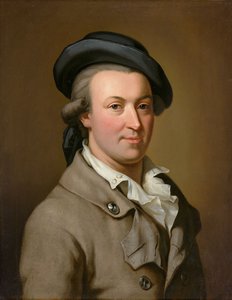
Johann Heinrich Wilhelm Tischbein
1751 - 1829 , Alemania
Breves datos
- Artistas O Movimientos Influenciados Por Este Artista:
- Literatura romántica
- Caricatura
- Artistas Que Influyeron En Este Artista:
- Nicolas Poussin
- Jan Vermeer
- Fecha De Muerte: 26 de octubre de 1764
- Fecha De Nacimiento: 5 de noviembre de 1697
- Lugar De Nacimiento: Londres, Inglaterra
- Movimiento O Estilo Artístico: Escuela inglesa; Grabados/Pinturas morales y satíricas
- Nacionalidad: Británica
- Nombre Completo: William Hogarth
- Obras Notables:
- Beer Street
- Gin Lane
- Marriage A-la-Mode
- Industry and Idleness

