

 Ver en contexto
 Enviar
 Compartir
 Detalles

 Descargar
 Similares
 Radiografía
 Presentación de diapositivas
 Estadísticas
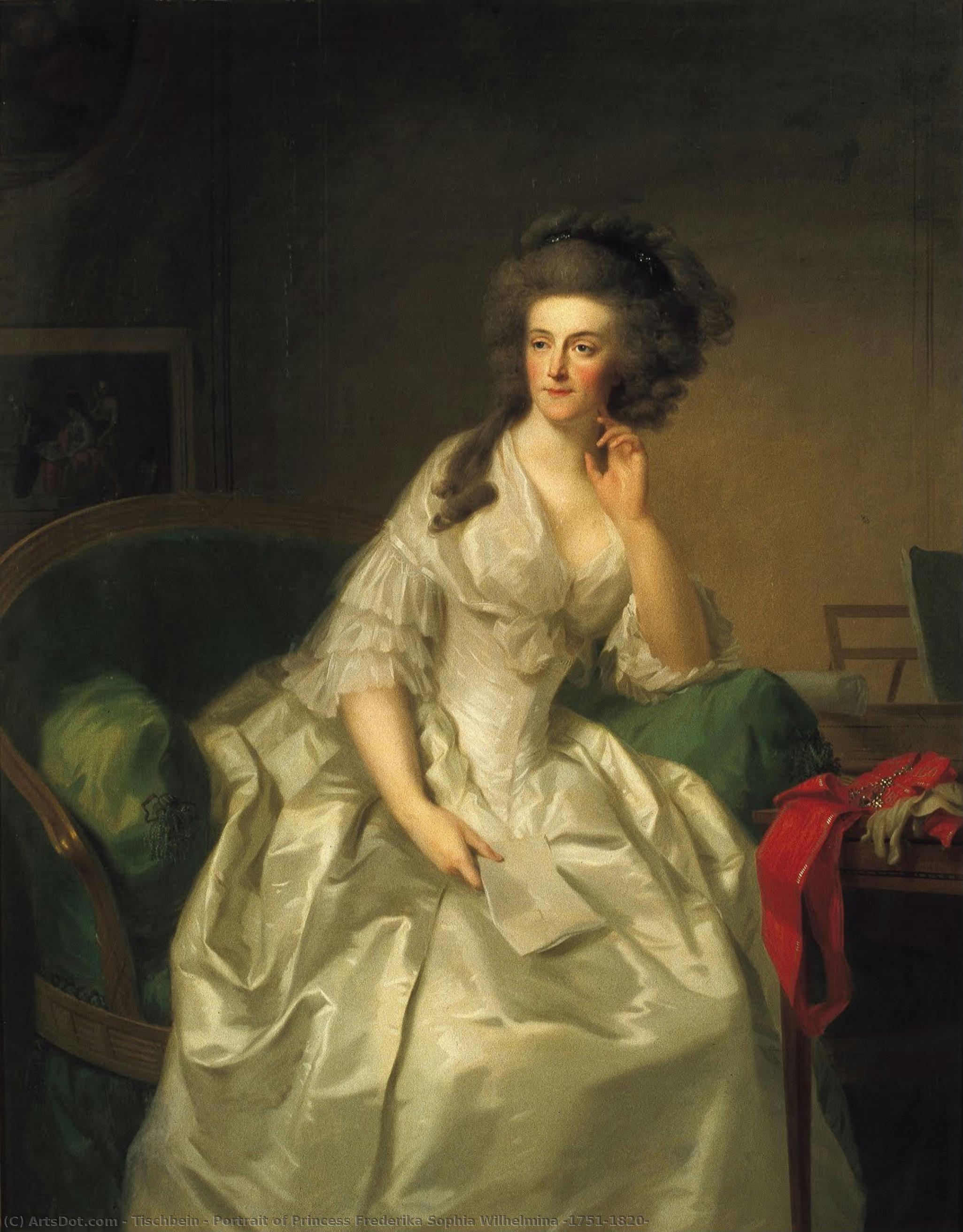
Portrait of Princess Frederika Sophia Wilhelmina (1751-1820)
 Oil On Canvas
- WallArt
- Neoclassical
 1789
1789- Early Modern
 172.0 x 135.0 cm
 Mauritshuis
 Ver más
Giclée / Impresión de arte
Impresiones giclée o en lienzo de calidad de museo con producción rápida y opciones de acabado flexibles. ( Comprar pintura hecha a mano Cambiar a imagen digital)




P118B $10

P118H $10

P118W $10

P438Z $10

P508JH $12

P508YH $12

P805H $10

P805Z $10

P919BZ $10

P919G $10

P919XJ $10

P959ZH $10

P968JZ $12

W106C $8

W218G $10

W218JH $8

W218Y $10

W307PJ $10

W316G $10

W316PJ $8

W316Y $10

W398PJ $8

W4111J $10

W500HY $15

W500JH $15

W692G $12

W849H $8

W940BG $15

W953PJ $8




Elija entre nuestros tamaños predefinidos que respetan las proporciones originales de la obra.

Puede introducir sus propias dimensiones para adaptarse a un marco o espacio específico. Si el tamaño seleccionado no coincide con las proporciones de la imagen original, recortaremos la obra de arte o extenderemos la imagen con un borde con efecto espejo o de color sólido. Se enviará una maqueta digital para su aprobación antes de que comience la producción.
Tenga en cuenta que la vista previa en pantalla no refleja el recorte o la extensión real. Solo la maqueta mostrará con precisión la composición final.
Aunque existen tamaños personalizados, recomendamos seleccionar una dimensión de la lista predefinida para preservar las proporciones originales.
Envío a todo el mundo () en 2 semanas en lugar de las 4/5 semanas estándar. (9 septiembre)

Envío exprés gratuito a todo el mundo

Lienzo de lino de alta calidad

Seguro de envío total

Garantía de reembolso de impuestos aduaneros

Garantía de fidelidad cromática exacta

Política de devolución de 100 días (solo por defectos)

Garantía de devolución del 100% del dinero

Descuento por cantidad
 La opción de vidrio solo está disponible en tamaños inferiores a 110 cm.

Portrait of Princess Frederika Sophia Wilhelmina (1751-1820)
Giclée / Impresión de arte
Dimensiones de la reproducción
-


Precio total final
$ 62
The Aura of Aristocratic Grace: A Study in Neoclassical Portraiture
To gaze upon this portrait of Princess Frederika Sophia Wilhelmina is to step directly into the refined salons of late 18th-century Germany. Painted by Johann Heinrich Wilhelm Tischbein in 1789, the work transcends a mere likeness; it is a carefully constructed tableau of status, intellect, and exquisite femininity. The princess is captured in a moment of quiet contemplation, seated within an ornate chair that anchors her elegantly composed figure. Tischbein masterfully employs the three-quarter pose, allowing us to appreciate not only the delicate sweep of her gown—rendered in soft whites and creams—but also the subtle narrative suggested by her thoughtful gaze directed toward the left edge of the canvas. The entire composition sings with an air of restrained nobility.
Mastery of Light and Texture: A Technical Deep Dive
Technically, this piece is a testament to Tischbein's profound skill as an oil painter on canvas. One can almost feel the difference between the materials he handled. The artist achieves breathtaking verisimilitude through his handling of texture; observe how the smoothness of her skin contrasts with the crisp folds of her drapery and the plush depth suggested in the vibrant green upholstery of the chair. Tischbein utilizes a soft, diffused natural light that bathes the scene, creating a gentle chiaroscuro effect. This lighting is not harsh but rather enveloping, serving to highlight the contours of her face while allowing shadows to deepen the sense of three-dimensional space. The background, deliberately blurred through atmospheric perspective, ensures that all focus remains squarely upon the princess and her immediate surroundings.
Symbolism of Status and Introspection
The symbolism woven into this portrait speaks volumes about the sitter's world. Her attire and poised bearing are unmistakable markers of high European aristocracy—a visual declaration of refinement and breeding. Yet, it is her expression that invites the deepest engagement. It is not a vacant smile for posterity; rather, it suggests an inner life, an intelligence at work beneath the veneer of courtly elegance. The contrast between the organic flow of her gown and the rigid geometry of the chair subtly mirrors the tension between personal feeling and societal expectation—a timeless theme that resonates deeply with the modern collector.
A Timeless Aesthetic for the Modern Interior
For those seeking to infuse a space with the gravitas and beauty of historical masterworks, this reproduction offers unparalleled depth. The Neoclassical style, celebrated for its clarity of form and idealized beauty, pairs exquisitely with both opulent traditional décor and thoughtfully curated modern interiors that appreciate classical structure. Owning or displaying an artwork echoing Tischbein’s vision means bringing home more than just paint on canvas; it is acquiring a piece of documented history, imbued with the enduring grace of the Enlightenment era.
Obras relacionadas


Biografía del artista
primeros años y formación
johann heinrich wilhelm tischbein, conocido como el goethe tischbein, fue un pintor alemán perteneciente a la ilustre dinastía de artistas tischbein. Nacido el 15 de febrero de 1751 en haina, Alemania, su vida estuvo marcada por una pasión innata hacia el arte. Sus primeros pasos en el pincel los dio bajo la tutela de johann heinrich tischbein el anciano, una figura de gran relevancia en la escena artística alemana.trayectoria artística y obras notables
La carrera de tischbein se distinguió por su magistral dominio del retrato, tal como se desprende de su célebre obra retrato de johann wolfgang von goethe en la campagna romana. Esta pieza no solo exhibe la destreza técnica del autor, sino que también resalta su íntima conexión con el renombrado escritor y estadista alemán. Entre sus otros trabajos destacados se encuentran:- paris con la manzana, una pintura que refleja su fascinación por el panorama artístico francés.
- helen y menelao, una obra que demuestra su capacidad para capturar temas mitológicos con una elegancia sublime.
- ajax y cassandra, donde se manifiesta la versatilidad de tischbein al representar escenas dramáticas.
legado e influencia
Las contribuciones de tischbein al arte alemán son innegables. Su obra ha sido exhibida en diversos museos, incluyendo la schackgalerie en munich, dedicada al romanticismo tardío. Este museo, con su extraordinaria colección pictórica, ofrece una visión única del arte alemán del siglo XIX.vida personal y últimos años
Tischbein falleció el 26 de junio de 1829 en eutin, Alemania. Su legado continúa inspirando a artistas y entusiastas por igual, permaneciendo su obra como un testimonio del poder perdurable del arte alemán durante el periodo del romanticismo tardío. puntos clave:- tischbao nació el 15 de febrero de 1751 en haina, Alemania.
- recibió su formación bajo la guía de johann heinrich tischbein el anciano.
- sus obras notables incluyen el retrato de johann wolfgang von goethe en la campagna romana, paris con la manzana y ajax y cassandra.
- la obra de tischbein se encuentra presente en la schackgalerie en munich.
- falleció el 26 de junio de 1829 en eutin, Alemania.
- vea las obras de tischbein en ArtsDot: [https://ArtsDot.com/@/johann heinrich wilhelm tischbein](https://ArtsDot.com/@/johann heinricht wilhelm tischbein)
- explore la schackgalerie en munich: /es/art/show/art-d3bffr-es/
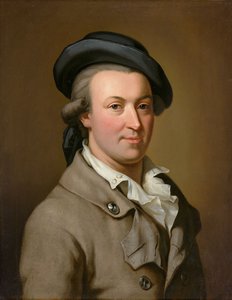
Johann Heinrich Wilhelm Tischbein
1751 - 1829 , Alemania
Datos clave
- Artistas O Movimientos Influenciados Por Este Artista:
- Literatura romántica
- Caricatura
- Artistas Que Influyeron En Este Artista:
- Nicolas Poussin
- Jan Vermeer
- Fecha De Muerte: 26 de octubre de 1764
- Fecha De Nacimiento: 5 de noviembre de 1697
- Lugar De Nacimiento: Londres, Inglaterra
- Movimiento O Estilo Artístico: Escuela inglesa; Grabados/Pinturas morales y satíricas
- Nacionalidad: Británica
- Nombre Completo: William Hogarth
- Obras Notables:
- Beer Street
- Gin Lane
- Marriage A-la-Mode
- Industry and Idleness
Artículos relacionados

Giclée Prints: Archival Quality & Aesthetic Nuances for the Discerning Collector
Explore the world of giclée prints with ArtsDot. Learn about archival quality, aesthetic nuances & investment potential. Expert guidance for discerning art collectors seeking museum-quality reproductions and lasting value.

El Óleo sobre Lienzo: Historia, Técnica y la Persistencia de un Medio Artístico Atemporal
Descubre la historia y técnica del óleo sobre lienzo. Explora reproducciones fieles hechas a mano, personalización artística y consejos de expertos con ArtsDot. ¡Colecciona arte con confianza!

The Enduring Legacy of Oil on Canvas: Technique, History & Aesthetic Impact
Explore the rich history & techniques of oil painting – from Renaissance masters to Impressionism. Discover pigments, layering methods, and why this timeless medium endures. Expert insights for artists & art enthusiasts.
Las 10 Obras Maestras al Óleo que Revolucionaron la Historia del Arte |
Descubre las 10 obras maestras al óleo que transformaron la historia del arte. Explora Van Gogh, Monet, Da Vinci y más. Reproducciones de alta calidad para decorar tu hogar con elegancia. ¡Encuentra tu obra favorita en !

El Legado Duradero del Óleo sobre Lienzo: Técnica, Historia y Práctica Contemporánea
Descubre la historia y técnica del óleo sobre lienzo. Explora reproducciones fieles hechas a mano, personalización artística y consejos de expertos con .