 Ver en contexto
 Enviar
 Compartir
 Detalles

 Descargar
 Similares
 Radiografía
 Presentación de diapositivas
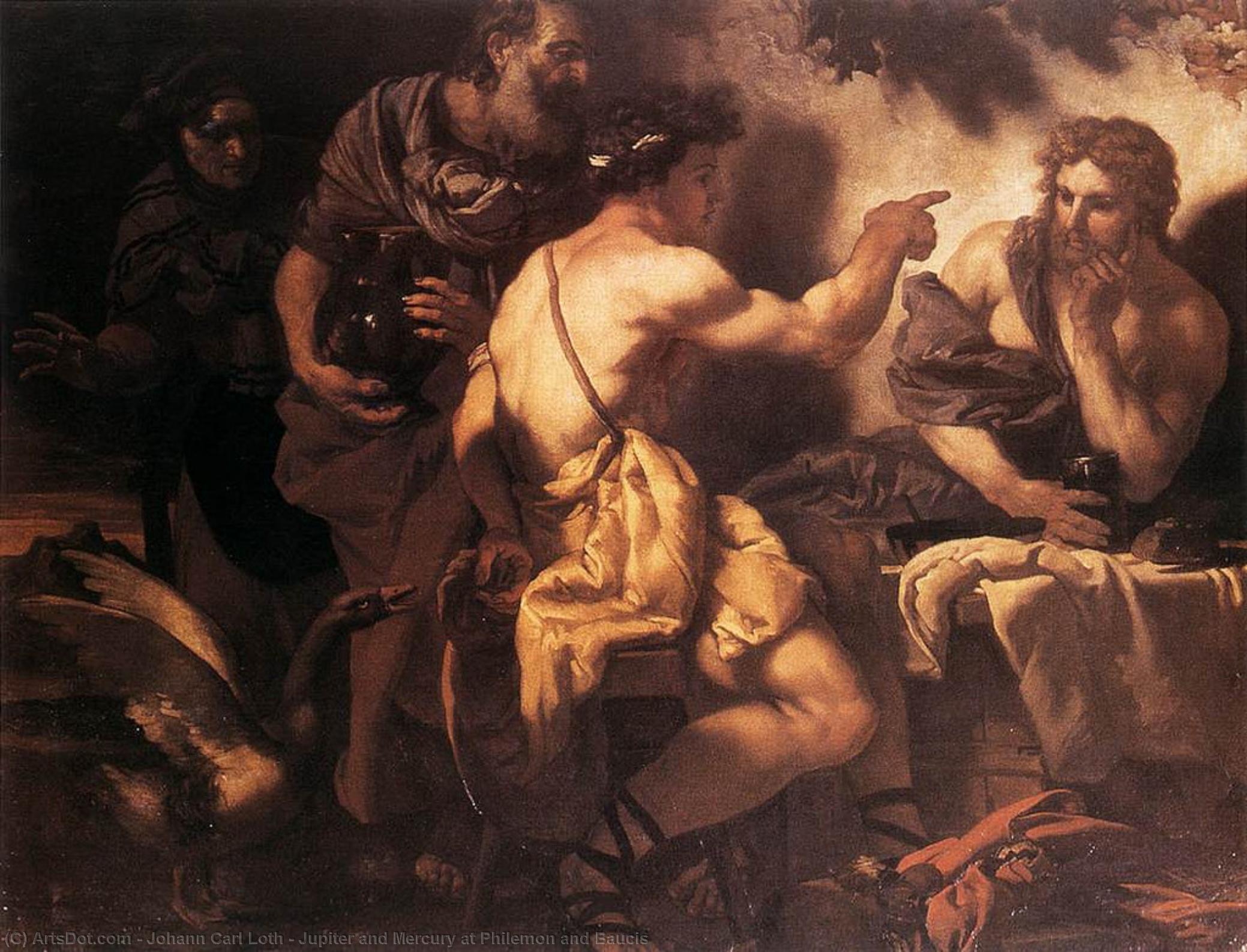
Jupiter and Mercury at Philemon and Baucis
 Oil On Canvas
- WallArt
- Baroque
 178.0 x 252.0 cm
 Kunsthistorisches Museum
 Ver más
Reproducción al óleo hecha a mano
Óleo sobre lienzo pintado a mano en el tamaño y marco de su elección, realizado por encargo por nuestros artistas. ( Comprar impresión Comprar imagen)




P118B $10

P118H $10

P118W $10

P438Z $10

P508JH $12

P508YH $12

P805H $10

P805Z $10

P919BZ $10

P919G $10

P919XJ $10

P959ZH $10

P968JZ $12

W106C $8

W218G $10

W218JH $8

W218Y $10

W307PJ $10

W316G $10

W316PJ $8

W316Y $10

W398PJ $8

W4111J $10

W500HY $15

W500JH $15

W692G $12

W849H $8

W940BG $15

W953PJ $8




Elija entre nuestros tamaños predefinidos que respetan las proporciones originales de la obra.

Puede ingresar sus propias dimensiones para adaptarse a un marco o espacio específico. Si el tamaño seleccionado no coincide con las proporciones de la imagen original, recortaremos la obra o extenderemos la pintura con elementos adicionales pintados a mano. Se le enviará una maqueta digital para su aprobación antes de comenzar la producción.
Tenga en cuenta que la vista previa en pantalla no refleja el recorte o la extensión reales. Solo la maqueta mostrará con precisión la composición final.
Si bien existen tamaños personalizados, recomendamos seleccionar una dimensión de la lista predefinida para preservar las proporciones originales.
Tras realizar el pedido, el equipo de ArtsDot.com enviará un correo electrónico al cliente para solicitar instrucciones y proporcionarle una vista previa del boceto.
Envío a todo el mundo () en 3-4 semanas en lugar de las 5 semanas estándar. (24 agosto). Sin comprometer la calidad.

Envío exprés gratuito a todo el mundo

Lienzo de lino de alta calidad

Seguro de envío total

Garantía de reembolso de impuestos aduaneros

Garantía de fidelidad cromática exacta

Política de devolución de 60 días (solo por defectos)

Garantía de devolución del 100% del dinero

Descuento por cantidad
 La opción de vidrio solo está disponible en tamaños inferiores a 110 cm.

Jupiter and Mercury at Philemon and Baucis
Técnica de reproducción
Dimensiones de la reproducción
-


Precio total final
$ 263
Descripción de la obra
Background and Inspiration
Johann Karl Loth was a German painter who spent most of his career in Venice, Italy. He was influenced by the Venetian school of painting and developed a distinctive style characterized by vibrant colors and loose brushwork. The painting Jupiter and Mercury at Philemon and Baucis is based on a story from Ovid's Metamorphoses, in which the gods Jupiter and Mercury disguise themselves as travelers and seek shelter at the humble home of Philemon and Baucis.Description and Analysis
The painting depicts the moment when the gods reveal themselves to their hosts. The composition is divided into two halves: the humble interior of the cottage on the left, and the lush landscape outside on the right. Loth's use of light and color creates a sense of drama and mystery, as the divine light emanating from the gods illuminates the scene. The painting is a masterpiece of Baroque art, with its dramatic lighting and intense emotions.Reproduction and Availability
If you are interested in owning a reproduction of Jupiter and Mercury at Philemon and Baucis, ArtsDot.com offers high-quality handmade oil paintings that capture the beauty and detail of the original. Our skilled artists use traditional techniques to create accurate and vibrant reproductions that are perfect for adding a touch of classic art to your home or office. You can browse our collection of Johann Karl Loth paintings and order your reproduction today.- Visit Johann Karl Loth's page on ArtsDot.com to learn more about the artist and his works.
- Read about Johann Karl Loth on Wikipedia to gain a deeper understanding of his life and art.
The painting Jupiter and Mercury at Philemon and Baucis is a testament to the skill and creativity of Johann Karl Loth, and its reproduction is a great way to appreciate and own a piece of art history.
Obras relacionadas


Biografía del artista
The Venetian Master of Drama: The Life and Legacy of Johann Karl Loth
In the sun-drenched, theatrical atmosphere of seventeenth-century Venice, few artists captured the profound tension between the divine and the earthly as masterfully as Johann Karl Loth. Born around 1632 in Munich, within the Electorate of Bavaria, Loth was a painter whose identity bridged the robust traditions of German artistry with the luminous, emotive splendor of the Italian Baroque. Though his name might not resonate with the immediate household recognition of a Titian, his presence in the Venetian landscape was monumental. He was famously celebrated by the biographer Arnold Houbraken as one of the three grand masters of art bearing the name "Karel"—a prestigious distinction that placed him alongside luminaries such as Karel Duijardin and Carlo Maratta, signaling his arrival among the elite of European painting.
Loth’s artistic journey began under the watchful eye of his father, Johann Ulrich Loth, a painter who provided the foundational technical rigor that would later allow the son to experiment with such grand scale. This early training in Munich instilled a disciplined approach to composition, yet it was his move to Venice that truly ignited his creative spirit. In the vibrant Venetian milieu, Loth absorbed the influence of Giovan Battista Langetti, adopting a style defined by chiaroscuro—the dramatic interplay of light and shadow—and a penchant for tenebrism. This technique allowed him to sculpt figures out of darkness, imbuing his canvases with a sense of weight, mystery, and spiritual urgency that became his unmistakable signature.
A Tapestry of Myth and Scripture
The true brilliance of Loth’s oeuvre lies in his ability to transform the canvas into a stage for the most epic narratives of human history. He specialized in large-scale history paintings, often characterized by densely populated, crowded group scenes that demanded immense compositional skill. His subjects were drawn from the wellspring of classical mythology and the profound depths of the Old Testament, treated not merely as illustrations but as living, breathing dramas. Whether depicting the celestial intervention of gods or the harrowing trials of biblical patriarchs, Loth utilized a palette of vibrant colors and loose, expressive brushwork to evoke intense emotion.
One can see this mastery in works such as Jupiter and Mercury at Philemon and Baucis, where the divine presence is felt through a sudden, illuminating light that pierces the humble surroundings of a mortal cottage. Similarly, his religious compositions, such as Holy Family and God the Father, showcase a profound command over atmospheric depth and sacred intimacy. His ability to weave complex human emotions—devotion, fear, awe, and familial love—into these grand narratives ensured that his work resonated far beyond the borders of Italy, attracting the attention of prestigious patrons including Emperor Leopold I of the Habsburg court in Vienna.
Influence, Collaboration, and Enduring Significance
Loth’s career was not a solitary endeavor but one marked by significant artistic synergy. In Venice, he engaged in fruitful collaborations with fellow masters like Pietro Liberi, working together to fulfill ambitious commissions that elevated the standards of historical storytelling. His studio became a beacon for aspiring talents; he mentored a generation of painters, including Michael Wenzel Halbax and Johann Michael Rottmayr, ensuring that his stylistic hallmarks—the dramatic lighting and theatrical compositions—would ripple through the subsequent decades of Baroque art. Even beyond the realm of painting, Loth’s reputation drew well-to-do travelers and artists, such as Cornelis de Bruijn, to his doorstep, making his studio a vital node in the European artistic network.
As he approached the end of his life, residing in Venice until his death in 1698, Loth had secured a legacy that transcended his German origins. He was a painter who could command both the intimate shadows of a single figure and the chaotic energy of a multitude. Today, his works reside in some of the world's most esteemed institutions, from the Kunsthistorisches Museum in Vienna to the Hermitage Museum in St. Petersburg. Through his ability to marry the structural discipline of his youth with the emotive fluidity of the Venetian school, Johann Karl Loth remains a definitive voice of the Baroque era, reminding us of a time when art was a grand, theatrical pursuit of the sublime.
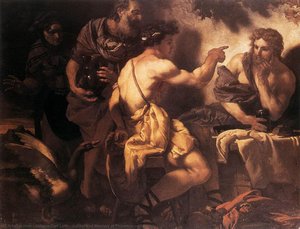
johann karl loth
1632 - 1698
Datos clave
- Artistic Movement Or Style: Baroque
- Artists Or Movements Influenced By This Artist: ['Classical Mythology Art']
- Artists Who Influenced This Artist:
- Giovanni Battista Langetti
- Franz Loth
- Date Of Death: 1698
- Full Name: Johann Karl Loth
- Nationality: German
- Notable Artworks:
- Jupiter and Mercury at Philemon and Baucis
- Karl mercury piping to argus
- Holy Family and God the Father
- Place Of Birth: Munich
Artículos relacionados

Giclée Prints: Archival Quality & Aesthetic Nuances for the Discerning Collector
Explore the world of giclée prints with ArtsDot. Learn about archival quality, aesthetic nuances & investment potential. Expert guidance for discerning art collectors seeking museum-quality reproductions and lasting value.

Jacopo Tintoretto: Las 25 Obras Maestras del Genio Veneciano | Arte y Decoración en ArtsDot
Descubre las 25 obras maestras de Jacopo Tintoretto, el genio veneciano del Renacimiento. Explora su arte dramático, composiciones innovadoras y paleta vibrante. Reproducciones de alta calidad en ArtsDot.com para transformar tu hogar.

The Enduring Legacy of Fine Art Prints: Technique, History & Aesthetic Impact
Explore the rich history & techniques of fine art prints. Discover investment potential, assess authenticity, and learn how to preserve your collection with expert guidance. Trusted insights for discerning collectors.

Los 10 Maestros del Barroco Holandés: Obras que Definen una Época | ArtsDot
Descubre los 10 imprescindibles del Barroco holandés: Rembrandt, Vermeer y más. Explora la historia, técnica y belleza de estas obras maestras. Reproducciones de arte en ArtsDot.com para decorar tu hogar con elegancia.

Drama Barroca: Llevando la Grandeza y la Emoción a los Interiores Contemporáneos
Descubre cómo el drama y la grandeza del arte barroco pueden transformar tus interiores. Guía experta, inspiración y reproducciones de alta calidad en .