

 Ver en contexto
 Enviar
 Compartir
 Detalles

 Descargar
 Similares
 Radiografía
 Presentación de diapositivas
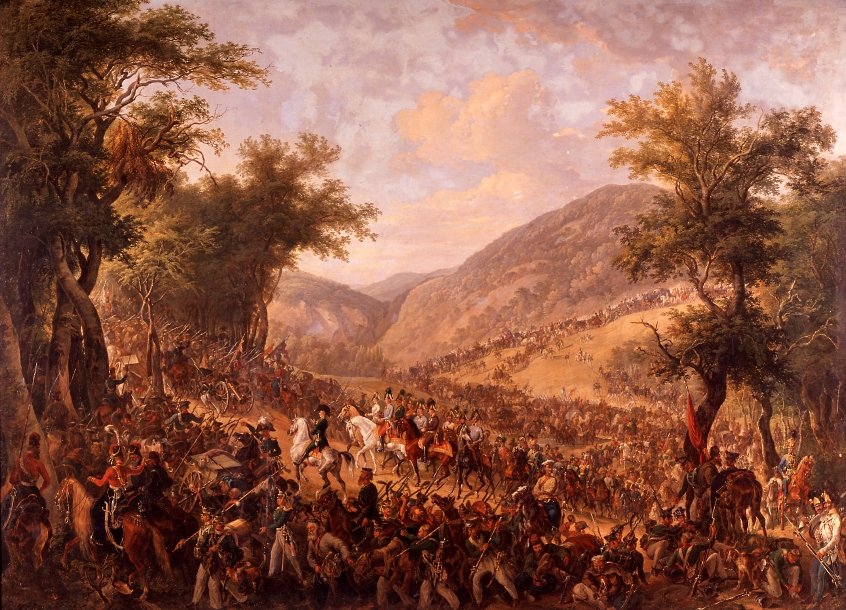
Der Übergang Über Die Vogesen
 Ver más
Reproducción al óleo hecha a mano
Óleo sobre lienzo pintado a mano en el tamaño y marco de su elección, realizado por encargo por nuestros artistas. ( Comprar impresión Comprar imagen)




































Elija entre nuestros tamaños predefinidos que respetan las proporciones originales de la obra.

Puede ingresar sus propias dimensiones para adaptarse a un marco o espacio específico. Si el tamaño seleccionado no coincide con las proporciones de la imagen original, recortaremos la obra o extenderemos la pintura con elementos adicionales pintados a mano. Se le enviará una maqueta digital para su aprobación antes de comenzar la producción.
Tenga en cuenta que la vista previa en pantalla no refleja el recorte o la extensión reales. Solo la maqueta mostrará con precisión la composición final.
Si bien existen tamaños personalizados, recomendamos seleccionar una dimensión de la lista predefinida para preservar las proporciones originales.
Tras realizar el pedido, el equipo de ArtsDot.com enviará un correo electrónico al cliente para solicitar instrucciones y proporcionarle una vista previa del boceto.
Envío a todo el mundo () en 3-4 semanas en lugar de las 5 semanas estándar. (25 agosto). Sin comprometer la calidad.

Envío exprés gratuito a todo el mundo

Lienzo de lino de alta calidad

Seguro de envío total

Garantía de reembolso de impuestos aduaneros

Garantía de fidelidad cromática exacta

Política de devolución de 60 días (solo por defectos)

Garantía de devolución del 100% del dinero

Descuento por cantidad
 La opción de vidrio solo está disponible en tamaños inferiores a 110 cm.

Der Übergang Über Die Vogesen
Técnica de reproducción
Dimensiones de la reproducción
-


Precio total final
$ 263
Obras relacionadas




Biografía del artista
Johann Nepomuk Hoechle: A Pioneer of Military Art
Johann Nepomuk Hoechle (1790-1835) stands as a singular figure in Austrian art history—a painter whose unwavering devotion to capturing the dynamism and drama of military action solidified his place among the foremost practitioners of his time. Born in Munich, he descended from an artistic lineage that traced back to Switzerland, where his father, Johann Baptist Hoechle, served as court painter for the Habsburg monarchy, instilling in young Johann Nepomuk a profound appreciation for visual storytelling and meticulous observation. Recognizing his innate talent early on, Hoechle’s apprenticeship with Ferdinand Kobell, a renowned engraver and etcher, provided him with invaluable technical skills—a foundation upon which he would build his distinctive artistic style. Kobell's untimely demise in 1800 propelled Hoechle’s father to relocate him to Vienna, where the Academy of Fine Arts became his formative environment. Under the tutelage of Heinrich Friedrich Füger and Michael Wutky—luminaries of history painting and landscape artistry respectively—Hoechle honed his artistic sensibilities and mastered the techniques necessary for ambitious compositions. This academic grounding profoundly shaped his subsequent career, influencing his stylistic choices and fostering a commitment to portraying historical events with accuracy and emotional resonance. The influence of Wilhelm von Braun was particularly notable; Hoechle’s father's insistence on studying under this esteemed landscape painter instilled in him an appreciation for capturing the grandeur and subtleties of nature—a sensibility that would permeate his artistic endeavors. The burgeoning fascination with Ignace Duvivier, a celebrated French marine and military artist who captivated Hoechle’s imagination during his Viennese sojourn, proved particularly transformative. Duvivier's masterful depictions of battle scenes—characterized by dramatic lighting, dynamic movement, and psychological depth—served as an inspiration for Hoechle, propelling him to undertake sketches of the Battle of Aspern in 1809 from a hillside near Heiligenstadt. This daring undertaking underscored his willingness to confront challenging subjects with unflinching honesty and artistic ambition. It was during this period that he meticulously documented the siege of Vienna by Napoleon’s forces—a testament to his dedication to portraying historical realities with meticulous detail. A brush with danger – arrest by French soldiers believing him to be a spy – unexpectedly propelled Hoechle into the spotlight, demonstrating his persuasive abilities and securing his release through diplomatic intervention. Subsequently, he pursued further studies in military art, diligently preparing for the momentous events unfolding across Europe during Napoleon’s reign. His meticulous renderings of pivotal moments—including the crossing of the Vosges Mountains following Leipziger Friedenskongress—became celebrated canvases reflecting the fervor and urgency of the era. Hoechle's artistic vision was firmly rooted in the Romantic tradition, mirroring the period’s preoccupation with emotion, imagination, and the sublime beauty of nature. Perhaps Hoechle's most enduring legacy resides in his portrayal of Ludwig van Beethoven – a portrait imbued with palpable empathy and capturing the composer’s contemplative spirit as he succumbed to illness in 1827 within the “Schwarzwaldhaus.” This poignant depiction exemplifies Hoechle’s ability to convey profound emotion through subtle gestures and nuanced expressions. It is considered one of his finest achievements, demonstrating his mastery of psychological realism and artistic sensitivity. Finally, Hoechle's acceptance of his father’s mantle as court painter in 1833 signaled a continuation of artistic tradition—though his untimely demise just two years later tragically curtailed his creative journey. Despite his brief career, Johann Nepomuk Hoechle remains an artist whose contribution to military art and historical painting continues to inspire admiration and scholarly inquiry.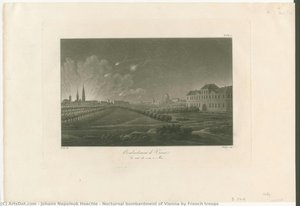
Johann Nepomuk Hoechle
1790 - 1835 , Alemania
Datos clave
- Artistic Movement Or Style: Military art
- Artists Who Influenced This Artist: ['Ignace Duvivier']
- Date Of Birth: 1790, Munich
- Date Of Death: 1835, Vienna
- Full Name: Johann Nepomuk Hoechle
- Nationality: Austrian
- Notable Artworks:
- Crossing Vosges
- Beethoven's Room
- Place Of Birth: Germany (Munich)

