 Ver en contexto
 Enviar
 Compartir
 Detalles

 Descargar
 Similares
 Radiografía
 Presentación de diapositivas
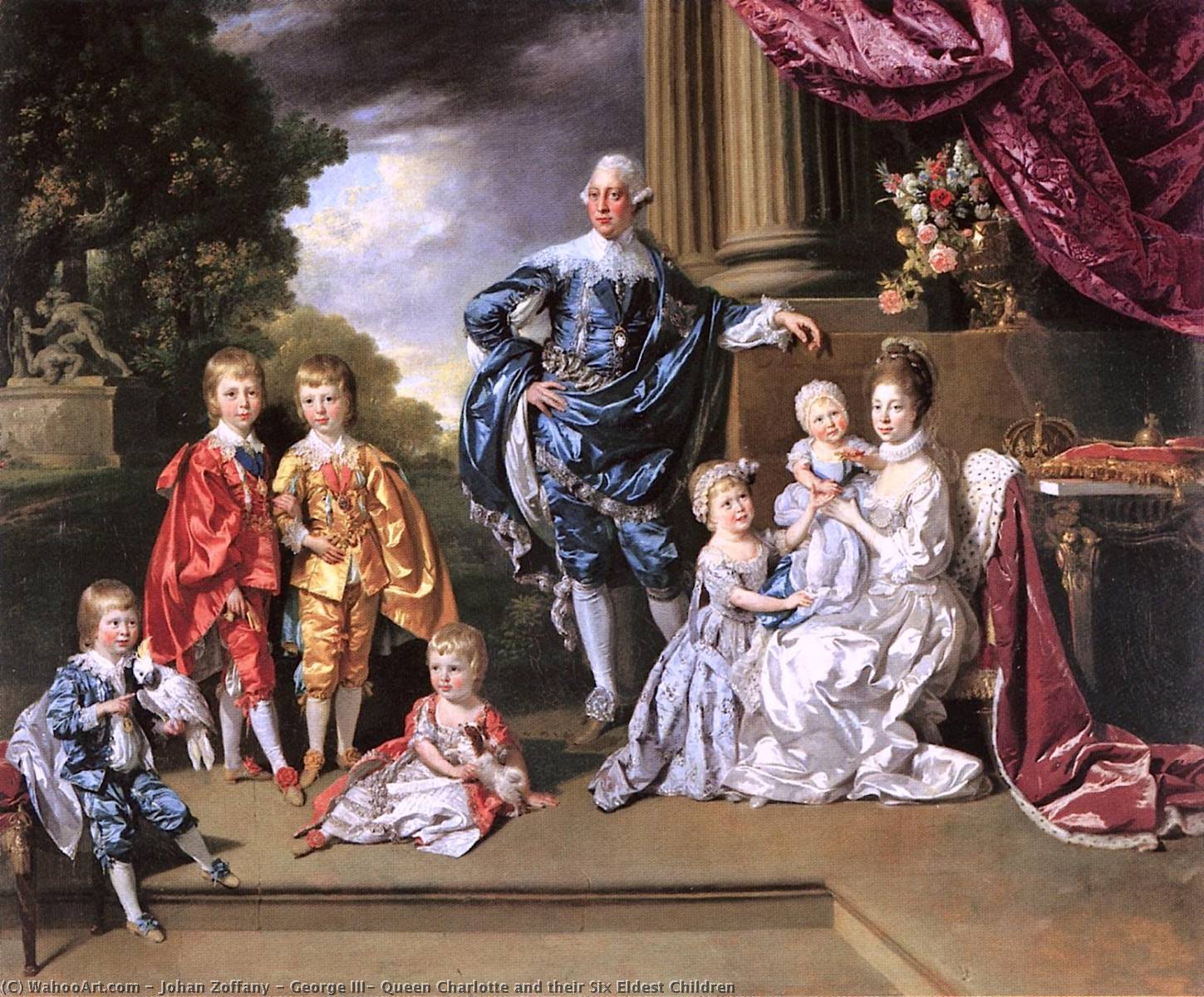
George III, Queen Charlotte and their Six Eldest Children


 Ver más
Reproducción al óleo hecha a mano
Óleo sobre lienzo pintado a mano en el tamaño y marco de su elección, realizado por encargo por nuestros artistas. ( Comprar impresión Comprar imagen)




P118B $10

P118H $10

P118W $10

P438Z $10

P508JH $12

P508YH $12

P805H $10

P805Z $10

P919BZ $10

P919G $10

P919XJ $10

P959ZH $10

P968JZ $12

W106C $8

W218G $10

W218JH $8

W218Y $10

W307PJ $10

W316G $10

W316PJ $8

W316Y $10

W398PJ $8

W4111J $10

W500HY $15

W500JH $15

W692G $12

W849H $8

W940BG $15

W953PJ $8




Elija entre nuestros tamaños predefinidos que respetan las proporciones originales de la obra.

Puede ingresar sus propias dimensiones para adaptarse a un marco o espacio específico. Si el tamaño seleccionado no coincide con las proporciones de la imagen original, recortaremos la obra o extenderemos la pintura con elementos adicionales pintados a mano. Se le enviará una maqueta digital para su aprobación antes de comenzar la producción.
Tenga en cuenta que la vista previa en pantalla no refleja el recorte o la extensión reales. Solo la maqueta mostrará con precisión la composición final.
Si bien existen tamaños personalizados, recomendamos seleccionar una dimensión de la lista predefinida para preservar las proporciones originales.
Tras realizar el pedido, el equipo de ArtsDot.com enviará un correo electrónico al cliente para solicitar instrucciones y proporcionarle una vista previa del boceto.
Envío a todo el mundo () en 3-4 semanas en lugar de las 5 semanas estándar. (27 agosto). Sin comprometer la calidad.

Envío exprés gratuito a todo el mundo

Lienzo de lino de alta calidad

Seguro de envío total

Garantía de reembolso de impuestos aduaneros

Garantía de fidelidad cromática exacta

Política de devolución de 60 días (solo por defectos)

Garantía de devolución del 100% del dinero

Descuento por cantidad
 La opción de vidrio solo está disponible en tamaños inferiores a 110 cm.

George III, Queen Charlotte and their Six Eldest Children
Técnica de reproducción
Dimensiones de la reproducción
-


Precio total final
$ 263
Descripción de la obra
A Window into Georgian Grandeur: Zoffany’s Family Tapestry
Johann Zoffany's “George III, Queen Charlotte and their Six Eldest Children,” painted in 1770, isn’t merely a portrait; it’s a meticulously constructed tableau vivant – a staged scene brimming with social commentary, artistic ambition, and the quiet drama of royal family life. The painting captures a moment frozen in time within the opulent confines of Buckingham House, then a relatively modest residence for the young King George III and his burgeoning family. Zoffany, a German-born painter who had established himself in London’s art scene, masterfully employed the ‘conversation piece’ format – a popular trend that favored informal group portraits, often incorporating elements of theatricality and displaying an interest in interior design and collecting. This particular work transcends simple representation; it's a carefully orchestrated illusion, inviting viewers to speculate on the relationships between the figures and decipher the subtle clues embedded within the composition.
- The Setting: The backdrop is a meticulously rendered Italian room – a deliberate nod to the fashionable interiors of the era. Notice the rich fabrics, the antique furniture (including a striking violoncello), and the carefully arranged objects like the vase of flowers and the collection of musical instruments. These weren’t simply decorative elements; they were status symbols, reflecting the wealth and refined taste of the royal household.
- The Figures: King George III, depicted in his early thirties, exudes a studied composure – a mask concealing perhaps the anxieties of leadership. Queen Charlotte, radiating elegance and grace, is presented as a model of domestic virtue. Their six eldest children are arranged around them, each rendered with remarkable detail, capturing their individual personalities and ages.
- The Illusion: Zoffany’s genius lies in his ability to create an illusion of naturalness. The figures appear engaged in conversation, yet the scene is entirely staged. A young man, likely a student or aspiring artist, stands partially obscured behind the Queen, suggesting a deliberate inclusion designed to add depth and intrigue to the composition.
Theatricality and Symbolism: Decoding Zoffany’s Masterstroke
Zoffany's work is deeply rooted in theatrical conventions, reflecting the burgeoning popularity of the London stage during the 18th century. The arrangement of figures mimics a scene from a play – a carefully choreographed performance designed to impress and entertain. The inclusion of the violoncello, a favored instrument of the aristocracy, symbolizes musical refinement and intellectual pursuits. Furthermore, the painting is laden with symbolic meaning. The presence of the young man behind Queen Charlotte has been interpreted as representing artistic aspiration or perhaps even a subtle critique of the royal court’s patronage system – suggesting that talent might be overlooked in favor of established connections.
The placement of the figures also holds significance: George III, positioned centrally and commanding attention, embodies authority. Queen Charlotte, seated gracefully beside him, represents domestic stability and virtue. The children, arranged around them, symbolize the future of the dynasty – a lineage destined to rule.A Window into Georgian Society and Artistic Innovation
“George III, Queen Charlotte and their Six Eldest Children” offers a fascinating glimpse into Georgian society—its values, its aspirations, and its artistic sensibilities. Zoffany’s innovative approach to portraiture – his willingness to incorporate theatrical elements and create complex compositions – pushed the boundaries of the genre. He wasn't simply recording likenesses; he was crafting narratives, exploring themes of family, status, and social interaction. The painting is a testament to his skill as a painter and his keen understanding of the cultural landscape of 18th-century England.
Bringing Zoffany’s Vision to Life: A Hand-Painted Reproduction
Today, a high-quality hand-painted reproduction of “George III, Queen Charlotte and their Six Eldest Children” offers a remarkable opportunity to experience the artistry and sophistication of this iconic work. Each brushstroke meticulously recreates Zoffany’s original composition, capturing the richness of color, the subtle nuances of expression, and the captivating atmosphere of the royal salon. This reproduction serves not only as a beautiful piece of art but also as a portal into a bygone era—a chance to connect with the grandeur and intrigue of Georgian England.
Obras relacionadas
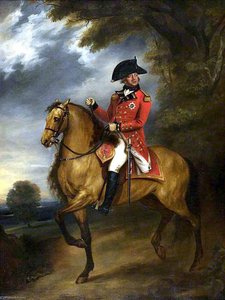
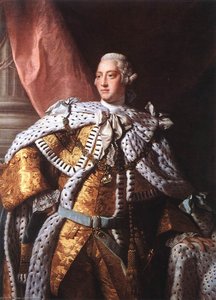
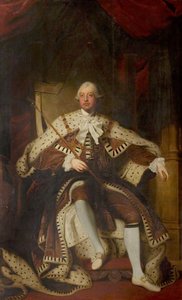
Biografía del artista
Johann Zoffany: Vida y Legado
Primeros Años y Formación
Johann Zoffany, nacido Johannes Josephus Zaufallij en 1733 en Freiburg, Alemania, fue un pintor que alcanzó renombre principalmente en Inglaterra e Italia. Los detalles de su infancia temprana son escasos, pero se sabe que recibió formación artística desde una edad temprana. Inicialmente, estuvo aprendiz con un escultor, posiblemente Melchior Paulus en Ellwangen, antes de estudiar con Martin Speer en Regensburg. Este período fundamental sentó las bases para su futura carrera.
Viaje a Italia y Inglaterra
En 1750, Zoffany viajó a Roma, entrando al estudio de Agostino Masucci donde perfeccionó sus habilidades dentro de la tradición artística italiana. Posteriormente, se mudó a Inglaterra en 1760, apoyándose inicialmente en la creación de diseños decorativos para relojes fabricados por Stephen Rimbault. Este período marcó un punto de inflexión ya que comenzó a establecer conexiones y ganar reconocimiento en el ambiente artístico de Londres.
Patrocinio Real y Desarrollo Artístico
Zoffany rápidamente atrajo la atención del Rey Jorge III y la Reina Carlota, convirtiéndose en un retratista favorito de la familia real. Su habilidad para capturar momentos informales – como La Reina Carlota y sus dos hijos mayores (1765) – lo distinguió de los pintores de corte más formales. También era popular con la familia imperial austríaca y recibió el título de barón del Sacro Imperio Romano Germánico en 1776 por la Emperatriz María Teresa.
El Maestro de las ‘Conversaciones’
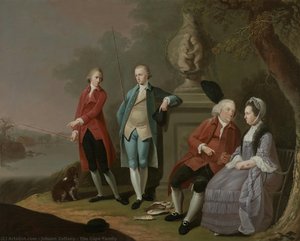
Zoffany se hizo famoso por sus “conversaciones”, o *conversazioni* – retratos informales de grupos que representan reuniones sociales. Destacó en la captura de las personalidades e interacciones dentro de estos escenarios, a menudo presentando figuras destacadas de la sociedad, el teatro y la literatura. Sus obras como La Familia Cope (1775) ejemplifican este estilo, ofreciendo vislumbres de la vida de sus mecenas.
Logros Importantes y Obras Notables
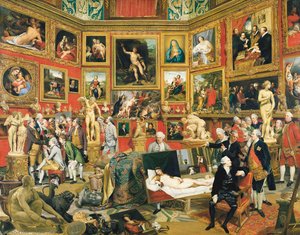
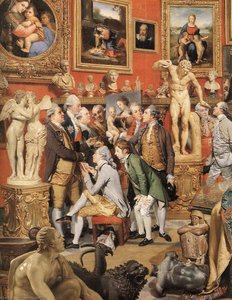
- Tribuna de la Uffizi (1772-1778): Tal vez su obra más famosa, una representación meticulosamente detallada de la Galería Uffizi en Florencia.
- Dr William Hunter Enseñando Anatomía en la Academia Real (1779): Una fascinante representación de la educación médica e investigación científica.
- Jorge III (1771): Un retrato regio que muestra el poder y la elegancia del Rey.
- El Partido de Pollos del Coronel Mordaunt (1784-1786): Una representación vibrante de la vida colonial en la India, capturando un evento cultural único.
Años en la India y Vida Tardía
Desde 1783 hasta 1789, Zoffany residió en la India, donde pintó retratos de figuras prominentes como Warren Hastings y Asaf-ud-Daula. Sus experiencias allí influyeron en su estilo artístico y tema. Una historia notable de este período involucra un naufragio frente a las islas Andamanitas, donde los supervivientes recurrieron a medidas extremas para sobrevivir.
Influencias y Legado
La obra de Zoffany refleja influencias tanto de la precisión alemana como del arte italiano. Se vio influenciado por artistas como Agostino Masucci y se inspiró en la tradición barroca. Su estilo, a su vez, influyó a los contemporáneos y a los artistas posteriores interesados en el retrato y el comentario social. Puenteó tradiciones artísticas e hizo un impacto duradero en el arte del siglo XVIII.
Significado Histórico
Las pinturas de Johann Zoffany proporcionan valiosas perspectivas sobre las costumbres sociales, la vida intelectual y los valores culturales de su tiempo. Sus “conversaciones” ofrecen retratos íntimos de individuos destacados y su mundo, mientras que sus representaciones de la India contribuyen a nuestra comprensión de la historia colonial. Sigue siendo una figura significativa en la historia del arte, celebrado por su habilidad técnica, observaciones perspicaces y visión artística única.
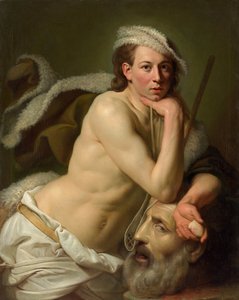
johann zoffany
1733 - 1810 , Alemania
Datos clave
- Artistic Movement Or Style: Neoclassicismo
- Artists Who Influenced This Artist:
- Agostino Masucci
- Martin Speer
- Date Of Birth: 1733
- Full Name: Johann Zoffany
- Nationality: Alemania
- Notable Artworks:
- Tribuna de la Uffizi
- Dr William Hunter Enseñando Anatomía en la Academia Real
- Jorge III
- El Partido de Pollos del Coronel Mordaunt
- Place Of Birth: Frankfurt, Alemania
Artículos relacionados

Georges Braque: Las 25 Obras Maestras del Cubismo y su Legado en el Arte Moderno
Descubre las 25 obras maestras de Georges Braque, pionero del cubismo. Explora su innovadora técnica, colores y el legado del arte moderno francés. Reproducciones de alta calidad en ArtsDot.com. ¡Encuentra tu inspiración!

Georges Seurat: Las 25 Obras Maestras del Pionero Puntillista | ArtsDot
Descubre las 25 obras maestras de Georges Seurat, el innovador del puntillismo. Explora su técnica única, colores vibrantes y legado artístico en ArtsDot.com. Reproducciones de arte de museo para tu hogar.
Evolución de los Retratos: El Arte Personalizado como Crónica de la Vida Familiar a Través de las Generaciones
Descubre la evolución del retrato familiar y cómo convertir tus recuerdos en obras de arte atemporales. Pinturas al óleo personalizadas por artistas expertos. ¡Preserva tu legado con ArtsDot!
The Enduring Legacy of Family Portraiture: A Historical & Artistic Exploration
Explore the rich history of family portraiture with ArtsDot. Discover artistic styles, symbolism & collecting insights. Commission a custom oil painting or appraise your existing artwork today!
Ecos de la Ancestralidad: Retratos Familiares a Través de la Historia
Descubra la historia y el simbolismo del retrato familiar a través de los siglos. En , revive tu legado con reproducciones y comisiones personalizadas.