 Ver en contexto
 Enviar
 Compartir
 Detalles

 Descargar
 Similares
 Radiografía
 Presentación de diapositivas
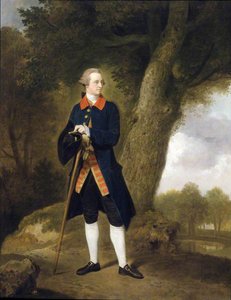
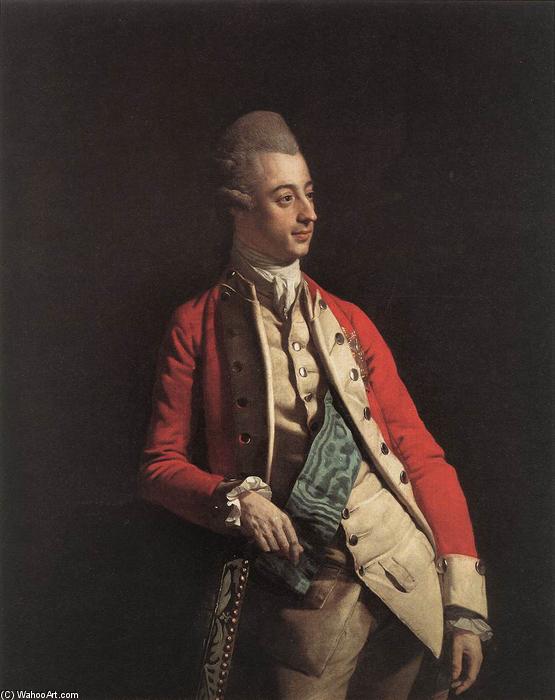
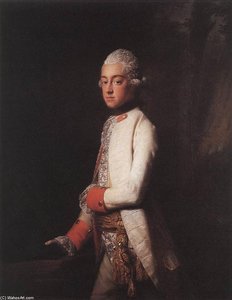
Prince Ernest Gottlob Albert of Mecklenburg-Strelitz
 Acrylic On Canvas
- WallArt
- Rococo / Conversation Piece
 1772
1772 125.0 x 100.0 cm
 Colección Real
 Ver más
Reproducción al óleo hecha a mano
Óleo sobre lienzo pintado a mano en el tamaño y marco de su elección, realizado por encargo por nuestros artistas. ( Comprar impresión Comprar imagen)




P118B $10

P118H $10

P118W $10

P438Z $10

P508JH $12

P508YH $12

P805H $10

P805Z $10

P919BZ $10

P919G $10

P919XJ $10

P959ZH $10

P968JZ $12

W106C $8

W218G $10

W218JH $8

W218Y $10

W307PJ $10

W316G $10

W316PJ $8

W316Y $10

W398PJ $8

W4111J $10

W500HY $15

W500JH $15

W692G $12

W849H $8

W940BG $15

W953PJ $8




Elija entre nuestros tamaños predefinidos que respetan las proporciones originales de la obra.

Puede ingresar sus propias dimensiones para adaptarse a un marco o espacio específico. Si el tamaño seleccionado no coincide con las proporciones de la imagen original, recortaremos la obra o extenderemos la pintura con elementos adicionales pintados a mano. Se le enviará una maqueta digital para su aprobación antes de comenzar la producción.
Tenga en cuenta que la vista previa en pantalla no refleja el recorte o la extensión reales. Solo la maqueta mostrará con precisión la composición final.
Si bien existen tamaños personalizados, recomendamos seleccionar una dimensión de la lista predefinida para preservar las proporciones originales.
Tras realizar el pedido, el equipo de ArtsDot.com enviará un correo electrónico al cliente para solicitar instrucciones y proporcionarle una vista previa del boceto.
Envío a todo el mundo () en 3-4 semanas en lugar de las 5 semanas estándar. (3 septiembre). Sin comprometer la calidad.

Envío exprés gratuito a todo el mundo

Lienzo de lino de alta calidad

Seguro de envío total

Garantía de reembolso de impuestos aduaneros

Garantía de fidelidad cromática exacta

Política de devolución de 60 días (solo por defectos)

Garantía de devolución del 100% del dinero

Descuento por cantidad
 La opción de vidrio solo está disponible en tamaños inferiores a 110 cm.

Prince Ernest Gottlob Albert of Mecklenburg-Strelitz
Técnica de reproducción
Dimensiones de la reproducción
-


Precio total final
$ 263
The Enigmatic Prince: Johann Zoffany’s Masterpiece
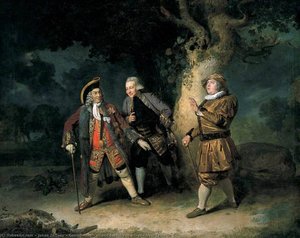
Johann Zoffany's "Prince Ernest Gottlob Albert of Mecklenburg-Strelitz" is more than a simple royal portrait; it’s a meticulously constructed tableau vivant, a frozen moment brimming with social commentary and subtle theatricality. Painted in 1772 for the court of Frederick II, King of Prussia, the work immediately captivates with its opulent setting – a richly appointed interior reminiscent of an Italian villa, complete with a grand violin, a collection of antique maps, and a scattering of classical sculptures. Yet, it’s not merely the luxurious details that hold the viewer's attention; it is the carefully arranged figures, each imbued with distinct personalities and gestures, that reveal Zoffany’s genius.
The central figure, Prince Ernest himself, stands as a study in aristocratic composure. Dressed in a vibrant red coat adorned with white lace cuffs – a deliberate choice signifying his noble status – he holds a sword and a cane, emblems of both military prowess and refined courtly manners. His gaze is direct, yet subtly enigmatic, inviting the viewer to contemplate his character and role within the complex tapestry of European society. Around him, a diverse cast of characters unfolds: a young woman, likely a lady-in-waiting, engaged in conversation with a gentleman who appears to be a musician; a scholar poring over maps, suggesting intellectual pursuits; and a young boy, perhaps a page, observing the scene with wide-eyed curiosity. Zoffany’s skill lies not just in capturing likenesses but in conveying atmosphere and relationships through subtle visual cues – the tilt of a head, the angle of a hand, the fleeting expressions on faces.
A Conversation Piece: Theatricality and Social Commentary
Zoffany was a pioneer of the ‘conversation piece,’ a genre that flourished in 18th-century England. These paintings were designed to be viewed and discussed, offering a glimpse into the lives and social interactions of the wealthy elite. “Prince Ernest Gottlob Albert” exemplifies this approach perfectly. The composition isn’t simply a portrait; it's a staged scene, a miniature drama unfolding before the viewer’s eyes. The inclusion of musical instruments – particularly the violin – was a popular motif in conversation pieces, symbolizing refinement and intellectualism. The maps represent knowledge and exploration, while the sculptures allude to classical ideals of beauty and virtue.
Furthermore, Zoffany masterfully employs visual storytelling. The placement of figures creates a sense of movement and interaction, suggesting a lively exchange of ideas and sentiments. The young boy’s presence hints at the future generation, while the scholar's focus on maps speaks to the burgeoning spirit of scientific inquiry during the Enlightenment. It is believed that Zoffany used elements from other paintings, such as “The Death of Captain James Cook” by John Webb, adding layers of meaning and referencing established artistic traditions.
Technique and Historical Context
Style & Technique:- Neoclassicism: Zoffany’s work embodies the principles of Neoclassicism, characterized by its emphasis on order, clarity, and rational composition.
- Chiaroscuro: He skillfully employs chiaroscuro – the dramatic contrast between light and shadow – to create depth and volume, highlighting key figures and adding a sense of drama to the scene.
- Detailed Realism: Zoffany was renowned for his meticulous attention to detail, evident in the rendering of fabrics, textures, and individual features.
Painted during the reign of Frederick II, “Prince Ernest Gottlob Albert” reflects the cosmopolitan atmosphere of Prussia’s court. Frederick II, known as the "Great King," was a patron of the arts and sciences, fostering an environment of intellectual exchange and cultural innovation. The painting serves as a testament to his sophisticated tastes and his desire to project an image of power and refinement. The work also provides insight into the social dynamics of the era – the importance of lineage, education, and artistic patronage in shaping one’s status and influence.
Symbolism and Emotional Resonance
Beyond its surface details, “Prince Ernest Gottlob Albert” is rich in symbolism. The Prince's posture and attire convey a sense of authority and dignity, while his direct gaze suggests confidence and self-awareness. The inclusion of various objects – the violin, the maps, the sculptures – represents different facets of aristocratic life: music, knowledge, and classical ideals. The painting’s overall effect is one of understated elegance and intellectual curiosity. It invites viewers to contemplate not only the Prince's individual character but also the broader social and cultural context in which he lived.
Obras relacionadas
Biografía del artista
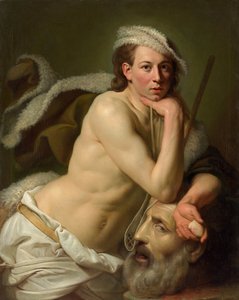
Johann Zoffany: Vida y Legado
Primeros Años y Formación
Johann Zoffany, nacido Johannes Josephus Zaufallij en 1733 en Freiburg, Alemania, fue un pintor que alcanzó renombre principalmente en Inglaterra e Italia. Los detalles de su infancia temprana son escasos, pero se sabe que recibió formación artística desde una edad temprana. Inicialmente, estuvo aprendiz con un escultor, posiblemente Melchior Paulus en Ellwangen, antes de estudiar con Martin Speer en Regensburg. Este período fundamental sentó las bases para su futura carrera.
Viaje a Italia y Inglaterra
En 1750, Zoffany viajó a Roma, entrando al estudio de Agostino Masucci donde perfeccionó sus habilidades dentro de la tradición artística italiana. Posteriormente, se mudó a Inglaterra en 1760, apoyándose inicialmente en la creación de diseños decorativos para relojes fabricados por Stephen Rimbault. Este período marcó un punto de inflexión ya que comenzó a establecer conexiones y ganar reconocimiento en el ambiente artístico de Londres.
Patrocinio Real y Desarrollo Artístico
Zoffany rápidamente atrajo la atención del Rey Jorge III y la Reina Carlota, convirtiéndose en un retratista favorito de la familia real. Su habilidad para capturar momentos informales – como La Reina Carlota y sus dos hijos mayores (1765) – lo distinguió de los pintores de corte más formales. También era popular con la familia imperial austríaca y recibió el título de barón del Sacro Imperio Romano Germánico en 1776 por la Emperatriz María Teresa.
El Maestro de las ‘Conversaciones’
Zoffany se hizo famoso por sus “conversaciones”, o *conversazioni* – retratos informales de grupos que representan reuniones sociales. Destacó en la captura de las personalidades e interacciones dentro de estos escenarios, a menudo presentando figuras destacadas de la sociedad, el teatro y la literatura. Sus obras como La Familia Cope (1775) ejemplifican este estilo, ofreciendo vislumbres de la vida de sus mecenas.
Logros Importantes y Obras Notables
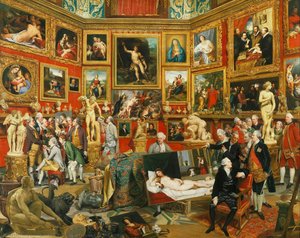
- Tribuna de la Uffizi (1772-1778): Tal vez su obra más famosa, una representación meticulosamente detallada de la Galería Uffizi en Florencia.
- Dr William Hunter Enseñando Anatomía en la Academia Real (1779): Una fascinante representación de la educación médica e investigación científica.
- Jorge III (1771): Un retrato regio que muestra el poder y la elegancia del Rey.
- El Partido de Pollos del Coronel Mordaunt (1784-1786): Una representación vibrante de la vida colonial en la India, capturando un evento cultural único.
Años en la India y Vida Tardía
Desde 1783 hasta 1789, Zoffany residió en la India, donde pintó retratos de figuras prominentes como Warren Hastings y Asaf-ud-Daula. Sus experiencias allí influyeron en su estilo artístico y tema. Una historia notable de este período involucra un naufragio frente a las islas Andamanitas, donde los supervivientes recurrieron a medidas extremas para sobrevivir.
Influencias y Legado
La obra de Zoffany refleja influencias tanto de la precisión alemana como del arte italiano. Se vio influenciado por artistas como Agostino Masucci y se inspiró en la tradición barroca. Su estilo, a su vez, influyó a los contemporáneos y a los artistas posteriores interesados en el retrato y el comentario social. Puenteó tradiciones artísticas e hizo un impacto duradero en el arte del siglo XVIII.
Significado Histórico
Las pinturas de Johann Zoffany proporcionan valiosas perspectivas sobre las costumbres sociales, la vida intelectual y los valores culturales de su tiempo. Sus “conversaciones” ofrecen retratos íntimos de individuos destacados y su mundo, mientras que sus representaciones de la India contribuyen a nuestra comprensión de la historia colonial. Sigue siendo una figura significativa en la historia del arte, celebrado por su habilidad técnica, observaciones perspicaces y visión artística única.
johann zoffany
1733 - 1810 , Alemania
Datos clave
- Artistic Movement Or Style: Neoclassicismo
- Artists Who Influenced This Artist:
- Agostino Masucci
- Martin Speer
- Date Of Birth: 1733
- Full Name: Johann Zoffany
- Nationality: Alemania
- Notable Artworks:
- Tribuna de la Uffizi
- Dr William Hunter Enseñando Anatomía en la Academia Real
- Jorge III
- El Partido de Pollos del Coronel Mordaunt
- Place Of Birth: Frankfurt, Alemania
Artículos relacionados
The Grandeur of Baroque Portraiture: Power, Emotion & Artistic Innovation
Explore the grandeur of Baroque portraiture! Discover Rubens, Van Dyck & the masters of 17th-century art. Uncover symbolism, techniques & lasting influence. Expert insights for collectors and enthusiasts.

Barroco Sublime: 10 Obras Maestras que Definieron una Época |
Descubre las 10 obras maestras del Barroco que marcaron una época. Caravaggio, Bernini y Velázquez cobran vida en . Reproducciones de arte de calidad museo para decorar tu hogar con elegancia. ¡Explora la colección online!

Drama Barroca: Llevando la Grandeza y la Emoción a los Interiores Contemporáneos
Descubre cómo el drama y la grandeza del arte barroco pueden transformar tus interiores. Guía experta, inspiración y reproducciones de alta calidad en .

The Dramatic Flourish: Exploring the Baroque Movement's Enduring Legacy in Art History
Explore the dramatic world of Baroque art! Discover iconic artists like Caravaggio & Rubens, defining techniques, and its lasting impact on art history. Expert insights for collectors & enthusiasts at ArtsDot.
Johann Zoffany: Capturing Georgian Society with Brushstrokes of Cosmopolitan Flair
Explore the captivating world of Johann Zoffany, master portraitist of Georgian society. Discover his unique 'conversation pieces,' imperial commissions & lasting legacy. A guide for discerning collectors.