

 Ver en contexto
 Enviar
 Compartir
 Detalles

 Descargar
 Similares
 Radiografía
 Presentación de diapositivas
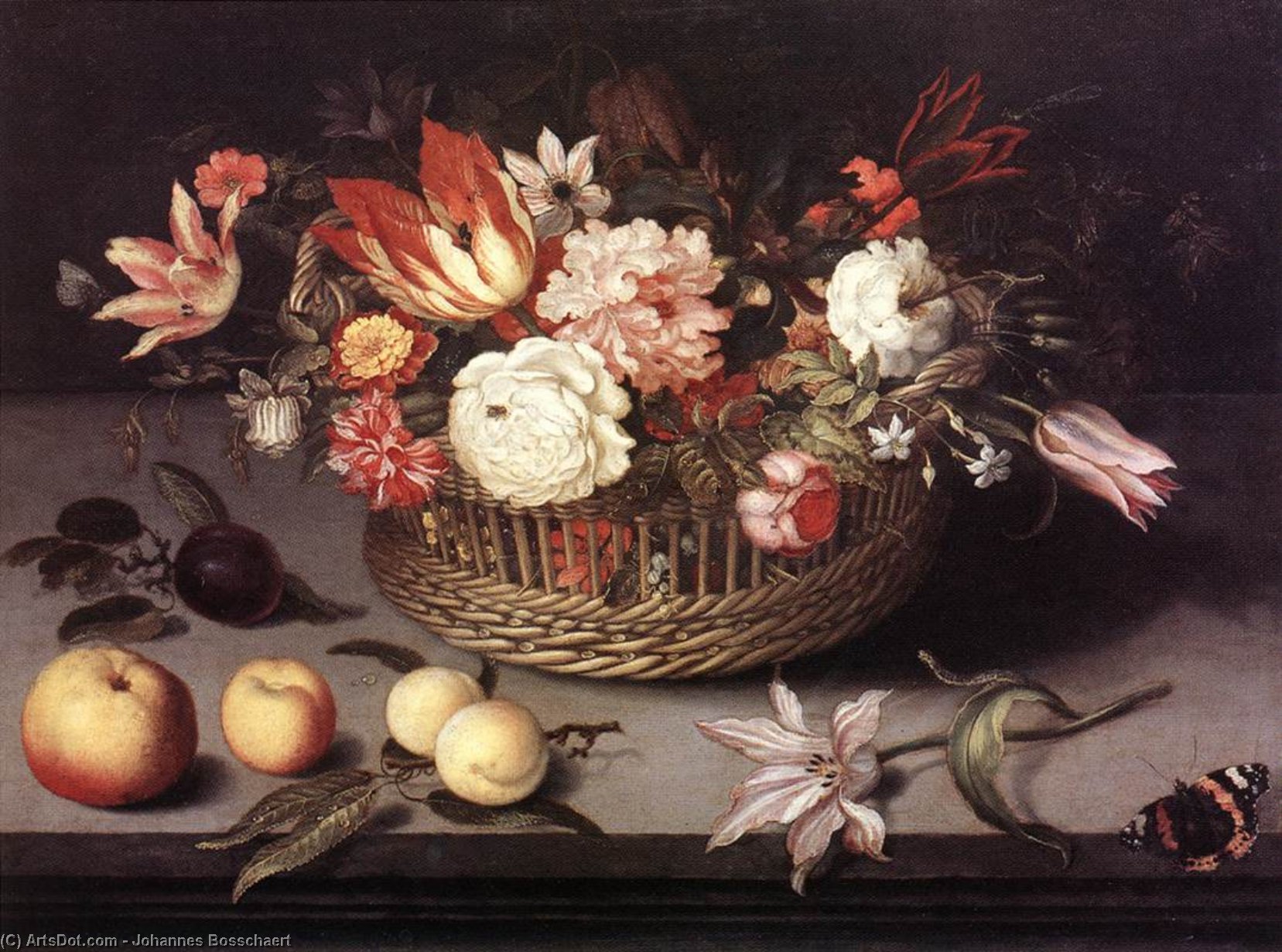
Basket of Flowers
 Oil On Canvas
- WallArt
- Baroque Still Life
 34.0 x 45.0 cm
 Museo del Louvre
 Ver más
Adquiera una imagen digital de alta resolución y optimizada, muy superior a la vista previa en línea.
Cada archivo es preparado meticulosamente por nuestros especialistas internos mediante el uso de herramientas avanzadas y un experto retoque manual. Nos aseguramos de que cada imagen posea una claridad excepcional, una precisión cromática impecable y un detalle minucioso.
El archivo final se entrega por correo electrónico en un plazo de 72 horas, optimizado para su uso inmediato en entornos profesionales, editoriales y de impresión. Esta es la misma calidad en la que confían los estudios de diseño, las editoriales y las galerías de primer nivel.
Imagen Digital
Descarga un archivo de alta resolución para exhibición personal, impresión y proyectos creativos. ( Comprar impresión Comprar pintura hecha a mano)
Incluido en cada pedido de imágenes digitales
Entrega digital experta, garantizada.
Al elegir ArtsDot.com, no solo está adquiriendo una imagen; está recibiendo una obra de arte digital mejorada profesionalmente, elaborada con precisión y respaldada por una garantía de satisfacción. Esto es todo lo que incluye su pedido, automáticamente:

Entrega rápida por email
Recibirá su archivo de imagen digital en alta resolución por correo electrónico en un plazo de 72 horas tras realizar su pedido, listo para su uso inmediato.

Archivo digital optimizado por IA
Su obra de arte se optimiza profesionalmente mediante herramientas avanzadas de IA y edición manual, garantizando el máximo detalle, claridad y precisión cromática.

Reenvío gratuito de por vida
¿Has borrado o perdido tu archivo por error? No te preocupes: te lo volveremos a enviar en cualquier momento, sin coste adicional.

Sin gastos de importación, siempre
Disfrute de su obra de arte al instante sin aduanas, aranceles ni gastos de envío; las descargas digitales siempre están libres de impuestos.

Garantía de fidelidad de color
Garantizamos que su imagen digital refleje los colores originales con la mayor fidelidad posible, mediante el uso de herramientas profesionales y gestión del color.

Garantía de satisfacción de 60 días
Si no está satisfecho con su imagen digital, la revisaremos o le reembolsaremos el 100% en un plazo de 60 días, sin preguntas.

100% Garantía de devolución de dinero
¿No está satisfecho? Obtenga un reembolso completo dentro de los 60 días posteriores a la recepción de su archivo digital, sin necesidad de explicaciones.

Descuentos por pedidos grandes
Compra 3 imágenes, ahorra 10% - Compra 5, ahorra 15% - Compra 10+, ahorra 20%. Ideal para proyectos creativos, galerías y agencias.
Descripción del coleccionable
Johannes Bosschaert’s “Basket of Flowers”: A Delicate Dance Between Observation and Illusion
Johannes Bosschaert (1608–1629) stands as one of the most celebrated figures within the burgeoning Dutch flower painting tradition, inheriting and expanding upon the artistic legacy established by his father, Ambrosius Bosschaert the Elder. Born around 1607 in Middelburg, Netherlands—one of three sons—he belonged to a family deeply rooted in the art of depicting botanical subjects, mirroring the stylistic approach of his brother Abraham and uncle Balthasar van der Ast. This familial influence profoundly shaped his artistic trajectory and contributed to the distinctive aesthetic that characterizes his oeuvre. Moving with his family to Bergen op Zoom in 1615 solidified their connection to a vibrant artistic milieu. Subsequently, they relocated again to Utrecht in 1619, though Ambrosius Bosschaert’s untimely death in 1621 necessitated Johannes's entry into the Haarlem Guild of St. Luke in 1623—a crucial step towards establishing his professional career and securing recognition within the artistic community. “Basket of Flowers,” painted circa 1620s, exemplifies Bosschaert’s mastery of chiaroscuro – a technique pioneered during the Baroque era – where light and shadow are skillfully manipulated to create dramatic depth and heighten visual impact. The painting isn't merely a depiction of flowers; it’s an exercise in illusionistic artistry, meticulously crafted to convey not just what is seen but also how it feels. Bosschaert’s meticulous attention to detail—evident in the individual petals rendered with astonishing realism—demonstrates his profound understanding of botanical anatomy and his unwavering commitment to capturing the essence of nature. The artist's use of color is equally noteworthy, employing muted hues that harmonize beautifully against the dark gray background, drawing the viewer’s eye towards the luminous blossoms at the heart of the composition. The artwork itself resides within the Musée du Louvre in Paris, France—a testament to Bosschaert’s enduring influence on European art history. Its placement amongst other masterpieces underscores its significance as a cornerstone of Baroque still life painting. The arrangement of objects – the basket brimming with pink and white flowers interspersed with scarlet accents, alongside strategically positioned apples and delicate leaves – isn't arbitrary; it adheres to established compositional principles designed to create balance and visual interest. Bosschaert’s intention was not simply to represent beauty but to evoke a sense of tranquility and contemplation—a hallmark of Baroque aesthetics that sought to inspire awe and elevate the viewer’s spirit. Further research into Johannes Bosschaert reveals his familial connection to other prominent artists, highlighting the importance of patronage and artistic lineage within 17th-century Holland. His brother Abraham and uncle Balthasar van der Ast were equally accomplished botanists and painters, fostering a collaborative environment that nurtured innovation and stylistic consistency. This shared heritage undoubtedly contributed to Bosschaert’s distinctive approach to depicting floral subjects—characterized by its unwavering fidelity to observation and its masterful manipulation of artistic conventions. The painting's enduring appeal lies in its ability to transport the viewer back to a time when art served as a conduit for intellectual curiosity and spiritual reflection. “Basket of Flowers” remains an exquisite example of Baroque artistry, demonstrating Bosschaert’s unparalleled skill in capturing the sublime beauty of the natural world through meticulous technique and profound artistic vision. Its presence within the Louvre ensures that this timeless masterpiece continues to inspire generations of art lovers worldwide.- Artist: Johannes Bosschaert
- Birth Year: 1608
- Death Year: 1629
- Birth City: Middelburg
- Birth Country: Netherlands
Additional Resources:
Explore the exquisite still lifes of Johannes Bosschaert (1608-1629), a Dutch master of flower painting. Inspired by his family, his works showcase delicate blooms & rich detail.
Visit Basket of Flowers for a detailed examination of the artwork and its historical context.
Discover Jacques Linard’s ‘Basket of Flowers,’ a stunning 17th-century oil painting capturing the beauty of nature’s bounty. A Louvre masterpiece, it showcases delicate brushwork and vibrant colors.
Explore Johannes Bosschaert's legacy on Google Arts & Culture.
Obras relacionadas


Biografía del artista
Johannes Bosschaert (1608–1629): Una Herencia de Flores Delicadas
Johannes Bosschaert fue una figura clave dentro de la creciente tradición pictórica holandesa de flores, heredando y ampliando el legado artístico establecido por su padre, Ambrosius Bosschaert el Viejo. Nacido alrededor de 1607 en Middelburg, Países Bajos—uno de tres hijos— pertenecía a una familia profundamente arraigada en el arte de representar temas botánicos, reflejando el enfoque estilístico de su hermano Abraham y tío Balthasar van der Ast. Esta influencia familiar moldeó profundamente su trayectoria artística y contribuyó a la estética distintiva que caracteriza su obra maestra. Tras trasladarse con su familia a Bergen op Zoom en 1615, esto fortaleció su vínculo con un entorno artístico vibrante. Posteriormente, se mudaron nuevamente a Utrecht en 1619, aunque Ambrosius Bosschaert el Viejo falleció repentinamente en 1621, lo que obligó a Johannes a ingresar en la Gremio de San Lucas de Haarlem en 1623—un paso crucial para establecer su carrera profesional y asegurar membresía hasta 1625. Reconociendo la importancia de la colaboración artística y el apoyo maestro, se unió al Gremio de San Lucas de Dordrecht poco después, demostrando un compromiso con impulsar su oficio dentro de instituciones artísticas establecidas. El estilo artístico de Bosschaert es inmediatamente reconocible por su meticulosa atención al detalle y una representación magistral de composiciones florales. Como su padre y hermanos, adoptó el monograma “jb.” como firma—un testimonio de tradición familiar e identidad artística—. Su obra ejemplifica la fascinación barroca por la belleza natural y la observación científica, reflejando un cambio cultural más amplio hacia ideales humanistas durante el siglo XVII. Notablemente, su hermano Abraham y pintor dordrechtés Jacob Gerritsz Cuyp fueron influenciados significativamente por su visión artística, asegurando así su papel como contribuyente importante al desarrollo del arte botánico holandés. Su producción consistió principalmente en bodegones—principalmente jarrones llenos de flores—a menudo acompañados de frutas o insectos. Estas pinturas son celebradas por sus paletas cromáticas luminosas alcanzadas mediante técnicas innovadoras de barnizado y una sorprendente capacidad para capturar los sutiles matices de textura y forma. Las composiciones de Bosschaert priorizan la claridad y el equilibrio, presentando especímenes botánicos contra fondos oscuros que aumentan su impacto visual. Dominó magistralmente la perspectiva atmosférica para transmitir profundidad y realismo, creando escenas inmersivas que transportaban a los espectadores al reino de la naturaleza. A pesar de su vida relativamente corta—la fecha exacta de su muerte sigue siendo incierta—Johannes Bosschaert dejó una huella imborrable en la historia del arte holandés. Su obra permanece como piedra angular del legado artístico de la familia Bosschaert y ejemplifica el pináculo del arte barroco floral, asegurando así su lugar entre los artistas más venerados de su tiempo. Continúa inspirando a artistas hoy en día con su dedicación a capturar la belleza exquisita del mundo natural mediante una técnica magistral y una visión artística inquebrantable.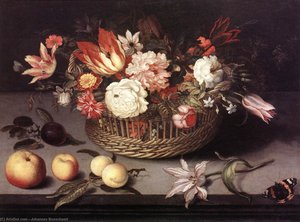
Johannes Bosschaert
1608 - 1629 , Países Bajos
Breves datos
- Artistic Movement Or Style: Baroque floral art
- Artists Or Movements Influenced By This Artist: ['Abraham Bosschaert']
- Artists Who Influenced This Artist:
- Ambrosius Bosschaert the Elder
- Balthasar van der Ast
- Date Of Birth: ca. 1607
- Date Of Death: ca. 1629
- Full Name: Johannes Bosschaert
- Nationality: Dutch
- Notable Artworks:
- Vase de fleurs dans une niche
- Still Life
- Place Of Birth: Middelburg, Netherlands

