 Vista previa
 Compartir
 Compartir
 Ver detalles

 Descargar
 Ver similares
 Radiografía
 Presentación de diapositivas
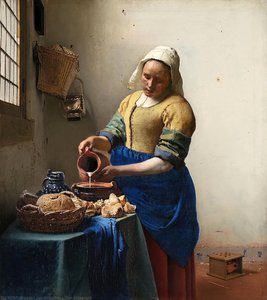
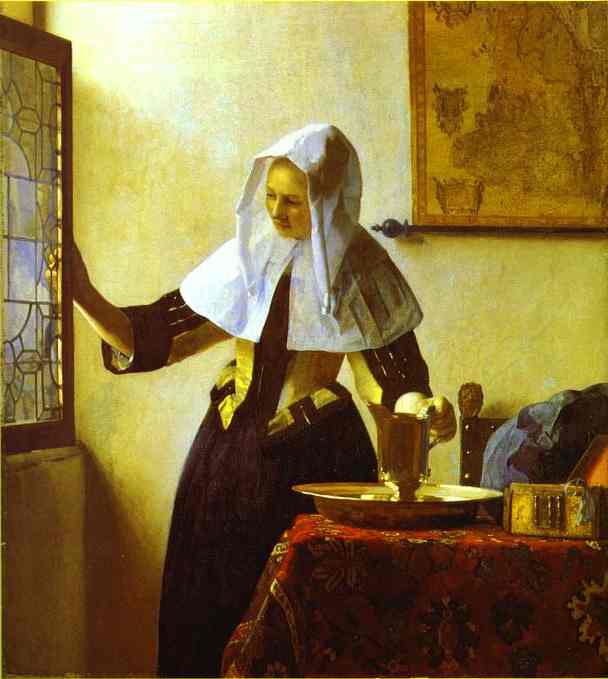
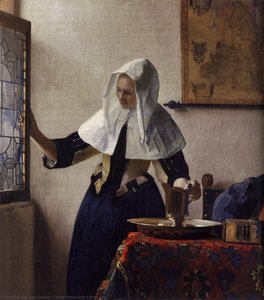
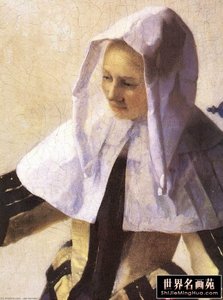
Mujer con un jarro de agua


 Leer más
Reproducción al óleo hecha a mano
Óleo sobre lienzo pintado a mano en el tamaño y marco de su elección, realizado por encargo por nuestros artistas. ( Pedir impresión Comprar descarga)




P118B $10

P118H $10

P118W $10

P438Z $10

P508JH $12

P508YH $12

P805H $10

P805Z $10

P919BZ $10

P919G $10

P919XJ $10

P959ZH $10

P968JZ $12

W106C $8

W218G $10

W218JH $8

W218Y $10

W307PJ $10

W316G $10

W316PJ $8

W316Y $10

W398PJ $8

W4111J $10

W500HY $15

W500JH $15

W692G $12

W849H $8

W940BG $15

W953PJ $8




Elija entre nuestros tamaños predefinidos que respetan las proporciones originales de la obra.

Puede ingresar sus propias dimensiones para adaptarse a un marco o espacio específico. Si el tamaño seleccionado no coincide con las proporciones de la imagen original, recortaremos la obra o extenderemos la pintura con elementos adicionales pintados a mano. Se le enviará una maqueta digital para su aprobación antes de comenzar la producción.
Tenga en cuenta que la vista previa en pantalla no refleja el recorte o la extensión reales. Solo la maqueta mostrará con precisión la composición final.
Si bien existen tamaños personalizados, recomendamos seleccionar una dimensión de la lista predefinida para preservar las proporciones originales.
Tras realizar el pedido, el equipo de ArtsDot.com enviará un correo electrónico al cliente para solicitar instrucciones y proporcionarle una vista previa del boceto.
Envío a todo el mundo () en 3-4 semanas en lugar de las 5 semanas estándar. (22 agosto). Sin comprometer la calidad.

Envío exprés gratuito a todo el mundo

Lienzo de lino de alta calidad

Seguro de envío completo

Garantía de reembolso de aranceles aduaneros

Garantía de fidelidad cromática exacta

Política de devolución de 60 días (solo por defectos)

Garantía de devolución del 100% del dinero

Oferta por volumen
 La opción de vidrio solo está disponible en tamaños inferiores a 110 cm.

Mujer con un jarro de agua
Técnica de reproducción
Tamaño de la reproducción
-


Precio total
$ 263
Descripción de la obra
A Window Into Delft’s Quiet Brilliance: Johannes Vermeer's ‘Young Woman with a Water Jug’
Johannes Vermeer, born in Delft in 1632, stands as one of the most celebrated figures of the Dutch Golden Age—a period defined by artistic fervor and economic prosperity. Yet, despite centuries of scholarly investigation, his life remains shrouded in mystery, leaving us to ponder the genesis of his singular talent and the profound impact of his art. Unlike many artists of his time who embraced grand narratives and theatrical compositions, Vermeer’s oeuvre is characterized by an astonishing restraint—a deliberate focus on domestic interiors bathed in luminous light, populated by figures rendered with breathtaking subtlety. This painting, ‘Young Woman with a Water Jug,’ exemplifies this distinctive approach perfectly. Completed around 1662, it resides within the Metropolitan Museum of Art's collection and represents a pivotal moment in Vermeer’s artistic evolution—a move away from the rigid geometric order favored by earlier Baroque painters toward a more organic exploration of form and illumination.The Style & Technique: Embracing Illusionistic Light
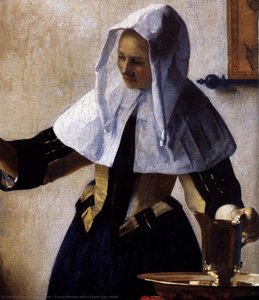
Vermeer’s genius lay not merely in his meticulous observation of reality but in his masterful manipulation of light – a technique he honed with unwavering dedication. Unlike artists who sought to depict objects as they appeared objectively, Vermeer employed *tenebrism*, a dramatic chiaroscuro style that contrasts intense darkness with pools of radiant illumination. This deliberate use of light isn’t simply decorative; it serves as an expressive tool, guiding the viewer's gaze and subtly shaping our perception of the scene. Notice how Vermeer captures the diffused glow emanating from the windowpane, casting delicate shadows across the woman’s face and illuminating the tabletop with a warm luminescence—a masterful illusion that transcends mere representation. The canvas itself is executed in oil paint on linen, a medium chosen for its ability to achieve unparalleled tonal richness and luminosity.A Domestic Scene Steeped in Symbolism
‘Young Woman with a Water Jug’ transcends its surface appearance as a simple depiction of daily life; it resonates with deeper symbolic meanings rooted in the cultural milieu of Vermeer's time. The woman herself embodies notions of femininity, purity, and domestic tranquility—values highly esteemed within Delft society. Her gaze directed outwards toward the window suggests contemplation and perhaps longing – emotions subtly conveyed through her posture and facial expression. Furthermore, the inclusion of the water jug is significant. Water was considered a symbol of life, fertility, and grace, representing not only sustenance but also spiritual nourishment. The presence of the cats adds another layer of complexity to the composition—often interpreted as emblems of domestic contentment and watchful guardianship.Historical Context & Artistic Influence
Painted during Vermeer’s formative years, ‘Young Woman with a Water Jug’ aligns itself with the broader artistic currents of the Dutch Baroque. However, Vermeer distinguishes himself from his contemporaries by prioritizing psychological realism over grand spectacle. He anticipates developments in Impressionism decades later, demonstrating an intuitive understanding of how light and color could convey emotion and atmosphere—a revolutionary concept for its time. The painting's influence extends far beyond Delft’s artistic circles, inspiring artists across Europe who sought to capture the elusive beauty of everyday life with comparable sensitivity and precision.Emotional Resonance: A Moment Frozen in Time
Ultimately, ‘Young Woman with a Water Jug’ succeeds in transporting us back to a bygone era—a serene tableau that captures the essence of Delftian domesticity and invites contemplation on themes of solitude, observation, and inner reflection. Its quiet grandeur resides not in ostentation but in its profound ability to evoke empathy and wonder—a testament to Vermeer's unparalleled skill as an artist and his enduring legacy as one of the most poignant portrayals of human experience ever conceived.Obras relacionadas
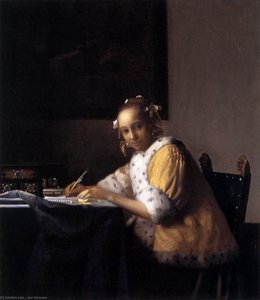
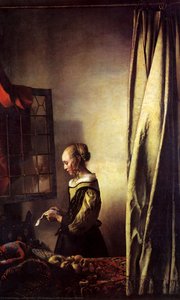
![Dama Escribiendo Una Carta Con Su Ama [c. 1670] — Johannes Vermeer, Edad De Oro Neerlandesa](/media/artworks/images-thumb/87/c4/87c403dd3765a49358a8a608ecf1b2ee.jpg)
Biografía del artista
vida y carrera
johannes vermeer, una figura destacada en la edad de oro holandesa, nació en octubre de 1632 en Delft, Países Bajos. Es conocido por sus cautivadoras escenas domésticas que ofrecen una mirada íntima a la vida de la clase media durante este período. La carrera artística de Vermeer estuvo marcada por un manejo profundo de la luz y un meticuloso enfoque en la pintura. La familia de Vermeer estuvo involucrada en el comercio artístico, con su padre, Reijnier Jansz, siendo un comerciante de arte. Esta exposición probablemente influyó en la decisión de Vermeer de seguir una carrera en la pintura. Se casó con Catharina Bolnes, una mujer católica, en abril de 1653 y tuvieron dos hijos juntos.Estilo artístico y obras notables
Las pinturas de Vermeer se caracterizan por el uso de pigmentos costosos y un énfasis en la vida cotidiana. Algunas de sus obras más notables incluyen:- La carta de amor (c. 1665), una obra maestra que muestra la habilidad de Vermeer para capturar los matices de la vida doméstica.
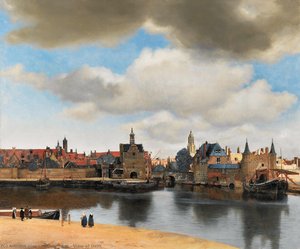
- Vista de Delft (c. 1660-1670), un cuadro que ejemplifica la capacidad de Vermeer para equilibrar la luz y la composición.
- La hilandera (c. 1659-1660), una obra que destaca la atención al detalle y la fascinación de Vermeer por las actividades cotidianas de las mujeres.
Legado y redescubrimiento
El modesto éxito de Vermeer durante su vida dio paso a la oscuridad después de su muerte. Sin embargo, su redescubrimiento en el siglo XIX por Gustav Friedrich Waagen y Théophile Thoré-Bürger condujo a un aumento significativo en su popularidad. Hoy en día, Vermeer es reconocido como uno de los pintores más grandes del edad de oro holandesa, con sus obras muy apreciadas por coleccionistas y museos de todo el mundo.- Descubra más sobre la vida y obra de Vermeer en ArtsDot.com.
- Explore la colección del Museo Mauritshuis, que presenta muchas de las obras maestras de Vermeer, en ArtsDot.com.
- Aprenda más sobre la edad de oro holandesa y su influencia en la pintura occidental en wikipedia.
Johannes Vermeer
1632 - 1675 , Países Bajos
Datos clave
- Artistas Que Influyeron:
- Pieter de Hooch
- Gerard ter Borch
- Estilo Artístico: Barroco, Realismo
- Fecha De Muerte: Diciembre 1675
- Fecha De Nacimiento: Octubre 1632
- Lugar De Nacimiento: Delft, Países Bajos
- Nacionalidad: Holandés
- Nombre Completo: Johannes Vermeer
- Obras Notables:
- La carta de amor
- Vista de Delft
- La hilandera
- La joven con la perla
- El concierto
Artículos relacionados

Los 10 Maestros del Barroco Holandés: Obras que Definen una Época | ArtsDot
Descubre los 10 imprescindibles del Barroco holandés: Rembrandt, Vermeer y más. Explora la historia, técnica y belleza de estas obras maestras. Reproducciones de arte en ArtsDot.com para decorar tu hogar con elegancia.

Los 10 Maestros del Siglo de Oro Holandés: Arte, Historia y Decoración Exclusiva
Descubre los 10 imprescindibles del Siglo de Oro Holandés: Rembrandt, Vermeer y más. Explora la historia, técnica y belleza de estos lienzos clásicos. Encuentra reproducciones de arte exclusivas para decorar tu hogar en .
Johannes Vermeer: Light, Intimacy & the Dutch Golden Age – A Comprehensive Exploration
Explore the life, techniques & enduring legacy of Johannes Vermeer, a master of Dutch Golden Age painting. Discover symbolism in his iconic works like 'The Milkmaid' and learn about his revolutionary use of light.

Reflejos de una Época Dorada: La Pintura Barroca Holandesa y la Innovación Cultural
Descubra la riqueza y el detalle de la pintura barroca holandesa del Siglo de Oro. Explore las obras maestras de Rembrandt, Vermeer y otros artistas clave. Análisis experto e historia cultural.
Barroco en su Esplendor: 10 Obras Maestras que Definieron una Época | ArtsDot
Descubre las 10 obras maestras del Barroco que revolucionaron el arte. Caravaggio, Rembrandt y Velázquez te esperan en ArtsDot. Reproducciones de alta calidad para decorar tu hogar con la grandeza de este estilo. ¡Explora la colección online!