 Ver en contexto
 Enviar
 Compartir
 Detalles

 Descargar
 Similares
 Radiografía
 Presentación de diapositivas
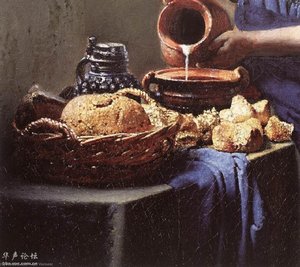
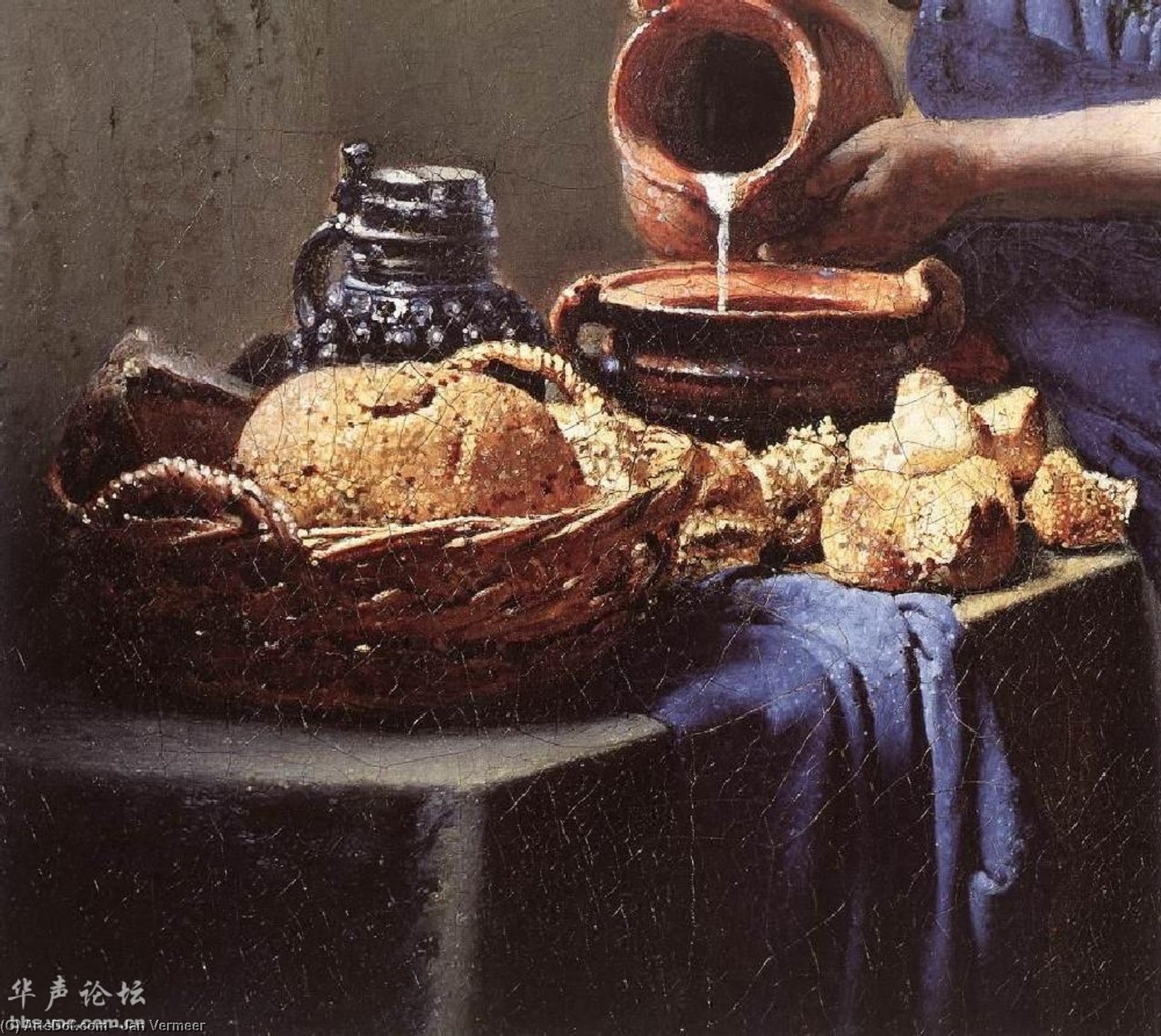
The Milkmaid (detail)


 Ver más
Reproducción al óleo hecha a mano
Óleo sobre lienzo pintado a mano en el tamaño y marco de su elección, realizado por encargo por nuestros artistas. ( Comprar impresión Comprar imagen)




P118B $10

P118H $10

P118W $10

P438Z $10

P508JH $12

P508YH $12

P805H $10

P805Z $10

P919BZ $10

P919G $10

P919XJ $10

P959ZH $10

P968JZ $12

W106C $8

W218G $10

W218JH $8

W218Y $10

W307PJ $10

W316G $10

W316PJ $8

W316Y $10

W398PJ $8

W4111J $10

W500HY $15

W500JH $15

W692G $12

W849H $8

W940BG $15

W953PJ $8




Elija entre nuestros tamaños predefinidos que respetan las proporciones originales de la obra.

Puede ingresar sus propias dimensiones para adaptarse a un marco o espacio específico. Si el tamaño seleccionado no coincide con las proporciones de la imagen original, recortaremos la obra o extenderemos la pintura con elementos adicionales pintados a mano. Se le enviará una maqueta digital para su aprobación antes de comenzar la producción.
Tenga en cuenta que la vista previa en pantalla no refleja el recorte o la extensión reales. Solo la maqueta mostrará con precisión la composición final.
Si bien existen tamaños personalizados, recomendamos seleccionar una dimensión de la lista predefinida para preservar las proporciones originales.
Tras realizar el pedido, el equipo de ArtsDot.com enviará un correo electrónico al cliente para solicitar instrucciones y proporcionarle una vista previa del boceto.
Envío a todo el mundo () en 3-4 semanas en lugar de las 5 semanas estándar. (26 agosto). Sin comprometer la calidad.

Envío exprés gratuito a todo el mundo

Lienzo de lino de alta calidad

Seguro de envío total

Garantía de reembolso de impuestos aduaneros

Garantía de fidelidad cromática exacta

Política de devolución de 60 días (solo por defectos)

Garantía de devolución del 100% del dinero

Descuento por cantidad
 La opción de vidrio solo está disponible en tamaños inferiores a 110 cm.

The Milkmaid (detail)
Técnica de reproducción
Dimensiones de la reproducción
-


Precio total final
$ 263
Descripción de la obra
A Moment Frozen in Light: Exploring Vermeer’s “The Milkmaid”
Johannes Vermeer, a name synonymous with the quiet intimacy of 17th-century Dutch life, remains an enigma despite centuries of scholarly investigation. Born in Delft in October 1632, his existence unfolded against the backdrop of the Dutch Golden Age—a period of unprecedented prosperity, artistic innovation, and burgeoning civic pride. His father, Reijnier Janszoon, was a silk weaver and art dealer, a combination that subtly shaped young Johannes’s path. Exposure to both the tactile world of craftsmanship and the discerning eye of the art market instilled in him an understanding of materials, composition, and the delicate dance between creation and commerce. This early immersion wasn't merely observational; it provided a foundation upon which Vermeer would build his own unique artistic vision. He wasn’t born into privilege, but rather into a world where artistry was interwoven with everyday practicality, a sensibility that would profoundly influence his oeuvre.The Scene: Domestic Tranquility Captured in Detail
“The Milkmaid,” housed at the Rijksmuseum in Amsterdam, is arguably Vermeer's most celebrated work—a deceptively simple tableau that speaks volumes about the era and Vermeer’s mastery of artistic technique. The painting depicts a young woman diligently pouring milk from a stoneware jug into a large earthenware bowl upon a wooden table bathed in soft, diffused light. Alongside her are additional bowls, cups, and bottles – objects rendered with meticulous detail, reflecting Vermeer's fascination for capturing the nuances of ordinary life. Notice how the artist skillfully employs chiaroscuro—the dramatic interplay between light and shadow—to sculpt the form of the milkmaid and illuminate the textures of her clothing and the surrounding furnishings. This technique elevates a commonplace activity into an experience of profound beauty and contemplation.Technique and Style: Vermeer’s Signature Brilliance
Vermeer's artistic style is characterized by its remarkable realism combined with an ethereal quality that borders on dreamlike. He achieved this effect through painstaking layering of thin glazes—a technique perfected during the Baroque period—allowing for subtle gradations of color and luminosity. The artist’s meticulous attention to detail extends beyond mere representation; he strives to convey a sense of atmosphere and emotion, capturing not just what is seen but also how it feels. Vermeer's use of optical mixing—combining pigments to create colors that appear brighter than they actually are—further enhances the painting’s visual impact, demonstrating his profound understanding of light and color theory.Symbolism: Beyond the Everyday Gesture
“The Milkmaid” transcends its depiction of a simple domestic task through layers of symbolic meaning. The woman herself embodies purity and innocence, representing the virtues valued during the Dutch Golden Age—faithfulness, diligence, and modesty. The milk jug and bowl symbolize nourishment and sustenance, reflecting the importance of agriculture and family life in Dutch society at the time. Furthermore, the stillness of the scene conveys a sense of serenity and contemplation, inviting viewers to pause and appreciate the beauty of the present moment. Vermeer’s deliberate composition reinforces these themes, creating an image that resonates with timeless elegance and psychological depth.Emotional Impact: A Window into Vermeer's Soul
Ultimately, “The Milkmaid” succeeds in transporting us back to Delft in 1658—a place where Vermeer sought to capture the essence of human experience with unparalleled sensitivity. The painting’s luminous palette and masterful execution evoke a feeling of quiet contemplation, prompting viewers to consider themes of domesticity, femininity, and the sublime beauty found within the commonplace. It stands as a testament to Vermeer's ability to transform an ordinary scene into an enduring masterpiece—a poignant reminder that art can illuminate not only what we see but also what it feels like to be human.Obras relacionadas





Biografía del artista
vida y carrera
johannes vermeer, una figura destacada en la edad de oro holandesa, nació en octubre de 1632 en Delft, Países Bajos. Es conocido por sus cautivadoras escenas domésticas que ofrecen una mirada íntima a la vida de la clase media durante este período. La carrera artística de Vermeer estuvo marcada por un manejo profundo de la luz y un meticuloso enfoque en la pintura. La familia de Vermeer estuvo involucrada en el comercio artístico, con su padre, Reijnier Jansz, siendo un comerciante de arte. Esta exposición probablemente influyó en la decisión de Vermeer de seguir una carrera en la pintura. Se casó con Catharina Bolnes, una mujer católica, en abril de 1653 y tuvieron dos hijos juntos.Estilo artístico y obras notables
Las pinturas de Vermeer se caracterizan por el uso de pigmentos costosos y un énfasis en la vida cotidiana. Algunas de sus obras más notables incluyen:- La carta de amor (c. 1665), una obra maestra que muestra la habilidad de Vermeer para capturar los matices de la vida doméstica.
- Vista de Delft (c. 1660-1670), un cuadro que ejemplifica la capacidad de Vermeer para equilibrar la luz y la composición.
- La hilandera (c. 1659-1660), una obra que destaca la atención al detalle y la fascinación de Vermeer por las actividades cotidianas de las mujeres.
Legado y redescubrimiento
El modesto éxito de Vermeer durante su vida dio paso a la oscuridad después de su muerte. Sin embargo, su redescubrimiento en el siglo XIX por Gustav Friedrich Waagen y Théophile Thoré-Bürger condujo a un aumento significativo en su popularidad. Hoy en día, Vermeer es reconocido como uno de los pintores más grandes del edad de oro holandesa, con sus obras muy apreciadas por coleccionistas y museos de todo el mundo.- Descubra más sobre la vida y obra de Vermeer en ArtsDot.com.
- Explore la colección del Museo Mauritshuis, que presenta muchas de las obras maestras de Vermeer, en ArtsDot.com.
- Aprenda más sobre la edad de oro holandesa y su influencia en la pintura occidental en wikipedia.
Johannes Vermeer
1632 - 1675 , Países Bajos
Datos clave
- Artistas Que Influyeron:
- Pieter de Hooch
- Gerard ter Borch
- Estilo Artístico: Barroco, Realismo
- Fecha De Muerte: Diciembre 1675
- Fecha De Nacimiento: Octubre 1632
- Lugar De Nacimiento: Delft, Países Bajos
- Nacionalidad: Holandés
- Nombre Completo: Johannes Vermeer
- Obras Notables:
- La carta de amor
- Vista de Delft
- La hilandera
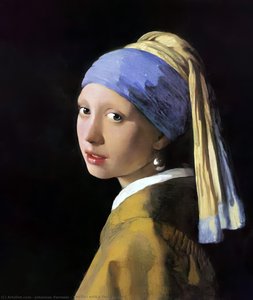
- La joven con la perla
- El concierto
Artículos relacionados

Los 10 Maestros del Siglo de Oro Holandés: Arte, Historia y Decoración Exclusiva
Descubre los 10 imprescindibles del Siglo de Oro Holandés: Rembrandt, Vermeer y más. Explora la historia, técnica y belleza de estos lienzos clásicos. Encuentra reproducciones de arte exclusivas para decorar tu hogar en .
Johannes Vermeer: Light, Intimacy & the Dutch Golden Age – A Comprehensive Exploration
Explore the life, techniques & enduring legacy of Johannes Vermeer, a master of Dutch Golden Age painting. Discover symbolism in his iconic works like 'The Milkmaid' and learn about his revolutionary use of light.

Los 10 Maestros del Barroco Holandés: Obras que Definen una Época | ArtsDot
Descubre los 10 imprescindibles del Barroco holandés: Rembrandt, Vermeer y más. Explora la historia, técnica y belleza de estas obras maestras. Reproducciones de arte en ArtsDot.com para decorar tu hogar con elegancia.

Reflejos de una Época Dorada: La Pintura Barroca Holandesa y la Innovación Cultural
Descubra la riqueza y el detalle de la pintura barroca holandesa del Siglo de Oro. Explore las obras maestras de Rembrandt, Vermeer y otros artistas clave. Análisis experto e historia cultural.

La Luz y la República: Innovación Artística en el Siglo de Oro Neerlandés
Descubra la innovación artística del Siglo de Oro Neerlandés. Explore las obras maestras de Rembrandt y Vermeer, técnicas revolucionarias y el legado perdurable de este florecimiento cultural. ¡Sumérjase en la luz y la belleza!