 Ver en contexto
 Enviar
 Compartir
 Detalles

 Descargar
 Similares
 Radiografía
 Presentación de diapositivas
Woman holding a balance detalj 1 ngw

 Ver más
Giclée / Impresión de arte
Impresiones giclée o en lienzo de calidad de museo con producción rápida y opciones de acabado flexibles. ( Comprar pintura hecha a mano Comprar imagen)




P118B $10

P118H $10

P118W $10

P438Z $10

P508JH $12

P508YH $12

P805H $10

P805Z $10

P919BZ $10

P919G $10

P919XJ $10

P959ZH $10

P968JZ $12

W106C $8

W218G $10

W218JH $8

W218Y $10

W307PJ $10

W316G $10

W316PJ $8

W316Y $10

W398PJ $8

W4111J $10

W500HY $15

W500JH $15

W692G $12

W849H $8

W940BG $15

W953PJ $8




Elija entre nuestros tamaños predefinidos que respetan las proporciones originales de la obra.

Puede introducir sus propias dimensiones para adaptarse a un marco o espacio específico. Si el tamaño seleccionado no coincide con las proporciones de la imagen original, recortaremos la obra de arte o extenderemos la imagen con un borde con efecto espejo o de color sólido. Se enviará una maqueta digital para su aprobación antes de que comience la producción.
Tenga en cuenta que la vista previa en pantalla no refleja el recorte o la extensión real. Solo la maqueta mostrará con precisión la composición final.
Aunque existen tamaños personalizados, recomendamos seleccionar una dimensión de la lista predefinida para preservar las proporciones originales.
Envío a todo el mundo () en 2 semanas en lugar de las 4/5 semanas estándar. (5 septiembre)

Envío exprés gratuito a todo el mundo

Lienzo de lino de alta calidad

Seguro de envío total

Garantía de reembolso de impuestos aduaneros

Garantía de fidelidad cromática exacta

Política de devolución de 60 días (solo por defectos)

Garantía de devolución del 100% del dinero

Descuento por cantidad
 La opción de vidrio solo está disponible en tamaños inferiores a 110 cm.

Woman holding a balance detalj 1 ngw
Giclée / Impresión de arte
Dimensiones de la reproducción
-


Precio total final
$ 62
A Study in Quietude: Vermeer’s ‘Woman Holding a Balance’
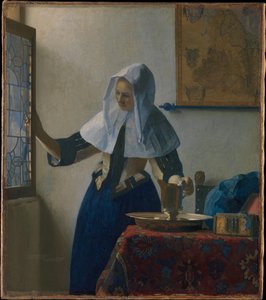
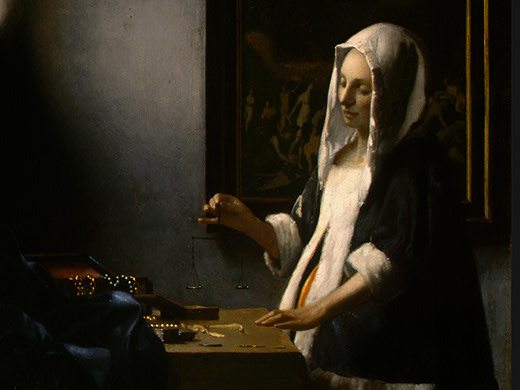
Johannes Vermeer's “Woman Holding a Balance,” a captivating work from around 1660, offers a poignant glimpse into the contemplative heart of Delft society during the Dutch Golden Age. This painting transcends mere portraiture; it is an exploration of faith, responsibility, and the subtle tensions inherent in daily life. The scene unfolds with a remarkable stillness, dominated by the figure of a woman – likely a nun or religious devotee – rendered with Vermeer’s signature mastery of light and shadow. Her posture, poised yet deliberate, suggests a moment of profound reflection as she holds a balance scale, its emptiness hinting at unanswered questions or perhaps a weighing of moral considerations.
- Subject Matter: The central focus is undeniably the woman herself, but her actions and the surrounding objects – the books, scissors, and bowl – contribute to a complex narrative.
- Composition: Vermeer’s masterful use of perspective draws the viewer into the scene, creating a sense of intimacy and inviting contemplation. The inclusion of two figures in the background adds an element of mystery and suggests a broader social context.
- Color Palette: Characteristic of Vermeer's work, the painting employs a restrained palette dominated by earthy tones – browns, ochres, and blacks – punctuated by subtle highlights that illuminate the woman’s face and clothing.
Technical Brilliance: Vermeer’s Unique Approach
Vermeer was renowned for his meticulous technique, particularly his innovative use of light. “Woman Holding a Balance” exemplifies this brilliance. He employed a layering method – *glazing* – applying thin, translucent layers of oil paint over one another to achieve an unparalleled luminosity and depth. This process allowed him to build up color gradually, creating subtle variations in tone that give the painting its ethereal quality. The way light catches on the woman’s robe, reflecting off the table's surface, is a testament to Vermeer’s ability to capture the fleeting effects of natural illumination. His use of impasto – thick application of paint – is minimal, contributing to the overall smoothness and polished appearance.
- Glazing Technique: The layering of translucent glazes creates an almost luminous effect, enhancing the sense of depth and realism.
- Perspective & Composition: Vermeer’s precise use of linear perspective draws the viewer into the scene, creating a believable three-dimensional space.
- Brushwork: The subtle brushstrokes contribute to the painting's smooth surface and overall polished appearance.
Symbolism and Context within Delft
Painted during the Dutch Golden Age, “Woman Holding a Balance” reflects the era’s profound religious beliefs and social values. The presence of the balance scale is particularly significant, representing both literal and metaphorical scales – justice, faith, and the weighing of one's actions against divine law. The books suggest learning and piety, while the scissors could symbolize the cutting away of worldly desires. Delft itself was a center of religious activity during Vermeer’s time, with numerous almshouses and institutions dedicated to charitable works. This painting likely reflects this environment, portraying a woman engaged in a contemplative act within a context of faith and service.
Historical Context: The painting speaks to the prevalent themes of morality, spirituality, and social responsibility that were central to Dutch life during the 17th century.Emotional Resonance & Artistic Legacy
“Woman Holding a Balance” is more than just a beautiful image; it’s an invitation to contemplate profound questions. The woman's serene expression and deliberate posture evoke a sense of quiet contemplation, inviting viewers to share in her moment of reflection. Vermeer’s ability to capture such subtle emotions through his masterful technique has ensured the painting’s enduring appeal. It remains one of the most celebrated works of the Dutch Golden Age, demonstrating Vermeer’s unparalleled skill and vision – a legacy that continues to inspire artists and captivate audiences centuries later.
Obras relacionadas



Biografía del artista
vida y carrera
johannes vermeer, una figura destacada en la edad de oro holandesa, nació en octubre de 1632 en Delft, Países Bajos. Es conocido por sus cautivadoras escenas domésticas que ofrecen una mirada íntima a la vida de la clase media durante este período. La carrera artística de Vermeer estuvo marcada por un manejo profundo de la luz y un meticuloso enfoque en la pintura. La familia de Vermeer estuvo involucrada en el comercio artístico, con su padre, Reijnier Jansz, siendo un comerciante de arte. Esta exposición probablemente influyó en la decisión de Vermeer de seguir una carrera en la pintura. Se casó con Catharina Bolnes, una mujer católica, en abril de 1653 y tuvieron dos hijos juntos.Estilo artístico y obras notables
Las pinturas de Vermeer se caracterizan por el uso de pigmentos costosos y un énfasis en la vida cotidiana. Algunas de sus obras más notables incluyen:- La carta de amor (c. 1665), una obra maestra que muestra la habilidad de Vermeer para capturar los matices de la vida doméstica.
- Vista de Delft (c. 1660-1670), un cuadro que ejemplifica la capacidad de Vermeer para equilibrar la luz y la composición.
- La hilandera (c. 1659-1660), una obra que destaca la atención al detalle y la fascinación de Vermeer por las actividades cotidianas de las mujeres.
Legado y redescubrimiento
El modesto éxito de Vermeer durante su vida dio paso a la oscuridad después de su muerte. Sin embargo, su redescubrimiento en el siglo XIX por Gustav Friedrich Waagen y Théophile Thoré-Bürger condujo a un aumento significativo en su popularidad. Hoy en día, Vermeer es reconocido como uno de los pintores más grandes del edad de oro holandesa, con sus obras muy apreciadas por coleccionistas y museos de todo el mundo.- Descubra más sobre la vida y obra de Vermeer en ArtsDot.com.
- Explore la colección del Museo Mauritshuis, que presenta muchas de las obras maestras de Vermeer, en ArtsDot.com.
- Aprenda más sobre la edad de oro holandesa y su influencia en la pintura occidental en wikipedia.
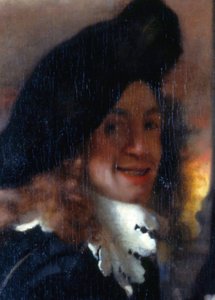
Johannes Vermeer
1632 - 1675 , Países Bajos
Datos clave
- Artistas Que Influyeron:
- Pieter de Hooch
- Gerard ter Borch
- Estilo Artístico: Barroco, Realismo
- Fecha De Muerte: Diciembre 1675
- Fecha De Nacimiento: Octubre 1632
- Lugar De Nacimiento: Delft, Países Bajos
- Nacionalidad: Holandés
- Nombre Completo: Johannes Vermeer
- Obras Notables:
- La carta de amor
- Vista de Delft
- La hilandera
- La joven con la perla
- El concierto
Artículos relacionados

Los 10 Maestros del Siglo de Oro Holandés: Arte, Historia y Decoración Exclusiva
Descubre los 10 imprescindibles del Siglo de Oro Holandés: Rembrandt, Vermeer y más. Explora la historia, técnica y belleza de estos lienzos clásicos. Encuentra reproducciones de arte exclusivas para decorar tu hogar en .
Johannes Vermeer: Light, Intimacy & the Dutch Golden Age – A Comprehensive Exploration
Explore the life, techniques & enduring legacy of Johannes Vermeer, a master of Dutch Golden Age painting. Discover symbolism in his iconic works like 'The Milkmaid' and learn about his revolutionary use of light.

Reflejos de una Época Dorada: La Pintura Barroca Holandesa y la Innovación Cultural
Descubra la riqueza y el detalle de la pintura barroca holandesa del Siglo de Oro. Explore las obras maestras de Rembrandt, Vermeer y otros artistas clave. Análisis experto e historia cultural.

La Luz y la República: Innovación Artística en el Siglo de Oro Neerlandés
Descubra la innovación artística del Siglo de Oro Neerlandés. Explore las obras maestras de Rembrandt y Vermeer, técnicas revolucionarias y el legado perdurable de este florecimiento cultural. ¡Sumérjase en la luz y la belleza!

Los 10 Maestros del Barroco Holandés: Obras que Definen una Época | ArtsDot
Descubre los 10 imprescindibles del Barroco holandés: Rembrandt, Vermeer y más. Explora la historia, técnica y belleza de estas obras maestras. Reproducciones de arte en ArtsDot.com para decorar tu hogar con elegancia.