

 Ver en contexto
 Enviar
 Compartir
 Detalles

 Descargar
 Similares
 Radiografía
 Presentación de diapositivas
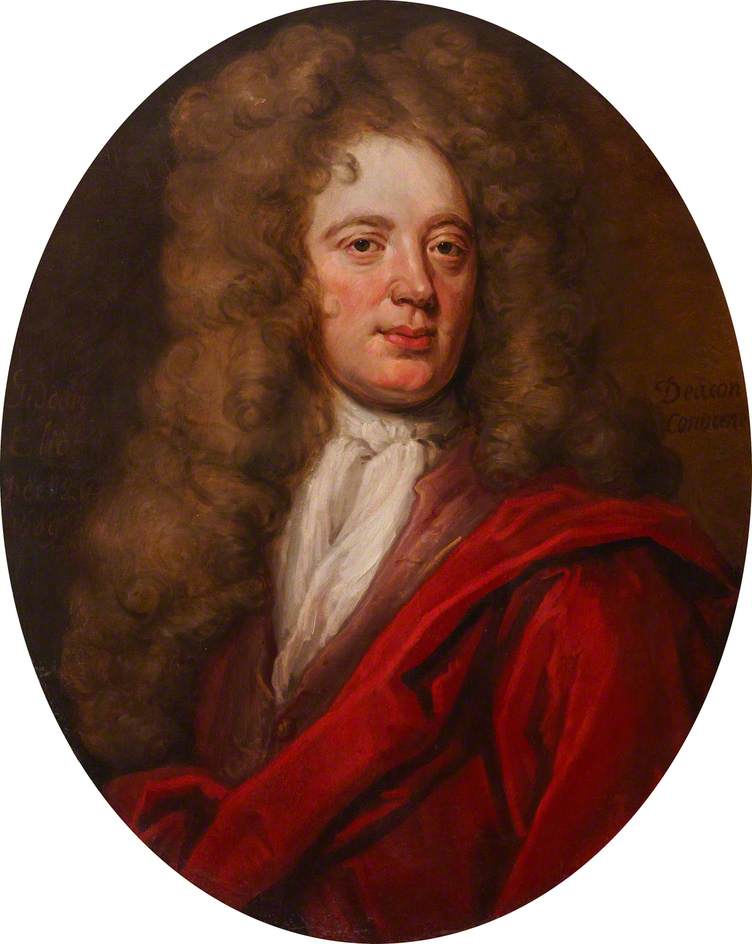
Gideon Eliot (1664–1713), FRCSEd (1689), DRCSEd (1694–1695)
 Oil On Canvas
- WallArt
- Baroque
 1700
1700- Early Modern
 75.0 x 62.0 cm
 La Real Colegiatura de Cirujanos de Edimburgo
 Ver más
Reproducción al óleo hecha a mano
Óleo sobre lienzo pintado a mano en el tamaño y marco de su elección, realizado por encargo por nuestros artistas. ( Comprar impresión Comprar imagen)




P118B $10

P118H $10

P118W $10

P438Z $10

P508JH $12

P508YH $12

P805H $10

P805Z $10

P919BZ $10

P919G $10

P919XJ $10

P959ZH $10

P968JZ $12

W106C $8

W218G $10

W218JH $8

W218Y $10

W307PJ $10

W316G $10

W316PJ $8

W316Y $10

W398PJ $8

W4111J $10

W500HY $15

W500JH $15

W692G $12

W849H $8

W940BG $15

W953PJ $8




Elija entre nuestros tamaños predefinidos que respetan las proporciones originales de la obra.

Puede ingresar sus propias dimensiones para adaptarse a un marco o espacio específico. Si el tamaño seleccionado no coincide con las proporciones de la imagen original, recortaremos la obra o extenderemos la pintura con elementos adicionales pintados a mano. Se le enviará una maqueta digital para su aprobación antes de comenzar la producción.
Tenga en cuenta que la vista previa en pantalla no refleja el recorte o la extensión reales. Solo la maqueta mostrará con precisión la composición final.
Si bien existen tamaños personalizados, recomendamos seleccionar una dimensión de la lista predefinida para preservar las proporciones originales.
Tras realizar el pedido, el equipo de ArtsDot.com enviará un correo electrónico al cliente para solicitar instrucciones y proporcionarle una vista previa del boceto.
Envío a todo el mundo () en 3-4 semanas en lugar de las 5 semanas estándar. (3 septiembre). Sin comprometer la calidad.

Envío exprés gratuito a todo el mundo

Lienzo de lino de alta calidad

Seguro de envío total

Garantía de reembolso de impuestos aduaneros

Garantía de fidelidad cromática exacta

Política de devolución de 60 días (solo por defectos)

Garantía de devolución del 100% del dinero

Descuento por cantidad
 La opción de vidrio solo está disponible en tamaños inferiores a 110 cm.

Gideon Eliot (1664–1713), FRCSEd (1689), DRCSEd (1694–1695)
Técnica de reproducción
Dimensiones de la reproducción
-


Precio total final
$ 263
A Glimpse into the Baroque Soul
In the quiet dignity of this 1700 masterpiece by John Baptist de Medina, we encounter more than just a likeness; we enter the intimate world of the late seventeenth-century aristocracy. The portrait of Gideon Eliot serves as a profound window into an era defined by grandeur and social stratification. As the eye meets the subject, one is immediately struck by the commanding presence of a man whose very posture radiates the stability and prestige of his station. Rendered in the rich, dramatic language of Baroque portraiture, the painting captures a moment of frozen importance, where every brushstroke serves to elevate the sitter from a mere individual to an icon of historical permanence.
The composition is masterfully centered, focusing our attention on the interplay between light and shadow that characterizes de Medina’s skilled hand. The subject's face, framed by a voluminous, meticulously detailed light-brown wig, emerges from a subtle darkness, a technique known as chiaroscuro that lends an almost sculptural depth to his features. This directional lighting does more than just illuminate; it carves out the contours of his expression, revealing a countenance marked by both intelligence and a certain solemn gravity. The soft, organic curves of his hair contrast beautifully with the structured, heavy folds of his deep red coat, creating a visual rhythm that keeps the viewer’s gaze wandering through the intricate textures of the canvas.
The Artistry of Texture and Tone
To behold this work is to appreciate a masterclass in oil technique. De Medina demonstrates an extraordinary ability to manipulate pigment to simulate the tactile reality of different materials. The heavy, luxurious weight of the crimson fabric is palpable, its deep tones enriched by shadows that suggest the density of fine wool or velvet. Against this warmth, the crisp white of the shirt provides a necessary breath of light, acting as a focal point that draws the eye toward the subject's neck and jawline. The artist’s use of a palette dominated by earthy browns, deep reds, and subtle greys creates a harmonious, somber atmosphere that feels both timeless and grounded.
Beyond the mere representation of clothing, the painting utilizes texture to convey status. The meticulous rendering of the wig—with its individual strands catching the light—and the precise linework defining the folds of the drapery, all speak to a level of craftsmanship intended to impress. For the collector or interior designer, this piece offers a sophisticated textural element that can anchor a room, providing a sense of historical weight and classical elegance. It is a work that does not merely sit upon a wall but commands the space around it, inviting closer inspection of its fine details.
Symbolism and Lasting Legacy
Every element within this portrait is steeped in the symbolic language of the turn of the eighteenth century. The choice of a deep red palette was rarely accidental; it was a color synonymous with power, passion, and high social standing. In the context of Gideon Eliot’s life and his professional distinctions, the painting acts as a visual testament to his achievements and his place within the societal hierarchy. The very act of commissioning such a portrait was an exercise in legacy-building, ensuring that the subject's dignity would endure long after his passing.
For those seeking to incorporate fine art into a contemporary setting, this reproduction offers a bridge to the past. It evokes a sense of nostalgia for an age of formal elegance and intellectual rigor. Whether placed in a study, a library, or a grand hallway, the portrait brings with it an aura of scholarly sophistication and quiet strength. It is not merely a decoration, but an emotional experience—a way to surround oneself with the enduring spirit of the Baroque era and the storied history of one of Scotland's most influential figures.
Obras relacionadas





Biografía del artista
John Baptist de Medina: Vida y Legado
Primeros Años y Formación
- Nacimiento y Orígenes: Sir John Baptist de Medina nació en 1659 en Bruselas, hijo de un capitán del ejército español. Sus primeros años estuvieron marcados por el trasfondo militar de su familia y el vibrante ambiente artístico de Bruselas.
- Formación Artística: Recibió su formación artística inicial bajo François Duchatel, un respetado pintor de la época. Esta educación fundamental le inculcó los principios del arte barroco y la pintura de retratos.
Traslado a Inglaterra y Escocia
- Años en Londres (1686): En 1686, de Medina se trasladó a Londres, estableciendo su estudio en Drury Lane. Rápidamente ganó reconocimiento por sus habilidades en la pintura de retratos.
- Patronazgo Escocés: De Medina se especializó en pintar a sitientes escoceses incluso estando en Londres. Más tarde, alrededor de 1688-89 o 1694, se trasladó a Edimburgo, donde permaneció el resto de su vida. Fue muy animado y patrocinado por el Conde de Melville.
- Conexiones Políticas: La influencia del Conde de Melville fue crucial; como Secretario de Estado para Escocia, le proporcionó acceso a figuras prominentes y encargos.
Estilo Artístico e Influencias
- Retrato Barroco: El estilo de De Medina está firmemente arraigado en la tradición barroca. Sus retratos se caracterizan por un sentido del realismo, una iluminación dramática y colores ricos.
- Influencias: Fue influenciado significativamente por Sir Godfrey Kneller, cuyo estilo de retrato emuló, pero a menudo con un enfoque más relajado e informal.
- Características Distintivas: De Medina favoreció los azules y rosas brillantes en la ropa y los fondos oscuros. La calidad de su trabajo variaba, probablemente debido a la asistencia de asistentes al estudio.
Logros y Obras Importantes
- Serie de Retratos en Surgeons’ Hall: Sus obras más celebradas son una colección de aproximadamente 30 retratos ovalados de tamaño medio, alojados en Surgeons' Hall, Edimburgo. A menudo se comparan con la serie Kit Cat Club de Kneller.
- *Paradise Lost* Ilustraciones (1688): De Medina fue el primer artista en ilustrar *Paradise Lost* de John Milton. Sus doce placas grabadas para la edición de 1688 son notables por su cuidadosa adhesión al texto y su uso imaginativo de la iconografía bíblica.
- Retratos de la Nobleza Escocesa: Creó numerosos retratos de figuras prominentes de la nobleza escocesa, consolidando su posición como el principal pintor de retratos en Escocia durante su vida.
Significado Histórico y Legado
- Pintor de Retratos Dominante: De Medina mantuvo un dominio casi monopólico sobre la pintura de retratos en Escocia durante gran parte de su carrera, cobrando tarifas estándar de £5 por una cabeza y £10 por un retrato a medio largo.
- Caballero (1706): Fue nombrado caballero en 1706, uno de los últimos caballeros escoceses creados antes de la Unión de 1707.
- Mentoria: De Medina entrenó tanto a su hijo como a William Aikman, quien se convirtió en un destacado pintor de retratos escocés de la siguiente generación.
- Impacto Duradero: Si bien no es tan ampliamente reconocido internacionalmente como algunos de sus contemporáneos, el trabajo de De Medina proporciona información valiosa sobre la sociedad y las prácticas artísticas escocesas del siglo XVII.
Muerte y Funeral
- Últimos Años: John Baptist de Medina murió en Edimburgo el 5 de octubre de 1710.
- Sitio del Funeral: Fue enterrado en el cementerio Greyfriars, Edimburgo, en un bóveda sólida y cerrada cerca de los escalones que conducen a la sección norte.

john baptist de medina
1659 - 1710
Artículos relacionados

Goya: Las 25 Obras Maestras del Genio Español | Reproducciones de Arte en ArtsDot
Descubre las 25 obras maestras de Goya, el genio español. Explora retratos icónicos, 'Los Caprichos' y 'Las Pinturas Negras'. Reproducciones de arte en lienzo de alta calidad para decorar tu hogar con estilo. ¡Encuentra tu obra favorita en ArtsDot.com!

John Singer Sargent: Las 25 Obras Maestras del Retrato y la Belle Époque | ArtsDot
Descubre las 25 obras maestras de John Singer Sargent, el maestro del retrato y la Belle Époque. Explora su técnica impresionista, historias fascinantes y encuentra reproducciones de arte exclusivas para decorar tu hogar con elegancia en ArtsDot.com.

John Constable: Las 25 Obras Maestras del Paisaje Inglés | ArtsDot
Descubre las 25 obras maestras de John Constable, el pintor romántico inglés que capturó la belleza del paisaje. Explora su técnica, historia y significado en ArtsDot.com. Reproducciones de arte de alta calidad para tu hogar.
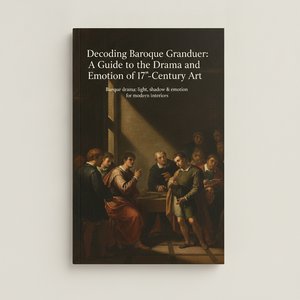
Decoding Baroque Grandeur: A Guide to the Drama and Emotion of 17th-Century Art
Explore the breathtaking drama of 17th-century Baroque art. Our expert guide decodes the use of chiaroscuro, emotional intensity, and historical grandeur to help you appreciate and curate timeless masterpieces for your collection.

Acerca de nosotros
Descubre nuestra historia! Llevamos el arte de clase mundial a tu vida gracias a una selección experta, creaciones personalizadas y vistas previas gratuitas. Aprobado por particulares y empresas desde el año 2000.

