

 Ver en contexto
 Enviar
 Compartir
 Detalles

 Descargar
 Similares
 Radiografía
 Presentación de diapositivas
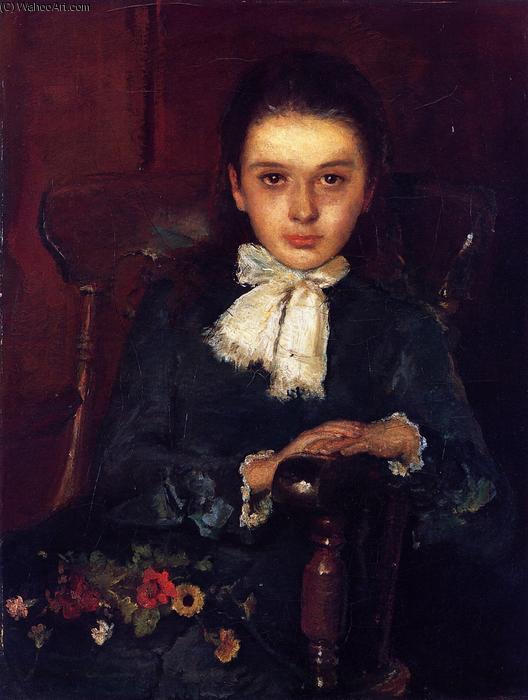
Frances Elizabeth Geoghegan as a Child
 Oil On Canvas
- WallArt
- Portrait Realism
 1882
1882- 19th Century
 46.0 x 36.0 cm
 Ver más
Reproducción al óleo hecha a mano
Óleo sobre lienzo pintado a mano en el tamaño y marco de su elección, realizado por encargo por nuestros artistas. ( Comprar impresión Comprar imagen)




P118B $10

P118H $10

P118W $10

P438Z $10

P508JH $12

P508YH $12

P805H $10

P805Z $10

P919BZ $10

P919G $10

P919XJ $10

P959ZH $10

P968JZ $12

W106C $8

W218G $10

W218JH $8

W218Y $10

W307PJ $10

W316G $10

W316PJ $8

W316Y $10

W398PJ $8

W4111J $10

W500HY $15

W500JH $15

W692G $12

W849H $8

W940BG $15

W953PJ $8




Elija entre nuestros tamaños predefinidos que respetan las proporciones originales de la obra.

Puede ingresar sus propias dimensiones para adaptarse a un marco o espacio específico. Si el tamaño seleccionado no coincide con las proporciones de la imagen original, recortaremos la obra o extenderemos la pintura con elementos adicionales pintados a mano. Se le enviará una maqueta digital para su aprobación antes de comenzar la producción.
Tenga en cuenta que la vista previa en pantalla no refleja el recorte o la extensión reales. Solo la maqueta mostrará con precisión la composición final.
Si bien existen tamaños personalizados, recomendamos seleccionar una dimensión de la lista predefinida para preservar las proporciones originales.
Tras realizar el pedido, el equipo de ArtsDot.com enviará un correo electrónico al cliente para solicitar instrucciones y proporcionarle una vista previa del boceto.
Envío a todo el mundo () en 3-4 semanas en lugar de las 5 semanas estándar. (25 agosto). Sin comprometer la calidad.

Envío exprés gratuito a todo el mundo

Lienzo de lino de alta calidad

Seguro de envío total

Garantía de reembolso de impuestos aduaneros

Garantía de fidelidad cromática exacta

Política de devolución de 60 días (solo por defectos)

Garantía de devolución del 100% del dinero

Descuento por cantidad
 La opción de vidrio solo está disponible en tamaños inferiores a 110 cm.

Frances Elizabeth Geoghegan as a Child
Técnica de reproducción
Dimensiones de la reproducción
-


Precio total final
$ 263
Descripción de la obra
A Moment Frozen in Time: The Soul of a Portrait
In the quiet, evocative realm of late nineteenth-century portraiture, few works capture the delicate intersection of innocence and introspection quite like John Butler Yeats’s Frances Elizabeth Geoghegan as a Child. Painted in 1882, this intimate oil on canvas serves as more than just a likeness; it is a window into a vanished era of Victorian grace. The subject, a young girl with flowing hair and a gaze that seems to pierce through the decades, sits before the viewer with an expression that oscillates between gentle curiosity and a profound, quiet melancholy. There is a weight to her presence, a sense of contemplative stillness that invites anyone standing before the canvas to pause their hurried lives and reflect on the fleeting nature of childhood.
The composition is masterfully understated, focusing the viewer's attention entirely on the psychological depth of the young subject. Clad in attire that speaks to the formal sensibilities of the period—notably marked by a pristine white bow at her neck—Frances Elizabeth Geoghegan becomes an emblem of purity and the structured elegance of the age. The artist utilizes the medium of oil to great effect, layering pigments to create a skin tone that feels warm and alive, contrasted against the soft textures of her hair and the subtle shadows of her surroundings. This technical mastery ensures that the painting does not merely sit upon the wall but breathes within the space it inhabits.
The Mastery of John Butler Yeats
To understand this portrait, one must understand the man behind the brush. John Butler Yeats was a figure of remarkable transition, moving from the rigid, logical world of a Dublin barrister to the fluid, emotive landscape of Irish portraiture. This duality is etched into his technique; there is a structural integrity to his work, yet it is softened by an incredible sensitivity to light and character. In Frances Elizabeth Geosthegan as a Child, we see the hallmark of his style: an ability to capture the "essence" rather than just the anatomy. He does not merely paint a child; he paints the feeling of being a child in a moment of profound thought.
The color palette is rich yet restrained, favoring tones that evoke a sense of domestic intimacy. The interplay of light and shadow—a technique reminiscent of the great masters—adds a three-dimensional quality to the girl's features, making her contemplative expression even more poignant. For the collector or the interior designer, this piece offers a rare opportunity to introduce a sense of historical gravity and emotional warmth into a room. It is a work that demands attention not through loudness, but through its quiet, undeniable command of the viewer's empathy.
An Enduring Legacy for the Modern Collector
For those seeking to curate a collection that speaks to the heart, this reproduction offers a profound connection to the golden age of Irish art. The painting’s intimate scale—measuring 46 x 36 cm—makes it an ideal centerpiece for a private study, a library, or a sophisticated living space where art is meant to spark conversation and introspection. It serves as a bridge between the Victorian past and the modern aesthetic, providing a touch of timelessness that transcends fleeting trends.
Owning a piece inspired by such a significant work allows for the preservation of history within one's own home. Whether you are an art enthusiast drawn to the biographical legacy of the Yeats family or a designer looking for a soulful element to anchor a room, this portrait provides an unparalleled sense of depth. It is a celebration of the subtle beauty found in the quietest moments, rendered with a skill that ensures its emotional impact will remain as potent today as it was in 1882.
Obras relacionadas
Biografía del artista
John Butler Yeats: Bridging Tradition and Modernity
John Butler Yeats (1839–1922) stands as a singular figure in Irish art history—a painter who simultaneously embraced the meticulous realism of his formative years and yielded to the expressive dynamism of Expressionism, forging a path that bridged the gap between Victorian academic painting and the burgeoning modernist movement. Born into an Anglo-Irish family steeped in tradition, Yeats’s artistic journey began with a grounding in classical technique, honed at Trinity College Dublin and nurtured by influential mentors like John Kells Ingram—a connection to the intellectual currents of his time that would permeate his entire oeuvre. Yet, he refused to confine himself to established conventions, seeking inspiration from the vibrant landscapes of Sligo and engaging deeply with the mystical traditions of Ireland—influences that profoundly shaped his artistic vision.Early Years and Artistic Training: The Seeds of Innovation
Yeats’s upbringing instilled in him a dual sensibility—a respect for scholarly pursuits alongside an innate fascination with visual art. Unlike many of his peers, he eschewed the rigid religious dogma prevalent at Trinity College, prioritizing intellectual curiosity and embracing a worldview informed by both science and philosophy. His father, William Butler Yeats, was a clergyman who nevertheless championed artistic endeavors, recognizing their importance in fostering creativity and imagination—a conviction that would resonate throughout Yeats’s life. This familial ethos fostered an environment conducive to artistic exploration, propelling him toward the Heatherley School of Fine Art in London where he honed his skills under the tutelage of influential instructors. It was there that he encountered fellow artists like John Henry Foley and Richard Doyle—men who championed Impressionism and encouraged him to experiment with new techniques. These formative experiences cemented Yeats’s commitment to artistic innovation, laying the groundwork for his groundbreaking stylistic evolution.From Landscapes to Portraits: A Shift Towards Expression
Yeats initially gained renown as an illustrator and watercolorist, capturing the beauty of Irish landscapes with meticulous detail—a style heavily influenced by Romanticism. His early paintings are characterized by a serene palette and a careful observation of natural forms, reflecting his deep connection to the Sligo countryside. However, around 1906 Yeats embarked on a transformative artistic journey, embracing Expressionism—a movement that prioritized emotional intensity over objective representation. This stylistic shift marked a decisive break from academic tradition, aligning him with artists like Edvard Munch and Oskar Kokoschka who sought to convey inner psychological states through bold colors and distorted forms. His portraits emerged as a testament to this newfound expressive freedom, capturing the essence of his subjects—often conveying subtle nuances of emotion and character—with remarkable sensitivity.Notable Works and Recognition: A Legacy Enduring Through Time
Yeats’s artistic output spanned decades, producing an impressive catalog of paintings that continue to captivate audiences today. Among his most celebrated works are *Hester Dowden as a Child*, *Violet Osborne*, *George Moore*, and *The Liffey Swim*—each piece embodying the stylistic hallmarks of Expressionism while simultaneously reflecting Yeats’s profound understanding of human psychology. His landscapes, particularly those depicting Sligo, remain iconic representations of Irish scenery—infused with lyrical beauty and imbued with symbolic resonance. He achieved international acclaim for his artistic achievements, securing a place among Ireland's most distinguished painters. Furthermore, he was awarded the Olympic Medal for Painting at the Paris Games in 1924—a testament to his enduring legacy as an artist recognized on a global scale. His influence extended beyond his own paintings, shaping the aesthetic sensibilities of subsequent generations of Irish artists and cementing his place as a pivotal figure in the history of modern Irish art. ## Beyond Technique: Yeats's Artistic Vision and Influence John Butler Yeats’s artistic vision transcended mere technical proficiency; it was rooted in a deep engagement with philosophical ideas and spiritual traditions—particularly those originating from Ireland. He sought to capture not just what he saw but also what he felt—translating inner experience into visual form through bold colors, expressive brushstrokes, and evocative compositions. His work embodies the spirit of Romanticism alongside Expressionism, reflecting his intellectual curiosity and artistic experimentation. Yeats’s legacy extends far beyond his individual paintings—he fostered a creative environment within his family, encouraging each member to pursue their artistic passions. He championed Irish art and culture, establishing Dun Emer Industries and Cuala Press—institutions that played an important role in promoting artistic innovation. His influence resonated throughout the Irish Arts and Crafts movement, shaping the aesthetic sensibilities of artists who followed him—a testament to his enduring contribution to the cultural landscape of Ireland. His paintings continue to inspire admiration for their beauty, sensitivity, and profound psychological insight—solidifying John Butler Yeats’s position as one of Ireland's most important artistic figures.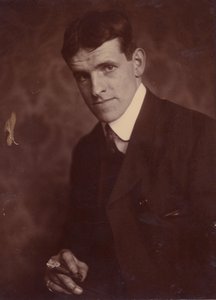
John Butler Yeats
1871 - 1957 , Reino Unido
Datos clave
- Artistic Movement Or Style: Expresionismo, Romanticismo
- Artists Or Movements Influenced By This Artist: ['William Butler Yeats']
- Artists Who Influenced This Artist: ['Jack B. Yeats']
- Date Of Birth: 1839
- Date Of Death: 1922
- Full Name: John Butler Yeats
- Nationality: Irlandés
- Notable Artworks:
- Hester Dowden como niña
- Violet Osborne
- George Moore
- Place Of Birth: Londres, Reino Unido
Artículos relacionados

Blanco Sublime: Los 10 Cuadros Más Famosos Dominados por la Luz y el Color
Descubre los 10 cuadros blancos más emblemáticos de la historia del arte. Explora Monet, Van Gogh y Klimt, y su magistral uso de la luz y el color. Encuentra reproducciones de alta calidad e inspírate para tu decoración en .

El Óleo sobre Lienzo: Historia, Técnica y la Persistencia de un Medio Artístico Atemporal
Descubre la historia y técnica del óleo sobre lienzo. Explora reproducciones fieles hechas a mano, personalización artística y consejos de expertos con ArtsDot. ¡Colecciona arte con confianza!

The Enduring Legacy of Oil on Canvas: Technique, History & Aesthetic Impact
Explore the rich history & techniques of oil painting – from Renaissance masters to Impressionism. Discover pigments, layering methods, and why this timeless medium endures. Expert insights for artists & art enthusiasts.

El Legado Duradero del Óleo sobre Lienzo: Técnica, Historia y Práctica Contemporánea
Descubre la historia y técnica del óleo sobre lienzo. Explora reproducciones fieles hechas a mano, personalización artística y consejos de expertos con .
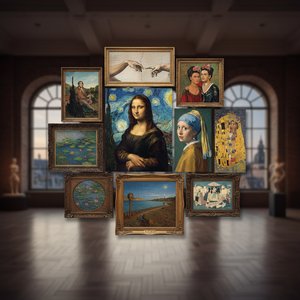
Las 10 Obras Maestras al Óleo que Revolucionaron la Historia del Arte |
Descubre las 10 obras maestras al óleo que transformaron la historia del arte. Explora Van Gogh, Monet, Da Vinci y más. Reproducciones de alta calidad para decorar tu hogar con elegancia. ¡Encuentra tu obra favorita en !

