

 Ver en contexto
 Enviar
 Compartir
 Detalles

 Descargar
 Similares
 Radiografía
 Presentación de diapositivas
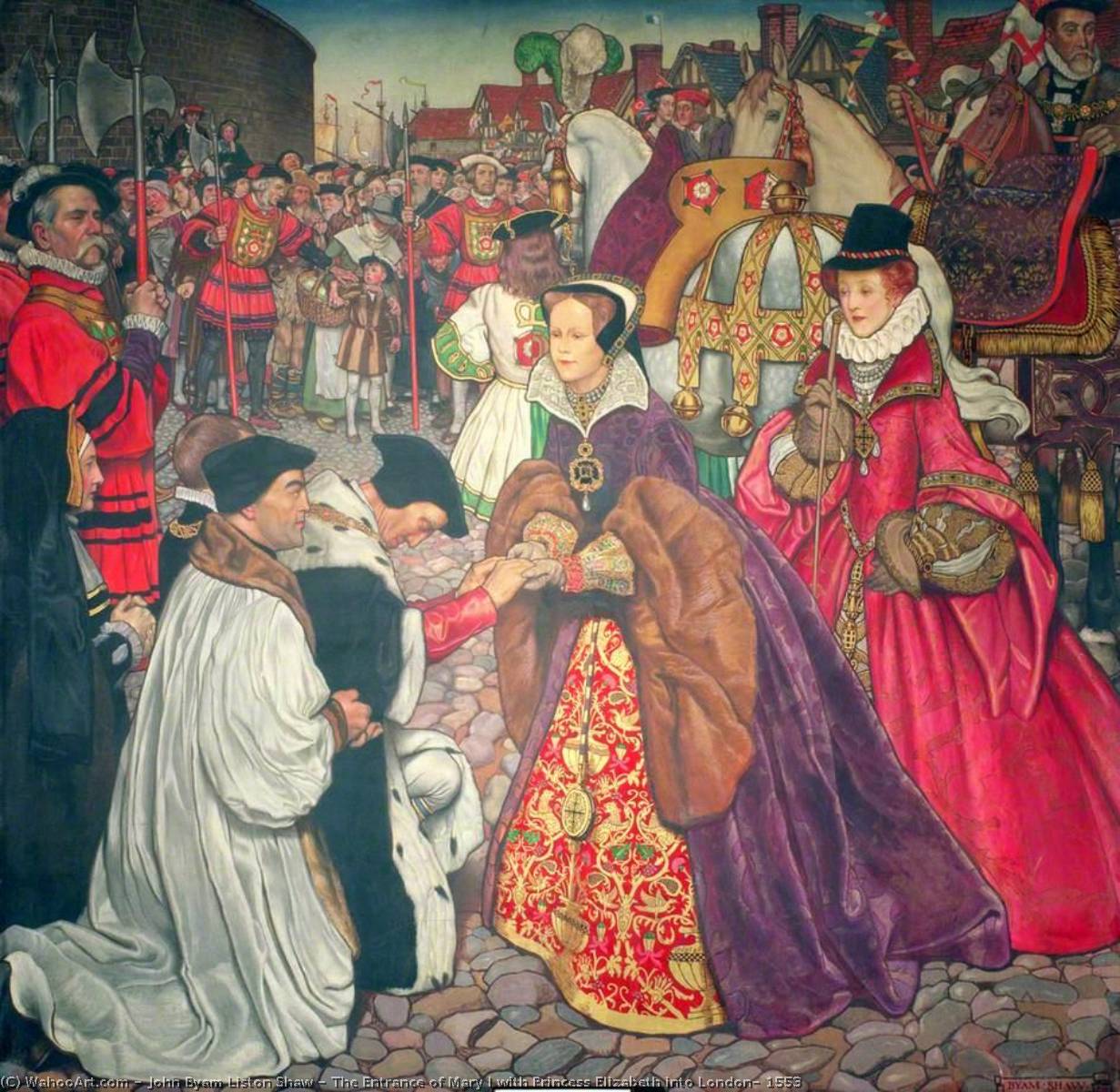
The Entrance of Mary I with Princess Elizabeth into London, 1553


 Ver más
Adquiera una imagen digital de alta resolución y optimizada, muy superior a la vista previa en línea.
Cada archivo es preparado meticulosamente por nuestros especialistas internos mediante el uso de herramientas avanzadas y un experto retoque manual. Nos aseguramos de que cada imagen posea una claridad excepcional, una precisión cromática impecable y un detalle minucioso.
El archivo final se entrega por correo electrónico en un plazo de 72 horas, optimizado para su uso inmediato en entornos profesionales, editoriales y de impresión. Esta es la misma calidad en la que confían los estudios de diseño, las editoriales y las galerías de primer nivel.
Imagen Digital
Descarga un archivo de alta resolución para exhibición personal, impresión y proyectos creativos. ( Comprar impresión Comprar pintura hecha a mano)
Incluido en cada pedido de imágenes digitales
Entrega digital experta, garantizada.
Al elegir ArtsDot.com, no solo está adquiriendo una imagen; está recibiendo una obra de arte digital mejorada profesionalmente, elaborada con precisión y respaldada por una garantía de satisfacción. Esto es todo lo que incluye su pedido, automáticamente:

Entrega rápida por email
Recibirá su archivo de imagen digital en alta resolución por correo electrónico en un plazo de 72 horas tras realizar su pedido, listo para su uso inmediato.

Archivo digital optimizado por IA
Su obra de arte se optimiza profesionalmente mediante herramientas avanzadas de IA y edición manual, garantizando el máximo detalle, claridad y precisión cromática.

Reenvío gratuito de por vida
¿Has borrado o perdido tu archivo por error? No te preocupes: te lo volveremos a enviar en cualquier momento, sin coste adicional.

Sin gastos de importación, siempre
Disfrute de su obra de arte al instante sin aduanas, aranceles ni gastos de envío; las descargas digitales siempre están libres de impuestos.

Garantía de fidelidad de color
Garantizamos que su imagen digital refleje los colores originales con la mayor fidelidad posible, mediante el uso de herramientas profesionales y gestión del color.

Garantía de satisfacción de 60 días
Si no está satisfecho con su imagen digital, la revisaremos o le reembolsaremos el 100% en un plazo de 60 días, sin preguntas.

100% Garantía de devolución de dinero
¿No está satisfecho? Obtenga un reembolso completo dentro de los 60 días posteriores a la recepción de su archivo digital, sin necesidad de explicaciones.

Descuentos por pedidos grandes
Compra 3 imágenes, ahorra 10% - Compra 5, ahorra 15% - Compra 10+, ahorra 20%. Ideal para proyectos creativos, galerías y agencias.
A Dramatic Tableau of Tudor Succession
The Entrance of Mary I with Princess Elizabeth into London, 1553 by John Byam Liston Shaw (1872–1919), is more than just a depiction of a royal procession; it’s a meticulously crafted visual narrative that encapsulates the anxieties and aspirations surrounding the tumultuous reign of Mary Tudor following the death of her sister Elizabeth I. Painted in 1910, this monumental canvas hails from the Parliamentary Art Collection, offering a glimpse into Britain's artistic sensibilities during the Edwardian era. Shaw’s masterful handling of Pre-Raphaelite principles—characterized by luminous color palettes and idealized forms—elevates the scene beyond mere historical record, transforming it into an emotionally resonant exploration of power dynamics and national identity.- Style & Technique: Shaw adheres rigorously to the tenets of Pre-Raphaelitism, prioritizing atmospheric perspective and symbolic representation over photographic realism. The artist employs glazing techniques—applying thin layers of translucent pigment—to achieve unparalleled luminosity and depth, capturing the grandeur of London’s streets and the solemnity of the royal arrival. Brushstrokes are deliberate yet fluid, conveying both precision and artistic sensitivity.
- Historical Context: Mary I ascended to the throne in 1553 following Elizabeth's demise, triggering a period of religious upheaval as she attempted to reinstate Catholicism after decades of Protestant rule. The painting commemorates this pivotal moment, portraying Mary’s triumphant return to London amidst fervent Catholic fervor—a deliberate assertion of royal authority and spiritual conviction.
Symbolism & Narrative Composition
Shaw's compositional choices are laden with symbolic significance. The procession itself is structured around a central axis, emphasizing the hierarchical order of power – Mary I at the apex, flanked by her entourage and culminating in Princess Elizabeth, representing the future of the Tudor dynasty. Notably, the kneeling figure symbolizes humility and submission before God, reflecting the pervasive piety of the time. Furthermore, the horses pulling the carriages are rendered with meticulous detail, symbolizing royal prestige and military might—a visual reminder of England’s strength under Mary I's rule. The inclusion of thirteen individuals contributes to the overall impression of grandeur and formality, reinforcing the narrative’s solemn tone.- Color Palette: Shaw utilizes a rich tapestry of hues—primarily reds, golds, and blues—to imbue the painting with warmth and majesty. Red dominates the royal banners and robes, signifying regal power and devotion to Catholicism; gold accents highlight ecclesiastical symbols and adorn Mary I’s attire, symbolizing divine grace.
- Lighting: Shaw masterfully employs chiaroscuro—the dramatic interplay of light and shadow—to sculpt the figures and heighten the emotional impact of the scene. Light emanates from above, illuminating Mary I and Elizabeth while casting deep shadows across the street, creating a sense of theatrical grandeur and emphasizing the solemnity of the occasion.
Emotional Resonance & Artistic Legacy
“The Entrance of Mary I” transcends mere historical documentation; it succeeds in conveying the palpable anxieties and fervent hopes that characterized this era. Shaw’s depiction captures not only the visual splendor of London but also the spiritual fervor surrounding Mary I's return—a testament to the artist’s ability to evoke profound emotional responses from viewers. The painting stands as a cornerstone of Pre-Raphaelite art, influencing subsequent generations of painters and cementing Shaw’s reputation as one of Britain’s foremost artistic figures. Its enduring appeal lies in its masterful technique, compelling narrative composition, and evocative symbolism—elements that continue to inspire admiration and contemplation today.Further Exploration
For those interested in delving deeper into this captivating artwork, the Parliamentary Art Collection offers invaluable resources: Explore “The Entrance of Mary I” and Discover Shaw’s Artistic Vision. Consider commissioning a high-quality reproduction to bring this iconic masterpiece into your home or workspace—a tangible connection to Britain's artistic heritage.Obras relacionadas
Biografía del artista
Primeros Años y Educación
- Nacimiento: John Byam Liston Shaw, 13 de noviembre de 1872 en Chennai, India
- Antecedentes Familiares: Hijo de John Shaw (Registrador del Tribunal Superior de Madras) y Sophia Alicia Byam Gunthorpe. Descendiente de los Ayrshire Shaws, una rama cadet del Clan Shaw de Tordarroch.
- Regreso a Inglaterra: La familia se trasladó a Inglaterra en 1878, estableciéndose en Kensington, Londres.
- Primera Formación Artística: Mostró un temprano talento artístico; fue presentado a John Everett Millais a la edad de 15 años.
- Educación Formal: Estudió en St John's Wood Art School y en las Royal Academy Schools (ganó el Premio Armitage en 1892 por "El Juicio de Salomón").
Estilo Artístico e Influencias
- Influencia Prerrafaelita: Fuertemente influenciado por los prerrafaelitas, particularmente J.W. Waterhouse y Cadogan Cowper.
- Temática: Representó con frecuencia escenas históricas, literarias y de guerra. Se inspiró en los poemas de Rossetti.
- Técnica: Empleó una amplia gama de medios que incluyen óleos, acuarela, pastel, tinta; conocido por usar pigmentos puros para crear colores vibrantes.
- Simbolismo y Detalle: Incorporó un elaborado simbolismo y meticuloso detalle en sus obras.
Obras Principales y Logros Destacados
- Primeras Exposiciones: Exhibió con frecuencia en Dowdeswell y Dowdeswell's Gallery en New Bond Street (cinco exposiciones individuales entre 1896-1916).
- Pinturas Notables:
- El Juicio de Salomón (1892) - Ganó el Premio Armitage en las Royal Academy.
- La Guerra Bóer (1901) – Representa a una mujer reflexionando sobre la pérdida de un ser querido en la Guerra Bóer, obteniendo un reconocimiento significativo.
- Mi Esposa, Mis Hijos y Mi Pequeño Perro John (1903) - Una pintura pastel semi-autobiográfica que representa a su familia.
- La Entrada de María I con la Princesa Isabel en Londres, 1553 – Una pintura histórica que muestra una ceremonia real y una iluminación dramática.
- Caricaturas de Guerra: Produjo caricaturas de guerra para periódicos durante la Primera Guerra Mundial.
- Comisiones Conmemorativas: Realizó comisiones conmemorativas tras la guerra.
Enseñanza y Legado
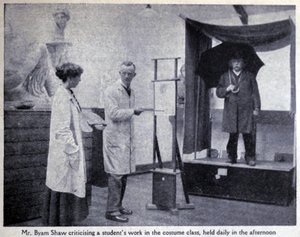
- Carrera Docente: Enseñó en el Departamento de Mujeres del King’s College London (a partir de 1904).
- Byam Shaw School of Art: Fundó la Byam Shaw and Vicat Cole School of Art en 1910 (luego renombrada simplemente como "Byam Shaw School of Art") con Rex Vicat Cole. Su esposa, Evelyn Shaw, también enseñó en la escuela.
- Fallecimiento: Falleció el 26 de enero de 1919, a los 46 años, durante la epidemia de gripe y fue enterrado en el Cementerio de Kensal Green.
- Memorial: Un monumento ornamentado a su vida aún se encuentra en St Barnabas', Addison Road.
Significado Histórico
- Preservación de la Tradición Prerrafaelita: Shaw jugó un papel crucial en mantener vivo el estilo prerrafaelita durante un período en que estaba disminuyendo en popularidad.
- Contribución al Arte Británico: Sus obras son valoradas por su habilidad técnica, detalle histórico y alusiones literarias.
- Impacto Educativo: La Byam Shaw School of Art proporcionó formación a numerosos artistas y contribuyó al desarrollo de la educación artística británica.
John Byam Liston Shaw
1872 - 1919 , India
Breves datos
- Artistas Influyentes:
- John Everett Millais
- Rossetti
- Fecha De Fallecimiento: 26 de enero de 1919
- Fecha De Nacimiento: 13 de noviembre de 1872
- Lugar De Nacimiento: Chennai, India
- Movimiento Artístico: Pre-Rafaelita
- Nacionalidad: Británico
- Nombre Completo: John Byam Liston Shaw
- Obras Notables:
- El Juicio de Salomón
- La Guerra Bóer
- Mi esposa, mis hijos...
- Entrada de María I

