

 Ver en contexto
 Enviar
 Compartir
 Detalles

 Descargar
 Similares
 Radiografía
 Presentación de diapositivas
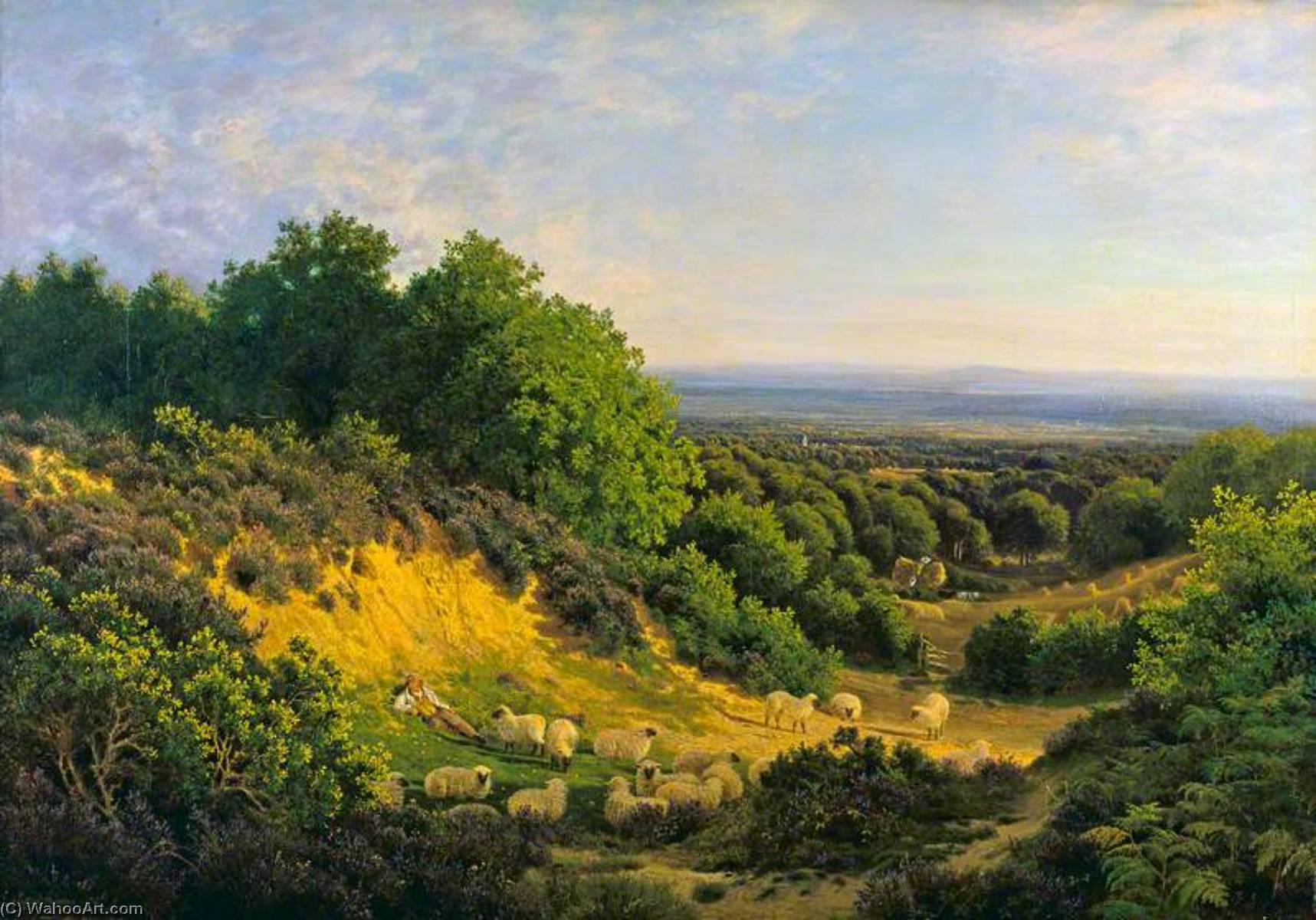
The Evening Sun View on Ewhurst Hill, near Guildford
 1878
1878 88.0 x 126.0 cm
 Ver más
Giclée / Impresión de arte
Impresiones giclée o en lienzo de calidad de museo con producción rápida y opciones de acabado flexibles. ( Comprar pintura hecha a mano Comprar imagen)




































Elija entre nuestros tamaños predefinidos que respetan las proporciones originales de la obra.

Puede introducir sus propias dimensiones para adaptarse a un marco o espacio específico. Si el tamaño seleccionado no coincide con las proporciones de la imagen original, recortaremos la obra de arte o extenderemos la imagen con un borde con efecto espejo o de color sólido. Se enviará una maqueta digital para su aprobación antes de que comience la producción.
Tenga en cuenta que la vista previa en pantalla no refleja el recorte o la extensión real. Solo la maqueta mostrará con precisión la composición final.
Aunque existen tamaños personalizados, recomendamos seleccionar una dimensión de la lista predefinida para preservar las proporciones originales.
Envío a todo el mundo () en 2 semanas en lugar de las 4/5 semanas estándar. (27 agosto)

Envío exprés gratuito a todo el mundo

Lienzo de lino de alta calidad

Seguro de envío total

Garantía de reembolso de impuestos aduaneros

Garantía de fidelidad cromática exacta

Política de devolución de 60 días (solo por defectos)

Garantía de devolución del 100% del dinero

Descuento por cantidad
 La opción de vidrio solo está disponible en tamaños inferiores a 110 cm.

The Evening Sun View on Ewhurst Hill, near Guildford
Giclée / Impresión de arte
Dimensiones de la reproducción
-


Precio total final
$ 62
Obras relacionadas









Biografía del artista
A Painter of Surrey’s Gentle Beauty
John Clayton Adams, a name synonymous with the pastoral serenity of Victorian England, possessed an extraordinary ability to translate the quiet rhythms of the countryside into enduring visual poetry. Born in 1840 in Edmonton, Middlesex, Adams emerged from a background of formal discipline, having refined his artistic vision at the Bloomsbury School and under the mentorship of William Wilthieu Fenn. His early life and training laid the foundation for a career defined by an unwavering devotion to the English landscape. As he matured, his focus drifted toward the verdant hills and sun-drenched meadows of Surrey, a region that would become the primary muse for his prolific output. Through his eyes, the rolling landscapes were not merely geographical locations but emotional sanctuaries, captured with a Romantic spirit that sought to idealize the natural world while remaining deeply rooted in its authentic textures.Ascension through the Royal Academy
The trajectory of Adams’ career was marked by a steady and prestigious ascent within the British art establishment. His debut at the Royal Academy in 1863, featuring the evocative work “The Old Mill,” served as a definitive moment of recognition, signaling the arrival of a significant new talent. This initial success blossomed into a remarkable period of sustained exhibition and acclaim that spanned several decades. His dedication to the craft was evidenced by his prolific contributions to the most esteemed institutions of his era:- The Royal Academy: Adams presented approximately 75 paintings to this prestigious body, establishing a consistent presence that commanded respect from his contemporaries.
- Royal Society of British Artists (RSBA): His involvement with the RSBA, where he exhibited another 25 works, further solidified his reputation as a mainstay of the Victorian art scene.
- Regional Focus: In 1873, his move to "Brackenhurst" near Guildford allowed him to live intimately within the landscapes he painted, deepening the connection between his personal life and his artistic subject matter.
Technique, Light, and the Impressionistic Touch
To observe a painting by Adams is to witness a masterclass in the manipulation of light and substance. His technique was characterized by a bold, broad application of paint, often utilizing impasto to create a tactile dimension on the canvas. By applying paint thickly, he was able to convey the ruggedness of the terrain and the palpable atmosphere of a misty morning or a heavy summer heat. He possessed a sensitive touch when capturing the ephemeral effects of light, allowing colors to shift and dance across his meadows. His palette was rich and emotive, often leaning into earthy tones that grounded his scenes in reality, yet frequently punctuated by vibrant hues that suggested the fleeting beauty of nature. Whether depicting the serene flow of "Where the Waters Gently Pass" or the textured, sun-lit fields of "Landscape with Haymakers," Adams utilized texture to breathe life into the stillness of his subjects.A Lasting Legacy of Pastoral Nostalgia
The historical significance of John Clayton Adams lies in his role as a chronicler of a vanishing way of life. His works often explored themes of the harvest and the seasonal cycles of rural labor, reflecting an aesthetic fascination with the rhythms of the land that were already beginning to change under the pressure of industrialization. Through masterpieces such as "Surrey Flowers" and "The Meadow Pool," he preserved an idealized vision of the English countryside—one that felt both truthful to its surroundings and elevated by a sense of timelessness. His legacy is found in the way his canvases continue to evoke a profound appreciation for nature's quiet majesty, offering modern viewers a window into the gentle, enduring beauty of the Victorian landscape.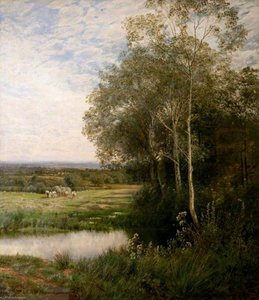
john clayton adams
1840 - 1906
Datos clave
- Artistic Movement Or Style: Romantic Landscape Painting
- Artists Or Movements Influenced By This Artist: ['Romanticism']
- Artists Who Influenced This Artist:
- Benjamin Williams Leader
- George Cole
- William Wilthieu
- Date Of Birth: 1840
- Date Of Death: 1906
- Full Name: John Clayton Adams
- Nationality: English
- Notable Artworks:
- A June Day
- Surrey Flowers
- Homewards
- Place Of Birth: Edmonton, Middlesex (UK)

