

 Ver en contexto
 Enviar
 Compartir
 Detalles

 Descargar
 Similares
 Radiografía
 Presentación de diapositivas
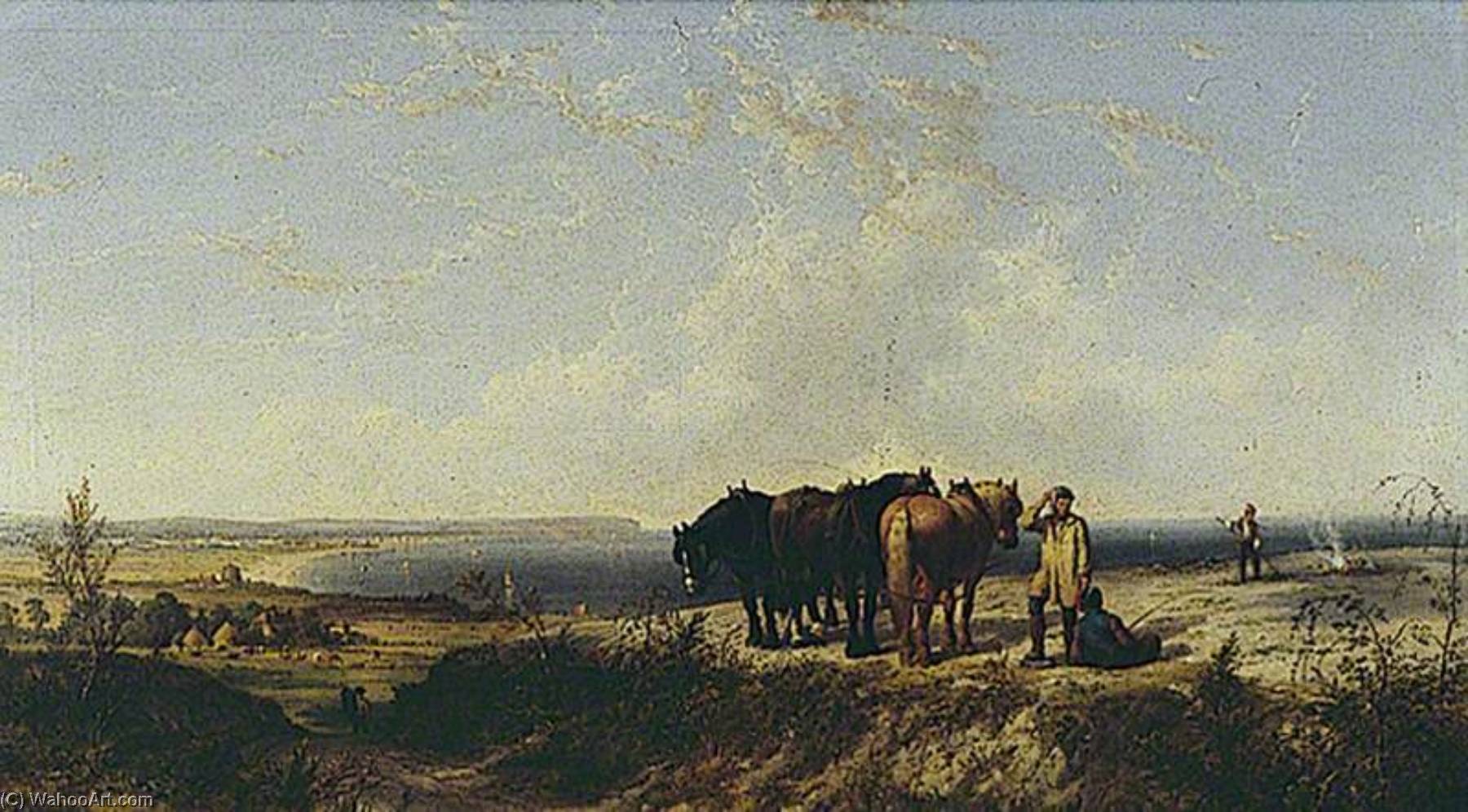
Resting at Plough
 75.0 x 131.0 cm
 Towner Eastbourne
 Ver más
Adquiera una imagen digital de alta resolución y optimizada, muy superior a la vista previa en línea.
Cada archivo es preparado meticulosamente por nuestros especialistas internos mediante el uso de herramientas avanzadas y un experto retoque manual. Nos aseguramos de que cada imagen posea una claridad excepcional, una precisión cromática impecable y un detalle minucioso.
El archivo final se entrega por correo electrónico en un plazo de 72 horas, optimizado para su uso inmediato en entornos profesionales, editoriales y de impresión. Esta es la misma calidad en la que confían los estudios de diseño, las editoriales y las galerías de primer nivel.
Imagen Digital
Descarga un archivo de alta resolución para exhibición personal, impresión y proyectos creativos. ( Comprar impresión Comprar pintura hecha a mano)
Incluido en cada pedido de imágenes digitales
Entrega digital experta, garantizada.
Al elegir ArtsDot.com, no solo está adquiriendo una imagen; está recibiendo una obra de arte digital mejorada profesionalmente, elaborada con precisión y respaldada por una garantía de satisfacción. Esto es todo lo que incluye su pedido, automáticamente:

Entrega rápida por email
Recibirá su archivo de imagen digital en alta resolución por correo electrónico en un plazo de 72 horas tras realizar su pedido, listo para su uso inmediato.

Archivo digital optimizado por IA
Su obra de arte se optimiza profesionalmente mediante herramientas avanzadas de IA y edición manual, garantizando el máximo detalle, claridad y precisión cromática.

Reenvío gratuito de por vida
¿Has borrado o perdido tu archivo por error? No te preocupes: te lo volveremos a enviar en cualquier momento, sin coste adicional.

Sin gastos de importación, siempre
Disfrute de su obra de arte al instante sin aduanas, aranceles ni gastos de envío; las descargas digitales siempre están libres de impuestos.

Garantía de fidelidad de color
Garantizamos que su imagen digital refleje los colores originales con la mayor fidelidad posible, mediante el uso de herramientas profesionales y gestión del color.

Garantía de satisfacción de 100 días
Si no está satisfecho con su imagen digital, la revisaremos o le reembolsaremos el 100% en un plazo de 100 días, sin preguntas.

100% Garantía de devolución de dinero
¿No está satisfecho? Obtenga un reembolso completo dentro de los 100 días posteriores a la recepción de su archivo digital, sin necesidad de explicaciones.

Descuentos por pedidos grandes
Compra 3 imágenes, ahorra 10% - Compra 5, ahorra 15% - Compra 10+, ahorra 20%. Ideal para proyectos creativos, galerías y agencias.
Obras relacionadas









Biografía del artista
John Frederick Tennant: A Painter of Welsh Rivers and Romantic Landscapes
John Frederick Tennant (1796-1872) emerged as a significant figure in 19th-century British art, primarily celebrated for his evocative depictions of the landscapes of Wales and beyond. More than simply a recorder of scenery, Tennant’s work embodies the Romantic spirit—a deep connection to nature, an appreciation for light and atmosphere, and a subtle undercurrent of melancholy. His artistic journey was largely self-directed, honed through observation and a keen eye for detail, though he did benefit from instruction in his early years. Tennant's legacy rests not only on the beauty of his paintings but also on his role as a bridge between the established academic tradition and the burgeoning Romantic movement.
Born in Newcastleton, Yorkshire, into a family with strong agricultural roots—his father was a sheep farmer—Tennant’s early life instilled within him a profound respect for the natural world. He received a modest education, attending St Leonards School in St Andrews and Marlborough College before pursuing studies at the Winchester School of Art, specializing in sculpture. This grounding in three-dimensional form would later inform his approach to landscape painting, imbuing his canvases with a sense of depth and spatial awareness. Notably, Tennant’s family history included connections to prominent figures like Stephen Tennant (a flamboyant socialite), William Cavendish, the 11th Duke of Devonshire, and even the Mitford sisters—connections that subtly shaped his artistic sensibilities.
The Development of a Distinctive Style
Tennant’s artistic style evolved significantly over his long career. Initially influenced by the meticulous detail and atmospheric effects of J.M.W. Turner, he gradually developed a more personal approach, characterized by loose brushwork, vibrant color palettes, and an emphasis on capturing fleeting moments of light and shadow. He was particularly drawn to the dramatic lighting conditions found in Welsh rivers and valleys—the way sunlight filtered through mist-shrouded hillsides, or reflected off the water’s surface. His compositions often feature a sense of quiet contemplation, inviting the viewer to lose themselves in the beauty of the scene.
A key element of Tennant's style was his ability to render the textures and surfaces of nature with remarkable accuracy—the rough bark of trees, the glistening wetness of rocks, the flowing movement of water. He achieved this through a combination of careful observation and a mastery of color theory. His use of complementary colors—such as blues and oranges—created a sense of vibrancy and luminosity that is characteristic of his work. Furthermore, Tennant’s paintings often incorporate subtle details—a shepherd tending to his flock, a lone cottage nestled in the valley—that add narrative depth and human connection to the landscapes.
Subjects and Themes: Rivers, Wales, and Romanticism
Tennant's most celebrated subjects were the rivers and valleys of Wales. He spent considerable time exploring this region, meticulously documenting its diverse scenery—from the dramatic cliffs of the coastline to the tranquil meadows of the interior. His paintings of Welsh rivers—the Wye, the Severn, the Usk—are particularly renowned for their atmospheric quality and sense of scale. These landscapes are not merely picturesque; they evoke a profound emotional response in the viewer, reflecting Tennant’s own deep appreciation for nature's beauty and power.
Beyond Wales, Tennant also painted scenes from other parts of Britain, including Devon and Cornwall. His work often explores themes of solitude, contemplation, and the relationship between humanity and the natural world. Tennant’s paintings are infused with a Romantic sensibility—a belief in the sublime power of nature and its ability to inspire awe and wonder. He was influenced by the writings of poets such as Wordsworth and Coleridge, who celebrated the beauty and spiritual significance of the English countryside.
Legacy and Recognition
John Frederick Tennant exhibited his work at the Royal Academy from 1820 until his death in 1872, gaining recognition for his distinctive style and masterful technique. His paintings are now held in major collections around the world, including the Museum of Montreal. Tennant’s influence can be seen in the works of later landscape painters, particularly those associated with the Pre-Raphaelite Brotherhood and the Aesthetic movement.
Despite not achieving widespread fame during his lifetime, Tennant's work has experienced a resurgence of interest in recent decades. His paintings are valued for their beauty, emotional depth, and historical significance. John Muir House, where Tennant was born, now serves as a museum dedicated to preserving his legacy and showcasing his art. He remains a vital figure in the history of British landscape painting—a painter who captured the essence of Wales and the spirit of the Romantic era.
john f tennant
1796 - 1872
Breves datos
- Artistic Movement Or Style: Romantic Landscape
- Artists Or Movements Influenced By This Artist: ['Tennant & Son']
- Artists Who Influenced This Artist:
- Turner
- Masters
- Date Of Birth: 1796
- Date Of Death: 1872
- Full Name: John Frederick Tennant
- Nationality: British
- Notable Artworks:
- River Landscapes
- Coastal Scenes
- Place Of Birth: Devon, England