

 Enviar
 Compartir
 Detalles

 Descargar
 Similares
 Presentación de diapositivas
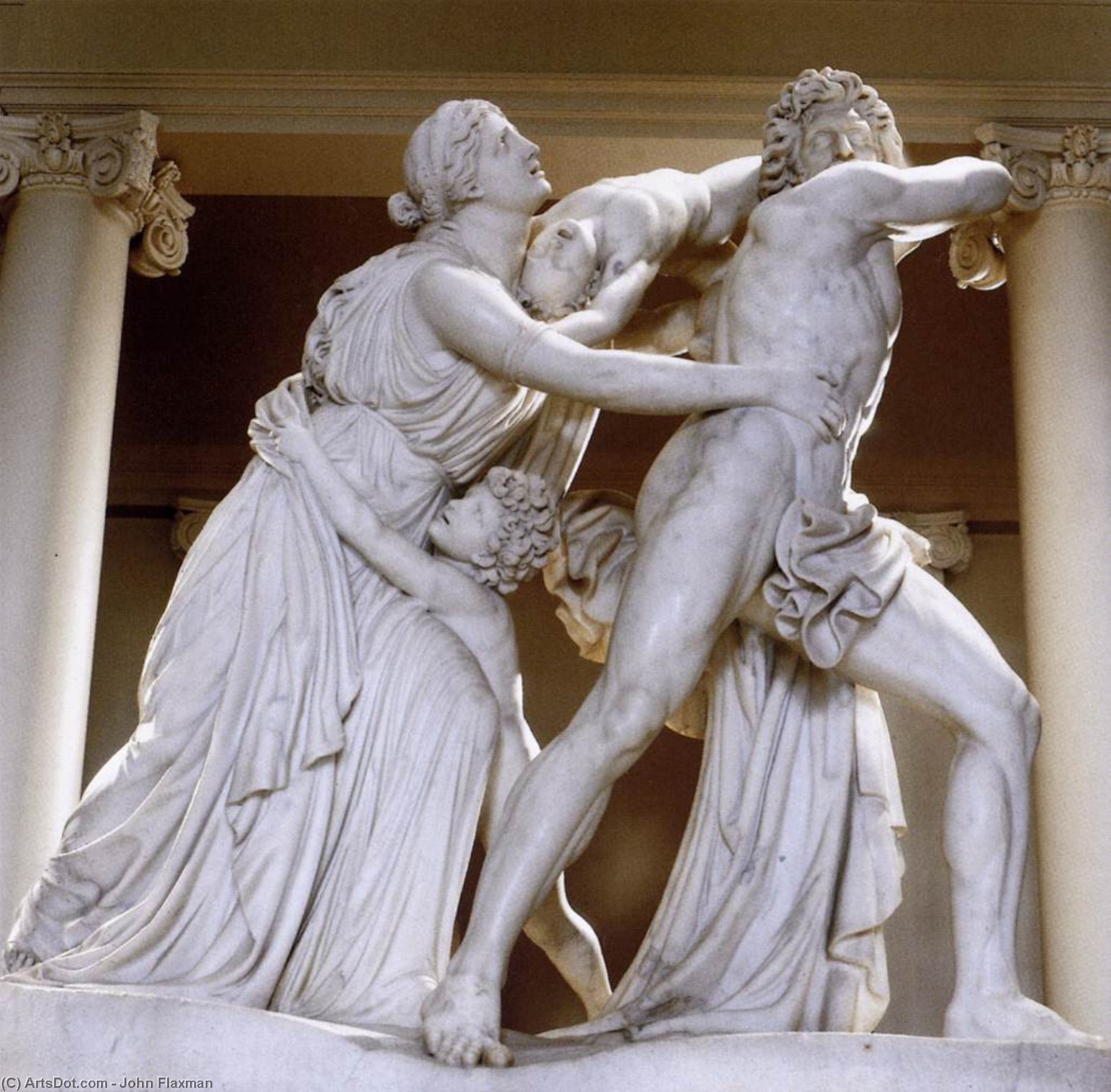
The Fury of Athamas


 Ver más
Adquiera una imagen digital de alta resolución y optimizada, muy superior a la vista previa en línea.
Cada archivo es preparado meticulosamente por nuestros especialistas internos mediante el uso de herramientas avanzadas y un experto retoque manual. Nos aseguramos de que cada imagen posea una claridad excepcional, una precisión cromática impecable y un detalle minucioso.
El archivo final se entrega por correo electrónico en un plazo de 72 horas, optimizado para su uso inmediato en entornos profesionales, editoriales y de impresión. Esta es la misma calidad en la que confían los estudios de diseño, las editoriales y las galerías de primer nivel.
Imagen Digital
Descarga un archivo de alta resolución para exhibición personal, impresión y proyectos creativos. ( Comprar impresión Comprar pintura hecha a mano)
Incluido en cada pedido de imágenes digitales
Entrega digital experta, garantizada.
Al elegir ArtsDot.com, no solo está adquiriendo una imagen; está recibiendo una obra de arte digital mejorada profesionalmente, elaborada con precisión y respaldada por una garantía de satisfacción. Esto es todo lo que incluye su pedido, automáticamente:

Entrega rápida por email
Recibirá su archivo de imagen digital en alta resolución por correo electrónico en un plazo de 72 horas tras realizar su pedido, listo para su uso inmediato.

Archivo digital optimizado por IA
Su obra de arte se optimiza profesionalmente mediante herramientas avanzadas de IA y edición manual, garantizando el máximo detalle, claridad y precisión cromática.

Reenvío gratuito de por vida
¿Has borrado o perdido tu archivo por error? No te preocupes: te lo volveremos a enviar en cualquier momento, sin coste adicional.

Sin gastos de importación, siempre
Disfrute de su obra de arte al instante sin aduanas, aranceles ni gastos de envío; las descargas digitales siempre están libres de impuestos.

Garantía de fidelidad de color
Garantizamos que su imagen digital refleje los colores originales con la mayor fidelidad posible, mediante el uso de herramientas profesionales y gestión del color.

Garantía de satisfacción de 60 días
Si no está satisfecho con su imagen digital, la revisaremos o le reembolsaremos el 100% en un plazo de 60 días, sin preguntas.

100% Garantía de devolución de dinero
¿No está satisfecho? Obtenga un reembolso completo dentro de los 60 días posteriores a la recepción de su archivo digital, sin necesidad de explicaciones.

Descuentos por pedidos grandes
Compra 3 imágenes, ahorra 10% - Compra 5, ahorra 15% - Compra 10+, ahorra 20%. Ideal para proyectos creativos, galerías y agencias.
Descripción del coleccionable
A Drama of Family and Fate: Introducing “The Fury of Athamas”
John Flaxman’s “The Fury of Athamas,” a monumental marble sculpture completed in 1790-1794, isn't merely a depiction of a Greek myth; it’s a visceral exploration of familial discord, the destructive power of unchecked rage, and the tragic consequences of divine retribution. Created during the height of Neoclassical art – a movement striving for order, reason, and an idealized representation of the human form – this work transcends its mythological subject matter to resonate with timeless themes of betrayal, madness, and loss. The sculpture captures a pivotal moment from the tale of Athamas, King of Thebes, driven to murderous fury by his wife Ino’s jealousy and the oracle's decree.

Image: The Fury of Athamas by John Flaxman
Neoclassical Precision and Emotional Intensity
Flaxman’s skill as a sculptor is immediately apparent in the meticulous detail of “The Fury of Athamas.” Executed in pristine white marble, the figures are rendered with an astonishing level of anatomical accuracy – a hallmark of Neoclassicism. Yet, this technical mastery isn't employed to create mere representations; instead, Flaxman uses it to amplify the sculpture’s emotional impact. The strained muscles, contorted faces, and desperate gestures convey a raw intensity rarely seen in earlier sculptural traditions. Note the mother’s forceful grip on her son, a desperate attempt to restrain him from unleashing his rage upon another man – a scene brimming with palpable tension.
The composition itself adheres to Neoclassical principles: a pyramidal structure anchors the scene, drawing the viewer's eye towards the central figure of the mother. The receding architectural elements in the background—suggesting an interior space—add depth and reinforce the sense of confinement and drama. Flaxman’s use of light and shadow is particularly effective, highlighting the textures of the drapery and musculature while simultaneously deepening the emotional weight of the scene.
A Mythological Tapestry Woven with Human Tragedy
The story behind “The Fury of Athamas” is a cautionary tale steeped in Greek mythology. Athamas, initially a virtuous king, was driven to madness by his wife’s jealousy and the oracle's pronouncement that he would be punished for his sins. Consumed by rage, he murdered one of his sons, leading to a cascade of tragic events involving betrayal, death, and divine retribution. Flaxman masterfully captures this descent into chaos, portraying not just the act of violence but also its devastating consequences – the grief, despair, and irreversible damage inflicted upon a family.
The sculpture’s symbolism is rich and layered. The mother represents duty and restraint, struggling to contain her son's destructive impulses. The son embodies uncontrolled rage and the potential for devastation. The setting itself—an interior space—suggests the confines of domestic life and the inescapable nature of familial conflict. It’s a potent reminder that even within the most sacred bonds, darkness can lurk.
A Legacy in Stone: Flaxman's Influence and Beyond
John Flaxman (1755-1826) was a pivotal figure bridging the Rococo era with Neoclassicism. His work extended beyond sculpture to include illustrations for Homer, Dante, and Aeschylus, demonstrating his versatility and deep understanding of classical literature. “The Fury of Athamas” is just one example of Flaxman’s ability to translate complex narratives into powerful visual forms. The sculpture was originally part of a larger collection housed at Ickworth House in Suffolk, England – a magnificent neoclassical palace showcasing the grandeur of British architecture and art. Today, reproductions of this masterpiece continue to inspire awe and contemplation, offering a timeless reflection on the complexities of human nature and the enduring power of myth.
Obras relacionadas
Biografía del artista
A Life Etched in Stone and Line
John Flaxman, born in York in 1755, emerged as a pivotal figure bridging the gap between the waning Rococo era and the ascendant Neoclassicism in Britain. His story is one of remarkable artistic evolution, fueled by both innate talent and diligent study. From humble beginnings assisting his father, a moulder of plaster figures, young John absorbed an early appreciation for form and texture. This practical grounding, coupled with a voracious appetite for classical literature – pursued largely through self-education – laid the foundation for a career that would redefine British sculpture and illustration. His childhood was marked by illness and loss; his mother’s death when he was nine years old profoundly shaped his introspective nature. Yet, even in these early years, his artistic promise shone brightly, winning him accolades from the Society of Arts at just twelve years old. This initial success propelled him into the orbit of London's burgeoning art scene, where friendships with William Blake and Thomas Stothard would prove formative, fostering a lifelong exchange of ideas and creative energy.Wedgwood and the Classical Ideal
Flaxman’s artistic trajectory took a significant turn with his employment by Josiah Wedgwood in 1775. This association wasn't merely a source of income; it was an immersive apprenticeship in translating classical motifs into commercially viable art forms. Modeling reliefs for Wedgwood’s renowned jasperware and basaltware demanded precision, economy of line, and a deep understanding of antique design. The influence of d’Hancarville’s engravings of Greek vases proved particularly potent, shaping Flaxman's aesthetic sensibility towards streamlined elegance and narrative clarity. Designs like the *Apotheosis of Homer* and the *Dancing Hours* weren’t simply decorative elements; they were distillations of classical mythology and allegory, rendered with a newfound emphasis on linear grace. This period honed his skills in relief sculpture, a medium he would masterfully employ throughout his career, particularly in his funerary monuments. It was during this time that Flaxman began to cultivate the style for which he became celebrated – a delicate balance between classical purity and emotional resonance.Roman Reveries and Illustrative Triumph
A transformative journey to Rome in 1787 marked a turning point in Flaxman’s artistic development. Funded partly by Wedgwood, this extended sojourn allowed him to immerse himself directly in the heart of antiquity. He studied not only classical sculpture but also medieval and Renaissance art, broadening his understanding of artistic traditions. More importantly, it was in Rome that he began producing the book illustrations that would secure his lasting fame. Commissions followed for editions of Homer’s *Iliad* and *Odyssey*, Dante’s *Divine Comedy*, and Aeschylus' tragedies. These weren’t mere accompaniments to the text; they were independent works of art, characterized by their stark simplicity, dynamic compositions, and masterful use of line. The illustrations, engraved by figures like Tommaso Piroli, resonated deeply with European audiences, earning Flaxman widespread acclaim – Goethe famously hailed him as “the idol of all dilettanti.” His designs for Dante’s *Divine Comedy*, in particular, proved profoundly influential, inspiring artists such as Goya and Ingres and serving as a crucial resource for art students throughout the 19th century.Monuments to Memory and Lasting Legacy
Upon his return to England, Flaxman established himself as a leading sculptor of funerary monuments. He approached these commissions with a unique sensitivity, eschewing ostentation in favor of restrained elegance and heartfelt emotion. His memorials – found in churches across England, including those dedicated to Thomas Chatterton, Mrs. Morley, and the Rev. Thomas Ball – are characterized by their simplicity, pathos, and rhythmic design. The monument to George Stevens, now housed in the Fitzwilliam Museum, exemplifies his ability to convey profound grief and enduring remembrance through subtle yet powerful forms. His masterful use of line—a hallmark of his style—captured the essence of solemn contemplation and honored the deceased with dignified grace. He left an indelible mark on British art, influencing generations of artists with his elegant style and unwavering commitment to the power of line. His legacy continues to inspire, reminding us of the enduring beauty and profound meaning that can be found in both stone and ink. He remains a testament to the transformative power of artistic vision.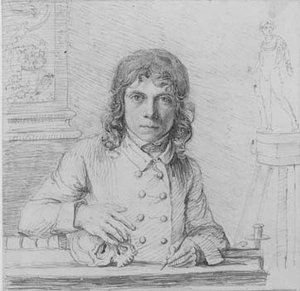
John Flaxman
1755 - 1826 , Estados Unidos
Breves datos
- Artistic Movement Or Style: Neoclasicismo
- Artists Who Influenced This Artist:
- George Romney
- William Blake
- Date Of Birth: 6 julio 1755
- Date Of Death: 7 diciembre 1826
- Full Name: John Flaxman
- Nationality: Británico
- Notable Artworks:
- Saint Michael Overcoming Satan
- The Fight for Body of Patroclus
- Apotheosis of Homer
- Dante's Divine Comedy
- Place Of Birth: York, Estados Unidos

