 Ver en contexto
 Enviar
 Compartir
 Detalles

 Descargar
 Similares
 Radiografía
 Presentación de diapositivas
 Estadísticas
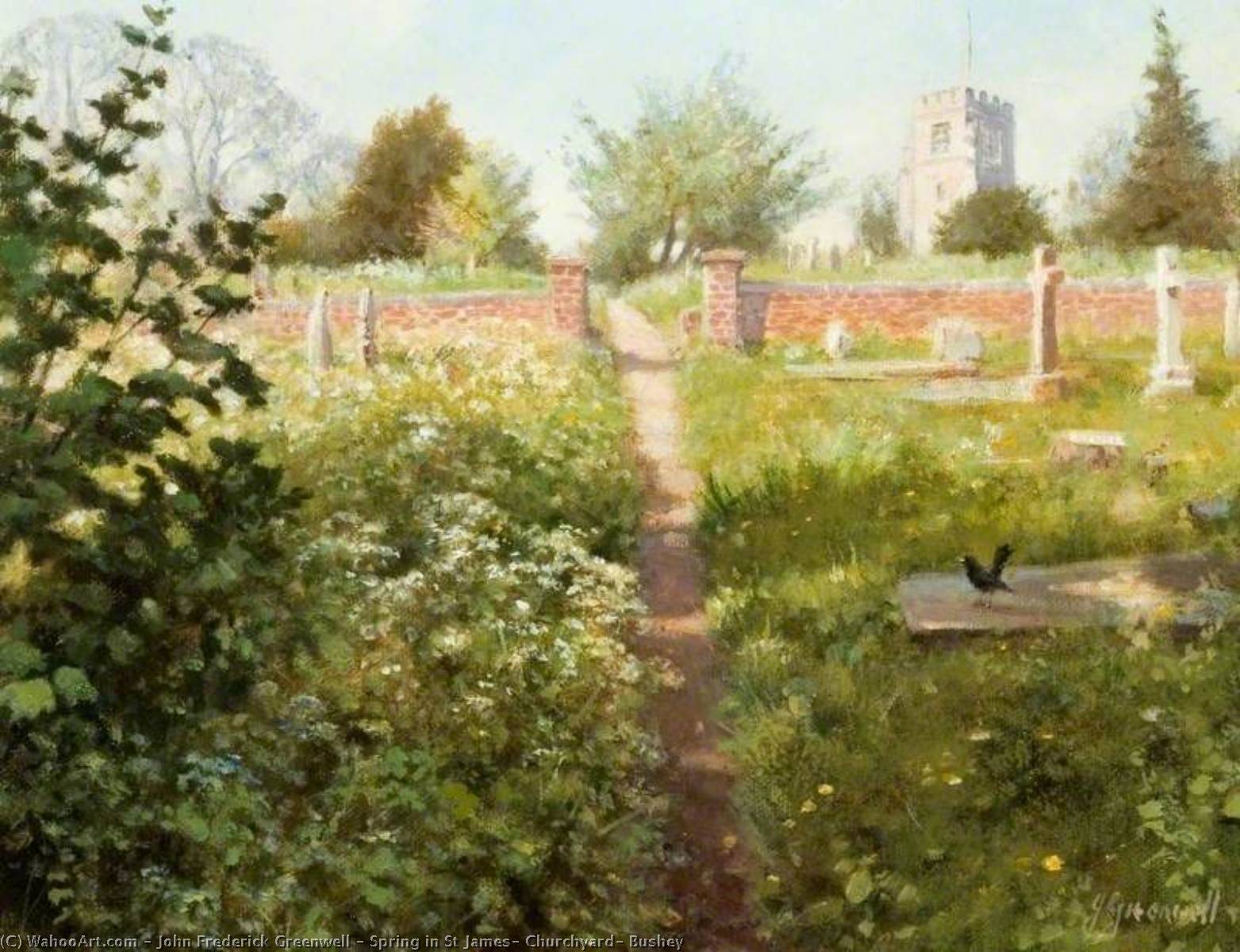
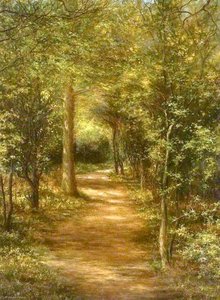
Spring in St James' Churchyard, Bushey
 25.0 x 30.0 cm
 Ver más
Adquiera una imagen digital de alta resolución y optimizada, muy superior a la vista previa en línea.
Cada archivo es preparado meticulosamente por nuestros especialistas internos mediante el uso de herramientas avanzadas y un experto retoque manual. Nos aseguramos de que cada imagen posea una claridad excepcional, una precisión cromática impecable y un detalle minucioso.
El archivo final se entrega por correo electrónico en un plazo de 72 horas, optimizado para su uso inmediato en entornos profesionales, editoriales y de impresión. Esta es la misma calidad en la que confían los estudios de diseño, las editoriales y las galerías de primer nivel.
Imagen Digital
Descarga un archivo de alta resolución para exhibición personal, impresión y proyectos creativos. ( Cambiar a Impresión Comprar pintura hecha a mano)
Incluido en cada pedido de imágenes digitales
Entrega digital experta, garantizada.
Al elegir ArtsDot.com, no solo está adquiriendo una imagen; está recibiendo una obra de arte digital mejorada profesionalmente, elaborada con precisión y respaldada por una garantía de satisfacción. Esto es todo lo que incluye su pedido, automáticamente:

Entrega rápida por email
Recibirá su archivo de imagen digital en alta resolución por correo electrónico en un plazo de 72 horas tras realizar su pedido, listo para su uso inmediato.

Archivo digital optimizado por IA
Su obra de arte se optimiza profesionalmente mediante herramientas avanzadas de IA y edición manual, garantizando el máximo detalle, claridad y precisión cromática.

Reenvío gratuito de por vida
¿Has borrado o perdido tu archivo por error? No te preocupes: te lo volveremos a enviar en cualquier momento, sin coste adicional.

Sin gastos de importación, siempre
Disfrute de su obra de arte al instante sin aduanas, aranceles ni gastos de envío; las descargas digitales siempre están libres de impuestos.

Garantía de fidelidad de color
Garantizamos que su imagen digital refleje los colores originales con la mayor fidelidad posible, mediante el uso de herramientas profesionales y gestión del color.

Garantía de satisfacción de 100 días
Si no está satisfecho con su imagen digital, la revisaremos o le reembolsaremos el 100% en un plazo de 100 días, sin preguntas.

100% Garantía de devolución de dinero
¿No está satisfecho? Obtenga un reembolso completo dentro de los 100 días posteriores a la recepción de su archivo digital, sin preguntas.

Descuentos por pedidos grandes
Compra 3 imágenes, ahorra 10% - Compra 5, ahorra 15% - Compra 10+, ahorra 20%. Ideal para proyectos creativos, galerías y agencias.
Obras relacionadas

Biografía del artista
The Quiet Observer: John Frederick Greenwell and the Soul of the English Landscape
John Frederick Greenwell (born in Bushey, Hertfordshire, England) wasn’t a painter who sought grand pronouncements or dramatic narratives within his canvases. Instead, he cultivated a deeply personal vision – one that found its power in the subtle poetry of rural life, the gentle undulations of the English countryside, and the quiet dignity of everyday scenes. While not a household name like Turner or Constable, Greenwell’s work represents a vital strand of 19th-century British landscape painting, offering a poignant reflection on a changing world and a steadfast commitment to capturing its beauty before it vanished. His paintings are imbued with a sense of nostalgia, but it's not a sentimental longing; rather, it is an almost scientific observation of light, atmosphere, and the delicate interplay between humanity and nature.Early Life and Artistic Formation
Greenwell’s roots were firmly planted in the artistic community of Bushey, a village that became synonymous with a particular strain of idyllic rural painting. His father, also named John Frederick Greenwell, was an accomplished artist who encouraged his son's early talents. The family home, Merry Hill Farm, wasn’t merely a residence but a hub for artists and a source of inspiration. This environment fostered a deep connection to the land and provided young Greenwell with ample opportunities to study directly from nature. He received formal training at the Slade School of Fine Art in London, where he honed his technical skills and absorbed the prevailing aesthetic currents. However, unlike many of his contemporaries who embraced bolder stylistic innovations, Greenwell remained largely committed to a traditional approach, prioritizing meticulous detail and atmospheric realism. His early works already demonstrate a remarkable sensitivity to light and color, foreshadowing the mature style that would define his career. He was influenced by the Barbizon school painters, particularly their focus on plein air painting and naturalistic representation, but he adapted these influences to suit the unique character of the English landscape.A Dedication to Rural Life: Themes and Techniques
Greenwell’s oeuvre is characterized by a consistent thematic focus – the depiction of rural life in Hertfordshire and along the Essex coast. He painted scenes of farm laborers, grazing animals, coastal marshes, and quiet village lanes with an unwavering dedication. His paintings aren't simply topographical records; they are imbued with a sense of empathy for the people and places he portrayed. He wasn’t interested in romanticizing rural life but rather in capturing its authenticity, its hardships as well as its simple pleasures. Technically, Greenwell was a master of oil painting, employing a refined brushstroke and a subtle palette to create luminous effects. He often worked *en plein air*, directly observing the changing light conditions and meticulously rendering the textures of the landscape. His compositions are typically understated, emphasizing horizontal lines and creating a sense of spaciousness and tranquility. The use of muted colors – greens, browns, grays, and blues – further enhances the paintings’ atmospheric quality. He often used glazing techniques to build up layers of color and create depth and luminosity.Major Achievements and Legacy
While Greenwell didn't achieve widespread fame during his lifetime, his work was consistently exhibited at prestigious venues such as the Royal Academy and the Suffolk Street Gallery. His paintings were admired by collectors for their technical skill and evocative atmosphere.- His series of coastal scenes, depicting the marshes and estuaries of Essex, are particularly noteworthy.
- Paintings like “A Quiet Corner” and “Harvest Time at Merry Hill Farm” exemplify his ability to capture the essence of rural life with remarkable sensitivity.
- The preservation of Merry Hill Farm as an art center is a testament to his enduring influence on subsequent generations of artists.