 Ver en contexto
 Enviar
 Compartir
 Detalles

 Descargar
 Similares
 Radiografía
 Presentación de diapositivas
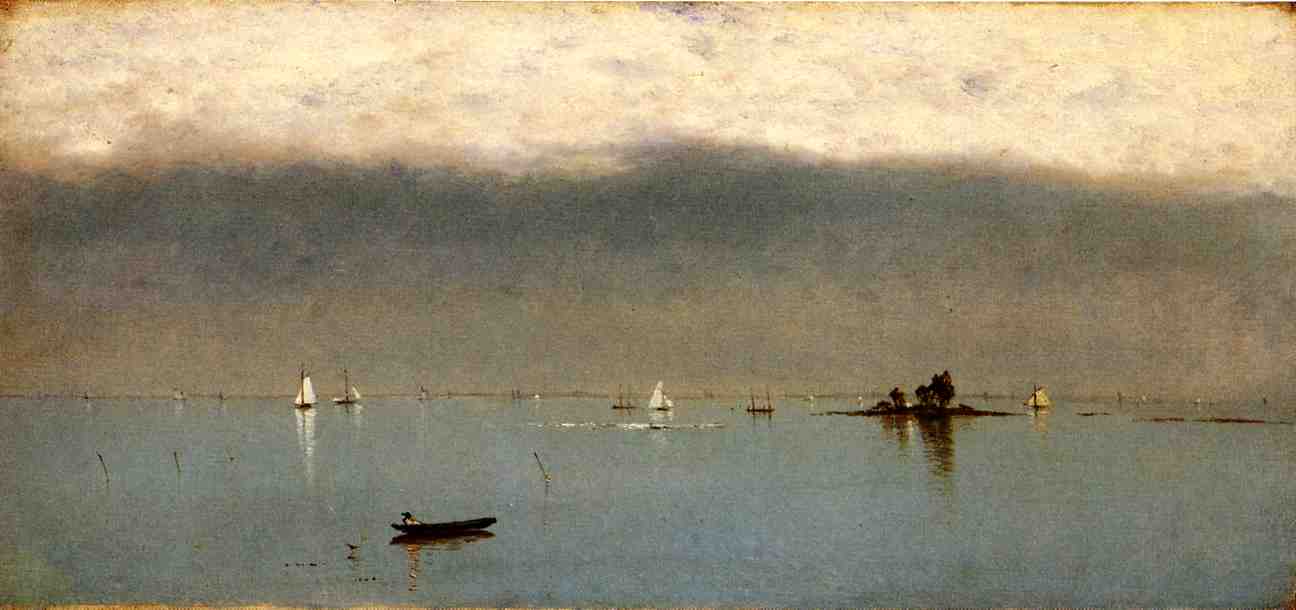
Passing Off of the Storm


 Ver más
Reproducción al óleo hecha a mano
Óleo sobre lienzo pintado a mano en el tamaño y marco de su elección, realizado por encargo por nuestros artistas. ( Comprar impresión Comprar imagen)




P118B $10

P118H $10

P118W $10

P438Z $10

P508JH $12

P508YH $12

P805H $10

P805Z $10

P919BZ $10

P919G $10

P919XJ $10

P959ZH $10

P968JZ $12

W106C $8

W218G $10

W218JH $8

W218Y $10

W307PJ $10

W316G $10

W316PJ $8

W316Y $10

W398PJ $8

W4111J $10

W500HY $15

W500JH $15

W692G $12

W849H $8

W940BG $15

W953PJ $8




Elija entre nuestros tamaños predefinidos que respetan las proporciones originales de la obra.

Puede ingresar sus propias dimensiones para adaptarse a un marco o espacio específico. Si el tamaño seleccionado no coincide con las proporciones de la imagen original, recortaremos la obra o extenderemos la pintura con elementos adicionales pintados a mano. Se le enviará una maqueta digital para su aprobación antes de comenzar la producción.
Tenga en cuenta que la vista previa en pantalla no refleja el recorte o la extensión reales. Solo la maqueta mostrará con precisión la composición final.
Si bien existen tamaños personalizados, recomendamos seleccionar una dimensión de la lista predefinida para preservar las proporciones originales.
Tras realizar el pedido, el equipo de ArtsDot.com enviará un correo electrónico al cliente para solicitar instrucciones y proporcionarle una vista previa del boceto.
Envío a todo el mundo () en 3-4 semanas en lugar de las 5 semanas estándar. (25 agosto). Sin comprometer la calidad.

Envío exprés gratuito a todo el mundo

Lienzo de lino de alta calidad

Seguro de envío total

Garantía de reembolso de impuestos aduaneros

Garantía de fidelidad cromática exacta

Política de devolución de 60 días (solo por defectos)

Garantía de devolución del 100% del dinero

Descuento por cantidad
 La opción de vidrio solo está disponible en tamaños inferiores a 110 cm.

Passing Off of the Storm
Técnica de reproducción
Dimensiones de la reproducción
-


Precio total final
$ 263
Descripción de la obra
A Moment Frozen in Light: John Frederick Kensett’s “Passing Off of the Storm”
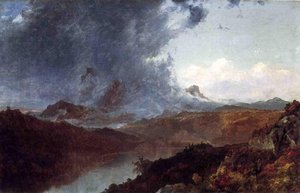
John Frederick Kensett's "Passing off of the Storm," painted in 1872, isn’t merely a landscape; it’s an exquisitely rendered meditation on light, atmosphere, and the sublime power of nature. This work, now housed within the Metropolitan Museum of Art, exemplifies the Luminist movement – a distinctly American branch of the Hudson River School that prioritized capturing fleeting moments of atmospheric illumination rather than detailed topographical representation. Kensett, deeply influenced by the philosophies of Transcendentalism, sought to evoke not just what he saw, but also the *feeling* of being immersed in a vast and powerful natural world.
The scene unfolds across a deceptively simple composition: a tranquil lake reflecting an overcast sky, punctuated by the subtle silhouettes of distant hills. A small rowboat, carrying a solitary figure, drifts across the water’s surface, drawing the viewer's eye into the hazy distance. The color palette is remarkably restrained – muted blues and grays dominate, creating a sense of quiet solemnity. Yet, within this apparent simplicity lies an astonishing depth of observation and technical mastery. Kensett meticulously layered thin washes of oil paint, building up texture and luminosity with remarkable subtlety. Notice how he captures the diffused light filtering through the clouds, transforming them into shimmering bands of color that ripple across the water’s surface.
The Luminist Philosophy: Light as Subject
Kensett's approach to landscape painting was revolutionary for its time. Unlike his predecessors in the Hudson River School, who often focused on dramatic mountain vistas and heroic figures, Kensett prioritized capturing the ephemeral qualities of light and atmosphere. He studied the work of 17th-century Dutch masters – particularly their use of *chiaroscuro* (the contrast between light and dark) – to achieve a similar effect of luminous depth. This shift in focus reflected a broader cultural movement, as artists increasingly sought to capture the subjective experience of nature rather than simply documenting its objective reality.
The title itself, “Passing off of the Storm,” is profoundly evocative. It suggests not an imminent threat, but rather a gradual transformation – the subtle shifting of light and weather that defines the natural world. The storm isn’t raging; it's receding, leaving behind a sense of quiet contemplation and the promise of renewed beauty. This delicate balance between drama and serenity is characteristic of Kensett’s work.
Symbolism and the Human Figure
The solitary figure in the rowboat holds significant symbolic weight. Often interpreted as representing humanity's place within the vastness of nature, it invites reflection on our own insignificance and connection to something larger than ourselves. The boat itself can be seen as a symbol of exploration, both physical and spiritual – a journey into the unknown depths of the natural world. The distant hills, barely discernible through the haze, add another layer of mystery, suggesting the limits of human perception.
Furthermore, Kensett’s choice to depict a relatively calm lake, despite the “storm” in the title, speaks volumes about his artistic sensibility. He wasn't interested in dramatic spectacle; rather, he sought to capture the subtle beauty and inherent tranquility that can be found even amidst atmospheric change. The painting is a testament to Kensett’s ability to distill complex emotions and philosophical ideas into a single, breathtaking image.
A Legacy of Luminosity
"Passing off of the Storm" remains one of Kensett's most celebrated works, admired for its exquisite technical skill, evocative atmosphere, and profound sense of beauty. It’s a painting that invites viewers to slow down, breathe deeply, and contemplate the wonders of the natural world – a timeless reminder of the power of light, color, and quiet contemplation. Reproductions by ArtsDot offer an exceptional opportunity to bring this masterpiece into your home or office, allowing you to experience its luminous beauty firsthand.
Obras relacionadas

Biografía del artista
Una vida dedicada a capturar paisajes serenos
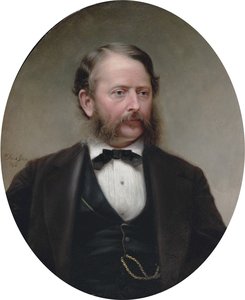
John Frederick Kensett, un artista y grabador estadounidense, nació el 22 de marzo de 1816 en Cheshire, Connecticut. Como miembro de la segunda generación de los artistas de la Escuela del Río Hudson, las obras características de Kensett se distinguen por sus cualidades serenas y luminosas, celebrando los aspectos trascendentales de la naturaleza.Vida temprana y formación
Kensett asistió a la Academia Cheshire y estudió grabado con su padre, Thomas Kensett. Posteriormente trabajó como grabador en New Haven hasta 1838, luego se mudó a Nueva York para trabajar en grabados de billetes bancarios. En 1840, Kensett viajó a Europa para estudiar pintura, perfeccionando sus talentos junto a Benjamin Champney.Establecimiento del estudio y estilo luminista
Después de establecer su estudio en Nueva York, Kensett viajó extensamente por el noreste y las Montañas Rocosas de Colorado, capturando la esencia de estos paisajes. Su estilo evolucionó desde la Escuela tradicional del Río Hudson hasta un enfoque más refinado, luminista, caracterizado por pinceladas desinhibidas que transmiten cualidades de luz atmosférica.- Mount Washington from the Valley of Conway (1851), una pintura icónica, fue comprada por la Unión de Arte Americano y distribuida a 13.000 suscriptores.
- Eaton's Neck, Long Island (1872), un ejemplo primordial del estilo luminista de Kensett, se encuentra ahora en la colección del Museo Metropolitano de Arte en Nueva York.
Desarrollo artístico e influencias
La obra temprana de Kensett debió mucho a la influencia de Thomas Cole, pero desde el principio se distinguió por una preferencia por colores más fríos y un interés en topografías menos dramáticas, favoreciendo la contención tanto en la paleta como en la composición. Durante su estancia en Europa, Kensett desarrolló una apreciación y afinidad por la pintura de paisajes holandesa del siglo XVII. Su viaje a Europa junto con Asher Durand y John William Casilear fue crucial para su desarrollo artístico, permitiéndole estudiar las técnicas de los maestros europeos y refinar su propio estilo.Legado y contribuciones
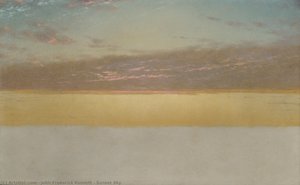
Kensett fue un fundador del Museo Metropolitano de Arte y miembro titular de la Academia Nacional de Diseño. Su obra, ampliamente aclamada durante su vida, continúa influyendo en la pintura de paisajes. Obras clave:- Sunset Sky (ca. 1870), Museo Metropolitano de Arte, Nueva York
- Three Mile Harbor (ca. 1860), Museo de Bellas Artes, Tallahassee
John Frederick Kensett
1816 - 1872 , Estados Unidos de América
Datos clave
- Artistas Que Influyeron:
- Thomas Cole
- Benjamin Champney
- Fecha De Fallecimiento: 14 de diciembre de 1872
- Fecha De Nacimiento: 22 de marzo de 1816
- Lugar De Nacimiento: Cheshire, EE. UU.
- Movimiento Artístico: Hudson River School, Luminismo
- Nacionalidad: Estadounidense
- Nombre Completo: John Frederick Kensett
- Obras Notables:
- Mount Washington from the Valley of Conway
- Eaton's Neck, Long Island
- Sunset Sky
- Three Mile Harbor
Artículos relacionados

John Frederick Kensett: Luminosity, Landscape & the American Identity
Explore the luminous landscapes of John Frederick Kensett, a master of Luminism and key figure in the Hudson River School. Discover his serene paintings & enduring legacy with ArtsDot.
Los 10 Maestros del Río Hudson: Obras que Definieron un Movimiento Artístico
Descubre los 10 lienzos más emblemáticos de la Escuela del Río Hudson. Explora las obras maestras de Thomas Cole, Church y Bierstadt que capturan la belleza del paisaje americano. Encuentra reproducciones de arte exclusivas en ArtsDot.com.

El Sublime Paisaje Americano: Explorando el Movimiento de la Escuela del Río Hudson
Descubre la Escuela del Río Hudson: un movimiento artístico clave en la historia de la pintura estadounidense. Explora su estética romántica, sus artistas más destacados y el concepto del sublime paisaje americano.

John Constable: Las 25 Obras Maestras del Paisaje Inglés | ArtsDot
Descubre las 25 obras maestras de John Constable, el pintor romántico inglés que capturó la belleza del paisaje. Explora su técnica, historia y significado en ArtsDot.com. Reproducciones de arte de alta calidad para tu hogar.
John Singer Sargent: Las 25 Obras Maestras del Retrato y la Belle Époque | ArtsDot
Descubre las 25 obras maestras de John Singer Sargent, el maestro del retrato y la Belle Époque. Explora su técnica impresionista, historias fascinantes y encuentra reproducciones de arte exclusivas para decorar tu hogar con elegancia en ArtsDot.com.