 Ver en contexto
 Enviar
 Compartir
 Detalles

 Descargar
 Similares
 Radiografía
 Presentación de diapositivas
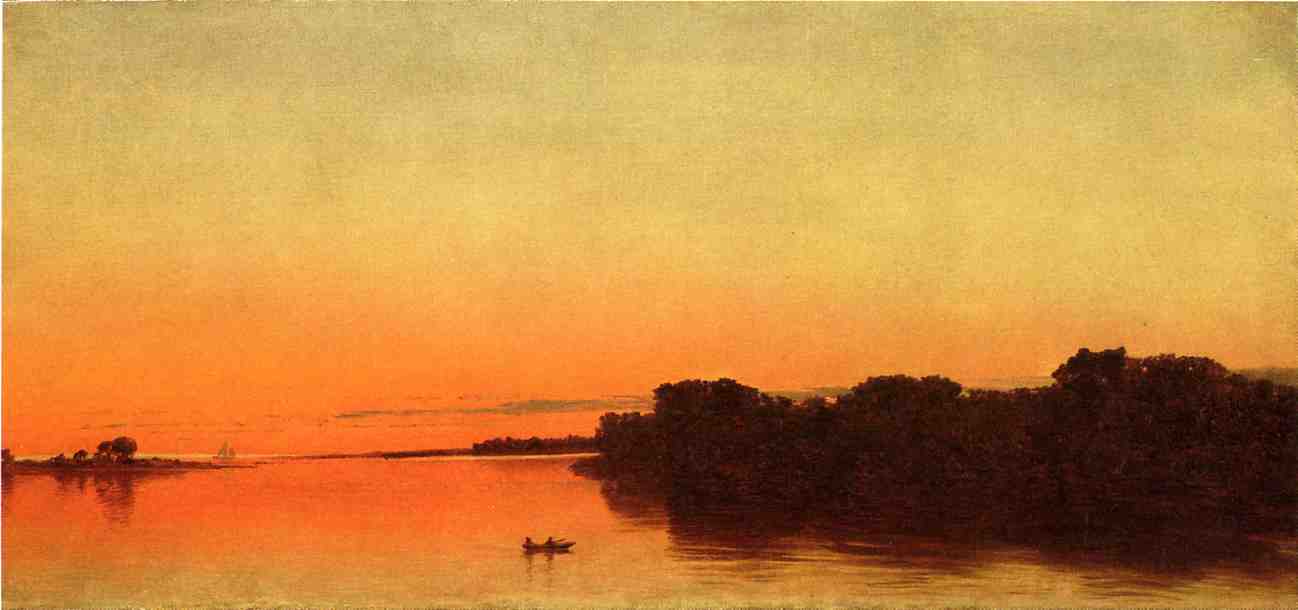
Twilight on the Sound, Darien, Connecticut


 Ver más
Giclée / Impresión de arte
Impresiones giclée o en lienzo de calidad de museo con producción rápida y opciones de acabado flexibles. ( Comprar pintura hecha a mano Comprar imagen)




P118B $10

P118H $10

P118W $10

P438Z $10

P508JH $12

P508YH $12

P805H $10

P805Z $10

P919BZ $10

P919G $10

P919XJ $10

P959ZH $10

P968JZ $12

W106C $8

W218G $10

W218JH $8

W218Y $10

W307PJ $10

W316G $10

W316PJ $8

W316Y $10

W398PJ $8

W4111J $10

W500HY $15

W500JH $15

W692G $12

W849H $8

W940BG $15

W953PJ $8




Elija entre nuestros tamaños predefinidos que respetan las proporciones originales de la obra.

Puede introducir sus propias dimensiones para adaptarse a un marco o espacio específico. Si el tamaño seleccionado no coincide con las proporciones de la imagen original, recortaremos la obra de arte o extenderemos la imagen con un borde con efecto espejo o de color sólido. Se enviará una maqueta digital para su aprobación antes de que comience la producción.
Tenga en cuenta que la vista previa en pantalla no refleja el recorte o la extensión real. Solo la maqueta mostrará con precisión la composición final.
Aunque existen tamaños personalizados, recomendamos seleccionar una dimensión de la lista predefinida para preservar las proporciones originales.
Envío a todo el mundo () en 2 semanas en lugar de las 4/5 semanas estándar. (27 agosto)

Envío exprés gratuito a todo el mundo

Lienzo de lino de alta calidad

Seguro de envío total

Garantía de reembolso de impuestos aduaneros

Garantía de fidelidad cromática exacta

Política de devolución de 60 días (solo por defectos)

Garantía de devolución del 100% del dinero

Descuento por cantidad
 La opción de vidrio solo está disponible en tamaños inferiores a 110 cm.

Twilight on the Sound, Darien, Connecticut
Giclée / Impresión de arte
Dimensiones de la reproducción
-


Precio total final
$ 62
Descripción de la pieza
Twilight on the Sound, Darien, Connecticut: A Luminist Masterpiece
John Frederick Kensett’s “Twilight on the Sound, Darien, Connecticut” isn't merely a depiction of a coastal sunset; it’s an immersion into a serene and contemplative mood. Painted in 1872, during a period when Kensett was deeply committed to capturing the subtle nuances of American light and landscape, this work exemplifies his mastery of Luminism – a style that sought to evoke atmosphere and emotion through delicate brushwork and luminous color palettes. The painting transports us to a quiet evening on Long Island Sound, where the drama of the setting sun is tempered by an underlying sense of tranquility.
The scene unfolds with remarkable precision. A dark, silhouetted island—Darien itself—looms in the distance, anchoring the composition and providing a grounding element against the ethereal glow of the sky. A small boat, rendered with careful attention to detail, glides across the water, its presence suggesting human connection within this vast natural expanse. Two figures are subtly integrated into the landscape, adding a touch of life and scale without disrupting the overall sense of peace. Kensett’s skill lies not in dramatic contrasts but in the subtle gradations of light and shadow, creating an almost palpable atmosphere.
The Language of Luminism
Kensett's approach to painting was profoundly influenced by his time in Europe, particularly his study of the works of J.M.W. Turner. However, he adapted these influences to create a distinctly American style. Unlike the often-bold and dramatic landscapes of the Hudson River School, Kensett favored a more restrained palette—predominantly cool blues, violets, and grays—and employed incredibly fine brushstrokes to build up layers of color and texture. This technique, known as “broken color,” allowed him to capture the fleeting effects of light and atmosphere with remarkable subtlety. The painting’s luminosity isn't achieved through bright highlights but rather through a delicate layering of translucent washes, mimicking the way sunlight filters through clouds or reflects off water.
The composition itself is carefully balanced, drawing the eye across the canvas from left to right. The dark foreground elements—the island and boat—create a sense of depth, while the expansive sky dominates the upper portion of the painting, inviting the viewer to lose themselves in its vastness. Kensett’s use of atmospheric perspective – where distant objects appear paler and less distinct – further enhances this effect, creating an illusion of immense space.
Historical Context and Artistic Significance
“Twilight on the Sound” was painted during a pivotal moment in American art history. The late 19th century witnessed a growing interest in capturing the unique beauty of the American landscape, driven by a desire to establish a distinctly national artistic identity. Kensett’s work played a significant role in this movement, helping to define the aesthetic principles of Luminism and establishing him as one of its leading practitioners. His dedication to portraying the subtle effects of light and atmosphere resonated with a public increasingly seeking solace and inspiration in nature.
Furthermore, Kensett's personal life deeply informed his art. His purchase of an island on Long Island Sound provided him with a private sanctuary—Contentment Island—where he could dedicate himself to capturing the beauty of the surrounding landscape. The painting reflects this deep connection to place and his profound appreciation for the natural world.
A Timeless Evocation of Peace
“Twilight on the Sound, Darien, Connecticut” is more than just a beautiful painting; it’s an invitation to pause and contemplate the serenity of nature. The soft light, the quiet stillness, and the subtle details all combine to create a deeply evocative experience. It's a testament to Kensett's skill as a painter and his ability to capture not only the appearance but also the feeling of a particular moment in time. Reproductions of this masterpiece offer a window into a world of tranquility—a reminder that even amidst the complexities of modern life, there is always beauty to be found in the simple wonders of nature.
Obras relacionadas


Biografía del artista
Una vida dedicada a capturar paisajes serenos
John Frederick Kensett, un artista y grabador estadounidense, nació el 22 de marzo de 1816 en Cheshire, Connecticut. Como miembro de la segunda generación de los artistas de la Escuela del Río Hudson, las obras características de Kensett se distinguen por sus cualidades serenas y luminosas, celebrando los aspectos trascendentales de la naturaleza.Vida temprana y formación
Kensett asistió a la Academia Cheshire y estudió grabado con su padre, Thomas Kensett. Posteriormente trabajó como grabador en New Haven hasta 1838, luego se mudó a Nueva York para trabajar en grabados de billetes bancarios. En 1840, Kensett viajó a Europa para estudiar pintura, perfeccionando sus talentos junto a Benjamin Champney.Establecimiento del estudio y estilo luminista
Después de establecer su estudio en Nueva York, Kensett viajó extensamente por el noreste y las Montañas Rocosas de Colorado, capturando la esencia de estos paisajes. Su estilo evolucionó desde la Escuela tradicional del Río Hudson hasta un enfoque más refinado, luminista, caracterizado por pinceladas desinhibidas que transmiten cualidades de luz atmosférica.- Mount Washington from the Valley of Conway (1851), una pintura icónica, fue comprada por la Unión de Arte Americano y distribuida a 13.000 suscriptores.
- Eaton's Neck, Long Island (1872), un ejemplo primordial del estilo luminista de Kensett, se encuentra ahora en la colección del Museo Metropolitano de Arte en Nueva York.
Desarrollo artístico e influencias
La obra temprana de Kensett debió mucho a la influencia de Thomas Cole, pero desde el principio se distinguió por una preferencia por colores más fríos y un interés en topografías menos dramáticas, favoreciendo la contención tanto en la paleta como en la composición. Durante su estancia en Europa, Kensett desarrolló una apreciación y afinidad por la pintura de paisajes holandesa del siglo XVII. Su viaje a Europa junto con Asher Durand y John William Casilear fue crucial para su desarrollo artístico, permitiéndole estudiar las técnicas de los maestros europeos y refinar su propio estilo.Legado y contribuciones
Kensett fue un fundador del Museo Metropolitano de Arte y miembro titular de la Academia Nacional de Diseño. Su obra, ampliamente aclamada durante su vida, continúa influyendo en la pintura de paisajes. Obras clave:- Sunset Sky (ca. 1870), Museo Metropolitano de Arte, Nueva York
- Three Mile Harbor (ca. 1860), Museo de Bellas Artes, Tallahassee
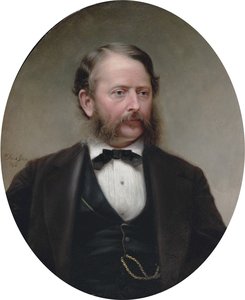
John Frederick Kensett
1816 - 1872 , Estados Unidos de América
Datos clave
- Artistas Que Influyeron:
- Thomas Cole
- Benjamin Champney
- Fecha De Fallecimiento: 14 de diciembre de 1872
- Fecha De Nacimiento: 22 de marzo de 1816
- Lugar De Nacimiento: Cheshire, EE. UU.
- Movimiento Artístico: Hudson River School, Luminismo
- Nacionalidad: Estadounidense
- Nombre Completo: John Frederick Kensett
- Obras Notables:
- Mount Washington from the Valley of Conway
- Eaton's Neck, Long Island
- Sunset Sky
- Three Mile Harbor
Artículos relacionados

John Frederick Kensett: Luminosity, Landscape & the American Identity
Explore the luminous landscapes of John Frederick Kensett, a master of Luminism and key figure in the Hudson River School. Discover his serene paintings & enduring legacy with ArtsDot.
John Singer Sargent: Las 25 Obras Maestras del Retrato y la Belle Époque | ArtsDot
Descubre las 25 obras maestras de John Singer Sargent, el maestro del retrato y la Belle Époque. Explora su técnica impresionista, historias fascinantes y encuentra reproducciones de arte exclusivas para decorar tu hogar con elegancia en ArtsDot.com.

John Constable: Las 25 Obras Maestras del Paisaje Inglés | ArtsDot
Descubre las 25 obras maestras de John Constable, el pintor romántico inglés que capturó la belleza del paisaje. Explora su técnica, historia y significado en ArtsDot.com. Reproducciones de arte de alta calidad para tu hogar.

John Frederick Lewis: Orientalism, Detail & Genre Painting in 19th-Century British Art
Explore the captivating Orientalist paintings of John Frederick Lewis! Discover his mastery of detail, genre scenes & influence on 19th-century British art. Learn about his life, techniques & legacy at ArtsDot.
John Frederick Herring Sr.: Equestrian Mastery & the Rise of Sporting Art in Victorian England
Explore the life & work of John Frederick Herring Sr., a leading Victorian equestrian artist. Discover his masterpieces, patronage, techniques & investment potential. Expert insights for collectors.