 Vista previa
 Compartir
 Compartir
 Ver detalles

 Descargar
 Ver similares
 Radiografía
 Presentación de diapositivas
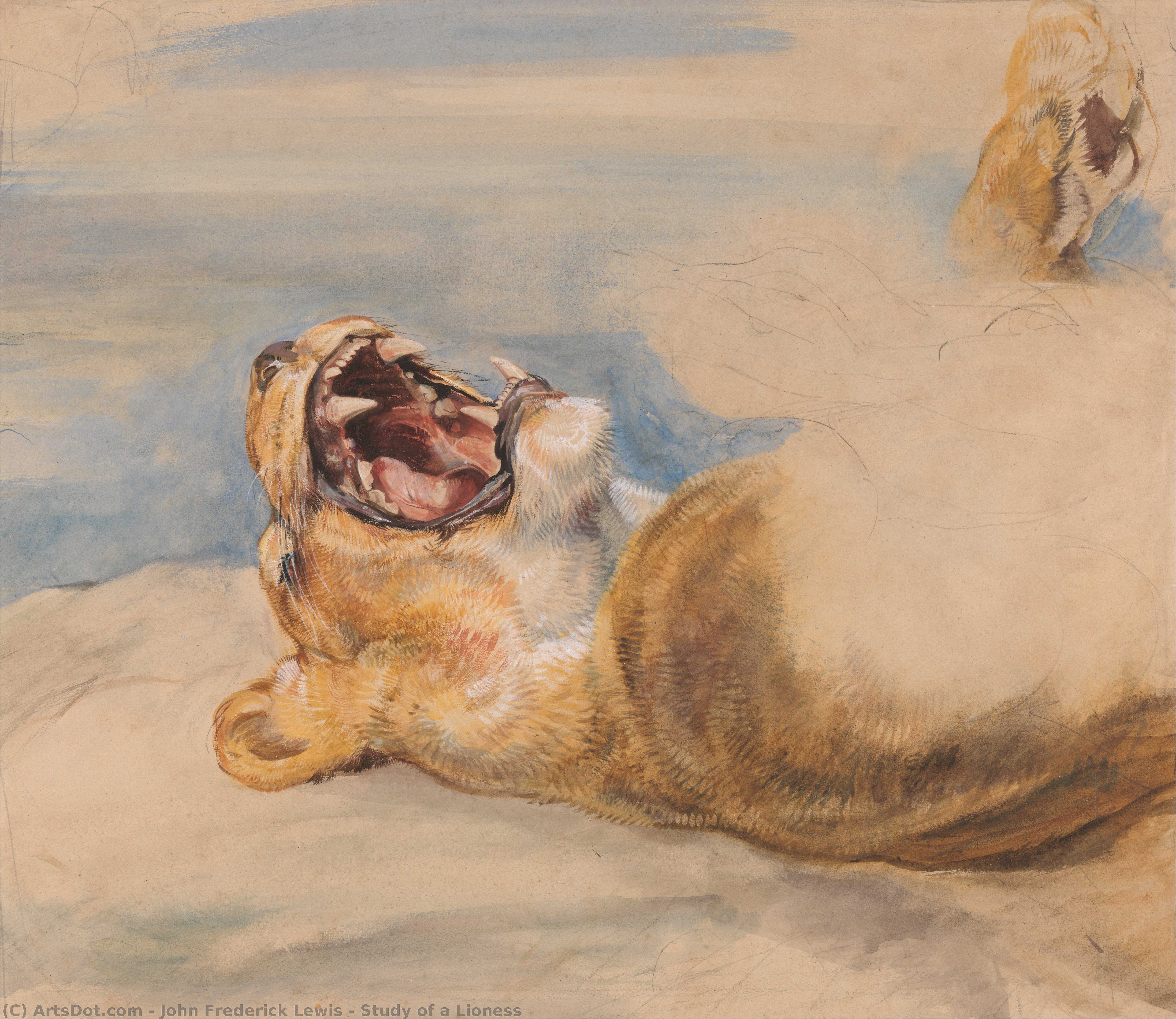
Study of a Lioness


 Leer más
Reproducción al óleo hecha a mano
Óleo sobre lienzo pintado a mano en el tamaño y marco de su elección, realizado por encargo por nuestros artistas. ( Pedir impresión Comprar descarga)




P118B $10

P118H $10

P118W $10

P438Z $10

P508JH $12

P508YH $12

P805H $10

P805Z $10

P919BZ $10

P919G $10

P919XJ $10

P959ZH $10

P968JZ $12

W106C $8

W218G $10

W218JH $8

W218Y $10

W307PJ $10

W316G $10

W316PJ $8

W316Y $10

W398PJ $8

W4111J $10

W500HY $15

W500JH $15

W692G $12

W849H $8

W940BG $15

W953PJ $8




Elija entre nuestros tamaños predefinidos que respetan las proporciones originales de la obra.

Puede ingresar sus propias dimensiones para adaptarse a un marco o espacio específico. Si el tamaño seleccionado no coincide con las proporciones de la imagen original, recortaremos la obra o extenderemos la pintura con elementos adicionales pintados a mano. Se le enviará una maqueta digital para su aprobación antes de comenzar la producción.
Tenga en cuenta que la vista previa en pantalla no refleja el recorte o la extensión reales. Solo la maqueta mostrará con precisión la composición final.
Si bien existen tamaños personalizados, recomendamos seleccionar una dimensión de la lista predefinida para preservar las proporciones originales.
Tras realizar el pedido, el equipo de ArtsDot.com enviará un correo electrónico al cliente para solicitar instrucciones y proporcionarle una vista previa del boceto.
Envío a todo el mundo () en 3-4 semanas en lugar de las 5 semanas estándar. (19 agosto). Sin comprometer la calidad.

Envío exprés gratuito a todo el mundo

Lienzo de lino de alta calidad

Seguro de envío completo

Garantía de reembolso de aranceles aduaneros

Garantía de fidelidad cromática exacta

Política de devolución de 60 días (solo por defectos)

Garantía de devolución del 100% del dinero

Oferta por volumen
 La opción de vidrio solo está disponible en tamaños inferiores a 110 cm.

Study of a Lioness
Técnica de reproducción
Tamaño de la reproducción
-


Precio total
$ 263
Descripción de la obra
A Study in Serenity: John Frederick Lewis’s Lioness
John Frederick Lewis's "Study of a Lioness," painted circa 1824-1827, is more than just a depiction of a majestic animal; it’s a carefully constructed tableau of quiet contemplation and subtle observation. This watercolor masterpiece, now housed within the Yale Center for British Art, offers a rare glimpse into the artist's meticulous approach to capturing both the physical form and the psychological state of his subjects – a hallmark of the Orientalist movement he so powerfully championed. The painting immediately draws the eye with its earthy palette: ochres, browns, and sandy yellows dominate, creating an atmosphere of sun-drenched stillness that contrasts sharply with the inherent power of the lioness herself.
Lewis’s technique is remarkably detailed for a watercolor, showcasing his mastery of layering and glazing. He doesn't simply render the animal; he builds up textures – the coarse fur, the damp earth beneath her paws, the subtle shadows that define her musculature. The loose brushstrokes in the background sky, punctuated by wisps of cloud, provide a sense of depth and distance, while the precise rendering of the lioness’s features—her open mouth, slightly parted as if in a gentle yawn or perhaps a moment of repose – invites us to interpret her state of mind. The graphite underdrawing, barely visible beneath the watercolor washes, adds an additional layer of control and precision to the composition.
Origins in Orientalism and the Exotic
Lewis’s work firmly places him within the burgeoning field of Orientalist painting, a genre that flourished during the 19th century. This movement wasn't simply about depicting the East; it was an attempt to understand and represent cultures vastly different from Western European norms. Lewis, having spent considerable time in Egypt and later traveling through Spain and Morocco, developed a deep appreciation for Islamic art and architecture, which profoundly influenced his style. The lioness itself, a symbol of strength and royalty across many cultures, becomes imbued with a particular resonance within this context – representing both the raw power of nature and the refined beauty of the East.
The painting’s creation coincided with a period of intense European fascination with the Middle East, fueled by exploration, trade, and political intrigue. Lewis's meticulous attention to detail reflects this broader cultural trend, aiming to capture not just the appearance of the subject but also the atmosphere and spirit of its environment. The inclusion of two figures in the background – their identities deliberately ambiguous – adds a layer of narrative complexity, suggesting a scene of human interaction within the larger landscape.
Symbolism and Emotional Resonance
Beyond its technical brilliance, “Study of a Lioness” resonates with profound emotional depth. The lioness’s posture—relaxed yet alert—evokes a sense of quiet dignity and self-assuredness. She is not depicted as a predator actively hunting; instead, she appears to be enjoying a moment of respite, embodying a connection to the natural world. The sandy ground beneath her paws grounds the image in the earth, while the sky above offers a sense of limitless space.
The painting’s overall effect is one of serene contemplation—a reminder that even within the most powerful creatures, there exists a capacity for stillness and grace. It's a testament to Lewis’s ability to capture not just the outward appearance of his subjects but also their inner essence, inviting viewers to contemplate the beauty and complexity of both the natural world and the human experience.
A Legacy in Reproduction
Reproductions of “Study of a Lioness” offer an accessible way to appreciate Lewis’s artistry and the rich cultural context of his work. Whether displayed as a statement piece in a contemporary interior or studied closely for its technical details, this painting continues to captivate audiences with its timeless beauty and profound emotional resonance. The meticulous detail and evocative atmosphere make it a perfect addition to any collection, offering a window into the world of Orientalist art and the artistic vision of John Frederick Lewis.
Obras relacionadas

Biografía del artista
John Frederick Lewis: Una Vida en la Pintura Orientalista
Primeros Años y Formación
John Frederick Lewis, un destacado pintor orientalista inglés, nació el 14 de julio de 1804 en Londres. Era hijo de Frederick Christian Lewis, grabador y pintor paisajista. Este trasfondo familiar artístico sin duda influyó en su desarrollo temprano. Su formación formal comenzó bajo la tutela de Sir Thomas Lawrence, donde perfeccionó sus habilidades junto a otros artistas como Edwin Landseer. Este período fundamental le inculcó un sólido entendimiento de la técnica y la composición.
Carrera Artística y Desarrollo
La carrera artística de Lewis se desarrolló a través de varias fases distintas, cada una marcada por estilos y enfoques temáticos en evolución:
- Período Orientalista: Lewis emprendió extensos viajes por la región mediterránea, capturando su esencia con precisión en detalladas pinturas al aguafuerte y óleo. A menudo revisaba composiciones, representándolas en múltiples medios.
- Influencias Españolas y Marroquíes (1832-1834): Un viaje a España y Marruecos resultó decisivo. Producir numerosos litografías que posteriormente se publicaron como “Sketches and Drawings of the Alhambra” (1835) y “Lewis’s Sketches of Spain and Spanish Character” (1836).
- Período Egipcio (1841-1851): Su estancia en El Cairo fue, sin duda, la más productiva. Aquí perfeccionó su estilo orientalista, creando obras detalladas que mostraban tanto escenas de género realistas como representaciones idealizadas de interiores egipcios de clase alta.
Obras Notables
Lewis creó un importante cuerpo de trabajo celebrado por su meticuloso detalle y atmósfera evocadora. Algunas de sus obras más reconocidas incluyen:
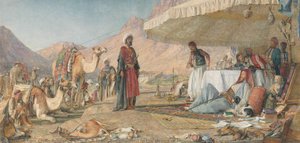
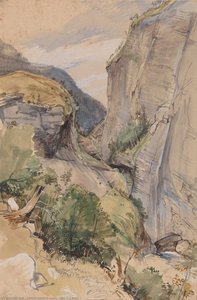
- A Bedouin (Yale Center for British Art, New Haven) – Un aguafuerte que ejemplifica su estilo orientalista.
- The Ramesseum at Thebes (Yale Center for British Art, New Haven) – Demostrando su notable atención al detalle arquitectónico.
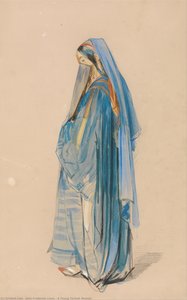
- A Young Turkish Woman (Yale Center for British Art, New Haven) – Otro ejemplo impactante de su obra orientalista.
- Harem Life in Constantinople - Una detallada pintura al óleo que representa la vida doméstica otomana.
Influencias y Estilo Artístico
El estilo de Lewis fue moldeado por varias influencias, siendo las más notables Sir Thomas Lawrence's énfasis en el retrato y la composición. Sin embargo, su observación directa de las culturas del Medio Oriente le permitió desarrollar una estética única caracterizada por:
- Meticuloso Detalle: Un compromiso con la representación precisa de texturas, patrones y elementos arquitectónicos.
- Paleta de Colores Rica: Empleando tonos vibrantes inspirados en los paisajes y los atuendos que encontró.
- Escenas de Género e Interior: Centrándose en la vida cotidiana y los entornos domésticos íntimos.
Legado e Importancia Histórica
La contribución de Lewis al mundo del arte reside en su importante papel en el desarrollo de la pintura orientalista. Sus representaciones meticulosas de la arquitectura islámica, los muebles y los atuendos establecieron nuevos estándares de realismo dentro del género. Ayudó a popularizar una visión romántica pero detallada del Oriente entre el público occidental. Después de regresar a Inglaterra en 1851, continuó pintando hasta su muerte el 15 de agosto de 1876 en Walton-on-Thames.
Su obra continúa siendo estudiada y admirada por su mérito artístico e información histórica sobre las percepciones del Oriente en el siglo XIX.
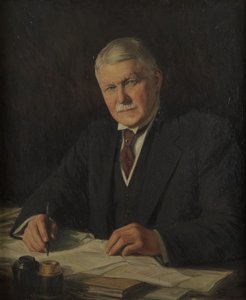
John Frederick Lewis
1804 - 1876 , United Kingdom
Datos clave
- Artistic Movement Or Style: Orientalismo
- Artists Who Influenced This Artist: ['Sir Thomas Lawrence']
- Country: Reino Unido
- Date Of Birth: 14 Jul 1804
- Full Name: John Frederick Lewis
- Nationality: Británico
- Notable Artworks:
- A Bedouin
- El Ramesseum en Tebas
- Una joven mujer turca
- Place Of Birth: Londres
Artículos relacionados
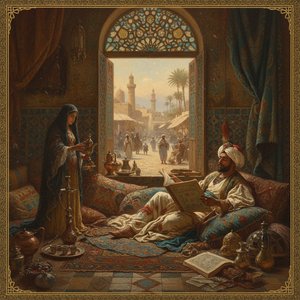
John Frederick Lewis: Orientalism, Detail & Genre Painting in 19th-Century British Art
Explore the captivating Orientalist paintings of John Frederick Lewis! Discover his mastery of detail, genre scenes & influence on 19th-century British art. Learn about his life, techniques & legacy at ArtsDot.

Acuarelas Legendarias: 10 Obras Maestras que Transformaron el Arte | ArtsDot
Descubre 10 acuarelas legendarias de Turner, Monet y Sargent que revolucionaron el arte. Explora la historia, técnica y belleza de estas obras maestras impresionistas y románticas. Reproducciones de museo en ArtsDot.com.

Ephemeral Visions: Exploring the Artistic Legacy & Contemporary Practice of Watercolor Painting
Explore the captivating world of watercolor painting! Discover its rich history, essential techniques, influential artists & collecting tips. A comprehensive guide for art enthusiasts from ArtsDot.

John Singer Sargent: Las 25 Obras Maestras del Retrato y la Belle Époque | ArtsDot
Descubre las 25 obras maestras de John Singer Sargent, el maestro del retrato y la Belle Époque. Explora su técnica impresionista, historias fascinantes y encuentra reproducciones de arte exclusivas para decorar tu hogar con elegancia en ArtsDot.com.
Animalia: Explorando la Presencia Duradera de los Animales en el Arte y el Diseño de Interiores
Descubre la fascinante historia de los animales en el arte y cómo inspirar tu hogar con su simbolismo. Expertos en reproducciones y asesoramiento artístico.