 Ver en contexto
 Enviar
 Compartir
 Detalles

 Descargar
 Similares
 Radiografía
 Presentación de diapositivas
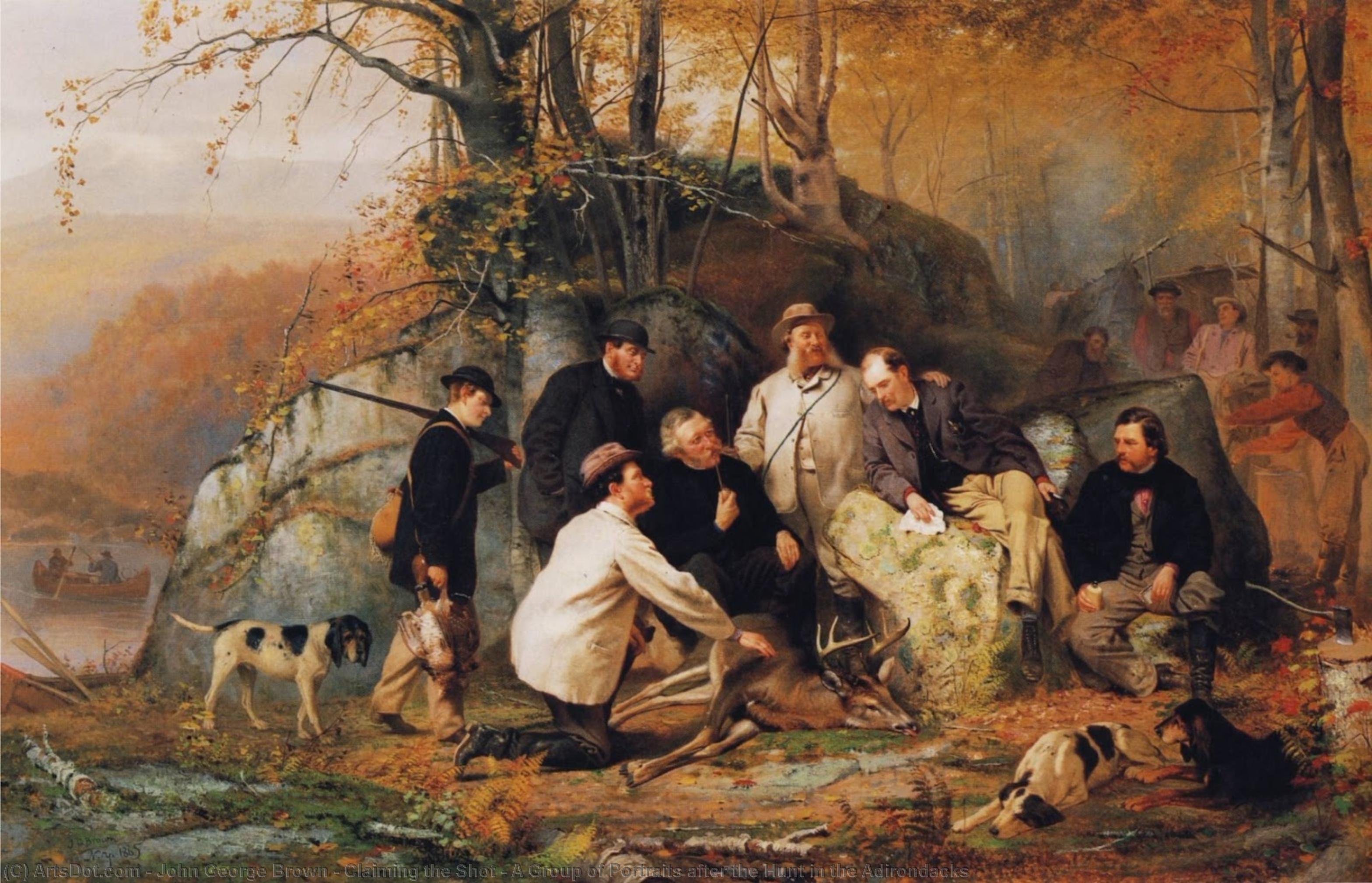
Claiming the Shot - A Group of Portraits after the Hunt in the Adirondacks


 Ver más
Reproducción al óleo hecha a mano
Óleo sobre lienzo pintado a mano en el tamaño y marco de su elección, realizado por encargo por nuestros artistas. ( Comprar impresión Comprar imagen)




P118B $10

P118H $10

P118W $10

P438Z $10

P508JH $12

P508YH $12

P805H $10

P805Z $10

P919BZ $10

P919G $10

P919XJ $10

P959ZH $10

P968JZ $12

W106C $8

W218G $10

W218JH $8

W218Y $10

W307PJ $10

W316G $10

W316PJ $8

W316Y $10

W398PJ $8

W4111J $10

W500HY $15

W500JH $15

W692G $12

W849H $8

W940BG $15

W953PJ $8




Elija entre nuestros tamaños predefinidos que respetan las proporciones originales de la obra.

Puede ingresar sus propias dimensiones para adaptarse a un marco o espacio específico. Si el tamaño seleccionado no coincide con las proporciones de la imagen original, recortaremos la obra o extenderemos la pintura con elementos adicionales pintados a mano. Se le enviará una maqueta digital para su aprobación antes de comenzar la producción.
Tenga en cuenta que la vista previa en pantalla no refleja el recorte o la extensión reales. Solo la maqueta mostrará con precisión la composición final.
Si bien existen tamaños personalizados, recomendamos seleccionar una dimensión de la lista predefinida para preservar las proporciones originales.
Tras realizar el pedido, el equipo de ArtsDot.com enviará un correo electrónico al cliente para solicitar instrucciones y proporcionarle una vista previa del boceto.
Envío a todo el mundo () en 3-4 semanas en lugar de las 5 semanas estándar. (2 septiembre). Sin comprometer la calidad.

Envío exprés gratuito a todo el mundo

Lienzo de lino de alta calidad

Seguro de envío total

Garantía de reembolso de impuestos aduaneros

Garantía de fidelidad cromática exacta

Política de devolución de 60 días (solo por defectos)

Garantía de devolución del 100% del dinero

Descuento por cantidad
 La opción de vidrio solo está disponible en tamaños inferiores a 110 cm.

Claiming the Shot - A Group of Portraits after the Hunt in the Adirondacks
Técnica de reproducción
Dimensiones de la reproducción
-


Precio total final
$ 463
A Moment Frozen in Time: John George Brown’s “Claiming the Shot”
John George Brown's "Claiming the Shot – A Group of Portraits after the Hunt in the Adirondacks," painted in 1865, isn’t merely a depiction of a hunting scene; it’s a carefully constructed tableau of American masculinity and the burgeoning spirit of frontier life. More than just a record of a successful hunt, the painting captures a potent blend of camaraderie, triumph, and the quiet dignity of men engaged in a ritual deeply rooted in their environment. Brown, a British-born artist who found his artistic voice in the vibrant streets of New York City, masterfully translated European genre traditions into a distinctly American visual language.
The scene unfolds within the dense, brooding landscape of the Adirondack Mountains – a region that represented both opportunity and challenge for those venturing westward. The composition is meticulously balanced: a fallen deer, the centerpiece of their pursuit, lies at the heart of the gathering, its presence immediately drawing the eye. Around it cluster six men, rendered with remarkable detail in Brown’s signature style. Their clothing—hunting jackets, vests, and trousers—speak to both practicality and status, reflecting the social hierarchy of the era. The dogs, integral participants in this pursuit, add a layer of energy and instinct to the scene, their postures mirroring the hunters' own focused intent.
The Language of Detail: Technique and Style
Brown’s skill lies not just in his ability to capture a moment but in his meticulous rendering of texture and light. Executed in oil on canvas, the painting showcases a rich, almost velvety surface achieved through careful layering of paint. Notice the subtle variations in tone across the men's clothing – the sheen of their jackets, the rough weave of their trousers – all contributing to a sense of realism that grounds the scene in tangible detail. The artist’s use of color is restrained yet effective; browns and greens dominate, reflecting the autumnal hues of the Adirondack forest, while touches of red and yellow punctuate the scene with flashes of excitement and triumph.
The painting's academic style—a hallmark of Brown’s training at the National Academy of Design – emphasizes accuracy and a sense of established tradition. However, it’s within this framework that Brown introduces a distinctly American sensibility. The figures aren’t idealized heroes; they are men of the land, weathered by the elements and bound together by shared experience. The slightly flattened perspective, common in academic painting, serves to focus attention on the narrative unfolding before us, rather than creating dramatic illusions of depth.
Symbolism and the American Frontier
“Claiming the Shot” is rich with symbolic meaning. The hunt itself represents a fundamental aspect of American identity – a connection to nature, a test of skill and courage, and a demonstration of masculine prowess. The act of “claiming the shot,” as the title suggests, signifies both victory and ownership—a claim on the bounty of the wilderness. Yet, there’s also an underlying tension in the scene; the men are not celebrating with unrestrained joy but rather with a quiet, almost solemn respect for their prize.
The setting – the remote Adirondack Mountains – further reinforces this symbolism. The vastness and wildness of the landscape represent both opportunity and danger, mirroring the challenges faced by those who sought to carve out a life in the American West. The painting can be interpreted as an allegory for the broader themes of westward expansion, the relationship between humans and nature, and the evolving values of American society during a period of rapid transformation.
A Legacy of Observation: Brown’s Enduring Appeal
John George Brown's "Claiming the Shot" remains a compelling work of art because it captures a specific moment in time with remarkable clarity and emotional resonance. His ability to portray the nuances of human interaction within a carefully observed natural setting speaks to his keen eye for detail and his understanding of American culture. The painting’s enduring appeal lies not only in its technical mastery but also in its evocative portrayal of a bygone era—a time when the frontier spirit still held sway and the pursuit of opportunity shaped the lives of countless Americans. It's a window into a world both familiar and distant, inviting us to contemplate the values and traditions that continue to shape our own.
Obras relacionadas
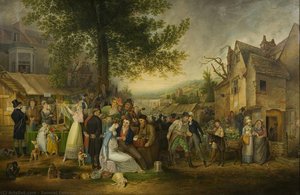
Biografía del artista
John George Brown: Una Vida Dedicada a Capturar la Infancia Americana
- Nacido: Durham, Reino Unido (1831)
- Fallecido: 1913
John George Brown fue un artista británico-estadounidense reconocido por sus pinturas de género que representan la vida de los niños en Estados Unidos durante el siglo XIX. Su obra ofrece una visión conmovedora de la sociedad victoriana, centrándose particularmente en las experiencias de los niños callejeros y la juventud rural.
Primeros Años y Formación Artística
- Primeros Años: La primera etapa de Brown estuvo marcada por circunstancias modestas. Nacido en Durham, Inglaterra, comenzó a trabajar en una fábrica de vidrio a los catorce años para ayudar a mantener a su familia.
- Autoeducación: A pesar de la limitada formación formal, Brown demostró un talento artístico innato y se dedicó a su autoeducación a través de clases nocturnas en la Escuela de Diseño de Newcastle. Posteriormente estudió en la Academia de los Curadores en Edimburgo.
- Inmigración a América: En 1853, Brown emigró a los Estados Unidos, estableciéndose en Brooklyn, Nueva York. Este movimiento resultó fundamental para su carrera artística.
- Estudios Formales: Tras llegar a América, continuó sus estudios en la Graham Art School y la National Academy of Design, perfeccionando sus habilidades bajo instructores como Thomas Seir Cummings.
Carrera Artística y Estilo Característico
- Primeros Retratos: Brown se estableció inicialmente como retratista, pero gradualmente cambió su enfoque hacia escenas de género.
- El Auge del Género "Niño Callejero": A partir de la década de 1860, fue celebrado por sus representaciones de niños callejeros – lustrabotas, vendedores de periódicos y floristas – capturando sus vidas cotidianas con un detalle y una empatía notables. Estas pinturas resonaron profundamente en un público ansioso por ver representaciones de la vida estadounidense.
- Influencias: El estilo de Brown estuvo influenciado por la Escuela Barbizon, conocida por su énfasis en la pintura de paisajes y las representaciones realistas de la vida cotidiana. También admiraba el uso dramático de la luz y el color de William Turner.
- Características Distintivas: Sus pinturas se caracterizan por una representación sentimental pero observadora de la infancia, a menudo imbuida de connotaciones morales. La meticulosa atención al detalle de Brown, particularmente en la representación de la ropa y los alrededores, es notable.
- Éxito Comercial: Un hombre de negocios astuto, Brown protegió con derechos de autor muchos de sus trabajos más populares, lo que llevó a su amplia reproducción como cromolitografías e impresiones fotográficas, mejorando aún más su fama y éxito financiero.
Obras Principales y Significado Histórico
- Pinturas Notables: Algunas de las obras más conocidas de Brown incluyen "The Net Mender" (El Redentores) y "The First Point", que ejemplifican su capacidad para capturar la belleza de la vida cotidiana. “Claiming the Shot - A Group of Portraits after the Hunt in the Adirondacks” (Reclamando el disparo – Un grupo de retratos después de la caza en los Adirondacks) es otra obra significativa, que muestra una escena grupal con un realismo notable.
- Representación de la América Victoriana: Las pinturas de Brown ofrecen valiosas perspectivas sobre la sociedad estadounidense del siglo XIX, particularmente sobre las vidas de los niños trabajadores y el cambiante paisaje urbano.
- Comentario Moral: Su trabajo a menudo transmitía un mensaje moral sutil, reflejando su creencia en la importancia del trabajo duro, la honestidad y la resiliencia.
- Presencia en Museos: Las pinturas de Brown se encuentran en prestigiosas colecciones, incluyendo la Galería Nacional de Londres y el Instituto de Arte de Detroit.
Últimos Años y Legado
- Cambio hacia la Representación de los Ancianos: En sus últimos años, el enfoque artístico de Brown se desplazó hacia la representación de personas mayores, a menudo representadas en entornos rurales, evocando una sensación de nostalgia por un pasado más sencillo.
- Actividad Artística Continua: Siguió siendo un miembro activo de varias instituciones artísticas, incluyendo la American Watercolor Society y la National Academy of Design, sirviendo como vicepresidente de esta última desde 1899 hasta 1904.
- Impacto Duradero: John George Brown dejó atrás una obra significativa que continúa siendo admirada por su conmovedora representación de la infancia estadounidense y su perspicaz descripción de la sociedad victoriana. Es recordado como uno de los pintores de género más ricos de Estados Unidos en el momento de su muerte, un testimonio tanto de su talento artístico como de su habilidad empresarial.
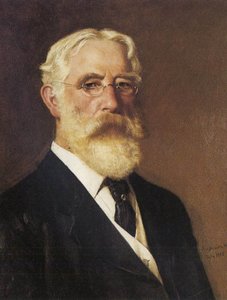
John George Brown
1831 - 1913 , Reino Unido
Datos clave
- Artistas Influyentes: ['William Turner']
- Fecha De Fallecimiento: 8 de febrero de 1913
- Fecha De Nacimiento: 11 de noviembre de 1831
- Lugar De Nacimiento: Durham, Reino Unido
- Movimiento Artístico: Barbizon, Género
- Nacionalidad: Británico-Americano
- Nombre Completo: John George Brown
- Obras Notables:
- The Net Mender
- The First Point
- Claiming the Shot
Artículos relacionados

Georges Braque: Las 25 Obras Maestras del Cubismo y su Legado en el Arte Moderno
Descubre las 25 obras maestras de Georges Braque, pionero del cubismo. Explora su innovadora técnica, colores y el legado del arte moderno francés. Reproducciones de alta calidad en ArtsDot.com. ¡Encuentra tu inspiración!
John George Brown: Capturing American Life & Sentiment in 19th-Century Genre Painting
Explore the captivating genre paintings of John George Brown, celebrated for his realistic depictions of 19th-century American life. Discover his legacy & find museum-quality reproductions at ArtsDot.

Georges Seurat: Las 25 Obras Maestras del Pionero Puntillista | ArtsDot
Descubre las 25 obras maestras de Georges Seurat, el innovador del puntillismo. Explora su técnica única, colores vibrantes y legado artístico en ArtsDot.com. Reproducciones de arte de museo para tu hogar.

John Singer Sargent: Las 25 Obras Maestras del Retrato y la Belle Époque | ArtsDot
Descubre las 25 obras maestras de John Singer Sargent, el maestro del retrato y la Belle Époque. Explora su técnica impresionista, historias fascinantes y encuentra reproducciones de arte exclusivas para decorar tu hogar con elegancia en ArtsDot.com.

John Constable: Las 25 Obras Maestras del Paisaje Inglés | ArtsDot
Descubre las 25 obras maestras de John Constable, el pintor romántico inglés que capturó la belleza del paisaje. Explora su técnica, historia y significado en ArtsDot.com. Reproducciones de arte de alta calidad para tu hogar.