 Vista previa
 Compartir
 Compartir
 Ver detalles

 Descargar
 Ver similares
 Radiografía
 Presentación de diapositivas
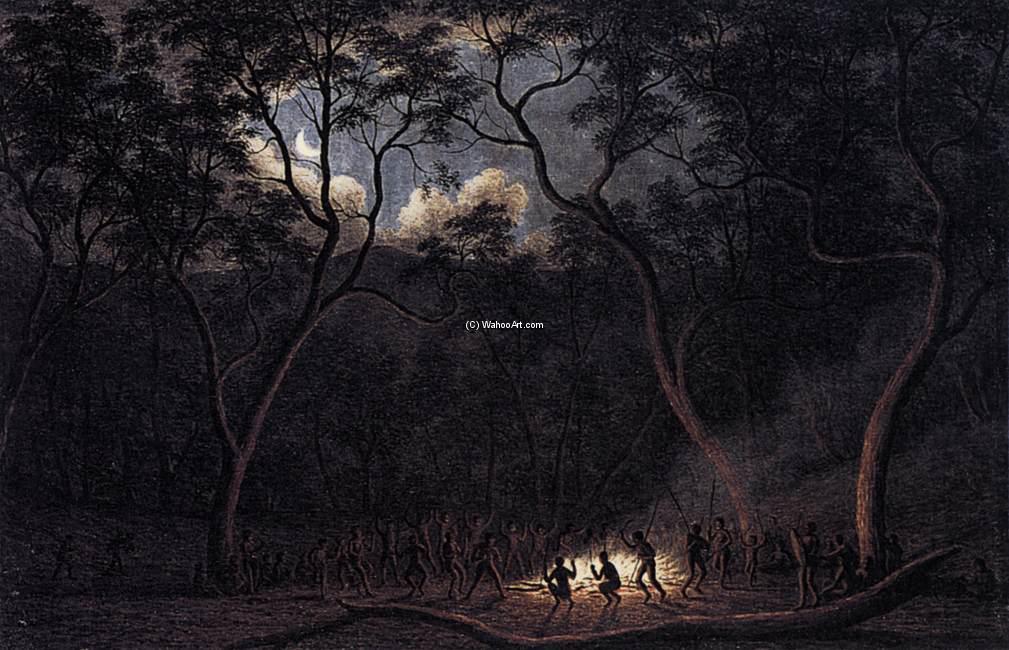
A Corroboree in Van Diemen's Land
 Oil On Canvas
- WallArt
- Romanticism
 1840
1840- 19th Century
 77.0 x 115.0 cm
 Museo del Louvre
 Leer más
Reproducción al óleo hecha a mano
Óleo sobre lienzo pintado a mano en el tamaño y marco de su elección, realizado por encargo por nuestros artistas. ( Pedir impresión Comprar descarga)




P118B $10

P118H $10

P118W $10

P438Z $10

P508JH $12

P508YH $12

P805H $10

P805Z $10

P919BZ $10

P919G $10

P919XJ $10

P959ZH $10

P968JZ $12

W106C $8

W218G $10

W218JH $8

W218Y $10

W307PJ $10

W316G $10

W316PJ $8

W316Y $10

W398PJ $8

W4111J $10

W500HY $15

W500JH $15

W692G $12

W849H $8

W940BG $15

W953PJ $8




Elija entre nuestros tamaños predefinidos que respetan las proporciones originales de la obra.

Puede ingresar sus propias dimensiones para adaptarse a un marco o espacio específico. Si el tamaño seleccionado no coincide con las proporciones de la imagen original, recortaremos la obra o extenderemos la pintura con elementos adicionales pintados a mano. Se le enviará una maqueta digital para su aprobación antes de comenzar la producción.
Tenga en cuenta que la vista previa en pantalla no refleja el recorte o la extensión reales. Solo la maqueta mostrará con precisión la composición final.
Si bien existen tamaños personalizados, recomendamos seleccionar una dimensión de la lista predefinida para preservar las proporciones originales.
Tras realizar el pedido, el equipo de ArtsDot.com enviará un correo electrónico al cliente para solicitar instrucciones y proporcionarle una vista previa del boceto.
Envío a todo el mundo () en 3-4 semanas en lugar de las 5 semanas estándar. (22 agosto). Sin comprometer la calidad.

Envío exprés gratuito a todo el mundo

Lienzo de lino de alta calidad

Seguro de envío completo

Garantía de reembolso de aranceles aduaneros

Garantía de fidelidad cromática exacta

Política de devolución de 60 días (solo por defectos)

Garantía de devolución del 100% del dinero

Oferta por volumen
 La opción de vidrio solo está disponible en tamaños inferiores a 110 cm.

A Corroboree in Van Diemen's Land
Técnica de reproducción
Tamaño de la reproducción
-


Precio total
$ 488
Descripción de la obra
The Mystique of Moonlight and Ceremony
This evocative canvas, depicting A Corroboree in Van Diemen's Land, transports the viewer into a moment suspended between the earthly and the spiritual. It is more than a mere depiction of an Aboriginal gathering; it is a profound meditation on culture, resilience, and the enduring power of ritual set against the vast, mysterious backdrop of the Australian wilderness. The scene unfolds under a luminous, ethereal moonlight, casting the central clearing into a soft, dramatic glow that seems to emanate from the very heart of the ceremony itself. One can almost hear the rhythmic beat of unseen drums and feel the warmth radiating from the communal fire, anchoring the human drama within the grandeur of nature.
Romantic Echoes in Technique and Tone
The style is deeply rooted in Romanticism, a movement that prized emotion and the sublime over mere objective reality. John Glover, whose hand graces this work, masterfully employs an atmospheric approach to capture mood rather than just form. Observe how the artist handles the light: moonlight serves as the primary illuminator, diffusing shadows across the figures engaged in their sacred dance. The palette is a rich tapestry of deep forest greens, earthy browns, and velvety blacks, punctuated by the warm, vital contrast of the firelight. Technically, the layering of oil paint suggests an almost palpable texture—the rough bark of the surrounding trees, the density of the foliage, and the ephemeral wisps of smoke rising into the cool night air. The visible yet blended brushwork speaks to a skilled hand at work, building depth through subtle gradations rather than harsh outlines.
Compositional Harmony and Depth
The composition guides the eye with an almost deliberate grace. Tall, framing trees flank the scene, acting as natural proscenium arches that direct our gaze inexorably toward the central action. The artist achieves a breathtaking sense of depth through atmospheric perspective; the foreground figures are richly detailed, while the background recedes into softer, hazier tones, enhancing the illusion of immense space. This careful structuring—the horizontal sweep across the clearing balanced by the vertical thrust of the surrounding trunks—creates a visual harmony that feels both encompassing and intimate at the same time.
Symbolism and Enduring Resonance
To view this painting is to engage with layers of symbolism. The corroboree itself represents cultural continuity, a vital thread of tradition woven into the fabric of the land. Set against the backdrop of early colonial encounters, the scene carries an undercurrent of poignant significance—a portrayal of deep-rooted culture persisting beneath the gaze of history. The moonlight often symbolizes the spiritual or the eternal, lending the entire gathering an air of reverence and mystery. For the collector or designer, this piece offers not just decoration, but a narrative anchor; it speaks to themes of connection, primal ritual, and the enduring spirit of place.
Obras relacionadas

Biografía del artista
Primeros Años y Desarrollo Artístico
- Nacido: 18 de febrero de 1767, Houghton-on-the-Hill, Leicestershire, Inglaterra
- Fallecido: 9 de diciembre de 1849, Launceston, Tasmania, Australia
- Talento temprano para el dibujo y la caligrafía.
- Nombrado maestro de escritura en la Escuela Libre de Appleby.
- Comenzó a pintar al óleo y acuarela, recibiendo instrucción de William Payne y posiblemente John 'Warwick' Smith.
- Desarrolló una habilidad para representar vistas pintorescas de la naturaleza a través de excursiones de bocetos.
Carrera en Inglaterra y Estilo Artístico
- Se convirtió en miembro de la Sociedad de Acuarelistas Antiguos en 1805, sirviendo como presidente en 1807.
- Expuso extensamente en la Royal Academy y la Sociedad de Artistas Británicos.
- Conocido por paisajes románticos "Italianizantes" de Gran Bretaña y el sur de Europa.
- Desarrolló un estilo influenciado por Claude Lorrain, lo que le valió el apodo de “el Claude inglés”.
- Su obra se caracterizaba por cielos luminosos, composiciones armoniosas y una representación idealizada de la naturaleza.
- Estableció su propia galería en Londres en 1820.
Emigración a Australia y Transformación Artística
- Emigró a Van Diemen's Land (Tasmania) en 1831 con su familia.
- Adquirió una gran concesión de tierras en Mills Plains, llamándola Patterdale después de un lugar en el Distrito del Lago.
- Adaptó su estilo artístico al paisaje australiano, moviéndose hacia un enfoque más naturalista y atmosférico.
- Desarrolló una comprensión de las cualidades únicas del medio ambiente tasmano, particularmente los árboles de eucalipto.
- Su paleta cambió para incluir verdes oliva, ocres, grises brumosos e intensos azules, capturando los efectos de la luz australiana.
Obras Principales y Significado Histórico
- Obras notables incluyen "Launceston y el río Tamar", "At Matlock - niebla ascendente" y "Nativos en el río Ouse, Van Diemen's Land".
- "Nativos en el río Ouse, Van Diemen’s Land" refleja las nociones europeas de un paisaje antípodo idílico.
- Considerado el “padre de la pintura del paisaje australiano” por sus representaciones pioneras del bush australiano.
- Su obra marcó una ruptura con los estilos artísticos coloniales anteriores y estableció un nuevo enfoque para representar el mundo natural en Australia.
- La Sociedad John Glover se estableció para honrar su legado, comisionando una estatua y otorgando un premio anual por pinturas de paisajes tasmanos.
Legado e Influencia
- La obra de Glover continúa siendo celebrada por su belleza, habilidad técnica y significado histórico.
- Sus pinturas se conservan en importantes galerías de arte de Australia y a nivel internacional.
- Es reconocido como una figura clave en el desarrollo de la pintura del paisaje australiano y un contribuyente significativo a la historia del arte colonial.
- Su capacidad para capturar la luz y la atmósfera únicas del paisaje tasmano sigue siendo muy apreciada por artistas y entusiastas del arte por igual.
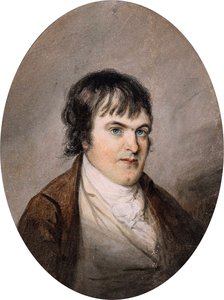
John Glover
1767 - 1849 , Reino Unido
Datos clave
- Artistas Que Influyeron:
- Claude Lorrain
- Thomas Gainsborough
- Richard Wilson
- Fecha De Fallecimiento: 9 de diciembre de 1849
- Fecha De Nacimiento: 18 de febrero de 1767
- Lugar De Nacimiento: Leicester, Reino Unido
- Movimiento Artístico: Pintura paisajística romántica
- Nacionalidad: Británico
- Nombre Completo: John Glover
- Obras Notables:
- Launceston y el río Tamar
- At Matlock - niebla ascendente
- Nativos en el río Ouse
Artículos relacionados

John Constable: Las 25 Obras Maestras del Paisaje Inglés | ArtsDot
Descubre las 25 obras maestras de John Constable, el pintor romántico inglés que capturó la belleza del paisaje. Explora su técnica, historia y significado en ArtsDot.com. Reproducciones de arte de alta calidad para tu hogar.

Paisajes Románticos: 10 Obras Maestras que Definieron un Movimiento Artístico
Descubre los 10 paisajes románticos más influyentes de artistas como Caspar David Friedrich y Turner. Explora la belleza, el simbolismo y las técnicas del movimiento romántico. Reproducciones de arte exclusivas en ArtsDot.com.

John Singer Sargent: Las 25 Obras Maestras del Retrato y la Belle Époque | ArtsDot
Descubre las 25 obras maestras de John Singer Sargent, el maestro del retrato y la Belle Époque. Explora su técnica impresionista, historias fascinantes y encuentra reproducciones de arte exclusivas para decorar tu hogar con elegancia en ArtsDot.com.
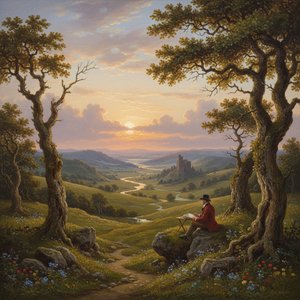
John Varley I: Intimate Observation & the British Romantic Landscape
Explore the serene landscapes of John Varley I, a key figure in British Romanticism. Discover his unique watercolour style, collaboration with William Blake & lasting artistic legacy. Learn about collecting Varley's work.
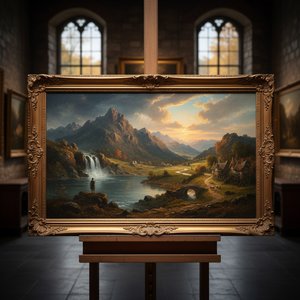
El Sublime y lo Pintoresco: Explorando la Emoción y la Naturaleza en la Pintura Romántica de Paisaje
Explora la profunda conexión entre el arte romántico y la naturaleza. Descubre a Caspar David Friedrich, John Constable y otros maestros del sublime y lo pintoresco. Análisis experto e historia del movimiento.