 Vista previa
 Compartir
 Compartir
 Ver detalles

 Descargar
 Ver similares
 Radiografía
 Presentación de diapositivas
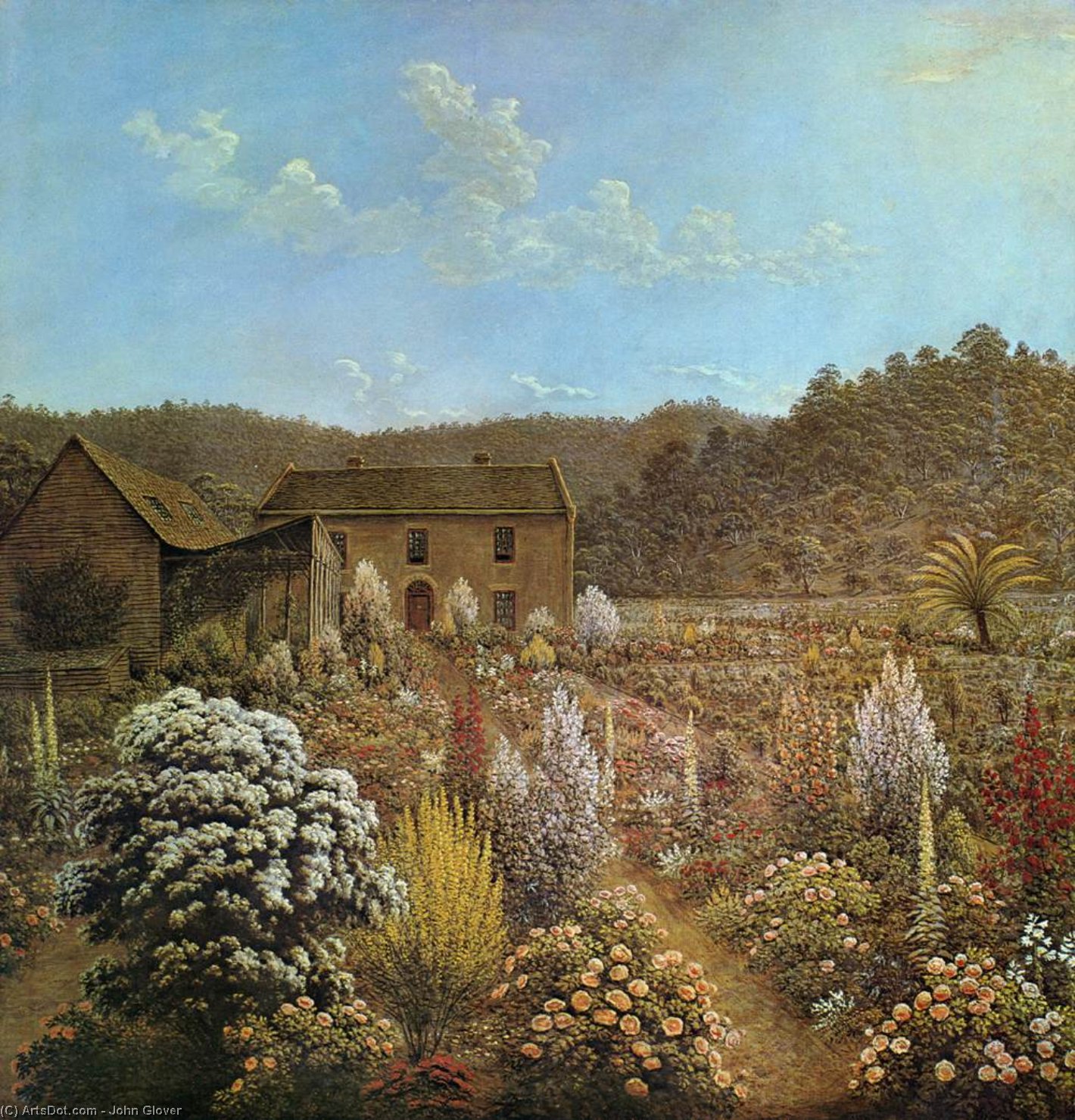
The Artist's House and Garden


 Leer más
Reproducción al óleo hecha a mano
Óleo sobre lienzo pintado a mano en el tamaño y marco de su elección, realizado por encargo por nuestros artistas. ( Pedir impresión Comprar descarga)




P118B $10

P118H $10

P118W $10

P438Z $10

P508JH $12

P508YH $12

P805H $10

P805Z $10

P919BZ $10

P919G $10

P919XJ $10

P959ZH $10

P968JZ $12

W106C $8

W218G $10

W218JH $8

W218Y $10

W307PJ $10

W316G $10

W316PJ $8

W316Y $10

W398PJ $8

W4111J $10

W500HY $15

W500JH $15

W692G $12

W849H $8

W940BG $15

W953PJ $8




Elija entre nuestros tamaños predefinidos que respetan las proporciones originales de la obra.

Puede ingresar sus propias dimensiones para adaptarse a un marco o espacio específico. Si el tamaño seleccionado no coincide con las proporciones de la imagen original, recortaremos la obra o extenderemos la pintura con elementos adicionales pintados a mano. Se le enviará una maqueta digital para su aprobación antes de comenzar la producción.
Tenga en cuenta que la vista previa en pantalla no refleja el recorte o la extensión reales. Solo la maqueta mostrará con precisión la composición final.
Si bien existen tamaños personalizados, recomendamos seleccionar una dimensión de la lista predefinida para preservar las proporciones originales.
Tras realizar el pedido, el equipo de ArtsDot.com enviará un correo electrónico al cliente para solicitar instrucciones y proporcionarle una vista previa del boceto.
Envío a todo el mundo () en 3-4 semanas en lugar de las 5 semanas estándar. (22 agosto). Sin comprometer la calidad.

Envío exprés gratuito a todo el mundo

Lienzo de lino de alta calidad

Seguro de envío completo

Garantía de reembolso de aranceles aduaneros

Garantía de fidelidad cromática exacta

Política de devolución de 60 días (solo por defectos)

Garantía de devolución del 100% del dinero

Oferta por volumen
 La opción de vidrio solo está disponible en tamaños inferiores a 110 cm.

The Artist's House and Garden
Técnica de reproducción
Tamaño de la reproducción
-


Precio total
$ 263
Descripción de la obra
John Glover: Capturing Tranquility in Rural England
John Glover (1767 – 1849), born in Leicestershire, England, possessed an innate artistic sensibility that blossomed early in life. From humble beginnings as the youngest son of a farming family at Houghton-on-the-Hill, young John demonstrated a remarkable talent for both drawing and calligraphy. This skill led to his appointment as a writing master at the Free School in Appleby, providing him with a stable foundation while nurturing his burgeoning artistic inclinations. During this period, Glover began to explore painting in oil and watercolour, receiving instruction from notable artists like William Payne and potentially John Warwick Smith – formative influences that instilled within him a deep appreciation for picturesque views and a dedication to capturing the beauty of the natural world through sketching tours. These expeditions would define his artistic journey for decades to come.- Early Life & Artistic Foundations: Glover’s upbringing fostered a passion for observation and representation, shaping his approach to art from its inception.
- Instruction & Influences: His training under skilled painters like Payne instilled technical proficiency and broadened his artistic horizons.
- Sketching Tours: Glover's commitment to capturing landscapes directly from nature became a cornerstone of his oeuvre, reflecting the Romantic movement’s fascination with sublime beauty.
A View of the Artist’s House and Garden – Mills Plains
Glover’s masterpiece, “A View of the Artist’s House and Garden,” painted in 1835, exemplifies his signature style: a meticulously rendered depiction of rural England bathed in the soft glow of late afternoon sunlight. Located near Launceston, Tasmania, this landscape showcases Glover's farmhouse nestled amidst a flourishing garden—a testament to his ambition to transform his new environment into an idealized retreat. The painting’s composition is deliberately balanced, emphasizing the harmonious relationship between architecture and nature.
- Composition & Light: Glover skillfully employs atmospheric perspective – layering colours and tones to convey depth and realism – capturing the diffused light characteristic of Tasmanian summers.
- Architectural Detail: The house itself—constructed from stone—is rendered with careful attention to texture, highlighting Glover’s dedication to accurate representation.
- Floral Arrangement: Rows of irises dominate the garden foreground, arranged diagonally across the canvas, creating a dynamic visual rhythm and demonstrating Glover's penchant for capturing fleeting moments of beauty.
Symbolism & Romantic Ideals
“A View of the Artist’s House and Garden” transcends mere topographical accuracy; it embodies the core tenets of Romantic art – an emotional response to nature imbued with spiritual significance. Glover's deliberate choice of colour palette—dominated by greens, earthy browns, and muted blues—evokes feelings of peace, tranquility, and nostalgia for simpler times. The garden itself symbolizes Edenic perfection, representing Glover’s desire to create a harmonious sanctuary reflecting his idealized vision of rural life.
- Colour Palette: Glover's use of colour contributes to the painting’s mood, conveying serenity and evoking memories of pastoral landscapes.
- Garden as Symbol: The garden represents Glover’s aspiration for an idyllic existence—a refuge from urban pressures and a celebration of natural beauty.
- Romantic Aesthetic: The painting embodies Romantic ideals – prioritizing emotion over reason and valuing the sublime grandeur of nature.
Technique & Artistic Legacy Glover’s brushwork is loose yet controlled, conveying movement and vibrancy without sacrificing precision. He achieved this effect through layering thin glazes of colour—a technique perfected during his formative years—resulting in luminous surfaces that capture the subtle nuances of light and shadow. Glover's influence extended beyond Tasmania; he became known as “the English Claude,” mirroring the stylistic impact of Jean-Baptiste Isabey on French Romantic painters. His legacy continues to inspire artists today, demonstrating the enduring power of observation and artistic expression to convey profound emotional resonance.
Obras relacionadas
Biografía del artista
Primeros Años y Desarrollo Artístico
- Nacido: 18 de febrero de 1767, Houghton-on-the-Hill, Leicestershire, Inglaterra
- Fallecido: 9 de diciembre de 1849, Launceston, Tasmania, Australia
- Talento temprano para el dibujo y la caligrafía.
- Nombrado maestro de escritura en la Escuela Libre de Appleby.
- Comenzó a pintar al óleo y acuarela, recibiendo instrucción de William Payne y posiblemente John 'Warwick' Smith.
- Desarrolló una habilidad para representar vistas pintorescas de la naturaleza a través de excursiones de bocetos.
Carrera en Inglaterra y Estilo Artístico
- Se convirtió en miembro de la Sociedad de Acuarelistas Antiguos en 1805, sirviendo como presidente en 1807.
- Expuso extensamente en la Royal Academy y la Sociedad de Artistas Británicos.
- Conocido por paisajes románticos "Italianizantes" de Gran Bretaña y el sur de Europa.
- Desarrolló un estilo influenciado por Claude Lorrain, lo que le valió el apodo de “el Claude inglés”.
- Su obra se caracterizaba por cielos luminosos, composiciones armoniosas y una representación idealizada de la naturaleza.
- Estableció su propia galería en Londres en 1820.
Emigración a Australia y Transformación Artística
- Emigró a Van Diemen's Land (Tasmania) en 1831 con su familia.
- Adquirió una gran concesión de tierras en Mills Plains, llamándola Patterdale después de un lugar en el Distrito del Lago.
- Adaptó su estilo artístico al paisaje australiano, moviéndose hacia un enfoque más naturalista y atmosférico.
- Desarrolló una comprensión de las cualidades únicas del medio ambiente tasmano, particularmente los árboles de eucalipto.
- Su paleta cambió para incluir verdes oliva, ocres, grises brumosos e intensos azules, capturando los efectos de la luz australiana.
Obras Principales y Significado Histórico
- Obras notables incluyen "Launceston y el río Tamar", "At Matlock - niebla ascendente" y "Nativos en el río Ouse, Van Diemen's Land".
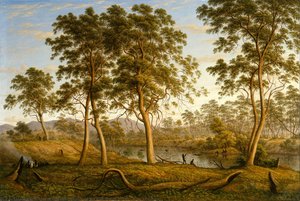
- "Nativos en el río Ouse, Van Diemen’s Land" refleja las nociones europeas de un paisaje antípodo idílico.
- Considerado el “padre de la pintura del paisaje australiano” por sus representaciones pioneras del bush australiano.
- Su obra marcó una ruptura con los estilos artísticos coloniales anteriores y estableció un nuevo enfoque para representar el mundo natural en Australia.
- La Sociedad John Glover se estableció para honrar su legado, comisionando una estatua y otorgando un premio anual por pinturas de paisajes tasmanos.
Legado e Influencia
- La obra de Glover continúa siendo celebrada por su belleza, habilidad técnica y significado histórico.
- Sus pinturas se conservan en importantes galerías de arte de Australia y a nivel internacional.
- Es reconocido como una figura clave en el desarrollo de la pintura del paisaje australiano y un contribuyente significativo a la historia del arte colonial.
- Su capacidad para capturar la luz y la atmósfera únicas del paisaje tasmano sigue siendo muy apreciada por artistas y entusiastas del arte por igual.
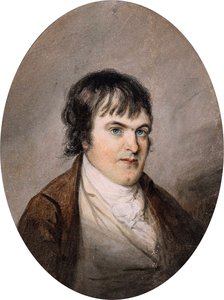
John Glover
1767 - 1849 , Reino Unido
Datos clave
- Artistas Que Influyeron:
- Claude Lorrain
- Thomas Gainsborough
- Richard Wilson
- Fecha De Fallecimiento: 9 de diciembre de 1849
- Fecha De Nacimiento: 18 de febrero de 1767
- Lugar De Nacimiento: Leicester, Reino Unido
- Movimiento Artístico: Pintura paisajística romántica
- Nacionalidad: Británico
- Nombre Completo: John Glover
- Obras Notables:
- Launceston y el río Tamar
- At Matlock - niebla ascendente
- Nativos en el río Ouse
Artículos relacionados

Claude Monet: Las 25 Obras Maestras del Impresionismo para Decorar tu Hogar con Arte
Descubre las 25 obras maestras de Claude Monet, el padre del impresionismo. Explora la historia, técnica y belleza de sus paisajes, nenúfares y 'Impresión, sole levant'. Encuentra reproducciones de arte exclusivas en ArtsDot.com.

Los 10 Maestros del Paisaje Impresionista: Obras que Cambiaron la Historia del Arte
Descubre los 10 lienzos impresionistas que revolucionaron el arte. Monet, Renoir y más… Explora la historia, técnica y belleza de cada obra maestra. Encuentra reproducciones de alta calidad para tu hogar en ArtsDot.com.

Los 10 Maestros del Paisaje Impresionista: Obras que Cambiaron la Historia del Arte
Descubre los 10 lienzos impresionistas que revolucionaron el arte. Explora la historia de Monet, Van Gogh y Renoir, sus técnicas y colores vibrantes. Encuentra reproducciones de alta calidad para decorar tu hogar en ArtsDot.com
Los 25 Tesoros del Musée d'Orsay: Arte Impresionista y Decoración de Lujo
Descubre los 25 cuadros más emblemáticos del Musée d'Orsay: Monet, Renoir, Van Gogh y más. Explora la historia, técnica y belleza del impresionismo francés. Encuentra reproducciones de arte exclusivas para decorar tu hogar con ArtsDot.com.
Capturing Light: The Revolution of Impressionism and the Eternal Legacy of Claude Monet
Explore the revolutionary world of Claude Monet and Impressionism. Discover how the mastery of light and color transformed art history, from plein air landscapes to the iconic Water Lilies series, and learn how to bring this timeless elegance into your home decor.