

 Ver en contexto
 Enviar
 Compartir
 Detalles

 Descargar
 Similares
 Radiografía
 Presentación de diapositivas
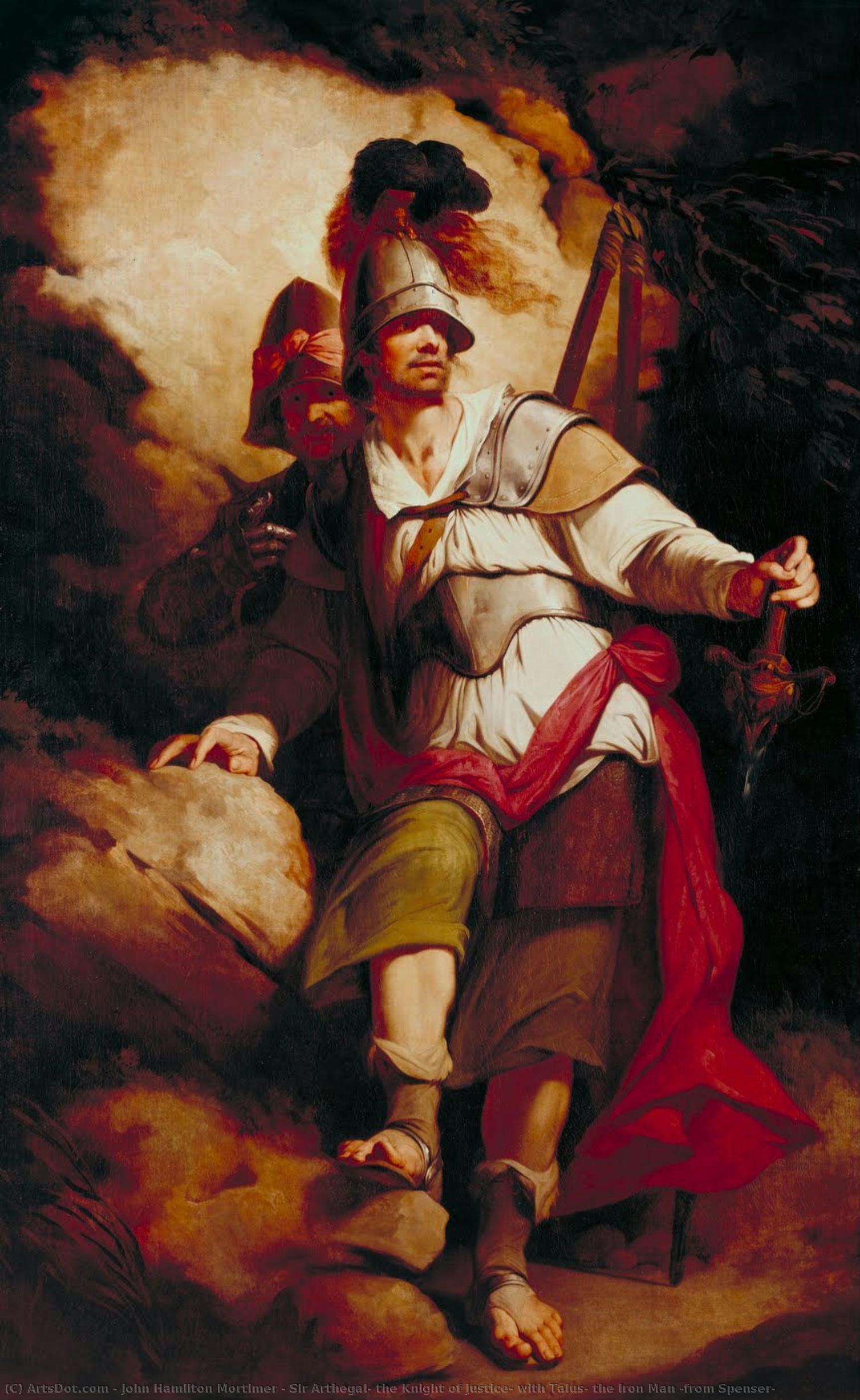
Sir Arthegal, the Knight of Justice, with Talus, the Iron Man (from Spenser
 Oil On Canvas
- WallArt
- Romantic Hues
 1778
1778 14.0 x 242.0 cm
 Tate Britain
 Ver más
Giclée / Impresión de arte
Impresiones giclée o en lienzo de calidad de museo con producción rápida y opciones de acabado flexibles. ( Comprar pintura hecha a mano Comprar imagen)




P118B $10

P118H $10

P118W $10

P438Z $10

P508JH $12

P508YH $12

P805H $10

P805Z $10

P919BZ $10

P919G $10

P919XJ $10

P959ZH $10

P968JZ $12

W106C $8

W218G $10

W218JH $8

W218Y $10

W307PJ $10

W316G $10

W316PJ $8

W316Y $10

W398PJ $8

W4111J $10

W500HY $15

W500JH $15

W692G $12

W849H $8

W940BG $15

W953PJ $8




Elija entre nuestros tamaños predefinidos que respetan las proporciones originales de la obra.

Puede introducir sus propias dimensiones para adaptarse a un marco o espacio específico. Si el tamaño seleccionado no coincide con las proporciones de la imagen original, recortaremos la obra de arte o extenderemos la imagen con un borde con efecto espejo o de color sólido. Se enviará una maqueta digital para su aprobación antes de que comience la producción.
Tenga en cuenta que la vista previa en pantalla no refleja el recorte o la extensión real. Solo la maqueta mostrará con precisión la composición final.
Aunque existen tamaños personalizados, recomendamos seleccionar una dimensión de la lista predefinida para preservar las proporciones originales.
Envío a todo el mundo () en 2 semanas en lugar de las 4/5 semanas estándar. (30 agosto)

Envío exprés gratuito a todo el mundo

Lienzo de lino de alta calidad

Seguro de envío total

Garantía de reembolso de impuestos aduaneros

Garantía de fidelidad cromática exacta

Política de devolución de 60 días (solo por defectos)

Garantía de devolución del 100% del dinero

Descuento por cantidad
 La opción de vidrio solo está disponible en tamaños inferiores a 110 cm.

Sir Arthegal, the Knight of Justice, with Talus, the Iron Man (from Spenser
Giclée / Impresión de arte
Dimensiones de la reproducción
-


Precio total final
$ 62
A Study in Romantic Drama: John Hamilton Mortimer’s “Sir Arthegal, the Knight of Justice, with Talus, the Iron Man”
John Hamilton Mortimer's "Sir Arthegal, the Knight of Justice, with Talus, the Iron Man," painted in 1778, stands as a testament to the burgeoning Romantic movement within British art. More than just a portrait, it’s an ambitious exploration of heroism and moral fortitude, deeply rooted in Spenser's epic poem *Faerie Queene*, and imbued with a palpable sense of dramatic tension. Mortimer eschewed the polished conventions of his time, opting instead for a deliberately raw aesthetic that prioritized process over perfection—a decision that speaks volumes about his artistic philosophy and its engagement with broader cultural currents. The painting depicts Sir Arthegal, a knight embodying righteousness and courage, accompanied by Talus, the Iron Man – a figure representing steadfastness and resilience – against a backdrop of rugged rock formations. Mortimer’s masterful use of oil paint on canvas immediately establishes an atmosphere of grandeur and seriousness. The artist eschewed meticulous detail in favor of expressive brushstrokes that capture the dynamism of the scene. Thick impasto—heavy application of pigment—dominates the surface, creating textural richness and conveying a feeling of immediacy. This technique wasn’t merely decorative; it served as a deliberate challenge to the prevailing artistic standards of the era, where smoothness and refinement were considered paramount. Symbolism permeates every element of the composition. The rocky landscape symbolizes adversity and obstacles confronting the knight's quest for virtue. Mortimer skillfully employs chiaroscuro—the dramatic interplay of light and shadow—to heighten the emotional impact of the artwork. Talus’s unwavering gaze directs the viewer’s attention toward the central figure, reinforcing his role as a symbol of moral fortitude. The inclusion of two birds – one positioned near the upper left corner and another towards the lower right – adds an element of visual complexity and subtly suggests themes of aspiration and vigilance. Mortimer's deliberate choice to leave visible brushstrokes underscores the importance of artistic labor and celebrates the materiality of paint itself, elevating it beyond mere representation. Beyond its formal qualities, “Sir Arthegal, the Knight of Justice, with Talus, the Iron Man” resonates deeply with the Romantic spirit’s fascination for emotion and imagination. Mortimer's depiction captures a moment of intense confrontation—a palpable sense of anticipation—that invites contemplation on themes of heroism and moral struggle. The painting’s enduring appeal lies in its ability to convey not just what is seen but also what is felt, reflecting the Romantic preoccupation with capturing subjective experience and exploring the sublime beauty of nature alongside human endeavor. It's a piece that continues to inspire admiration for its artistic innovation and its profound engagement with the intellectual and spiritual concerns of its time.- Artist: John Hamilton Mortimer
- Year: 1778
- Medium: Oil on Canvas
- Dimensions: 14 x 242 cm
- Location: Tate Britain
Obras relacionadas
Biografía del artista
John Hamilton Mortimer (1740–1779): A Pioneer of Romantic Landscape Painting
John Hamilton Mortimer (1740–1779) stands as a singular figure in British art history, recognized primarily for his evocative landscapes imbued with the spirit of Romanticism and his masterful depictions of conversation scenes. Though overshadowed by contemporaries like Turner and Constable, Mortimer’s contribution to the artistic landscape of his era deserves careful consideration. His work reflects an intellectual curiosity combined with a profound sensitivity to the natural world—a duality that distinguishes him from many of his peers.- Early Life and Education: Born in Eastbourne, Sussex, Mortimer's upbringing instilled in him a love for observation and meticulous detail. He attended Duke of Richmond’s Academy, where he honed his artistic skills alongside Joseph Wright, forging a lifelong friendship that profoundly influenced his creative vision. This formative period exposed him to the burgeoning ideals of Enlightenment thought, shaping his approach to art as both an intellectual pursuit and a conduit for emotional expression.
- Career Highlights: Mortimer quickly established himself as a respected artist, exhibiting his works regularly in London’s artistic circles from the early 1760s onwards. He gained considerable acclaim for his paintings of historical subjects—particularly those exploring medieval British history—demonstrating an ambition to elevate art beyond mere decorative concerns. His association with Samuel Ireland fostered collaborative endeavors and contributed to the dissemination of innovative techniques, notably etching.
- Notable Paintings: Mortimer’s oeuvre includes iconic pieces such as “St Paul Preaching to the Ancient Druids in Britain,” a monumental canvas that captures the grandeur of British mythology and exemplifies his stylistic prowess. Equally impressive are his portraits commissioned by prominent figures like John D. Rockefeller and Maria Bicknell, showcasing his ability to convey psychological depth and capturing the essence of his subjects’ personalities.
- Influence and Legacy: Mortimer's artistic style—characterized by atmospheric perspective, dramatic lighting, and a preoccupation with conveying emotion—anticipated many developments in Romantic landscape painting. He drew inspiration from Salvator Rosa’s bold approach to genre painting, embracing a rebellious spirit that challenged academic conventions. His legacy resides not only in his individual artworks but also in his role as President of the Society of Artists, fostering artistic innovation and establishing himself as a pivotal figure in British art culture.
- Death and Recognition: Mortimer tragically succumbed to illness at the young age of 39, leaving behind an unfinished body of work that continues to fascinate scholars and collectors alike. Despite his brief career, he achieved considerable renown during his lifetime and remains celebrated today as one of Britain’s most original landscape painters—a testament to his unwavering dedication to artistic excellence and his enduring contribution to the Romantic movement.
Technical Considerations: Mortimer's Approach to Landscape Painting
Mortimer’s landscapes weren’t merely representations of scenery; they were carefully constructed narratives designed to evoke emotion and convey profound ideas. He meticulously studied topographical maps and geological formations, striving for accuracy while simultaneously prioritizing artistic impression. His technique involved layering thin washes of color—often achieved through glazing—to build up atmospheric depth and luminosity. This method allowed him to capture the subtle nuances of light and shadow, creating canvases that pulsate with life and conveying a sense of sublime grandeur. Furthermore, Mortimer’s use of etching—particularly in collaboration with Samuel Ireland—provided an alternative medium for exploring similar themes of observation and emotional resonance.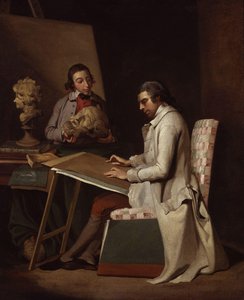
John Hamilton Mortimer
1740 - 1779 , Reino Unido
Datos clave
- Artistic Movement Or Style: Romanticismo
- Artists Or Movements Influenced By This Artist: ['Joseph Wright']
- Artists Who Influenced This Artist: ['Salvator Rosa']
- Date Of Birth: 17 Septiembre 1740
- Date Of Death: 4 Febrero 1779
- Full Name: John Hamilton Mortimer
- Nationality: Británico
- Notable Artworks: ['St Paul Preaching to the Ancient Druids in Britain']
- Place Of Birth: Eastbourne, Sussex
Artículos relacionados
Sir Joshua Reynolds: Las 25 Obras Maestras del Retrato Inglés | ArtsDot
Descubre las 25 obras maestras de Sir Joshua Reynolds, el pintor inglés que elevó el retrato a la categoría de arte. Explora su técnica clásica, estilo rococó y significado histórico en ArtsDot.com. ¡Encuentra reproducciones de alta calidad para tu hogar!

John Singer Sargent: Las 25 Obras Maestras del Retrato y la Belle Époque | ArtsDot
Descubre las 25 obras maestras de John Singer Sargent, el maestro del retrato y la Belle Époque. Explora su técnica impresionista, historias fascinantes y encuentra reproducciones de arte exclusivas para decorar tu hogar con elegancia en ArtsDot.com.

John Constable: Las 25 Obras Maestras del Paisaje Inglés | ArtsDot
Descubre las 25 obras maestras de John Constable, el pintor romántico inglés que capturó la belleza del paisaje. Explora su técnica, historia y significado en ArtsDot.com. Reproducciones de arte de alta calidad para tu hogar.

Alfred Munnings: Las 25 Obras Maestras del Pintor de Caballos | ArtsDot
Descubre las 25 obras maestras de Alfred Munnings, el pintor británico de caballos por excelencia. Explora su impresionismo inglés, escenas campestres y técnica única. Encuentra reproducciones de arte de alta calidad en ArtsDot.com.
Sir John Watson Gordon: A Study in Scottish Landscape Painting & Tonal Impressionism
Explore the captivating portraits of Sir John Watson Gordon, a leading Scottish master. Discover his evolution from neoclassical style to atmospheric Tonalism and influence on 19th-century British art. Learn about his iconic sitters & legacy.


