 Vista previa
 Compartir
 Compartir
 Ver detalles

 Descargar
 Ver similares
 Radiografía
 Presentación de diapositivas
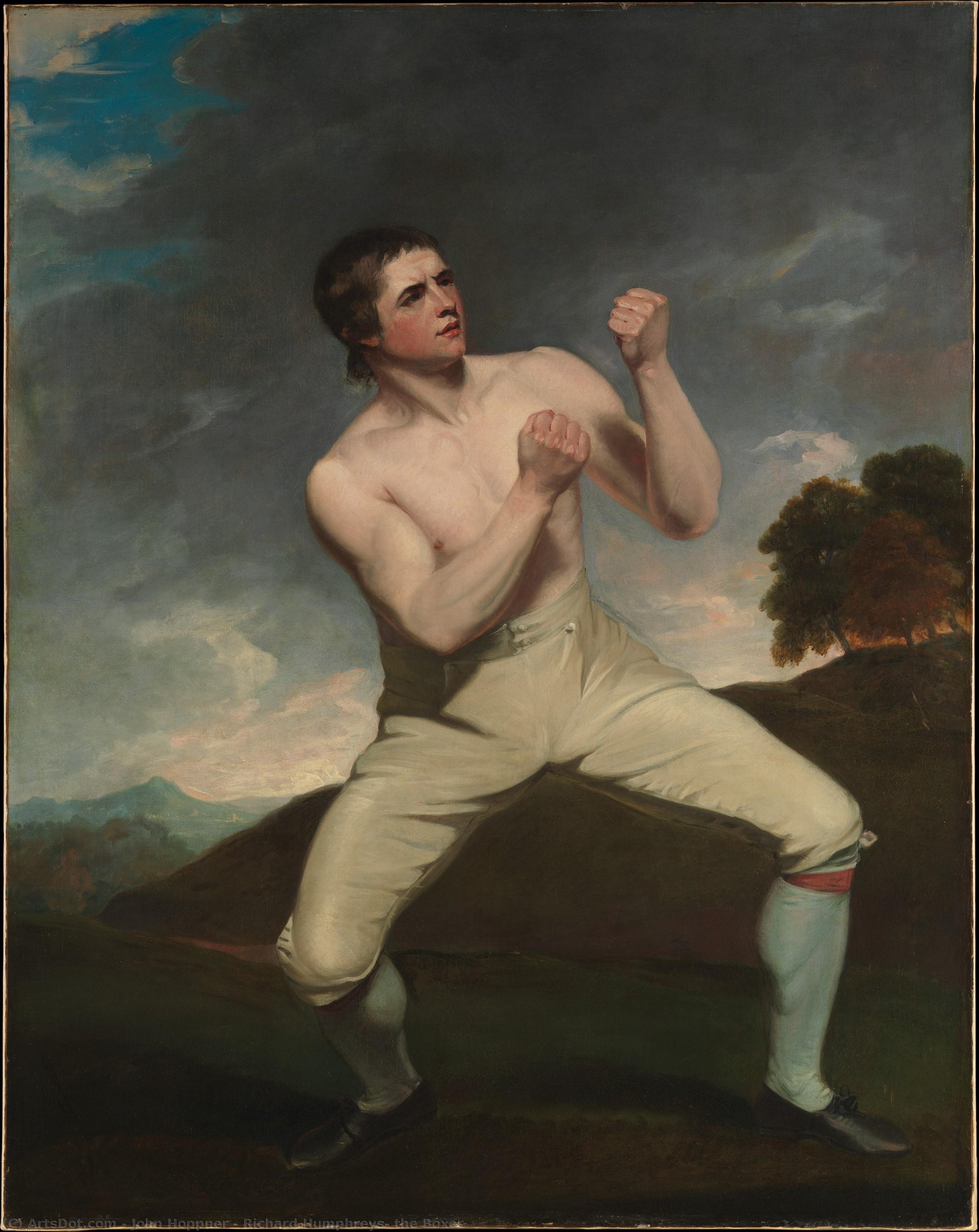
Richard Humphreys, the Boxer
 Acrylic On Canvas
- WallArt
- Neoclassical Portraiture
 142.0 x 112.0 cm
 Museo Metropolitano de Arte
 Leer más
Reproducción al óleo hecha a mano
Óleo sobre lienzo pintado a mano en el tamaño y marco de su elección, realizado por encargo por nuestros artistas. ( Pedir impresión Comprar descarga)




P118B $10

P118H $10

P118W $10

P438Z $10

P508JH $12

P508YH $12

P805H $10

P805Z $10

P919BZ $10

P919G $10

P919XJ $10

P959ZH $10

P968JZ $12

W106C $8

W218G $10

W218JH $8

W218Y $10

W307PJ $10

W316G $10

W316PJ $8

W316Y $10

W398PJ $8

W4111J $10

W500HY $15

W500JH $15

W692G $12

W849H $8

W940BG $15

W953PJ $8




Elija entre nuestros tamaños predefinidos que respetan las proporciones originales de la obra.

Puede ingresar sus propias dimensiones para adaptarse a un marco o espacio específico. Si el tamaño seleccionado no coincide con las proporciones de la imagen original, recortaremos la obra o extenderemos la pintura con elementos adicionales pintados a mano. Se le enviará una maqueta digital para su aprobación antes de comenzar la producción.
Tenga en cuenta que la vista previa en pantalla no refleja el recorte o la extensión reales. Solo la maqueta mostrará con precisión la composición final.
Si bien existen tamaños personalizados, recomendamos seleccionar una dimensión de la lista predefinida para preservar las proporciones originales.
Tras realizar el pedido, el equipo de ArtsDot.com enviará un correo electrónico al cliente para solicitar instrucciones y proporcionarle una vista previa del boceto.
Envío a todo el mundo () en 3-4 semanas en lugar de las 5 semanas estándar. (20 agosto). Sin comprometer la calidad.

Envío exprés gratuito a todo el mundo

Lienzo de lino de alta calidad

Seguro de envío completo

Garantía de reembolso de aranceles aduaneros

Garantía de fidelidad cromática exacta

Política de devolución de 60 días (solo por defectos)

Garantía de devolución del 100% del dinero

Oferta por volumen
 La opción de vidrio solo está disponible en tamaños inferiores a 110 cm.

Richard Humphreys, the Boxer
Técnica de reproducción
Tamaño de la reproducción
-


Precio total
$ 263
Descripción de la obra
A Moment Frozen in Time: John Hoppner’s “Richard Humphreys, the Boxer”
John Hoppner's "Richard Humphreys, the Boxer," painted circa 1785, isn’t merely a depiction of a sporting contest; it’s a carefully constructed tableau brimming with Victorian fascination for both spectacle and the human form. The painting captures a pivotal moment – not necessarily a victory, but a poised readiness – within the brutal world of bare-knuckle boxing, a pastime that held a strange allure for artists and audiences alike during the late eighteenth century. Hoppner masterfully blends the physicality of combat with an almost sculptural elegance, elevating the scene beyond simple documentation to become a study in tension, power, and vulnerability.
The subject himself, Richard Humphreys, is presented as a young man, radiating a controlled intensity. His stance, honed by years of training, is both defensive and threatening; his arms extended, fists clenched, he embodies the coiled energy of a predator. The detail in his attire – the meticulously rendered breeches, silk stockings, and polished pumps – speaks to the status afforded to boxers at this time, suggesting they were not simply rough men but performers worthy of admiration. Hoppner’s use of light is particularly striking; it highlights Humphreys' musculature, emphasizing the strength beneath the surface while simultaneously casting shadows that hint at the potential for violence.
The Victorian Obsession with Combat and the Body
Hoppner’s painting exists within a broader cultural context. Bare-knuckle boxing was immensely popular in England during this period, offering a thrilling spectacle that combined elements of sport, theatre, and even ritualistic combat. The public flocked to these matches, drawn by the raw energy and the perceived drama of witnessing human strength pitted against human strength. Artists like Hoppner were captivated by the physicality of the boxers – their powerful bodies, their expressive faces, and the inherent beauty in their struggle. This fascination extended beyond mere representation; it reflected a Victorian interest in exploring themes of masculinity, power, and the darker aspects of human nature.
Furthermore, the painting’s circulation through printed reproductions—a relatively new medium at the time—amplified its impact. The image was disseminated widely, transforming the boxing match into a public spectacle accessible to those who couldn't attend in person. This mass reproduction contributed to the growing fascination with the subject and cemented Hoppner’s reputation as a skilled portraitist capable of capturing both the drama and the aesthetic qualities of this unusual subject matter.
Technique and Artistic Style
Hoppner’s technical skill is evident in every brushstroke. He employs a loose, expressive style reminiscent of Reynolds, utilizing broad washes of color and dynamic compositions to convey movement and emotion. The painting's palette is rich and vibrant, dominated by earthy tones – browns, ochres, and reds – which ground the scene while simultaneously highlighting the textures of the boxer’s clothing and skin. Noticeably, Hoppner avoids overly detailed rendering; instead, he focuses on capturing the essence of the moment, prioritizing atmosphere and psychological impact over photographic accuracy.
The background, a simple depiction of a tree, serves not as a distraction but as a subtle framing device, drawing attention to the central figure. The use of atmospheric perspective – softening distant elements – further enhances the sense of depth and immediacy. Hoppner’s ability to create such a compelling image with relatively few details speaks volumes about his artistic mastery.
Symbolism and Emotional Resonance
"Richard Humphreys, the Boxer" transcends its subject matter to offer a poignant meditation on human potential and the precarious nature of triumph. The boxer's poised stance suggests not just readiness for battle but also a moment of intense self-awareness – a recognition of his own strength and vulnerability. The painting’s ambiguity—we don’t know if he has won or lost—adds to its emotional resonance, inviting viewers to contemplate the complexities of competition and the human condition.
Ultimately, Hoppner's work is more than just a sporting portrait; it’s a captivating glimpse into a bygone era, a testament to the enduring appeal of spectacle and the power of art to capture fleeting moments of intense emotion. Reproductions of this iconic painting continue to resonate with audiences today, offering a window into the Victorian fascination with combat, beauty, and the human spirit.
Obras relacionadas
Biografía del artista
Una vida de arte y patrocinio real
John Hoppner, un destacado pintor de retratos inglés, dejó una huella imborrable en el mundo del arte con su vibrante paleta de colores. Nacido en Whitechapel, Londres, en 1758, hijo de padres alemanes, la vida de Hoppner se caracterizó por el patrocinio real y la brillantez artística.Primeros años y formación
- A temprana edad, Hoppner se convirtió en cantante del coro en la capilla real, pero su inclinación hacia el arte lo llevó a ingresar a la Royal Academy en 1775.
- En 1778, recibió una medalla de plata por dibujo desde vida y, en 1782, la medalla de oro para pintura histórica con su obra sobre "El rey Lear".
Ascenso a la fama y obras notables
John Hoppner's los retratos de mujeres y niños fueron considerados sus obras más exitosas por jueces competentes. Su toque, caracterizado por amplitud y libertad, dio a sus pinturas un ligero reflejo del encanto de Reynolds. Obras notables incluyen:- Sra. Jordan como Viola en "Noche de reyes", ahora en English Heritage (Londres, Reino Unido), que muestra su dominio sobre la pintura de retratos.
- Sus retratos del príncipe de Gales, el duque y la duquesa de York, Lord Rodney y Lord Nelson, que fueron colgados en los apartamentos estatales de St James's Palace, demuestran sus altas conexiones sociales.
Evolución artística e influencias
John Hoppner demostró una habilidad particular para capturar la personalidad y el carácter de sus sujetos, especialmente mujeres y niños. Su estilo se caracteriza por pinceladas sueltas y un uso audaz del color, lo que le valió comparaciones con Thomas Gainsborough y Joshua Reynolds, aunque desarrolló un enfoque más espontáneo y menos formal. Su formación en la Royal Academy le proporcionó una base sólida en las técnicas clásicas de retrato, pero Hoppner se apartó de la rigidez académica para crear obras más vivas y expresivas.Legado y vida posterior
John Hoppner's la vida estuvo marcada por una enfermedad crónica del hígado. Murió el 23 de enero de 1810. A pesar de esto, su legado perdura a través de sus vibrantes retratos que siguen cautivando a los amantes del arte.- Explore más obras de John Hoppner en https://ArtsDot.com/@/johnhoppner.
- Descubra el contexto más amplio del arte británico en https://en.wikipedia.org/wiki/art_of_the_united_kingdom.
Lectura adicional y exploración
Para profundizar en el mundo del arte británico, considere lo siguiente:- Descubriendo las obras de arte de Dyram Park, Reino Unido
- Sir Edwin Landseer Lutyens, un arquitecto inglés conocido por sus adaptaciones imaginativas.
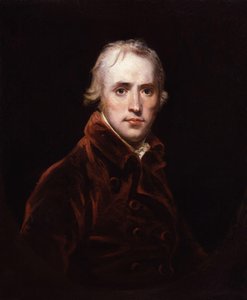
John Hoppner
1758 - 1810 , Reino Unido
Datos clave
- Estilo Artístico: Retrato, historicismo
- Fecha De Muerte: 1810
- Fecha De Nacimiento: 1758
- Influencias Artísticas: ['Joshua Reynolds']
- Lugar De Nacimiento: Whitechapel, Reino Unido
- Nacionalidad: Británico
- Nombre Completo: John Hoppner
- Obras Notables:
- Mrs. Jordan como Viola
- Príncipe de Gales
- Duque y Duquesa de York
Artículos relacionados
John Hoppner: Portraiture, Patronage & British Identity in the Late Georgian Era
Explore the life & work of John Hoppner, a leading Georgian portraitist. Discover his vibrant style, influential patrons, and lasting impact on British art history. Expert insights for collectors.

John Constable: Las 25 Obras Maestras del Paisaje Inglés | ArtsDot
Descubre las 25 obras maestras de John Constable, el pintor romántico inglés que capturó la belleza del paisaje. Explora su técnica, historia y significado en ArtsDot.com. Reproducciones de arte de alta calidad para tu hogar.

John Singer Sargent: Las 25 Obras Maestras del Retrato y la Belle Époque | ArtsDot
Descubre las 25 obras maestras de John Singer Sargent, el maestro del retrato y la Belle Époque. Explora su técnica impresionista, historias fascinantes y encuentra reproducciones de arte exclusivas para decorar tu hogar con elegancia en ArtsDot.com.
John Frederick Lewis: Orientalism, Detail & Genre Painting in 19th-Century British Art
Explore the captivating Orientalist paintings of John Frederick Lewis! Discover his mastery of detail, genre scenes & influence on 19th-century British art. Learn about his life, techniques & legacy at ArtsDot.
John Piper: A Spiritual Vision of British Landscape & Modernism's Embrace
Explore the captivating world of John Piper, a celebrated British painter whose evocative landscapes & iconic church art captured the spirit of his time. Discover his legacy and find high-quality reproductions at ArtsDot.