

 Ver en contexto
 Enviar
 Compartir
 Detalles

 Descargar
 Similares
 Radiografía
 Presentación de diapositivas
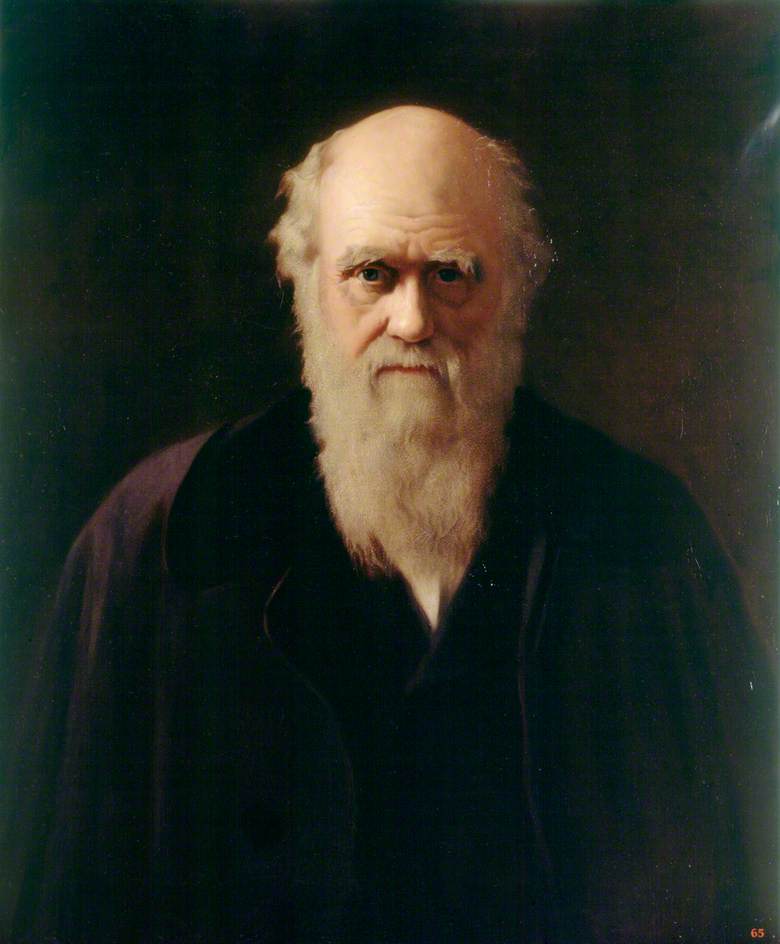
Charles Darwin (1809–1882) (after John Collier)
 1905
1905 74.0 x 61.0 cm
 Ver más
Adquiera una imagen digital de alta resolución y optimizada, muy superior a la vista previa en línea.
Cada archivo es preparado meticulosamente por nuestros especialistas internos mediante el uso de herramientas avanzadas y un experto retoque manual. Nos aseguramos de que cada imagen posea una claridad excepcional, una precisión cromática impecable y un detalle minucioso.
El archivo final se entrega por correo electrónico en un plazo de 72 horas, optimizado para su uso inmediato en entornos profesionales, editoriales y de impresión. Esta es la misma calidad en la que confían los estudios de diseño, las editoriales y las galerías de primer nivel.
Imagen Digital
Descarga un archivo de alta resolución para exhibición personal, impresión y proyectos creativos. ( Comprar impresión Comprar pintura hecha a mano)
Incluido en cada pedido de imágenes digitales
Entrega digital experta, garantizada.
Al elegir ArtsDot.com, no solo está adquiriendo una imagen; está recibiendo una obra de arte digital mejorada profesionalmente, elaborada con precisión y respaldada por una garantía de satisfacción. Esto es todo lo que incluye su pedido, automáticamente:

Entrega rápida por email
Recibirá su archivo de imagen digital en alta resolución por correo electrónico en un plazo de 72 horas tras realizar su pedido, listo para su uso inmediato.

Archivo digital optimizado por IA
Su obra de arte se optimiza profesionalmente mediante herramientas avanzadas de IA y edición manual, garantizando el máximo detalle, claridad y precisión cromática.

Reenvío gratuito de por vida
¿Has borrado o perdido tu archivo por error? No te preocupes: te lo volveremos a enviar en cualquier momento, sin coste adicional.

Sin gastos de importación, siempre
Disfrute de su obra de arte al instante sin aduanas, aranceles ni gastos de envío; las descargas digitales siempre están libres de impuestos.

Garantía de fidelidad de color
Garantizamos que su imagen digital refleje los colores originales con la mayor fidelidad posible, mediante el uso de herramientas profesionales y gestión del color.

Garantía de satisfacción de 60 días
Si no está satisfecho con su imagen digital, la revisaremos o le reembolsaremos el 100% en un plazo de 60 días, sin preguntas.

100% Garantía de devolución de dinero
¿No está satisfecho? Obtenga un reembolso completo dentro de los 60 días posteriores a la recepción de su archivo digital, sin necesidad de explicaciones.

Descuentos por pedidos grandes
Compra 3 imágenes, ahorra 10% - Compra 5, ahorra 15% - Compra 10+, ahorra 20%. Ideal para proyectos creativos, galerías y agencias.
Obras relacionadas








Biografía del artista
John Lewis Reilly: A Victorian Portraitist of Refined Elegance
John Lewis Reilly (1835-1922) stands as a significant, yet often understated, figure in 19th-century British art. More than simply a painter, he was a meticulous craftsman and a skilled interpreter of established masters, producing remarkably convincing copies alongside his own original portraits and historical scenes. His work reflects the prevailing aesthetic sensibilities of the Victorian era – a deep appreciation for classical forms, an interest in aristocratic subjects, and a commitment to capturing both outward appearance and inner character.
Born in London, Reilly’s artistic journey began with studies at the Royal Academy School. However, he quickly gravitated towards portraiture and historical painting, establishing himself as a respected artist within a relatively small circle of patrons and galleries. Unlike some of his contemporaries who sought fame through grand historical narratives, Reilly focused primarily on capturing the likenesses of prominent figures – from military officers and politicians to members of the aristocracy and even literary personalities like Charles Darwin. His approach was characterized by an almost obsessive attention to detail, evident in the meticulously rendered fabrics, jewelry, and expressions of his subjects.
The Influence of Masters and Copying Techniques
Reilly’s artistic development was profoundly shaped by the works of earlier masters, particularly those of the Dutch Golden Age and the Elizabethan era. He deeply admired Sir Anthony van Dyck, whose portraits he studied with intense scrutiny, seeking to emulate his elegant compositions and ability to convey a sense of dignified composure. This admiration is most strikingly evident in his numerous copies after Van Dyck, including a celebrated portrait of Charles I – a work that demonstrates not only technical proficiency but also a genuine understanding of the master’s artistic principles.
However, Reilly's practice extended beyond mere imitation. He was equally adept at working from other sources, notably Thomas Gainsborough and Dobson. His ability to faithfully reproduce these artists’ styles showcased his deep knowledge of technique and his commitment to preserving their legacies. This dedication to copying wasn’t viewed as a lesser pursuit; rather, it served as a rigorous training ground, allowing him to hone his skills and develop an unparalleled understanding of composition, color theory, and the nuances of portraiture.
Notable Works and Subject Matter
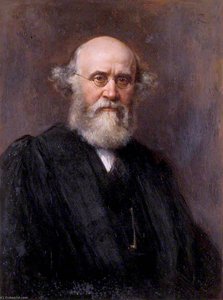
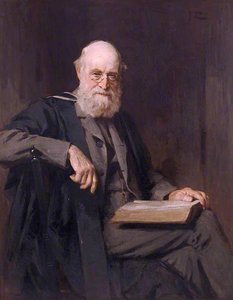
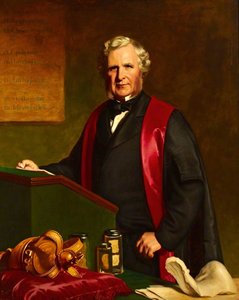
Reilly's oeuvre is characterized by a remarkable diversity of subjects. He produced numerous portraits of prominent figures from British society, including Major General Norman MacLeod, Admiral Sir Francis Leopold McClintock, and even Charles Darwin – a particularly intriguing commission that speaks to Reilly’s willingness to engage with the intellectual currents of his time. Beyond portraiture, he also created historical scenes, often depicting moments of military triumph or civic celebration. His painting “Homage to Jellett” is an example of this genre.
A significant portion of Reilly's work was dedicated to reproducing works by other masters. These copies were not simply mechanical reproductions; rather, they were carefully considered interpretations that sought to capture the essence of the original while adapting it to his own artistic sensibilities and the tastes of his clientele. The meticulous detail evident in these copies underscores Reilly’s commitment to preserving artistic traditions and ensuring their continued appreciation.
Legacy and Historical Significance
While John Lewis Reilly may not be as widely celebrated as some of his contemporaries, his contribution to 19th-century British art is undeniable. His meticulous technique, profound understanding of master artists, and ability to capture the essence of his subjects have earned him a place among the most skilled portraitists of his era. His work offers a valuable window into Victorian society – revealing the values, aspirations, and aesthetic preferences of a rapidly changing nation. Furthermore, Reilly’s dedication to copying highlights the importance of artistic lineage and the ongoing dialogue between generations of artists.
Reilly's legacy is further cemented by his continued presence in museum collections and private hands, ensuring that his art will be appreciated for years to come. His paintings serve as a testament to the enduring power of observation, skill, and a deep respect for artistic tradition.
john lewis reilly
1835 - 1922
Breves datos
- Artistic Movement Or Style: Portraiture, Historical Painting
- Artists Or Movements Influenced By This Artist: ['Thomas Gainsborough']
- Artists Who Influenced This Artist:
- Van Dyck
- Dobson
- Date Of Birth: 1835
- Date Of Death: 1922
- Full Name: John Lewis Reilly
- Nationality: British
- Notable Artworks:
- Charles I (after Van Dyck)
- Charles Darwin (after Collier)
- Portrait of Major MacLeod

