 Ver en contexto
 Enviar
 Compartir
 Detalles

 Descargar
 Similares
 Radiografía
 Presentación de diapositivas
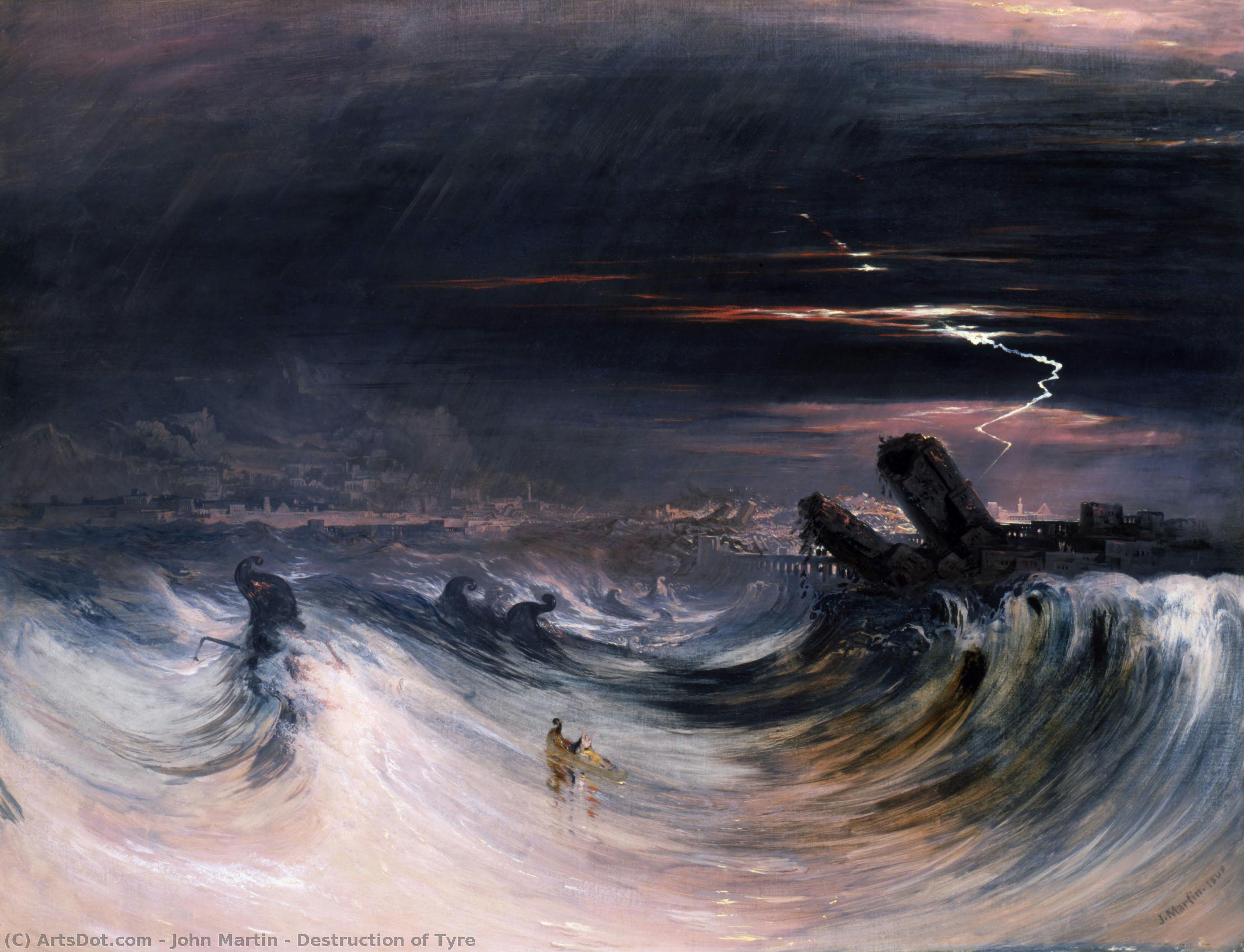
Destruction of Tyre
 Oil On Canvas
- WallArt
- Romanticism
 1840
1840- 19th Century
 95.0 x 838.0 cm
 Toledo Museum of Art
 Ver más
Reproducción al óleo hecha a mano
Óleo sobre lienzo pintado a mano en el tamaño y marco de su elección, realizado por encargo por nuestros artistas. ( Comprar impresión Comprar imagen)




P118B $10

P118H $10

P118W $10

P438Z $10

P508JH $12

P508YH $12

P805H $10

P805Z $10

P919BZ $10

P919G $10

P919XJ $10

P959ZH $10

P968JZ $12

W106C $8

W218G $10

W218JH $8

W218Y $10

W307PJ $10

W316G $10

W316PJ $8

W316Y $10

W398PJ $8

W4111J $10

W500HY $15

W500JH $15

W692G $12

W849H $8

W940BG $15

W953PJ $8




Elija entre nuestros tamaños predefinidos que respetan las proporciones originales de la obra.

Puede ingresar sus propias dimensiones para adaptarse a un marco o espacio específico. Si el tamaño seleccionado no coincide con las proporciones de la imagen original, recortaremos la obra o extenderemos la pintura con elementos adicionales pintados a mano. Se le enviará una maqueta digital para su aprobación antes de comenzar la producción.
Tenga en cuenta que la vista previa en pantalla no refleja el recorte o la extensión reales. Solo la maqueta mostrará con precisión la composición final.
Si bien existen tamaños personalizados, recomendamos seleccionar una dimensión de la lista predefinida para preservar las proporciones originales.
Tras realizar el pedido, el equipo de ArtsDot.com enviará un correo electrónico al cliente para solicitar instrucciones y proporcionarle una vista previa del boceto.
Envío a todo el mundo () en 3-4 semanas en lugar de las 5 semanas estándar. (23 agosto). Sin comprometer la calidad.

Envío exprés gratuito a todo el mundo

Lienzo de lino de alta calidad

Seguro de envío total

Garantía de reembolso de impuestos aduaneros

Garantía de fidelidad cromática exacta

Política de devolución de 60 días (solo por defectos)

Garantía de devolución del 100% del dinero

Descuento por cantidad
 La opción de vidrio solo está disponible en tamaños inferiores a 110 cm.

Destruction of Tyre
Técnica de reproducción
Dimensiones de la reproducción
-


Precio total final
$ 263
Descripción de la obra
The Cataclysmic Vision of John Martin’s “Destruction of Tyre”
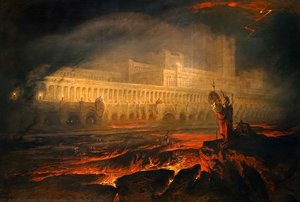
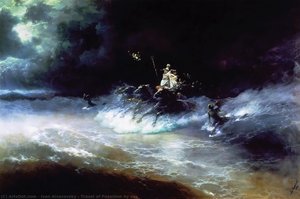
John Martin's "Destruction of Tyre," completed in 1840, is not merely a depiction of a historical event; it is a visceral embodiment of Romanticism’s fascination with the sublime – that overwhelming feeling of awe and terror inspired by nature’s power. Measuring an imposing 95 x 838 cm, this oil on canvas transports the viewer directly into the heart of apocalyptic chaos. The scene, based on the biblical account in 2 Kings 18:13-16, portrays the legendary siege and ultimate destruction of the Phoenician city of Tyre by God’s wrath. Martin masterfully captures the moment when a colossal wave, rendered with almost hallucinatory intensity, surges over the city, engulfing buildings and obliterating all signs of human civilization. The sheer scale of the composition – achieved through meticulous detail and dramatic foreshortening – immediately commands attention, drawing the eye into the maelstrom of destruction.
A Masterclass in Melodramatic Romanticism
Born in Haydon Bridge, Northumberland, in 1789, John Martin rose to prominence as a leading figure in the English Romantic movement. His artistic training initially involved heraldic painting, a skill that instilled in him an unparalleled attention to detail and a profound understanding of composition – qualities he would later apply to his grand, emotionally charged landscapes. Martin’s style is characterized by its theatricality and dramatic lighting, hallmarks of what became known as “melodramatic romanticism.” He eschewed the classical restraint favored by earlier generations, instead embracing a highly subjective and expressive approach that prioritized emotional impact over strict realism. The use of dark, brooding colors – deep blues, blacks, and browns – further amplifies the sense of foreboding and impending doom.
Symbolic Layers and Narrative Power
Beyond its immediate visual spectacle, “Destruction of Tyre” is laden with symbolic meaning. The wave itself represents divine judgment, a force beyond human control and understanding. The ruined city symbolizes the fallibility of earthly empires and the transience of human ambition. The lone figure on the beach, gazing upon the devastation, can be interpreted as humanity’s futile attempt to comprehend or resist such overwhelming forces. Martin's meticulous rendering of the boats scattered across the water adds another layer of complexity, suggesting both the vulnerability of those caught in the storm and the potential for salvation – a theme frequently explored within biblical narratives. The painting’s narrative power lies not just in its dramatic depiction but also in its ability to evoke profound questions about faith, mortality, and the relationship between humanity and nature.
Technique and Scale: A Monumental Achievement
The execution of “Destruction of Tyre” is a testament to Martin’s technical skill and ambition. The large scale of the canvas (95 x 838 cm) allows for an unprecedented level of detail, from the individual grains of sand on the beach to the intricate carvings on the submerged buildings. Martin employed a layering technique – building up thin glazes of oil paint over multiple sessions – to achieve the luminous effects and atmospheric depth that characterize his work. The dramatic use of chiaroscuro (the contrast between light and dark) further enhances the sense of drama and emphasizes the monumental scale of the scene. This reproduction captures every nuance of this masterful technique, ensuring a faithful representation of Martin’s original vision.
NoneObras relacionadas
Biografía del artista
John Martin: Un Visionario del Romanticismo Inglés
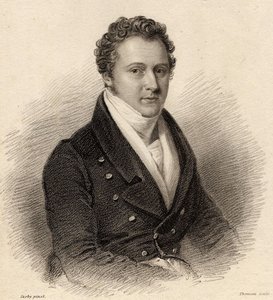
John Martin (Haydon Bridge, Northumberland, 19 de julio de 1789 – Londres, 17 de febrero de 1854) fue un pintor, grabador e ilustrador inglés, reconocido por sus vastas y melodramáticas obras que a menudo representaban temas religiosos y composiciones fantásticas. Su estilo se caracterizaba por la inclusión de figuras diminutas en paisajes imponentes, creando una sensación de escala épica y dramatismo.
Primeros Años y Formación
- Orígenes: Nació como cuarto hijo de Fenwick Martin, un antiguo maestro de esgrima.
- Aprendizaje: Se inició en el arte como aprendiz de carrocería en Newcastle upon Tyne, donde aprendió técnicas de pintura heráldica.
- Traslado a Londres: En 1806 se trasladó a Londres, casándose al año siguiente.
- Sustento Inicial: Para mantenerse, ofreció clases de dibujo y pintó en acuarela y sobre china, mostrando una versatilidad temprana.
Estilo Artístico y Obras Destacadas
Martin desarrolló un estilo distintivo marcado por composiciones grandiosas y melodramáticas, frecuentemente inspiradas en temas bíblicos y literarios. Su habilidad para representar escenas apocalípticas y paisajes desolados lo convirtió en una figura popular.
- Temas Recurrentes: Sus obras más conocidas incluyen representaciones de la destrucción de Sodoma y Gomorra, el Banquete de Belshazzar y escenas inspiradas en Paraíso Perdido de John Milton.
- Paisajes Serenos: Aunque es famoso por sus escenas dramáticas, también pintó paisajes más tranquilos, como Harnham Church, near Salisbury, demostrando su dominio del paisaje inglés.
- Obras Notables en ArtsDot: En ArtsDot.com se pueden encontrar reproducciones de obras clave como Keelmen Heaving in Coals by Night y Ploughing up Turnips, near Slough.
- Influencias Literarias: La obra de Milton fue una influencia crucial en su arte, particularmente en sus representaciones del infierno y la rebelión angelical.
Reconocimiento y Logros
A lo largo de su carrera, Martin recibió un amplio reconocimiento por su talento y originalidad.
- Popularidad: En 1821, Lawrence lo describió como "el pintor más popular de su día".
- Honores Reales: Recibió la Orden de Leopoldo del príncipe Leopoldo de Sajonia-Coburgo y se convirtió en el Pintor Histórico Oficial del Príncipe.
- Premios Internacionales: Obtuvo una medalla de oro del zar Nicolás I de Rusia.
- Exposiciones Importantes: Sus obras fueron exhibidas en la National Gallery of Art y la Tate Gallery, consolidando su lugar en el canon artístico británico.
Legado e Influencia
John Martin dejó un legado duradero como uno de los pintores románticos ingleses más importantes. Su capacidad para combinar dramatismo, escala épica y una visión personal del mundo lo distingue de sus contemporáneos.
- Influencia en Artistas Posteriores: Influyó en artistas como James Francis Danby, quien se inspiró en su estilo dramático y composiciones grandiosas.
- Representación de la Apocalipsis: Martin es considerado un maestro en la representación visual del apocalipsis y el fin del mundo, estableciendo un precedente para futuras generaciones de artistas.
- Relevancia Actual: Sus obras continúan inspirando a artistas e historiadores del arte, y sus reproducciones están disponibles en plataformas como ArtsDot, permitiendo que su visión única siga siendo accesible al público.
John Martin
1789 - 1854 , Reino Unido
Datos clave
- Fecha_Defuncion: 17 de febrero de 1854
- Fecha_Nacimiento: 19 de julio de 1789
- Influye_En: ['James Francis Danby']
- Lugar_De_Nacimiento: Haydon Bridge, Reino Unido
- Movimiento: Romanticismo
- Nacionalidad: Británico
- Nombre: John Martin
- Obras_Notables:
- La destrucción de Sodoma y Gomorra
- El banquete de Baltasar
- Harnham Church, cerca de Salisbury
- Keelmen heaving in coals by night
- Ploughing up turnips, near Slough
- The Evening of the Deluge
- Manfred and the Alpine Witch
- Satan Arousing the Fallen Angels, Book 1, line 314, from John Milton, Paradise Lost
- Pandemonium
- The country of the Iguanodon
- Eve
- The Plains of Heaven
Artículos relacionados

John Constable: Las 25 Obras Maestras del Paisaje Inglés | ArtsDot
Descubre las 25 obras maestras de John Constable, el pintor romántico inglés que capturó la belleza del paisaje. Explora su técnica, historia y significado en ArtsDot.com. Reproducciones de arte de alta calidad para tu hogar.
John Singer Sargent: Las 25 Obras Maestras del Retrato y la Belle Époque | ArtsDot
Descubre las 25 obras maestras de John Singer Sargent, el maestro del retrato y la Belle Époque. Explora su técnica impresionista, historias fascinantes y encuentra reproducciones de arte exclusivas para decorar tu hogar con elegancia en ArtsDot.com.

Giclée Prints: Archival Quality & Aesthetic Nuances for the Discerning Collector
Explore the world of giclée prints with ArtsDot. Learn about archival quality, aesthetic nuances & investment potential. Expert guidance for discerning art collectors seeking museum-quality reproductions and lasting value.

Paisajes Románticos: 10 Obras Maestras que Definieron un Movimiento Artístico
Descubre los 10 paisajes románticos más influyentes de artistas como Caspar David Friedrich y Turner. Explora la belleza, el simbolismo y las técnicas del movimiento romántico. Reproducciones de arte exclusivas en ArtsDot.com.

The Enduring Legacy of Fine Art Prints: Technique, History & Aesthetic Impact
Explore the rich history & techniques of fine art prints. Discover investment potential, assess authenticity, and learn how to preserve your collection with expert guidance. Trusted insights for discerning collectors.