 Ver en contexto
 Enviar
 Compartir
 Detalles

 Descargar
 Similares
 Radiografía
 Presentación de diapositivas
The Evening of the Deluge
 Engraving
- Romanticism
 1828
1828- 19th Century
 597.0 x 817.0 cm
 Museo Victoria y Alberto
 Ver más
Reproducción al óleo hecha a mano
Óleo sobre lienzo pintado a mano en el tamaño y marco de su elección, realizado por encargo por nuestros artistas. ( Comprar impresión Comprar imagen)




P118B $10

P118H $10

P118W $10

P438Z $10

P508JH $12

P508YH $12

P805H $10

P805Z $10

P919BZ $10

P919G $10

P919XJ $10

P959ZH $10

P968JZ $12

W106C $8

W218G $10

W218JH $8

W218Y $10

W307PJ $10

W316G $10

W316PJ $8

W316Y $10

W398PJ $8

W4111J $10

W500HY $15

W500JH $15

W692G $12

W849H $8

W940BG $15

W953PJ $8




Elija entre nuestros tamaños predefinidos que respetan las proporciones originales de la obra.

Puede ingresar sus propias dimensiones para adaptarse a un marco o espacio específico. Si el tamaño seleccionado no coincide con las proporciones de la imagen original, recortaremos la obra o extenderemos la pintura con elementos adicionales pintados a mano. Se le enviará una maqueta digital para su aprobación antes de comenzar la producción.
Tenga en cuenta que la vista previa en pantalla no refleja el recorte o la extensión reales. Solo la maqueta mostrará con precisión la composición final.
Si bien existen tamaños personalizados, recomendamos seleccionar una dimensión de la lista predefinida para preservar las proporciones originales.
Tras realizar el pedido, el equipo de ArtsDot.com enviará un correo electrónico al cliente para solicitar instrucciones y proporcionarle una vista previa del boceto.
Envío a todo el mundo () en 3-4 semanas en lugar de las 5 semanas estándar. (1 septiembre). Sin comprometer la calidad.

Envío exprés gratuito a todo el mundo

Lienzo de lino de alta calidad

Seguro de envío total

Garantía de reembolso de impuestos aduaneros

Garantía de fidelidad cromática exacta

Política de devolución de 60 días (solo por defectos)

Garantía de devolución del 100% del dinero

Descuento por cantidad
 La opción de vidrio solo está disponible en tamaños inferiores a 110 cm.

The Evening of the Deluge
Técnica de reproducción
Dimensiones de la reproducción
-


Precio total final
$ 263
The Sublime Terror of Nature: An Encounter with The Evening of the Deluge
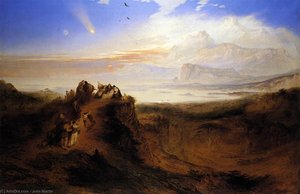
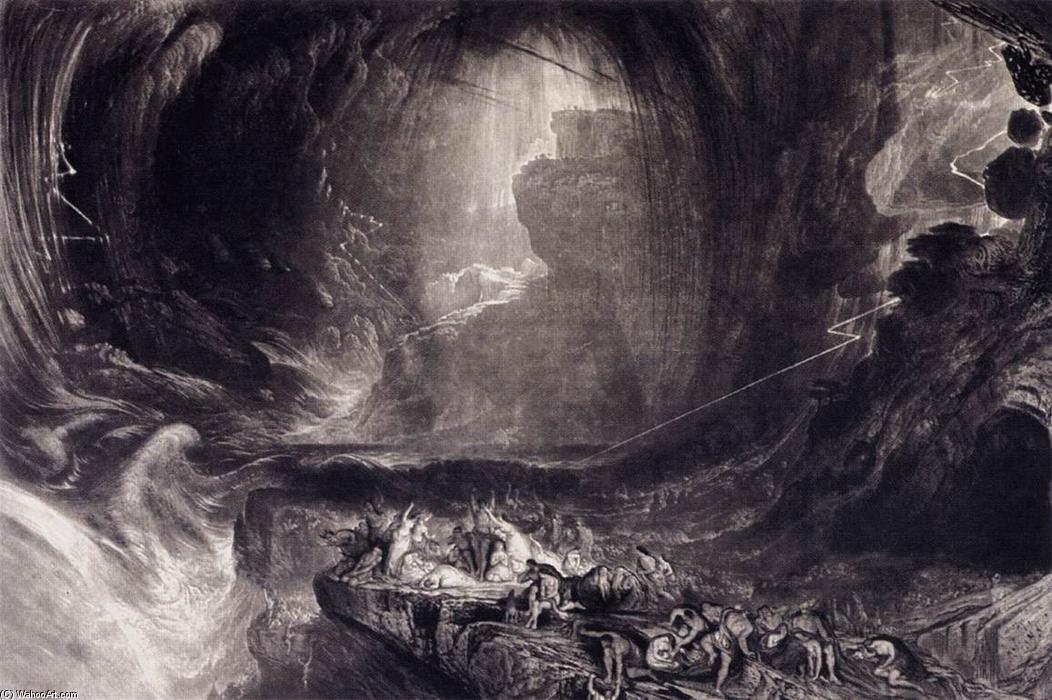
To stand before John Martin's monumental vision, The Evening of the Deluge, is not merely to observe a painting; it is to be submerged within an epochal moment of divine wrath and human fragility. Created in 1828, this work transcends simple depiction, becoming instead a profound meditation on humanity’s place against the overwhelming power of nature. Martin, a master chronicler of the sublime, utilized his immense scale—a staggering 597 x 817 cm—to envelop the viewer entirely. The scene itself is one of catastrophic grandeur: towering waves and churning currents dominate the upper reaches, suggesting an unending, inescapable force that has swallowed all semblance of calm.
Mastery in Monochrome: Technique and Texture
What makes this piece so arresting, even when considering its original mezzotint and engraving nature, is Martin’s unparalleled technical command. The artist employed shading and cross-hatching with a virtuoso hand, transforming the flat surface of the print into a palpable maelstrom. One can almost feel the icy spray against the skin. The water is not merely blue; it possesses texture, movement, and weight, rendered through meticulous tonal variation. This dramatic interplay between deep shadow and sudden, piercing light—the last vestiges of sunlight struggling to pierce the oppressive cloud cover—is central to the work's visual poetry. It is a study in contrast, where darkness does not equate to absence, but rather to immense, brooding presence.
The Human Element Amidst Chaos
While the deluge itself commands attention, it is the figures struggling in the foreground that anchor the emotional core of The Evening of the Deluge. These small, desperate forms—some standing defiantly, others overcome by exhaustion or despair—serve as poignant counterpoints to the colossal waves behind them. Martin populates his vast landscapes with these minute narratives of survival. They embody the universal struggle: the human spirit grappling with forces far greater than itself. Their detailed depiction suggests individual lives caught in a single, overwhelming historical moment, inviting the contemporary viewer to project their own anxieties and resilience onto their plight.
Symbolism and Romantic Resonance
Historically situated within the height of Romanticism, this painting speaks directly to the era's fascination with the sublime—that feeling of awe mixed with terror when confronted by something overwhelmingly beautiful yet dangerous. The Deluge itself is a potent biblical symbol, representing purification, divine judgment, or perhaps simply the cyclical nature of existence. For the collector or designer seeking art that sparks deep conversation, this piece offers more than mere decoration; it offers contemplation. It asks: what endures when everything else washes away? Reproducing such a monumental work allows one to bring this powerful dialogue between man and fate into a modern interior space.
Obras relacionadas

Biografía del artista
John Martin: Un Visionario del Romanticismo Inglés
John Martin (Haydon Bridge, Northumberland, 19 de julio de 1789 – Londres, 17 de febrero de 1854) fue un pintor, grabador e ilustrador inglés, reconocido por sus vastas y melodramáticas obras que a menudo representaban temas religiosos y composiciones fantásticas. Su estilo se caracterizaba por la inclusión de figuras diminutas en paisajes imponentes, creando una sensación de escala épica y dramatismo.
Primeros Años y Formación
- Orígenes: Nació como cuarto hijo de Fenwick Martin, un antiguo maestro de esgrima.
- Aprendizaje: Se inició en el arte como aprendiz de carrocería en Newcastle upon Tyne, donde aprendió técnicas de pintura heráldica.
- Traslado a Londres: En 1806 se trasladó a Londres, casándose al año siguiente.
- Sustento Inicial: Para mantenerse, ofreció clases de dibujo y pintó en acuarela y sobre china, mostrando una versatilidad temprana.
Estilo Artístico y Obras Destacadas
Martin desarrolló un estilo distintivo marcado por composiciones grandiosas y melodramáticas, frecuentemente inspiradas en temas bíblicos y literarios. Su habilidad para representar escenas apocalípticas y paisajes desolados lo convirtió en una figura popular.
- Temas Recurrentes: Sus obras más conocidas incluyen representaciones de la destrucción de Sodoma y Gomorra, el Banquete de Belshazzar y escenas inspiradas en Paraíso Perdido de John Milton.
- Paisajes Serenos: Aunque es famoso por sus escenas dramáticas, también pintó paisajes más tranquilos, como Harnham Church, near Salisbury, demostrando su dominio del paisaje inglés.
- Obras Notables en ArtsDot: En ArtsDot.com se pueden encontrar reproducciones de obras clave como Keelmen Heaving in Coals by Night y Ploughing up Turnips, near Slough.
- Influencias Literarias: La obra de Milton fue una influencia crucial en su arte, particularmente en sus representaciones del infierno y la rebelión angelical.
Reconocimiento y Logros
A lo largo de su carrera, Martin recibió un amplio reconocimiento por su talento y originalidad.
- Popularidad: En 1821, Lawrence lo describió como "el pintor más popular de su día".
- Honores Reales: Recibió la Orden de Leopoldo del príncipe Leopoldo de Sajonia-Coburgo y se convirtió en el Pintor Histórico Oficial del Príncipe.
- Premios Internacionales: Obtuvo una medalla de oro del zar Nicolás I de Rusia.
- Exposiciones Importantes: Sus obras fueron exhibidas en la National Gallery of Art y la Tate Gallery, consolidando su lugar en el canon artístico británico.
Legado e Influencia
John Martin dejó un legado duradero como uno de los pintores románticos ingleses más importantes. Su capacidad para combinar dramatismo, escala épica y una visión personal del mundo lo distingue de sus contemporáneos.
- Influencia en Artistas Posteriores: Influyó en artistas como James Francis Danby, quien se inspiró en su estilo dramático y composiciones grandiosas.
- Representación de la Apocalipsis: Martin es considerado un maestro en la representación visual del apocalipsis y el fin del mundo, estableciendo un precedente para futuras generaciones de artistas.
- Relevancia Actual: Sus obras continúan inspirando a artistas e historiadores del arte, y sus reproducciones están disponibles en plataformas como ArtsDot, permitiendo que su visión única siga siendo accesible al público.
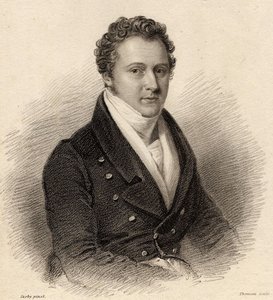
John Martin
1789 - 1854 , Reino Unido
Datos clave
- Fecha_Defuncion: 17 de febrero de 1854
- Fecha_Nacimiento: 19 de julio de 1789
- Influye_En: ['James Francis Danby']
- Lugar_De_Nacimiento: Haydon Bridge, Reino Unido
- Movimiento: Romanticismo
- Nacionalidad: Británico
- Nombre: John Martin
- Obras_Notables:
- La destrucción de Sodoma y Gomorra
- El banquete de Baltasar
- Harnham Church, cerca de Salisbury
- Keelmen heaving in coals by night
- Ploughing up turnips, near Slough
- The Evening of the Deluge
- Manfred and the Alpine Witch
- Satan Arousing the Fallen Angels, Book 1, line 314, from John Milton, Paradise Lost
- Pandemonium
- The country of the Iguanodon
- Eve
- The Plains of Heaven
Artículos relacionados

John Constable: Las 25 Obras Maestras del Paisaje Inglés | ArtsDot
Descubre las 25 obras maestras de John Constable, el pintor romántico inglés que capturó la belleza del paisaje. Explora su técnica, historia y significado en ArtsDot.com. Reproducciones de arte de alta calidad para tu hogar.

John Singer Sargent: Las 25 Obras Maestras del Retrato y la Belle Époque | ArtsDot
Descubre las 25 obras maestras de John Singer Sargent, el maestro del retrato y la Belle Époque. Explora su técnica impresionista, historias fascinantes y encuentra reproducciones de arte exclusivas para decorar tu hogar con elegancia en ArtsDot.com.

Paisajes Románticos: 10 Obras Maestras que Definieron un Movimiento Artístico
Descubre los 10 paisajes románticos más influyentes de artistas como Caspar David Friedrich y Turner. Explora la belleza, el simbolismo y las técnicas del movimiento romántico. Reproducciones de arte exclusivas en ArtsDot.com.

Evocations of Place: A Historical Journey Through Landscape Art
Explore the rich history of landscape art with ArtsDot. Discover renowned artists, movements like Impressionism & Romanticism, and expert guidance for collecting timeless pieces. Find your perfect serene escape today!
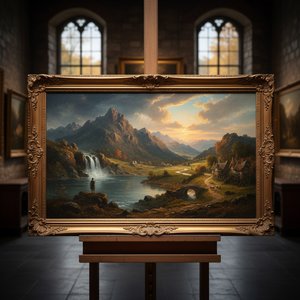
El Sublime y lo Pintoresco: Explorando la Emoción y la Naturaleza en la Pintura Romántica de Paisaje
Explora la profunda conexión entre el arte romántico y la naturaleza. Descubre a Caspar David Friedrich, John Constable y otros maestros del sublime y lo pintoresco. Análisis experto e historia del movimiento.