 Ver en contexto
 Enviar
 Compartir
 Detalles

 Descargar
 Similares
 Radiografía
 Presentación de diapositivas
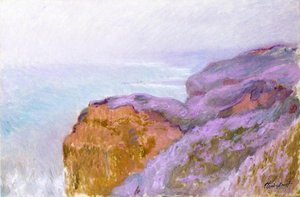
Cliffs at Falaise, (1904)


 Ver más
Reproducción al óleo hecha a mano
Óleo sobre lienzo pintado a mano en el tamaño y marco de su elección, realizado por encargo por nuestros artistas. ( Comprar impresión Comprar imagen)




P118B $10

P118H $10

P118W $10

P438Z $10

P508JH $12

P508YH $12

P805H $10

P805Z $10

P919BZ $10

P919G $10

P919XJ $10

P959ZH $10

P968JZ $12

W106C $8

W218G $10

W218JH $8

W218Y $10

W307PJ $10

W316G $10

W316PJ $8

W316Y $10

W398PJ $8

W4111J $10

W500HY $15

W500JH $15

W692G $12

W849H $8

W940BG $15

W953PJ $8




Elija entre nuestros tamaños predefinidos que respetan las proporciones originales de la obra.

Puede ingresar sus propias dimensiones para adaptarse a un marco o espacio específico. Si el tamaño seleccionado no coincide con las proporciones de la imagen original, recortaremos la obra o extenderemos la pintura con elementos adicionales pintados a mano. Se le enviará una maqueta digital para su aprobación antes de comenzar la producción.
Tenga en cuenta que la vista previa en pantalla no refleja el recorte o la extensión reales. Solo la maqueta mostrará con precisión la composición final.
Si bien existen tamaños personalizados, recomendamos seleccionar una dimensión de la lista predefinida para preservar las proporciones originales.
Tras realizar el pedido, el equipo de ArtsDot.com enviará un correo electrónico al cliente para solicitar instrucciones y proporcionarle una vista previa del boceto.
Envío a todo el mundo () en 3-4 semanas en lugar de las 5 semanas estándar. (22 agosto). Sin comprometer la calidad.

Envío exprés gratuito a todo el mundo

Lienzo de lino de alta calidad

Seguro de envío total

Garantía de reembolso de impuestos aduaneros

Garantía de fidelidad cromática exacta

Política de devolución de 60 días (solo por defectos)

Garantía de devolución del 100% del dinero

Descuento por cantidad
 La opción de vidrio solo está disponible en tamaños inferiores a 110 cm.

Cliffs at Falaise, (1904)
Técnica de reproducción
Dimensiones de la reproducción
-


Precio total final
$ 263
Descripción de la obra
A Solitary Encounter with the Infinite
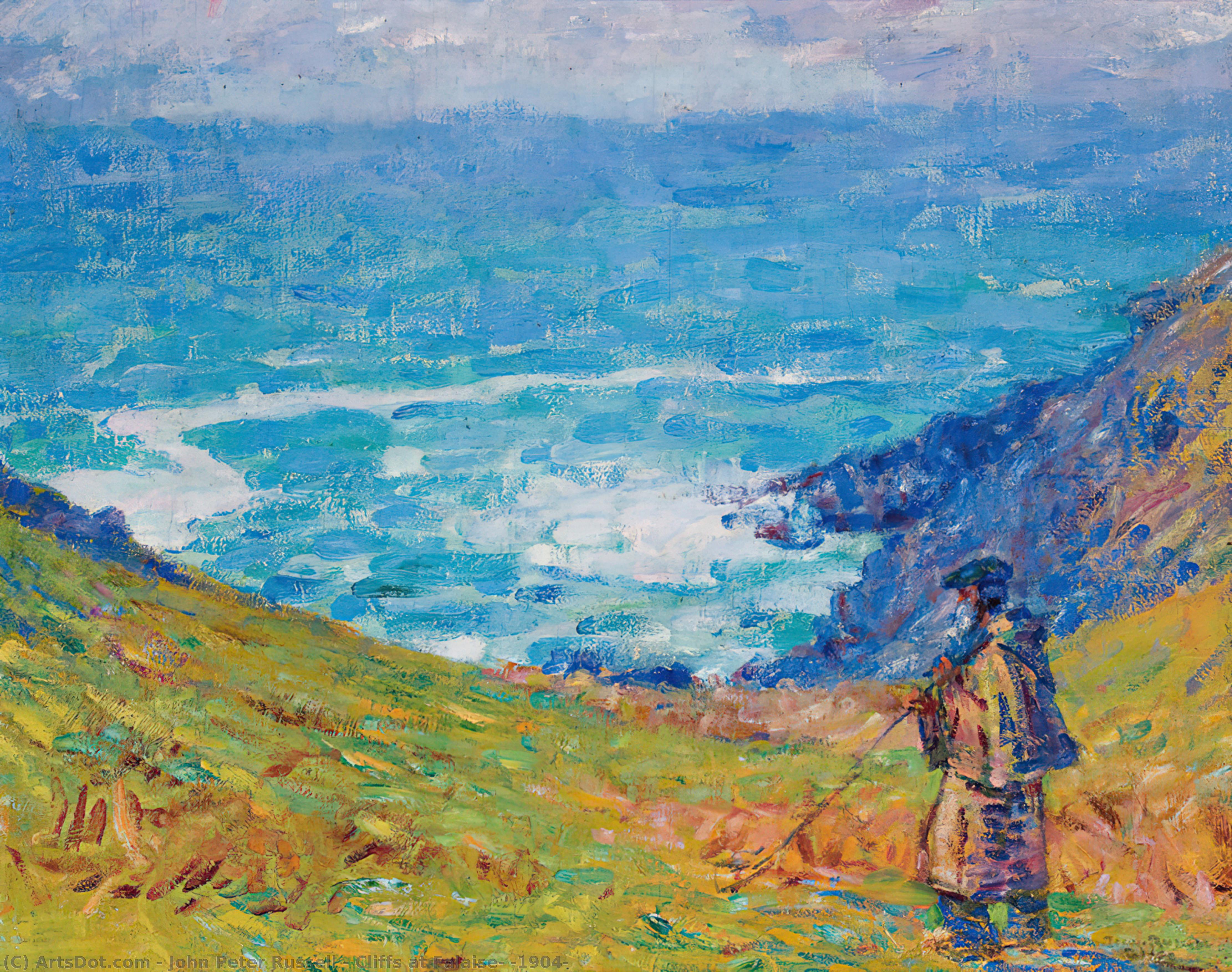
In the evocative landscape of Cliffs at Falaise, painted in 1904, we are invited to witness a moment of profound stillness amidst the restless energy of nature. The composition centers on a solitary figure perched upon a rugged, grassy precipice, gazing out over an expansive seascape that seems to stretch into eternity. This is not merely a depiction of a coastline; it is a meditation on the relationship between the human spirit and the vast, untamable elements of the earth. Through a masterful use of diagonal lines, John Peter Russell directs our gaze from the textured, warm-toned foreground—rich with ochre, amber, and burnt sienna grasses—down toward the churning whitecaps of the Atlantic. The cliff face acts as a dramatic threshold, separating the terrestrial world of the viewer from the ethereal, misty horizon where the sea meets the sky.
The emotional resonance of the piece lies in its ability to evoke a sense of sublime solitude. There is a gentle melancholy present in the diffused, overcast light, suggesting a day where the atmosphere is heavy with salt spray and quiet contemplation. For the collector or interior designer, this painting offers a window into a world of peaceful introspection. It possesses a unique ability to anchor a room, providing a focal point that encourages slow looking and deep thought. The interplay between the stability of the earth and the fluid motion of the waves creates a rhythmic tension that is both calming and intellectually stimulating, making it an ideal centerpiece for spaces dedicated to relaxation or creative inspiration.
The Impressionist Touch: Texture and Light
Technically, Cliffs at Falaise stands as a testament to Russell’s mastery of the Impressionist vocabulary. Eschewing the rigid lines of academic realism, the artist employs a vigorous, impasto technique that lends the canvas a sculptural quality. Each brushstroke is visible and purposeful, building up layers of oil paint to mimic the tactile reality of wind-sweed vegetation and the frothing crests of breaking waves. This heavy application of paint allows light to play across the surface of the work, creating actual shadows within the texture of the pigment itself. The color palette is a sophisticated study in contrast; the warm, earthy tones of the foreground provide a necessary counterpoint to the cool, swirling blues and brilliant whites of the ocean.
Russell’s approach to light is particularly noteworthy. Rather than capturing a single, frozen moment of sunlight, he captures the atmosphere of the scene. The lighting feels soft and pervasive, characteristic of an overcast maritime climate, which helps to flatten the perspective in a way that is quintessentially modern. This atmospheric perspective—where colors become progressively lighter and less saturated as they recede toward the horizon—creates a breathtaking sense of depth without relying on traditional vanishing points. For those seeking a high-quality reproduction, this emphasis on texture and light ensures that the painting retains its luminous, breathing quality, bringing the raw energy of the French coast into any contemporary setting.
A Legacy of Connection
To understand the soul of this work, one must consider the artist’s place within the broader tapestry of art history. John Peter Russell, often referred to as Australia’s Lost Impressionist, occupied a unique position at the crossroads of international movements. Having studied in London and lived in the vibrant heart of Paris, his work carries the DNA of the great Impressionist masters while maintaining a distinct, rugged individuality. This painting reflects that transatlantic exchange—the technical rigor of his formal training blended with the experimental freedom of the French avant-garde.
When choosing a reproduction of such a significant piece, one is not just selecting a decoration, but investing in a fragment of art history. Cliffs at Falaise serves as a bridge between the physical world and the emotional landscape, offering a timeless beauty that transcends its era. It remains a powerful symbol of the human desire to find meaning within the vastness of the natural world, making it an enduring choice for those who appreciate art that speaks to both the eye and the soul.
Obras relacionadas
Biografía del artista
John Peter Russell: El Impresionista Australiano Olvidado
Primeros Años y Educación
- Nacimiento: Sydney, Australia (16 de junio de 1858)
- Fallecimiento: Randwick, Sydney, Australia (30 de abril de 1930)
- Antecedentes Familiares: Hijo de John Russell (ingeniero) y Charlotte Elizabeth Nicholl. Sobrino del Sir Peter Nical Russell.
- Educación Temprana: Escuela Goulburn.
- Traslado a Europa: A los dieciocho años, se mudó a Inglaterra inicialmente para un aprendizaje de ingeniería pero pronto transitó al estudio del arte.
- Escuela de Bellas Artes Slade (Londres): Estudió bajo Alphonse Legros de 1881 a 1883.
- Estudios Parisinos: Continuó su formación artística en París, estudiando pintura con Fernand Cormon.
Desarrollo Artístico e Influencias
- Amistad con Vincent van Gogh: Se desarrolló una estrecha amistad durante su tiempo juntos en París, lo que llevó al icónico retrato de Russell de Van Gogh (1886).
- Influencia de Claude Monet: Pasó un tiempo significativo pintando junto a Monet en Belle Île, absorbiendo técnicas y paletas de colores impresionistas.
- Conexión con Henri Matisse: La influencia de Russell en Matisse está bien documentada; Matisse atribuyó a Russell la introducción al impresionismo y a la teoría del color durante una visita a Belle Île en la década de 1890.
- Estilo Impresionista: Inicialmente, Russell siguió de cerca el estilo impresionista francés puro, caracterizado por pinceladas rotas y un énfasis en la luz y el color.
- Belle Île como Inspiración: La isla de Belle Île se convirtió en una fuente central de inspiración para su trabajo, destacando prominentemente en muchas de sus pinturas.
Obras Principales y Estilo Artístico
- Retrato de Vincent van Gogh (1886): Se considera una de las representaciones más importantes de Van Gogh por un artista contemporáneo.
- Mariscos de Belle Île: Russell fue reconocido por sus vibrantes mariscos que capturaban la belleza accidentada y la luz cambiante de la costa atlántica.
- Madame Sisley a orillas del Loing en Moret (1887): Demuestra su dominio de las técnicas impresionistas, influenciado por Alfred Sisley.
- Mon Ami 'Polite' (c. 1900): Un retrato de un pescador local de Belle Île, que muestra su capacidad para capturar el carácter y la atmósfera.
- Les aiguilles de Coton, Belle-Île (1897): Una acuarela que representa los distintivos afloramientos rocosos cerca de su casa en Belle Île.
- Estilo: Se caracteriza por un uso vibrante del color, pinceladas sueltas y una representación optimista de paisajes y figuras.
Vida Posterior, Redescubrimiento y Legado
- Destrucción de Obras: Tras la muerte de su esposa Marianna en 1907, Russell destruyó aproximadamente 400 de sus pinturas, una pérdida significativa para la historia del arte.
- Regreso a Australia: Regresó a Sydney en la vejez, viviendo una vida relativamente tranquila.
- Reconocimiento Póstumo: Su sobrina, Thea Proctor, jugó un papel crucial en la promoción de la obra de Russell después de su muerte.
- Redescubrimiento como "El Impresionista Australiano Perdido": A finales del siglo XX, las biografías y exposiciones ayudaron a restaurar su reputación como artista significativo.
- Estado Actual: Sus obras ahora se conservan en importantes galerías tanto en Australia como en Europa (Musée d'Orsay, Musée Rodin).
- Significado Histórico: La historia de Russell destaca las contribuciones a menudo pasadas por alto de los artistas australianos al movimiento vanguardista europeo. Sirve como un puente entre el impresionismo australiano y francés.
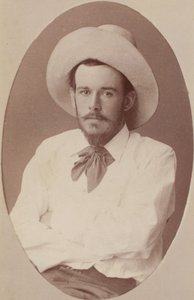
John Peter Russell
1858 - 1930 , Australia
Datos clave
- Artistas Que Influyeron: ['Claude Monet']
- Fecha De Fallecimiento: 30 de abril de 1930
- Fecha De Nacimiento: 16 de junio de 1858
- Influenciado Por: ['Henri Matisse']
- Lugar De Nacimiento: Sídney, Australia
- Movimiento Artístico: Impresionismo
- Nacionalidad: Australiano
- Nombre Completo: John Peter Russell
- Obras Notables:
- Retrato de Van Gogh
- Madame Sisley en Loing
- Mon Ami 'Polite'
- Les aiguilles de Coton
Artículos relacionados

John Constable: Las 25 Obras Maestras del Paisaje Inglés | ArtsDot
Descubre las 25 obras maestras de John Constable, el pintor romántico inglés que capturó la belleza del paisaje. Explora su técnica, historia y significado en ArtsDot.com. Reproducciones de arte de alta calidad para tu hogar.

John Singer Sargent: Las 25 Obras Maestras del Retrato y la Belle Époque | ArtsDot
Descubre las 25 obras maestras de John Singer Sargent, el maestro del retrato y la Belle Époque. Explora su técnica impresionista, historias fascinantes y encuentra reproducciones de arte exclusivas para decorar tu hogar con elegancia en ArtsDot.com.

Los 10 Maestros del Paisaje Impresionista: Obras que Cambiaron la Historia del Arte
Descubre los 10 lienzos impresionistas que revolucionaron el arte. Monet, Renoir y más… Explora la historia, técnica y belleza de cada obra maestra. Encuentra reproducciones de alta calidad para tu hogar en ArtsDot.com.

Paisajes Románticos: 10 Obras Maestras que Definieron un Movimiento Artístico
Descubre los 10 paisajes románticos más influyentes de artistas como Caspar David Friedrich y Turner. Explora la belleza, el simbolismo y las técnicas del movimiento romántico. Reproducciones de arte exclusivas en ArtsDot.com.

Los 10 Maestros del Paisaje Impresionista: Obras que Cambiaron la Historia del Arte
Descubre los 10 lienzos impresionistas que revolucionaron el arte. Explora la historia de Monet, Van Gogh y Renoir, sus técnicas y colores vibrantes. Encuentra reproducciones de alta calidad para decorar tu hogar en ArtsDot.com