

 Ver en contexto
 Enviar
 Compartir
 Detalles

 Descargar
 Similares
 Radiografía
 Presentación de diapositivas
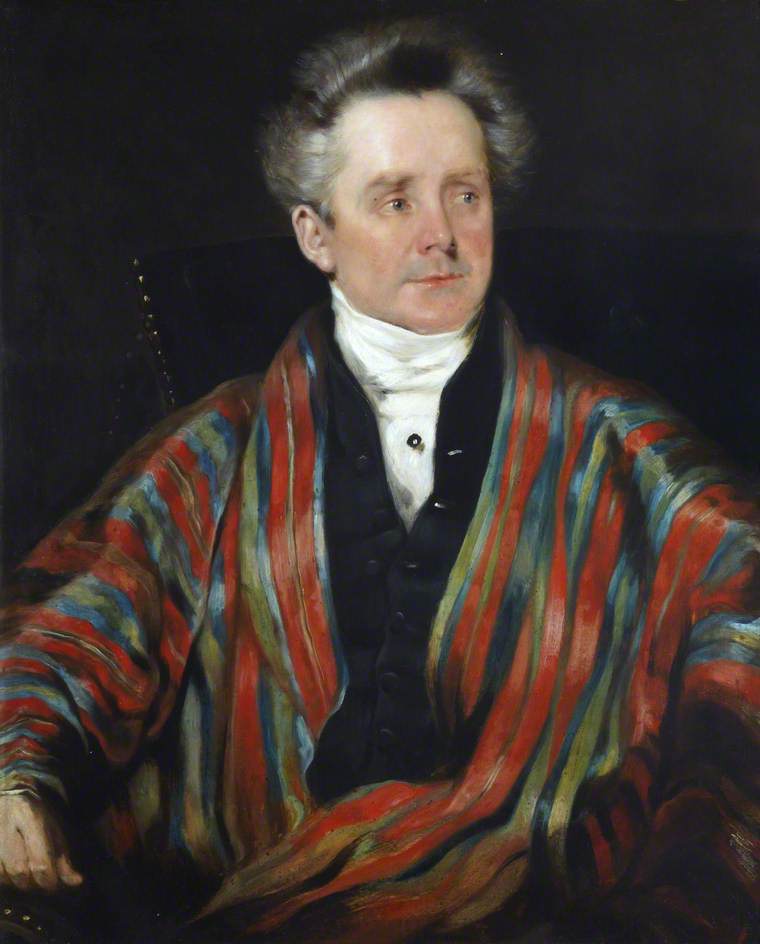
Reverend Ebenezer Henderson (1784–1858), DD
 76.0 x 61.0 cm
 Salas de la Ciudad de Dunfermline
 Ver más
Reproducción al óleo hecha a mano
Óleo sobre lienzo pintado a mano en el tamaño y marco de su elección, realizado por encargo por nuestros artistas. ( Comprar impresión Comprar imagen)




































Elija entre nuestros tamaños predefinidos que respetan las proporciones originales de la obra.

Puede ingresar sus propias dimensiones para adaptarse a un marco o espacio específico. Si el tamaño seleccionado no coincide con las proporciones de la imagen original, recortaremos la obra o extenderemos la pintura con elementos adicionales pintados a mano. Se le enviará una maqueta digital para su aprobación antes de comenzar la producción.
Tenga en cuenta que la vista previa en pantalla no refleja el recorte o la extensión reales. Solo la maqueta mostrará con precisión la composición final.
Si bien existen tamaños personalizados, recomendamos seleccionar una dimensión de la lista predefinida para preservar las proporciones originales.
Tras realizar el pedido, el equipo de ArtsDot.com enviará un correo electrónico al cliente para solicitar instrucciones y proporcionarle una vista previa del boceto.
Envío a todo el mundo () en 3-4 semanas en lugar de las 5 semanas estándar. (3 septiembre). Sin comprometer la calidad.

Envío exprés gratuito a todo el mundo

Lienzo de lino de alta calidad

Seguro de envío total

Garantía de reembolso de impuestos aduaneros

Garantía de fidelidad cromática exacta

Política de devolución de 60 días (solo por defectos)

Garantía de devolución del 100% del dinero

Descuento por cantidad
 La opción de vidrio solo está disponible en tamaños inferiores a 110 cm.

Reverend Ebenezer Henderson (1784–1858), DD
Técnica de reproducción
Dimensiones de la reproducción
-


Precio total final
$ 263
Obras relacionadas








Biografía del artista
The Soul Captured in Shadow: The Life and Art of John Robert Wildman
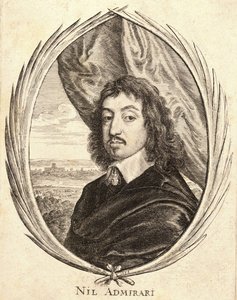
John Robert Wildman (1788–1843) remains a captivating figure in the annals of British portraiture, an artist whose brush served as a bridge between the fervent emotionalism of the Romantic era and the disciplined precision of academic realism. Born in the quiet town of Wymondham, Norfolk, Wildman’s journey from the son of a butcher to a respected painter of the Victorian age is a testament to the transformative power of classical education and artistic devotion. His early years at Corpus Christi College, Cambridge, provided him with a profound foundation in humanist scholarship, an intellectual depth that would later manifest in his ability to imbue his subjects with more than mere physical likeness, but with a palpable sense of character and historical weight. As his talent matured, Wildman found himself navigating the shifting tides of nineteenth-century aesthetics. His early explorations were deeply colored by the burgeoning Romantic movement, characterized by an embrace of dramatic lighting and expressive, almost turbulent, brushwork reminiscent of masters like Turner. Yet, Wildman possessed a discerning eye that sought stability amidst this emotional flux. He moved away from purely emotive gestures toward a style defined by anatomical accuracy and a meticulous attention to detail, creating works that felt both alive with spirit and anchored in reality.A Symbiosis of Vision: The Influence of Constable
One of the most defining chapters of Wildman’s career was his profound connection to John Constable, the titan of British landscape painting. The two artists established a shared studio in Bury St Edmunds, a collaboration that would fundamentally reshape Wildman's approach to the canvas. While Constable focused on the raw, unyielding truth of the natural world, Wildman applied this same commitment to the human form. From Constable, he absorbed an unwavering dedication to observation—a belief that every shadow and every texture must be rendered with uncompromising honesty. This period of shared creative energy allowed Wildman to refine a technique where light does not merely illuminate a subject but sculpts it. In his portraits, one can observe a sophisticated use of chiaroscuro, where deep, velvety shadows recede to allow the luminous skin tones and intricate textures of period attire to emerge with startling clarity. This marriage of Romantic atmosphere and academic rigor allowed him to capture the dignity of his sitters while maintaining a sense of the ephemeral, fleeting moment.Legacy of the Victorian Portraitist
Wildman’s body of work serves as a vital historical record of the British social fabric during the early Victorian period. His portraits—ranging from notable intellectuals like Robert Morrison to intimate family depictions such as those of Mrs. Mary Linsdell and her son—offer a window into the era's psychological landscape. He possessed a rare ability to navigate the nuances of status and sentiment, rendering the regalia of the upper classes with precision while never losing sight of the individual humanity beneath the silk and lace. The enduring significance of his art lies in its balance. To look upon a Wildman portrait is to witness:- Technical Mastery: A seamless integration of fine detail and fluid, painterly movement.
- Historical Resonance: An authentic portrayal of nineteenth-century identity and social hierarchy.
- Emotional Depth: The ability to evoke the inner life of a subject through subtle shifts in light and gaze.
Datos clave
- Artistic Movement Or Style: Academic Realism
- Artists Or Movements Influenced By This Artist: ['Robert Henri']
- Artists Who Influenced This Artist: ['Charles Robert Leslie']
- Date Of Death: June 2, 1693
- Full Name: John Robert Wildman
- Nationality: English
- Notable Artworks: ['Major Wildman']
- Place Of Birth: Wymondham, Norfolk

