 Vista previa
 Compartir
 Compartir
 Ver detalles

 Descargar
 Ver similares
 Radiografía
 Presentación de diapositivas
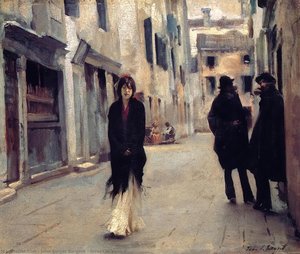
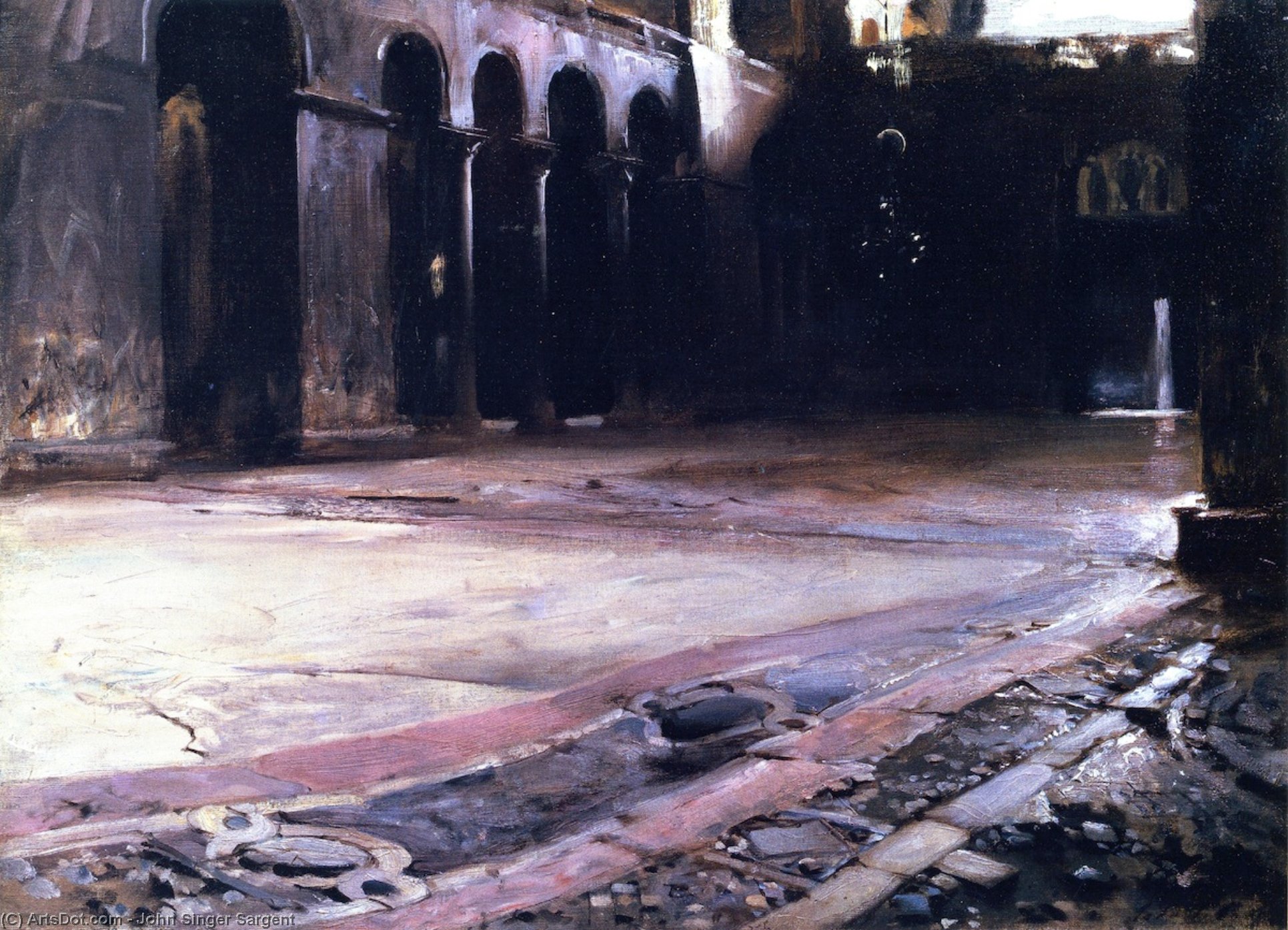
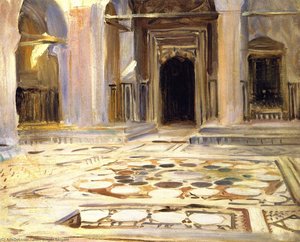
Pavement of St Mark's, Venice


 Leer más
Reproducción al óleo hecha a mano
Óleo sobre lienzo pintado a mano en el tamaño y marco de su elección, realizado por encargo por nuestros artistas. ( Pedir impresión Comprar descarga)




P118B $10

P118H $10

P118W $10

P438Z $10

P508JH $12

P508YH $12

P805H $10

P805Z $10

P919BZ $10

P919G $10

P919XJ $10

P959ZH $10

P968JZ $12

W106C $8

W218G $10

W218JH $8

W218Y $10

W307PJ $10

W316G $10

W316PJ $8

W316Y $10

W398PJ $8

W4111J $10

W500HY $15

W500JH $15

W692G $12

W849H $8

W940BG $15

W953PJ $8




Elija entre nuestros tamaños predefinidos que respetan las proporciones originales de la obra.

Puede ingresar sus propias dimensiones para adaptarse a un marco o espacio específico. Si el tamaño seleccionado no coincide con las proporciones de la imagen original, recortaremos la obra o extenderemos la pintura con elementos adicionales pintados a mano. Se le enviará una maqueta digital para su aprobación antes de comenzar la producción.
Tenga en cuenta que la vista previa en pantalla no refleja el recorte o la extensión reales. Solo la maqueta mostrará con precisión la composición final.
Si bien existen tamaños personalizados, recomendamos seleccionar una dimensión de la lista predefinida para preservar las proporciones originales.
Tras realizar el pedido, el equipo de ArtsDot.com enviará un correo electrónico al cliente para solicitar instrucciones y proporcionarle una vista previa del boceto.
Envío a todo el mundo () en 3-4 semanas en lugar de las 5 semanas estándar. (21 agosto). Sin comprometer la calidad.

Envío exprés gratuito a todo el mundo

Lienzo de lino de alta calidad

Seguro de envío completo

Garantía de reembolso de aranceles aduaneros

Garantía de fidelidad cromática exacta

Política de devolución de 60 días (solo por defectos)

Garantía de devolución del 100% del dinero

Oferta por volumen
 La opción de vidrio solo está disponible en tamaños inferiores a 110 cm.

Pavement of St Mark's, Venice
Técnica de reproducción
Tamaño de la reproducción
-


Precio total
$ 263
Descripción de la obra
A Study in Decay and Light: John Singer Sargent’s ‘Pavement of St Mark’s, Venice’
John Singer Sargent's “Pavement of St Mark’s, Venice” is not merely a depiction of an ancient Venetian courtyard; it’s a profound meditation on time, atmosphere, and the enduring power of light. Completed in 1880, this oil painting captures a moment suspended between dusk and dawn within the labyrinthine heart of St. Mark's Square, offering a glimpse into a world both grand and profoundly melancholic. The scene unfolds as a vast, dimly lit arcade, rendered with meticulous realism that speaks to Sargent’s rigorous training and his deep appreciation for classical composition. The artist masterfully employs perspective, drawing the viewer inexorably towards a vanishing point lost in the shadows, creating an illusion of immense space and echoing depth – a technique reminiscent of the Venetian masters he so admired.
- Architectural Drama: Sargent’s focus isn't on human figures but on the architecture itself. The arched openings, weathered columns, and fractured pavement become the primary subjects, arranged to evoke a sense of timelessness and decay.
- Dramatic Lighting: The painting’s most striking feature is its dramatic use of light. Strong contrasts between illuminated areas and deep shadows suggest either the fleeting moments of early morning or late afternoon, imbuing the scene with an almost theatrical quality.
- Materiality as Subject: Sargent's attention to detail extends beyond mere representation; he meticulously captures the textures of the stone – its roughness, its dustiness – inviting us to almost feel the cool dampness of the Venetian pavement beneath our feet.
The Romantic Realism of a Gilded Age Artist
Sargent’s artistic journey began in Florence, Italy, where he was born in 1856 to American expatriate parents. This early exposure to European art and culture profoundly shaped his style. While lacking formal academic training, Sargent honed his skills through extensive observation and a deep understanding of light and shadow – qualities that would become hallmarks of his work. “Pavement of St Mark’s” exemplifies this approach, blending realistic detail with a distinctly romantic sensibility. The evocative mood, the dramatic lighting, and the sense of mystery contribute to an emotional resonance that transcends a simple topographical study.
The painting reflects the broader artistic currents of the late 19th century – a period often referred to as the Gilded Age. Sargent’s work aligns with the rise of realism while simultaneously embracing elements of romanticism, capturing not just what he saw but also how he *felt* about it. This combination is evident in his ability to transform an ordinary urban space into something profoundly evocative and emotionally charged.
Symbolic Layers: Time, Decay, and Memory
Beyond its technical brilliance, “Pavement of St Mark’s” carries a subtle symbolic weight. The crumbling stonework, the scattered debris – these elements speak to the passage of time, the inevitable decay that affects all things. The scene can be interpreted as a meditation on mortality, or perhaps as a reminder of the impermanence of human endeavors. The vastness of the space and the sense of isolation contribute to this feeling of melancholy, inviting contemplation about history and memory.
- Historical Context: Venice in 1880 was undergoing significant social and economic changes, reflecting a broader shift in Europe’s power dynamics. Sargent's depiction captures a moment of transition, hinting at the city’s decline while simultaneously celebrating its enduring beauty.
- The Artist’s Vision: Sargent wasn’t simply documenting a physical space; he was conveying an emotional response to it – a sense of awe, mystery, and perhaps even sadness.
A Timeless Masterpiece for Your Collection
ArtsDot offers meticulously crafted hand-painted reproductions of “Pavement of St Mark’s, Venice,” allowing you to bring this iconic artwork into your home or office. Our skilled artisans employ traditional oil painting techniques, faithfully recreating Sargent's masterful use of light, shadow, and texture. Choose from a range of sizes to perfectly suit your space and budget. This exceptional reproduction is more than just an image; it’s a tangible connection to one of the most significant works in John Singer Sargent’s oeuvre – a testament to his artistic genius and enduring legacy.
Obras relacionadas








Biografía del artista
John Singer Sargent: Una Vida en el Arte
John Singer Sargent (1856-1925) fue un artista expatriado estadounidense considerado el “pintor de retratos líder” de su generación, para la sociedad de la clase alta eduardiana. Su obra encarna una mezcla única de brillantez técnica, influencias impresionistas e insight psicológico.
Vida Temprana y Formación
Nacido el 12 de enero de 1856 en Florencia, Italia, de padres estadounidenses Fitzwilliam y Mary Newbold Sargent, John Singer Sargent experimentó una infancia nómada. Sus padres eran expatriados que se mudaban con frecuencia entre Francia, Alemania, Italia y Suiza. Este estilo de vida fomentó una amplia conciencia cultural, pero significó una educación menos convencional. En lugar de escolarización formal, la educación temprana de Sargent se centró en visitar museos e iglesias por toda Europa.
En 1874, Sargent comenzó a estudiar con el artista francés de retratos Carolus-Duran en París. Esta mentoría resultó fundamental. Duran enfatizó la pintura directa – una técnica de aplicación de pintura sin bocetos preliminares – que afinó la notable destreza técnica de Sargent y su capacidad para capturar rasgos con asombrosa rapidez y precisión.
Carrera Artística y Estilo
La producción artística de Sargent se puede dividir ampliamente en dos categorías: retratos encargados e estudios informales. Su retrato formal, a menudo representando a las ricas y prominentes figuras de su tiempo, se adhería a la tradición del “estilo grandioso” – enfatizando la elegancia, el estatus y la profundidad psicológica.
Sin embargo, Sargent también persiguió un estilo más personal en sus paisajes y estudios al aire libre. Estas obras demuestran una clara afinidad con el Impresionismo, caracterizado por pinceladas sueltas, paletas de colores vibrantes y un énfasis en capturar momentos fugaces de luz y atmósfera.
Obras Maestras y Logros
- Madame X (1884): Quizás la obra más famosa de Sargent, este retrato causó controversia por su audaz representación de la socialite Virginie Amélie Avegno Gautreau.
- El Jaleo (1882): Una escena dinámica y colorida que captura una danza flamenca española, mostrando el dominio de Sargent del movimiento y la luz.
- Carnación, Lily, Lily, Rose (1886): Un cuadro sereno e evocador que representa a dos jóvenes chicas encendiendo faroles en un jardín inglés.
- Una Mesa de Cena por la Noche (1882-83): Una composición innovadora que captura la atmósfera íntima de una cena utilizando luz artificial.
Influencias
Sargent fue influenciado por una diversa gama de artistas y movimientos:
- Carolus-Duran: Su maestro, quien le inculcó una técnica de pintura directa.
- Diego Velázquez: Sargent admiró el magistral uso de luz y pincelada de Velázquez.
- Impresionismo: La énfasis de los impresionistas en capturar momentos fugaces y efectos atmosféricos impactó profundamente en sus pinturas de paisajes.
Significado Histórico y Legado
Inicialmente, Sargent enfrentó críticas por su enfoque poco convencional del retrato y su disposición a desafiar las normas artísticas tradicionales. Sin embargo, a principios del siglo XX, se había establecido como uno de los principales artistas de su tiempo.
En la década de 1980, hubo una reevaluación significativa de la obra de Sargent, particularmente sus desnudos masculinos previamente desatendidos. Esta redescubrimiento reveló un artista más complejo y matizado de lo que se había entendido anteriormente. Hoy en día, John Singer Sargent es celebrado por su virtuosismo técnico, su capacidad para capturar el espíritu de su época y su contribución perdurable al arte estadounidense.
Sus pinturas ofrecen una ventana fascinante a la lujos y las dinámicas sociales de la era eduardiana, mientras que también reflejan su propia visión artística personal. Su obra continúa inspirando a artistas y cautivando a audiencias en todo el mundo.

John Singer Sargent
1856 - 1925 , Italia
Datos clave
- Artistas Que Influyeron:
- Carolus-Duran
- Diego Velázquez
- Fecha De Muerte: 1925
- Fecha De Nacimiento: 12 de enero de 1856
- Lugar De Nacimiento: Florencia, Italia
- Movimiento Artístico: Impresionismo
- Nacionalidad: Estadounidense
- Nombre Completo: John Singer Sargent
- Obras Notables:
- Madame X
- El Jaleo
- Carnación, Lily, Lily, Rose
- Una Mesa de Cena por la Noche
Artículos relacionados

John Singer Sargent: Las 25 Obras Maestras del Retrato y la Belle Époque | ArtsDot
Descubre las 25 obras maestras de John Singer Sargent, el maestro del retrato y la Belle Époque. Explora su técnica impresionista, historias fascinantes y encuentra reproducciones de arte exclusivas para decorar tu hogar con elegancia en ArtsDot.com.

John Singer Sargent: Capturing the Gilded Age with Impressionistic Brilliance
Explore the life & art of John Singer Sargent, premier portraitist of the Gilded Age. Discover his Impressionistic masterpieces, technical brilliance, and enduring legacy. Expert insights for collectors.

John Constable: Las 25 Obras Maestras del Paisaje Inglés | ArtsDot
Descubre las 25 obras maestras de John Constable, el pintor romántico inglés que capturó la belleza del paisaje. Explora su técnica, historia y significado en ArtsDot.com. Reproducciones de arte de alta calidad para tu hogar.
Los 10 Maestros del Neoclasicismo: Obras que Definieron una Era |
Descubre los 10 imprescindibles del Neoclasicismo con . Obras de David, Ingres y Canova que marcaron una era. Historia, técnica y significado de cada pieza. Encuentra reproducciones de arte de museo en

El Óleo sobre Lienzo: Historia, Técnica y la Persistencia de un Medio Artístico Atemporal
Descubre la historia y técnica del óleo sobre lienzo. Explora reproducciones fieles hechas a mano, personalización artística y consejos de expertos con ArtsDot. ¡Colecciona arte con confianza!