 Ver en contexto
 Enviar
 Compartir
 Detalles

 Descargar
 Similares
 Radiografía
 Presentación de diapositivas
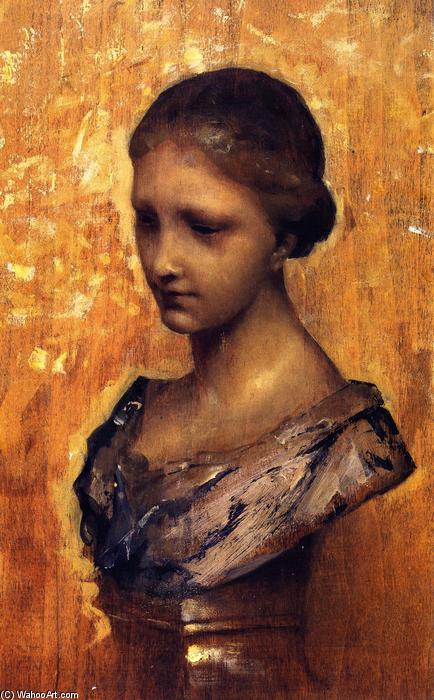
Study of a Bust at Lille


 Ver más
Reproducción al óleo hecha a mano
Óleo sobre lienzo pintado a mano en el tamaño y marco de su elección, realizado por encargo por nuestros artistas. ( Comprar impresión Comprar imagen)




P118B $10

P118H $10

P118W $10

P438Z $10

P508JH $12

P508YH $12

P805H $10

P805Z $10

P919BZ $10

P919G $10

P919XJ $10

P959ZH $10

P968JZ $12

W106C $8

W218G $10

W218JH $8

W218Y $10

W307PJ $10

W316G $10

W316PJ $8

W316Y $10

W398PJ $8

W4111J $10

W500HY $15

W500JH $15

W692G $12

W849H $8

W940BG $15

W953PJ $8




Elija entre nuestros tamaños predefinidos que respetan las proporciones originales de la obra.

Puede ingresar sus propias dimensiones para adaptarse a un marco o espacio específico. Si el tamaño seleccionado no coincide con las proporciones de la imagen original, recortaremos la obra o extenderemos la pintura con elementos adicionales pintados a mano. Se le enviará una maqueta digital para su aprobación antes de comenzar la producción.
Tenga en cuenta que la vista previa en pantalla no refleja el recorte o la extensión reales. Solo la maqueta mostrará con precisión la composición final.
Si bien existen tamaños personalizados, recomendamos seleccionar una dimensión de la lista predefinida para preservar las proporciones originales.
Tras realizar el pedido, el equipo de ArtsDot.com enviará un correo electrónico al cliente para solicitar instrucciones y proporcionarle una vista previa del boceto.
Envío a todo el mundo () en 3-4 semanas en lugar de las 5 semanas estándar. (24 agosto). Sin comprometer la calidad.

Envío exprés gratuito a todo el mundo

Lienzo de lino de alta calidad

Seguro de envío total

Garantía de reembolso de impuestos aduaneros

Garantía de fidelidad cromática exacta

Política de devolución de 60 días (solo por defectos)

Garantía de devolución del 100% del dinero

Descuento por cantidad
 La opción de vidrio solo está disponible en tamaños inferiores a 110 cm.

Study of a Bust at Lille
Técnica de reproducción
Dimensiones de la reproducción
-


Precio total final
$ 263
Descripción de la obra
A Study in Quiet Intensity: John Singer Sargent’s “Study of a Bust at Lille”
John Singer Sargent's "Study of a Bust at Lille," painted in 1877, is more than just a portrait; it’s a carefully constructed meditation on observation, light, and the subtle power of the human gaze. This intimate work, executed with Sargent’s signature mastery of brushwork and color, offers a glimpse into the burgeoning artistic sensibilities of the late 19th century – an era defined by both opulent social life and a renewed interest in classical ideals.
- Subject & Composition: The painting centers on a woman whose features are rendered with remarkable precision. Her head, positioned centrally within the frame, draws immediate attention, while her direct gaze engages the viewer in a silent dialogue. The "bust" aspect of the title suggests an engagement with classical sculpture, particularly the idealized forms prevalent in academic art circles at the time.
- Technique & Style: Sargent’s technique is immediately recognizable – loose, confident brushstrokes layered to create a shimmering effect, especially noticeable in the fabric of her dress and the cascading strands of her hair. He employs rapid color mixing on the canvas itself, creating an impressionistic quality that anticipates later developments in modern art. The warm yellow background isn't merely a decorative element; it’s strategically used to illuminate the subject, enhancing her presence and contributing to the painting’s overall sense of warmth and intimacy.
The Gilded Age Portrait – Social Context & Influences
Painted during Sargent’s formative years in Europe, “Study of a Bust at Lille” reflects the artistic currents of the Gilded Age. Sargent was deeply embedded within the social circles of wealthy American families who sought to establish themselves in European society. These commissions often demanded portraits that captured not just likenesses but also conveyed status and refinement. The influence of Italian Renaissance portraiture, particularly the works of Raphael and Leonardo da Vinci, is evident in Sargent’s careful attention to anatomy, his use of pyramidal composition (though subtly applied here), and his ability to imbue his subjects with a sense of timeless dignity.
- Historical Context: The late 1870s were a period of significant social and artistic change. Impressionism was challenging traditional academic styles, while Sargent navigated this evolving landscape by synthesizing classical techniques with a distinctly modern sensibility.
- Patronage & Social Significance: Portraits like this were not simply commissions; they were investments in social standing and a testament to the wealth and influence of the sitter’s family.
Symbolism and Emotional Resonance
Beyond its technical brilliance, “Study of a Bust at Lille” possesses a quiet emotional depth. The woman's serious expression suggests introspection or perhaps a subtle melancholy – qualities that resonate with viewers even today. The yellow background, often associated with enlightenment and optimism, subtly contrasts with the subject’s somber mood, creating a tension that adds to the painting’s complexity. The pose itself, reminiscent of classical depictions of goddesses or muses, elevates the sitter beyond a mere portrait subject, transforming her into an object of contemplation and admiration.
- Color Symbolism: The use of yellow is particularly noteworthy, suggesting warmth, intellect, and perhaps even a hint of hidden emotion.
- The Gaze: The woman’s direct gaze invites the viewer to participate in her thoughts and feelings, creating a powerful connection between the subject and the observer.
A Timeless Masterpiece – Perfect for Reproduction
"Study of a Bust at Lille" remains a compelling example of John Singer Sargent's artistic genius. A hand-painted reproduction captures not only the visual details of this remarkable work but also its inherent atmosphere and emotional resonance. Whether adorning a grand salon or a smaller interior space, this painting offers an enduring connection to a pivotal moment in art history – a testament to Sargent’s ability to capture both the beauty and complexity of the human spirit.
Obras relacionadas
Biografía del artista
John Singer Sargent: Una Vida en el Arte
John Singer Sargent (1856-1925) fue un artista expatriado estadounidense considerado el “pintor de retratos líder” de su generación, para la sociedad de la clase alta eduardiana. Su obra encarna una mezcla única de brillantez técnica, influencias impresionistas e insight psicológico.
Vida Temprana y Formación
Nacido el 12 de enero de 1856 en Florencia, Italia, de padres estadounidenses Fitzwilliam y Mary Newbold Sargent, John Singer Sargent experimentó una infancia nómada. Sus padres eran expatriados que se mudaban con frecuencia entre Francia, Alemania, Italia y Suiza. Este estilo de vida fomentó una amplia conciencia cultural, pero significó una educación menos convencional. En lugar de escolarización formal, la educación temprana de Sargent se centró en visitar museos e iglesias por toda Europa.
En 1874, Sargent comenzó a estudiar con el artista francés de retratos Carolus-Duran en París. Esta mentoría resultó fundamental. Duran enfatizó la pintura directa – una técnica de aplicación de pintura sin bocetos preliminares – que afinó la notable destreza técnica de Sargent y su capacidad para capturar rasgos con asombrosa rapidez y precisión.
Carrera Artística y Estilo
La producción artística de Sargent se puede dividir ampliamente en dos categorías: retratos encargados e estudios informales. Su retrato formal, a menudo representando a las ricas y prominentes figuras de su tiempo, se adhería a la tradición del “estilo grandioso” – enfatizando la elegancia, el estatus y la profundidad psicológica.
Sin embargo, Sargent también persiguió un estilo más personal en sus paisajes y estudios al aire libre. Estas obras demuestran una clara afinidad con el Impresionismo, caracterizado por pinceladas sueltas, paletas de colores vibrantes y un énfasis en capturar momentos fugaces de luz y atmósfera.
Obras Maestras y Logros
- Madame X (1884): Quizás la obra más famosa de Sargent, este retrato causó controversia por su audaz representación de la socialite Virginie Amélie Avegno Gautreau.
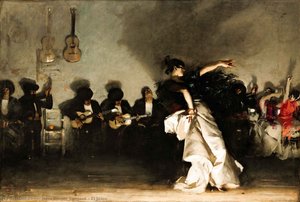
- El Jaleo (1882): Una escena dinámica y colorida que captura una danza flamenca española, mostrando el dominio de Sargent del movimiento y la luz.
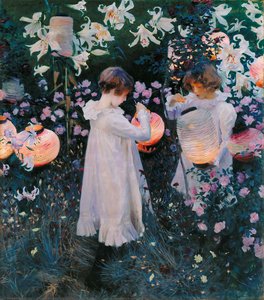
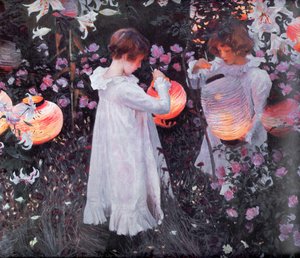
- Carnación, Lily, Lily, Rose (1886): Un cuadro sereno e evocador que representa a dos jóvenes chicas encendiendo faroles en un jardín inglés.
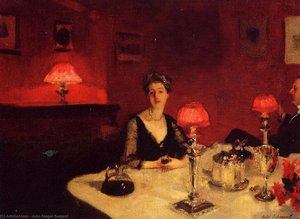
- Una Mesa de Cena por la Noche (1882-83): Una composición innovadora que captura la atmósfera íntima de una cena utilizando luz artificial.
Influencias
Sargent fue influenciado por una diversa gama de artistas y movimientos:
- Carolus-Duran: Su maestro, quien le inculcó una técnica de pintura directa.
- Diego Velázquez: Sargent admiró el magistral uso de luz y pincelada de Velázquez.
- Impresionismo: La énfasis de los impresionistas en capturar momentos fugaces y efectos atmosféricos impactó profundamente en sus pinturas de paisajes.
Significado Histórico y Legado
Inicialmente, Sargent enfrentó críticas por su enfoque poco convencional del retrato y su disposición a desafiar las normas artísticas tradicionales. Sin embargo, a principios del siglo XX, se había establecido como uno de los principales artistas de su tiempo.
En la década de 1980, hubo una reevaluación significativa de la obra de Sargent, particularmente sus desnudos masculinos previamente desatendidos. Esta redescubrimiento reveló un artista más complejo y matizado de lo que se había entendido anteriormente. Hoy en día, John Singer Sargent es celebrado por su virtuosismo técnico, su capacidad para capturar el espíritu de su época y su contribución perdurable al arte estadounidense.
Sus pinturas ofrecen una ventana fascinante a la lujos y las dinámicas sociales de la era eduardiana, mientras que también reflejan su propia visión artística personal. Su obra continúa inspirando a artistas y cautivando a audiencias en todo el mundo.

John Singer Sargent
1856 - 1925 , Italia
Datos clave
- Artistas Que Influyeron:
- Carolus-Duran
- Diego Velázquez
- Fecha De Muerte: 1925
- Fecha De Nacimiento: 12 de enero de 1856
- Lugar De Nacimiento: Florencia, Italia
- Movimiento Artístico: Impresionismo
- Nacionalidad: Estadounidense
- Nombre Completo: John Singer Sargent
- Obras Notables:
- Madame X
- El Jaleo
- Carnación, Lily, Lily, Rose
- Una Mesa de Cena por la Noche
Artículos relacionados

John Singer Sargent: Las 25 Obras Maestras del Retrato y la Belle Époque | ArtsDot
Descubre las 25 obras maestras de John Singer Sargent, el maestro del retrato y la Belle Époque. Explora su técnica impresionista, historias fascinantes y encuentra reproducciones de arte exclusivas para decorar tu hogar con elegancia en ArtsDot.com.
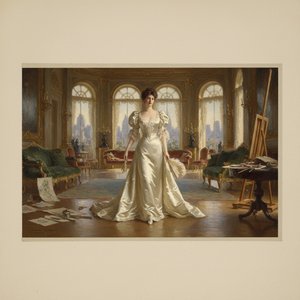
John Singer Sargent: Capturing the Gilded Age with Impressionistic Brilliance
Explore the life & art of John Singer Sargent, premier portraitist of the Gilded Age. Discover his Impressionistic masterpieces, technical brilliance, and enduring legacy. Expert insights for collectors.
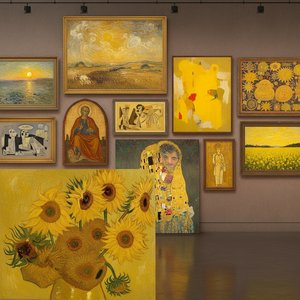
Los 10 cuadros más famosos dominados por el 'amarillo cromo': Arte y decoración
Descubre los 10 cuadros más emblemáticos dominados por el 'amarillo cromo': Van Gogh, Monet y otros maestros. Historia del arte, técnicas y decoración con lienzos impresionistas. ¡Explora la colección completa en ArtsDot.com!
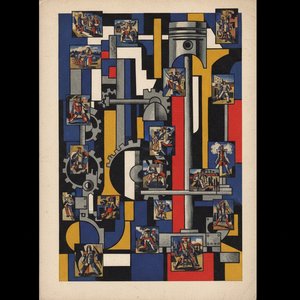
Fernand Léger: Las 25 Obras Maestras del Tubismo y la Vanguardia Francesa | ArtsDot
Descubre las 25 obras maestras de Fernand Léger, pionero del tubismo y la vanguardia francesa. Explora su estética industrial, composiciones geométricas y vibrantes colores. Reproducciones de arte exclusivas en ArtsDot.com.
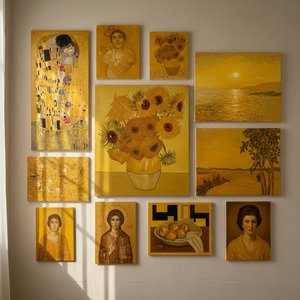
Los 10 cuadros más famosos dominados por el ocre amarillo: Arte y decoración atemporal
Descubre los 10 cuadros más famosos con tonos ocres amarillos. Explora la historia de Van Gogh, Monet y otros artistas clave del impresionismo y postimpresionismo. Encuentra reproducciones de arte de museo en .