 Enviar
 Compartir
 Detalles

 Descargar
 Similares
 Presentación de diapositivas
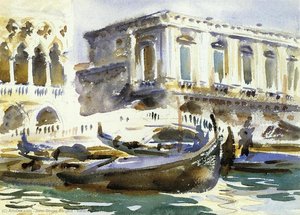
The Façade of La Salute


 Ver más
Reproducción al óleo hecha a mano
Óleo sobre lienzo pintado a mano en el tamaño y marco de su elección, realizado por encargo por nuestros artistas. ( Comprar impresión Comprar imagen)




































Elija entre nuestros tamaños predefinidos que respetan las proporciones originales de la obra.

Puede ingresar sus propias dimensiones para adaptarse a un marco o espacio específico. Si el tamaño seleccionado no coincide con las proporciones de la imagen original, recortaremos la obra o extenderemos la pintura con elementos adicionales pintados a mano. Se le enviará una maqueta digital para su aprobación antes de comenzar la producción.
Tenga en cuenta que la vista previa en pantalla no refleja el recorte o la extensión reales. Solo la maqueta mostrará con precisión la composición final.
Si bien existen tamaños personalizados, recomendamos seleccionar una dimensión de la lista predefinida para preservar las proporciones originales.
Tras realizar el pedido, el equipo de ArtsDot.com enviará un correo electrónico al cliente para solicitar instrucciones y proporcionarle una vista previa del boceto.
Envío a todo el mundo () en 3-4 semanas en lugar de las 5 semanas estándar. (29 agosto). Sin comprometer la calidad.

Envío exprés gratuito a todo el mundo

Lienzo de lino de alta calidad

Seguro de envío total

Garantía de reembolso de impuestos aduaneros

Garantía de fidelidad cromática exacta

Política de devolución de 60 días (solo por defectos)

Garantía de devolución del 100% del dinero

Descuento por cantidad
 La opción de vidrio solo está disponible en tamaños inferiores a 110 cm.

The Façade of La Salute
Técnica de reproducción
Dimensiones de la reproducción
-


Precio total final
$ 263
A Moment Frozen in Roman Light: Sargent’s ‘The Façade of La Salute’
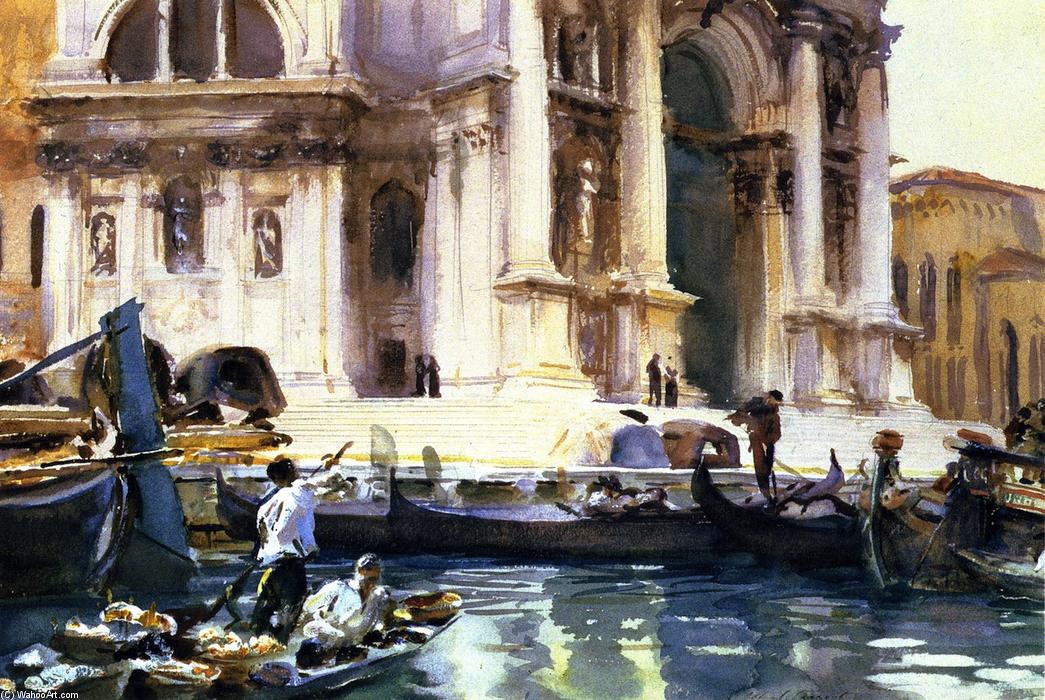
John Singer Sargent's 1903 watercolor, “The Façade of La Salute,” isn’t merely a depiction of a harbor scene; it’s a carefully constructed tableau brimming with the energy and social currents of early twentieth-century Rome. The painting captures a fleeting moment along the Tiber River, focusing on the imposing façade of Santa Maria della Salute, a baroque masterpiece designed by Antonio Visentini. Sargent, ever attuned to capturing atmosphere and human presence, has rendered this architectural grandeur not as a static monument, but as a vibrant stage for everyday life.
- Subject Matter: The primary subject is the monumental church of Santa Maria della Salute, its intricate details – the towering dome, the elaborate sculptures, and the rhythmic repetition of windows – meticulously observed.
- Secondary Elements: Surrounding this architectural statement are a collection of boats, each reflecting light differently, and figures engaged in various activities: merchants unloading goods, sailors tending to their vessels, and individuals simply observing the scene.
- Compositional Focus: Sargent masterfully employs diagonal lines created by the boats and the river’s flow to draw the viewer's eye towards the church, emphasizing its scale and importance within the urban landscape.
The Painterly Hand: Technique and Style
Sargent’s watercolor technique in “The Façade of La Salute” is characterized by a remarkable fluidity and luminosity. He employs loose washes of color to evoke the shimmering reflections on the water, skillfully layering translucent pigments to create an illusion of depth and atmosphere. Notice how he builds up areas of light with delicate strokes, particularly around the church’s dome and the boats, creating a sense of radiant warmth. This approach is distinctly Sargentian – prioritizing capturing fleeting moments of light and color over precise detail. The brushwork itself is loose and expressive, contributing to the painting's overall dynamism.
- Watercolor Properties: Sargent expertly utilizes watercolor’s inherent qualities—its ability to blend seamlessly and create luminous effects—to achieve a remarkably vibrant and atmospheric portrayal.
- Loose Brushwork: The painterly style is defined by visible brushstrokes, adding texture and movement to the scene.
- Color Palette: A restrained palette of blues, ochres, and whites dominates, reflecting the light conditions of the Roman harbor and enhancing the painting’s sense of realism.
Historical Context & Symbolic Resonance
"The Façade of La Salute" was created during a period of significant artistic and social change in Rome. The church itself, completed in 1757, represented a new style of Baroque architecture, reflecting the Counter-Reformation’s emphasis on grandeur and religious devotion. Sargent's depiction captures this moment of transition, showcasing not only the architectural achievement but also the bustling activity surrounding it – a microcosm of Roman life at the turn of the century. The inclusion of the clock adds another layer of meaning, symbolizing the passage of time and the rhythms of daily life within the city.
- Baroque Rome: The painting is inextricably linked to the architectural legacy of the Baroque period in Rome.
- Social Commentary: The scene offers a glimpse into the social fabric of early 20th-century Rome, revealing the importance of commerce and maritime activity along the Tiber River.
- Sargent’s Patronage: Sargent's work was often commissioned by wealthy patrons, reflecting his position within the fashionable circles of European society.
Emotional Impact & Artistic Legacy
“The Façade of La Salute” transcends a simple topographical rendering; it evokes a profound sense of place and atmosphere. The painting’s luminous quality, combined with Sargent's masterful use of light and shadow, creates an immersive experience for the viewer. It is a testament to Sargent’s ability to capture not just what he saw, but also how he *felt* about it – his appreciation for beauty, his fascination with human activity, and his skill in translating these observations onto canvas. This work exemplifies Sargent's enduring legacy as one of the most celebrated portraitists and landscape painters of his era.
Obras relacionadas
Biografía del artista
John Singer Sargent: Una Vida en el Arte
John Singer Sargent (1856-1925) fue un artista expatriado estadounidense considerado el “pintor de retratos líder” de su generación, para la sociedad de la clase alta eduardiana. Su obra encarna una mezcla única de brillantez técnica, influencias impresionistas e insight psicológico.
Vida Temprana y Formación
Nacido el 12 de enero de 1856 en Florencia, Italia, de padres estadounidenses Fitzwilliam y Mary Newbold Sargent, John Singer Sargent experimentó una infancia nómada. Sus padres eran expatriados que se mudaban con frecuencia entre Francia, Alemania, Italia y Suiza. Este estilo de vida fomentó una amplia conciencia cultural, pero significó una educación menos convencional. En lugar de escolarización formal, la educación temprana de Sargent se centró en visitar museos e iglesias por toda Europa.
En 1874, Sargent comenzó a estudiar con el artista francés de retratos Carolus-Duran en París. Esta mentoría resultó fundamental. Duran enfatizó la pintura directa – una técnica de aplicación de pintura sin bocetos preliminares – que afinó la notable destreza técnica de Sargent y su capacidad para capturar rasgos con asombrosa rapidez y precisión.
Carrera Artística y Estilo
La producción artística de Sargent se puede dividir ampliamente en dos categorías: retratos encargados e estudios informales. Su retrato formal, a menudo representando a las ricas y prominentes figuras de su tiempo, se adhería a la tradición del “estilo grandioso” – enfatizando la elegancia, el estatus y la profundidad psicológica.
Sin embargo, Sargent también persiguió un estilo más personal en sus paisajes y estudios al aire libre. Estas obras demuestran una clara afinidad con el Impresionismo, caracterizado por pinceladas sueltas, paletas de colores vibrantes y un énfasis en capturar momentos fugaces de luz y atmósfera.
Obras Maestras y Logros
- Madame X (1884): Quizás la obra más famosa de Sargent, este retrato causó controversia por su audaz representación de la socialite Virginie Amélie Avegno Gautreau.
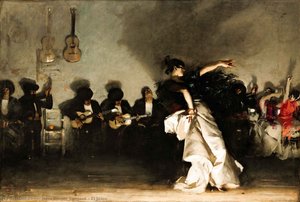
- El Jaleo (1882): Una escena dinámica y colorida que captura una danza flamenca española, mostrando el dominio de Sargent del movimiento y la luz.
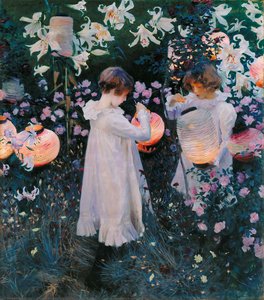
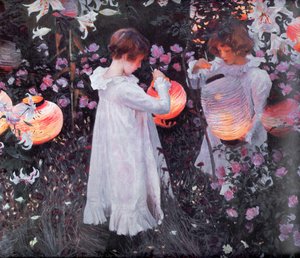
- Carnación, Lily, Lily, Rose (1886): Un cuadro sereno e evocador que representa a dos jóvenes chicas encendiendo faroles en un jardín inglés.
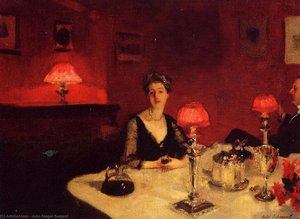
- Una Mesa de Cena por la Noche (1882-83): Una composición innovadora que captura la atmósfera íntima de una cena utilizando luz artificial.
Influencias
Sargent fue influenciado por una diversa gama de artistas y movimientos:
- Carolus-Duran: Su maestro, quien le inculcó una técnica de pintura directa.
- Diego Velázquez: Sargent admiró el magistral uso de luz y pincelada de Velázquez.
- Impresionismo: La énfasis de los impresionistas en capturar momentos fugaces y efectos atmosféricos impactó profundamente en sus pinturas de paisajes.
Significado Histórico y Legado
Inicialmente, Sargent enfrentó críticas por su enfoque poco convencional del retrato y su disposición a desafiar las normas artísticas tradicionales. Sin embargo, a principios del siglo XX, se había establecido como uno de los principales artistas de su tiempo.
En la década de 1980, hubo una reevaluación significativa de la obra de Sargent, particularmente sus desnudos masculinos previamente desatendidos. Esta redescubrimiento reveló un artista más complejo y matizado de lo que se había entendido anteriormente. Hoy en día, John Singer Sargent es celebrado por su virtuosismo técnico, su capacidad para capturar el espíritu de su época y su contribución perdurable al arte estadounidense.
Sus pinturas ofrecen una ventana fascinante a la lujos y las dinámicas sociales de la era eduardiana, mientras que también reflejan su propia visión artística personal. Su obra continúa inspirando a artistas y cautivando a audiencias en todo el mundo.

John Singer Sargent
1856 - 1925 , Italia
Datos clave
- Artistas Que Influyeron:
- Carolus-Duran
- Diego Velázquez
- Fecha De Muerte: 1925
- Fecha De Nacimiento: 12 de enero de 1856
- Lugar De Nacimiento: Florencia, Italia
- Movimiento Artístico: Impresionismo
- Nacionalidad: Estadounidense
- Nombre Completo: John Singer Sargent
- Obras Notables:
- Madame X
- El Jaleo
- Carnación, Lily, Lily, Rose
- Una Mesa de Cena por la Noche
Artículos relacionados

John Singer Sargent: Las 25 Obras Maestras del Retrato y la Belle Époque | ArtsDot
Descubre las 25 obras maestras de John Singer Sargent, el maestro del retrato y la Belle Époque. Explora su técnica impresionista, historias fascinantes y encuentra reproducciones de arte exclusivas para decorar tu hogar con elegancia en ArtsDot.com.

Acuarelas Legendarias: 10 Obras Maestras que Transformaron el Arte | ArtsDot
Descubre 10 acuarelas legendarias de Turner, Monet y Sargent que revolucionaron el arte. Explora la historia, técnica y belleza de estas obras maestras impresionistas y románticas. Reproducciones de museo en ArtsDot.com.

Ephemeral Visions: Exploring the Artistic Legacy & Contemporary Practice of Watercolor Painting
Explore the captivating world of watercolor painting! Discover its rich history, essential techniques, influential artists & collecting tips. A comprehensive guide for art enthusiasts from ArtsDot.

Visiones Efímeras: Historia y Resonancia Emocional de la Pintura Acuarela
Descubre la fascinante historia de la acuarela, desde sus orígenes hasta su expresión contemporánea. Explora técnicas, artistas clave como Paul Klee y encuentra reproducciones de alta calidad en ArtsDot.

Ephemeral Visions: Exploring the Artistic Legacy & Nuances of Watercolor Painting
Explore the captivating world of watercolor painting! Discover its rich history, essential techniques, influential artists & collecting tips from art experts. A comprehensive guide for enthusiasts.