 Ver en contexto
 Enviar
 Compartir
 Detalles

 Descargar
 Similares
 Radiografía
 Presentación de diapositivas
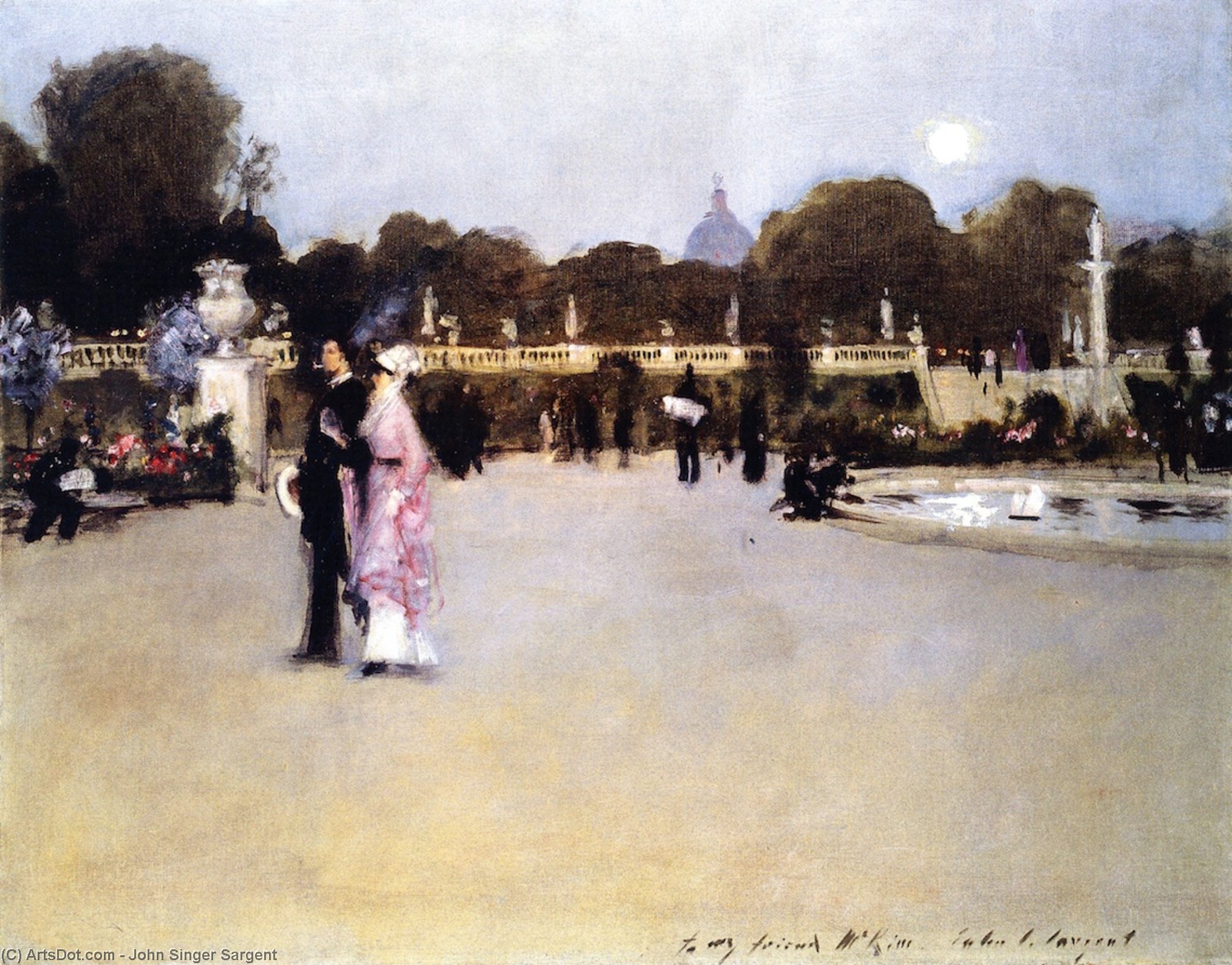
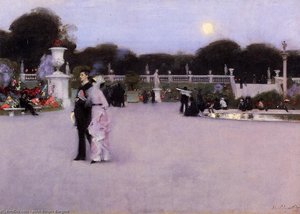
The Luxembourg Gardens at Twilight (also known as Twilight in the Luxembourg Gardens)


 Ver más
Giclée / Impresión de arte
Impresiones giclée o en lienzo de calidad de museo con producción rápida y opciones de acabado flexibles. ( Comprar pintura hecha a mano Comprar imagen)




P118B $10

P118H $10

P118W $10

P438Z $10

P508JH $12

P508YH $12

P805H $10

P805Z $10

P919BZ $10

P919G $10

P919XJ $10

P959ZH $10

P968JZ $12

W106C $8

W218G $10

W218JH $8

W218Y $10

W307PJ $10

W316G $10

W316PJ $8

W316Y $10

W398PJ $8

W4111J $10

W500HY $15

W500JH $15

W692G $12

W849H $8

W940BG $15

W953PJ $8




Elija entre nuestros tamaños predefinidos que respetan las proporciones originales de la obra.

Puede introducir sus propias dimensiones para adaptarse a un marco o espacio específico. Si el tamaño seleccionado no coincide con las proporciones de la imagen original, recortaremos la obra de arte o extenderemos la imagen con un borde con efecto espejo o de color sólido. Se enviará una maqueta digital para su aprobación antes de que comience la producción.
Tenga en cuenta que la vista previa en pantalla no refleja el recorte o la extensión real. Solo la maqueta mostrará con precisión la composición final.
Aunque existen tamaños personalizados, recomendamos seleccionar una dimensión de la lista predefinida para preservar las proporciones originales.
Envío a todo el mundo () en 2 semanas en lugar de las 4/5 semanas estándar. (22 agosto)

Envío exprés gratuito a todo el mundo

Lienzo de lino de alta calidad

Seguro de envío total

Garantía de reembolso de impuestos aduaneros

Garantía de fidelidad cromática exacta

Política de devolución de 60 días (solo por defectos)

Garantía de devolución del 100% del dinero

Descuento por cantidad
 La opción de vidrio solo está disponible en tamaños inferiores a 110 cm.

The Luxembourg Gardens at Twilight (also known as Twilight in the Luxembourg Gardens)
Giclée / Impresión de arte
Dimensiones de la reproducción
-


Precio total final
$ 62
Descripción de la pieza
A Twilight Reverie: Exploring John Singer Sargent’s “The Luxembourg Gardens at Twilight”
The Luxembourg Gardens in Paris hold an enduring fascination for artists—a place where light dances on manicured lawns and whispers through blossoming trees. And no painter captured this ethereal beauty quite like John Singer Sargent, whose 1879 canvas, "The Luxembourg Gardens at Twilight," remains a cornerstone of Impressionist landscape art. Currently residing within the Minneapolis Institute of Arts’ collection, this painting transcends mere depiction; it embodies a mood—a profound stillness punctuated by fleeting moments of human connection.Capturing the Essence of Dusk
Sargent's genius lies in his ability to distill the complexities of twilight into a deceptively simple composition. He eschews dramatic contrasts favored by earlier Romantic painters, opting instead for a palette dominated by muted golds, rose pinks, and lavender hues—colors that perfectly mirror the fading light filtering through the garden canopy. The artist meticulously renders the subtle gradations of tone, creating an atmosphere of palpable serenity. Notice how he captures the diffused glow emanating from the lamps illuminating the pathways, casting elongated shadows that soften the edges of figures strolling beneath them. This masterful manipulation of light is characteristic of Sargent’s broader artistic approach and distinguishes him from many of his contemporaries.Technique and Impressionistic Vision
The painting's surface is treated with a delicate brushwork—loose yet controlled—that conveys both texture and luminosity. Sargent employed glazing techniques, applying thin layers of translucent color over underlying washes to build up depth and richness without obliterating the initial tonal values. This method allowed him to achieve remarkable atmospheric effects, mirroring the hazy quality of twilight itself. Furthermore, he skillfully captures the movement of figures through subtle variations in brushstroke direction—a technique that subtly suggests the rhythm of their steps as they navigate the garden paths. The artist’s meticulous attention to detail elevates this landscape beyond mere representation, transforming it into an immersive experience for the viewer.Historical Context and Artistic Influences
“The Luxembourg Gardens at Twilight” emerged during a pivotal moment in artistic history—the burgeoning Impressionist movement. Sargent was deeply influenced by artists like Claude Monet and Camille Pissarro, who championed plein air painting—working outdoors directly from nature—and prioritizing capturing fleeting impressions over precise academic rendering. The painting reflects the broader aesthetic concerns of the era: a rejection of idealized beauty in favor of observing the natural world with honesty and sensitivity. It’s also notable for its depiction of Parisian social life—a celebration of leisure and refinement amidst the burgeoning urban landscape.Symbolism Beyond Beauty
Beyond its visual splendor, “The Luxembourg Gardens at Twilight” carries symbolic weight. The couple strolling hand-in-hand represents companionship and intimacy—themes frequently explored by Impressionist artists. The umbrella serves as a reminder of everyday life—a grounding element amid the ethereal beauty of twilight. And perhaps most subtly, the painting speaks to the human desire for peace and contemplation—a yearning to escape the pressures of modern existence and reconnect with the restorative power of nature. Sargent’s masterpiece invites us to linger in its tranquil embrace, contemplating the timeless allure of dusk and the enduring significance of human connection.A Legacy Enduring Through Reproduction
ArtsDot.com offers exceptional reproductions of John Singer Sargent's “The Luxembourg Gardens at Twilight,” allowing art lovers everywhere to experience this iconic artwork firsthand. Visit ArtsDot.com today and discover museum-quality prints that capture the essence of Sargent’s vision—a testament to his artistic brilliance and a celebration of Parisian beauty.Obras relacionadas
Biografía del artista
John Singer Sargent: Una Vida en el Arte
John Singer Sargent (1856-1925) fue un artista expatriado estadounidense considerado el “pintor de retratos líder” de su generación, para la sociedad de la clase alta eduardiana. Su obra encarna una mezcla única de brillantez técnica, influencias impresionistas e insight psicológico.
Vida Temprana y Formación
Nacido el 12 de enero de 1856 en Florencia, Italia, de padres estadounidenses Fitzwilliam y Mary Newbold Sargent, John Singer Sargent experimentó una infancia nómada. Sus padres eran expatriados que se mudaban con frecuencia entre Francia, Alemania, Italia y Suiza. Este estilo de vida fomentó una amplia conciencia cultural, pero significó una educación menos convencional. En lugar de escolarización formal, la educación temprana de Sargent se centró en visitar museos e iglesias por toda Europa.
En 1874, Sargent comenzó a estudiar con el artista francés de retratos Carolus-Duran en París. Esta mentoría resultó fundamental. Duran enfatizó la pintura directa – una técnica de aplicación de pintura sin bocetos preliminares – que afinó la notable destreza técnica de Sargent y su capacidad para capturar rasgos con asombrosa rapidez y precisión.
Carrera Artística y Estilo
La producción artística de Sargent se puede dividir ampliamente en dos categorías: retratos encargados e estudios informales. Su retrato formal, a menudo representando a las ricas y prominentes figuras de su tiempo, se adhería a la tradición del “estilo grandioso” – enfatizando la elegancia, el estatus y la profundidad psicológica.
Sin embargo, Sargent también persiguió un estilo más personal en sus paisajes y estudios al aire libre. Estas obras demuestran una clara afinidad con el Impresionismo, caracterizado por pinceladas sueltas, paletas de colores vibrantes y un énfasis en capturar momentos fugaces de luz y atmósfera.
Obras Maestras y Logros
- Madame X (1884): Quizás la obra más famosa de Sargent, este retrato causó controversia por su audaz representación de la socialite Virginie Amélie Avegno Gautreau.
- El Jaleo (1882): Una escena dinámica y colorida que captura una danza flamenca española, mostrando el dominio de Sargent del movimiento y la luz.
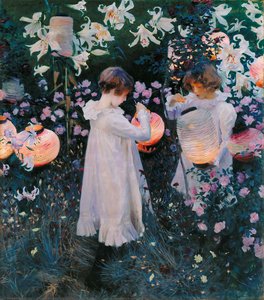
- Carnación, Lily, Lily, Rose (1886): Un cuadro sereno e evocador que representa a dos jóvenes chicas encendiendo faroles en un jardín inglés.
- Una Mesa de Cena por la Noche (1882-83): Una composición innovadora que captura la atmósfera íntima de una cena utilizando luz artificial.
Influencias
Sargent fue influenciado por una diversa gama de artistas y movimientos:
- Carolus-Duran: Su maestro, quien le inculcó una técnica de pintura directa.
- Diego Velázquez: Sargent admiró el magistral uso de luz y pincelada de Velázquez.
- Impresionismo: La énfasis de los impresionistas en capturar momentos fugaces y efectos atmosféricos impactó profundamente en sus pinturas de paisajes.
Significado Histórico y Legado
Inicialmente, Sargent enfrentó críticas por su enfoque poco convencional del retrato y su disposición a desafiar las normas artísticas tradicionales. Sin embargo, a principios del siglo XX, se había establecido como uno de los principales artistas de su tiempo.
En la década de 1980, hubo una reevaluación significativa de la obra de Sargent, particularmente sus desnudos masculinos previamente desatendidos. Esta redescubrimiento reveló un artista más complejo y matizado de lo que se había entendido anteriormente. Hoy en día, John Singer Sargent es celebrado por su virtuosismo técnico, su capacidad para capturar el espíritu de su época y su contribución perdurable al arte estadounidense.
Sus pinturas ofrecen una ventana fascinante a la lujos y las dinámicas sociales de la era eduardiana, mientras que también reflejan su propia visión artística personal. Su obra continúa inspirando a artistas y cautivando a audiencias en todo el mundo.

John Singer Sargent
1856 - 1925 , Italia
Datos clave
- Artistas Que Influyeron:
- Carolus-Duran
- Diego Velázquez
- Fecha De Muerte: 1925
- Fecha De Nacimiento: 12 de enero de 1856
- Lugar De Nacimiento: Florencia, Italia
- Movimiento Artístico: Impresionismo
- Nacionalidad: Estadounidense
- Nombre Completo: John Singer Sargent
- Obras Notables:
- Madame X
- El Jaleo
- Carnación, Lily, Lily, Rose
- Una Mesa de Cena por la Noche
Artículos relacionados

John Singer Sargent: Las 25 Obras Maestras del Retrato y la Belle Époque | ArtsDot
Descubre las 25 obras maestras de John Singer Sargent, el maestro del retrato y la Belle Époque. Explora su técnica impresionista, historias fascinantes y encuentra reproducciones de arte exclusivas para decorar tu hogar con elegancia en ArtsDot.com.
John Singer Sargent: Capturing the Gilded Age with Impressionistic Brilliance
Explore the life & art of John Singer Sargent, premier portraitist of the Gilded Age. Discover his Impressionistic masterpieces, technical brilliance, and enduring legacy. Expert insights for collectors.

John Constable: Las 25 Obras Maestras del Paisaje Inglés | ArtsDot
Descubre las 25 obras maestras de John Constable, el pintor romántico inglés que capturó la belleza del paisaje. Explora su técnica, historia y significado en ArtsDot.com. Reproducciones de arte de alta calidad para tu hogar.
Cultivating Paradise: A Historical & Artistic Exploration of Gardens in Painting
Explore the rich history of gardens in painting! Discover masterpieces from Renaissance to Impressionism & beyond. Learn about symbolism, artists like Monet & Klimt, and find your perfect artwork at ArtsDot.
Impresionismo: 10 Obras Maestras que Capturan la Luz y el Momento
Descubre 10 obras maestras del impresionismo de Monet, Renoir y Degas. Explora la luz, el color y las historias detrás de estos icónicos cuadros. Reproducciones de arte en ArtsDot.com para decorar tu hogar con estilo.