 Vista previa
 Compartir
 Compartir
 Ver detalles

 Descargar
 Ver similares
 Radiografía
 Presentación de diapositivas
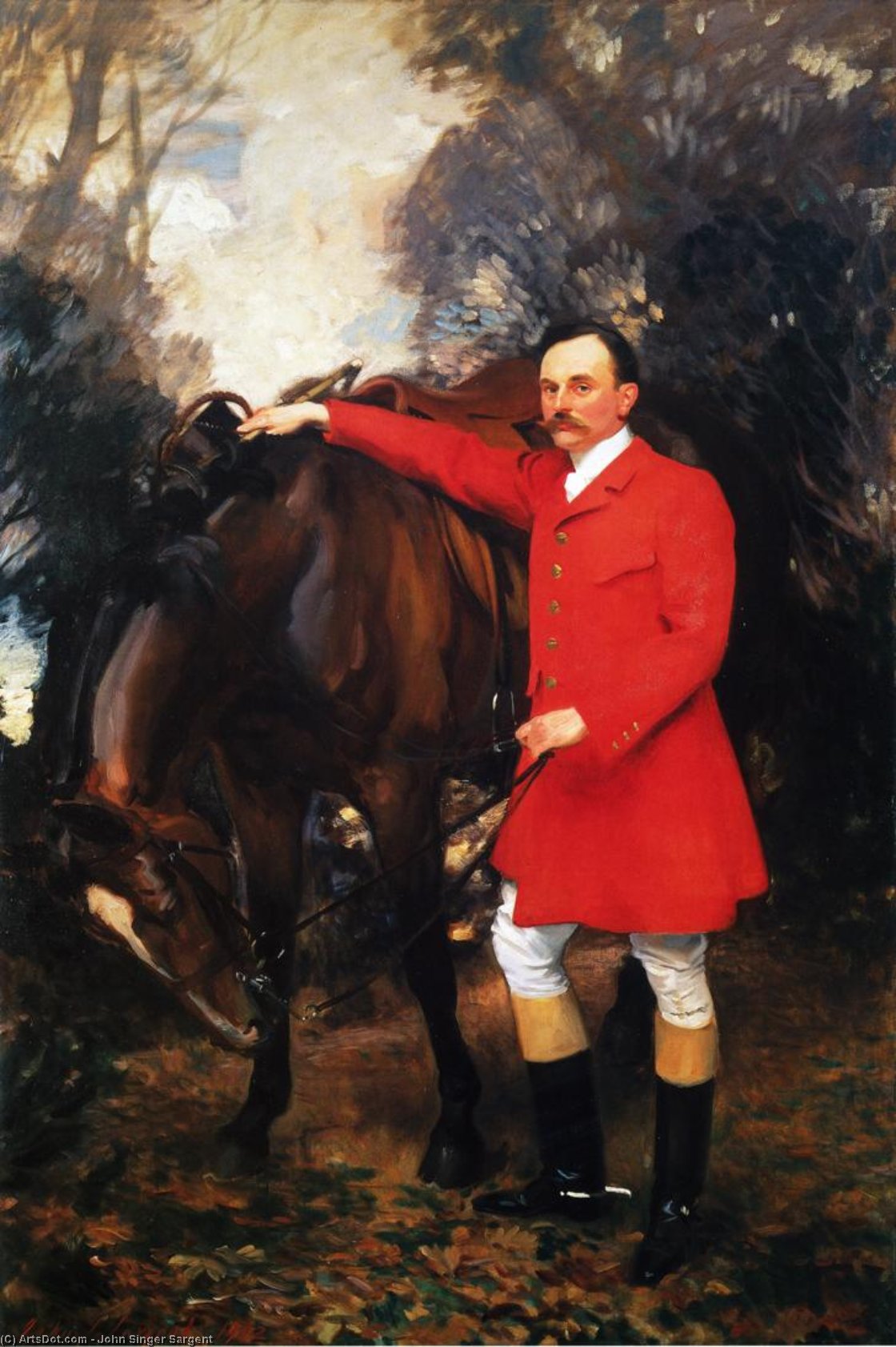
William Marshall Cazalet
 Óleo
Óleo- Arte de pared
- Realismo Contemporáneo
 1902
1902 254.0 x 165.0 cm
 Leer más
Reproducción al óleo hecha a mano
Óleo sobre lienzo pintado a mano en el tamaño y marco de su elección, realizado por encargo por nuestros artistas. ( Pedir impresión Comprar descarga)




P118B $10

P118H $10

P118W $10

P438Z $10

P508JH $12

P508YH $12

P805H $10

P805Z $10

P919BZ $10

P919G $10

P919XJ $10

P959ZH $10

P968JZ $12

W106C $8

W218G $10

W218JH $8

W218Y $10

W307PJ $10

W316G $10

W316PJ $8

W316Y $10

W398PJ $8

W4111J $10

W500HY $15

W500JH $15

W692G $12

W849H $8

W940BG $15

W953PJ $8




Elija entre nuestros tamaños predefinidos que respetan las proporciones originales de la obra.

Puede ingresar sus propias dimensiones para adaptarse a un marco o espacio específico. Si el tamaño seleccionado no coincide con las proporciones de la imagen original, recortaremos la obra o extenderemos la pintura con elementos adicionales pintados a mano. Se le enviará una maqueta digital para su aprobación antes de comenzar la producción.
Tenga en cuenta que la vista previa en pantalla no refleja el recorte o la extensión reales. Solo la maqueta mostrará con precisión la composición final.
Si bien existen tamaños personalizados, recomendamos seleccionar una dimensión de la lista predefinida para preservar las proporciones originales.
Tras realizar el pedido, el equipo de ArtsDot.com enviará un correo electrónico al cliente para solicitar instrucciones y proporcionarle una vista previa del boceto.
Envío a todo el mundo () en 3-4 semanas en lugar de las 5 semanas estándar. (19 agosto). Sin comprometer la calidad.

Envío exprés gratuito a todo el mundo

Lienzo de lino de alta calidad

Seguro de envío completo

Garantía de reembolso de aranceles aduaneros

Garantía de fidelidad cromática exacta

Política de devolución de 60 días (solo por defectos)

Garantía de devolución del 100% del dinero

Oferta por volumen
 La opción de vidrio solo está disponible en tamaños inferiores a 110 cm.

William Marshall Cazalet
Técnica de reproducción
Tamaño de la reproducción
-


Precio total
$ 263
Descripción de la obra
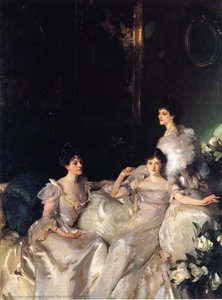
William Marshall Cazalet: A Portrait of Dignified Leisure
The painting William Marshall Cazalet by John Singer Sargent is a masterpiece of Realism that showcases the artist’s exceptional skill in capturing the essence of his subjects. Created in 1902, this oil on canvas painting measures 254 x 165 cm and is a testament to Sargent’s ability to convey the personality and character of his sitters. Artistic Excellence John Singer Sargent was a renowned American artist known for his captivating portraits that exude elegance and sophistication. His brushstrokes are bold and expressive, and his attention to detail is unparalleled. In William Marshall Cazalet, Sargent's skillful use of color and composition creates a sense of harmony between the subject and the viewer. The painting depicts William Marshall Cazalet riding a horse, dressed in formal attire, giving the impression that he may be dressed for a formal event or occasion. The horse is positioned in the center of the painting, with its head slightly lower than the man's waist, creating a sense of balance and stability. The background of the painting features two other people, but they are smaller and less prominent, drawing the viewer’s attention to the main subject. The painting is a prime example of John Singer Sargent’s Realism style, which emphasizes the accurate representation of everyday life. The use of oil on canvas allows for a level of detail and texture that is characteristic of Sargent's work. He was particularly adept at blending colors seamlessly, achieving luminous effects that captured the subtle nuances of light and shadow—a technique honed during his extensive travels throughout Europe. ### Historical Context & Societal Significance Painted during the height of the Edwardian era, William Marshall Cazalet reflects the opulent tastes and social conventions of a period defined by aristocratic grandeur and refined leisure. Cazalet, heir to considerable wealth derived from Russian commerce, epitomized the aspirations of the upper class—a commitment to tradition, social responsibility, and cultivated pursuits beyond mere material accumulation. Sargent’s decision to portray Cazalet in this manner wasn't merely stylistic; it served as a visual affirmation of the values upheld by the influential families of London society. The painting speaks volumes about the importance placed on lineage, status, and the performance of aristocratic identity during a time when portraiture functioned as both documentation and assertion of social prestige. ### Composition & Symbolism: Balance and Controlled Power Sargent’s masterful composition is central to conveying Cazalet's dignified composure. The horse—a symbol of nobility, strength, and control—dominates the visual field, anchoring the figure and reinforcing his position within the hierarchy of power. Its downward gaze subtly directs attention back towards Cazalet, emphasizing his unwavering gaze and conveying a sense of self-assuredness. Simultaneously, the positioning of the two additional figures in the background serves to contextualize Cazalet’s role within a broader social landscape—a reminder that even amidst privilege, one remains inextricably linked to familial ties and societal expectations. The muted palette contributes to the painting's overall mood—one of quiet contemplation rather than flamboyant display—underscoring Sargent’s commitment to capturing psychological depth alongside visual accuracy. ### Artistic Technique & Impressionistic Influence Sargent employed a technique that blended meticulous observation with expressive brushwork, characteristic of Impressionism yet firmly rooted in Realist principles. He achieved remarkable tonal gradations through layering thin glazes of oil paint—a painstaking process that allowed him to capture the subtle variations in color and texture present in the horse’s coat and Cazalet's attire. Furthermore, Sargent skillfully utilized impasto—thickly applied paint—to create textural surfaces that conveyed a palpable sense of presence and immediacy. This approach aligns with Sargent’s broader artistic vision—one that sought not merely to reproduce appearances but to evoke emotional responses within the viewer—demonstrating his profound understanding of how visual art could communicate complex psychological states. ### Emotional Impact & Legacy Ultimately, William Marshall Cazalet transcends mere representation; it embodies a particular mood—one of serene dignity and understated elegance. Sargent’s ability to convey Cazalet's inner life through subtle gestures and expressive gaze speaks to the enduring power of portraiture as a medium for capturing human character. The painting remains an exemplar of John Singer Sargent’s Realism style, admired for its technical brilliance and psychological insight—a testament to his legacy as one of America’s most celebrated artists and a cornerstone of the Edwardian aesthetic. Its influence can be seen in countless subsequent portraits that strive to emulate Sargent's masterful blend of observation and emotion.Obras relacionadas
Biografía del artista
John Singer Sargent: Una Vida en el Arte
John Singer Sargent (1856-1925) fue un artista expatriado estadounidense considerado el “pintor de retratos líder” de su generación, para la sociedad de la clase alta eduardiana. Su obra encarna una mezcla única de brillantez técnica, influencias impresionistas e insight psicológico.
Vida Temprana y Formación
Nacido el 12 de enero de 1856 en Florencia, Italia, de padres estadounidenses Fitzwilliam y Mary Newbold Sargent, John Singer Sargent experimentó una infancia nómada. Sus padres eran expatriados que se mudaban con frecuencia entre Francia, Alemania, Italia y Suiza. Este estilo de vida fomentó una amplia conciencia cultural, pero significó una educación menos convencional. En lugar de escolarización formal, la educación temprana de Sargent se centró en visitar museos e iglesias por toda Europa.
En 1874, Sargent comenzó a estudiar con el artista francés de retratos Carolus-Duran en París. Esta mentoría resultó fundamental. Duran enfatizó la pintura directa – una técnica de aplicación de pintura sin bocetos preliminares – que afinó la notable destreza técnica de Sargent y su capacidad para capturar rasgos con asombrosa rapidez y precisión.
Carrera Artística y Estilo
La producción artística de Sargent se puede dividir ampliamente en dos categorías: retratos encargados e estudios informales. Su retrato formal, a menudo representando a las ricas y prominentes figuras de su tiempo, se adhería a la tradición del “estilo grandioso” – enfatizando la elegancia, el estatus y la profundidad psicológica.
Sin embargo, Sargent también persiguió un estilo más personal en sus paisajes y estudios al aire libre. Estas obras demuestran una clara afinidad con el Impresionismo, caracterizado por pinceladas sueltas, paletas de colores vibrantes y un énfasis en capturar momentos fugaces de luz y atmósfera.
Obras Maestras y Logros
- Madame X (1884): Quizás la obra más famosa de Sargent, este retrato causó controversia por su audaz representación de la socialite Virginie Amélie Avegno Gautreau.
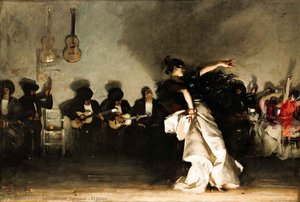
- El Jaleo (1882): Una escena dinámica y colorida que captura una danza flamenca española, mostrando el dominio de Sargent del movimiento y la luz.
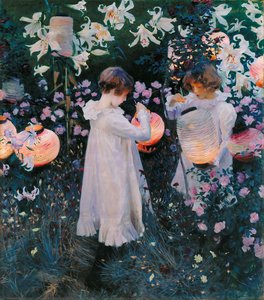
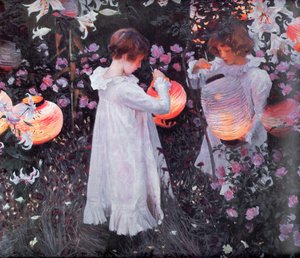
- Carnación, Lily, Lily, Rose (1886): Un cuadro sereno e evocador que representa a dos jóvenes chicas encendiendo faroles en un jardín inglés.
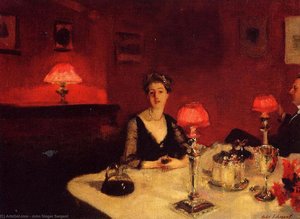
- Una Mesa de Cena por la Noche (1882-83): Una composición innovadora que captura la atmósfera íntima de una cena utilizando luz artificial.
Influencias
Sargent fue influenciado por una diversa gama de artistas y movimientos:
- Carolus-Duran: Su maestro, quien le inculcó una técnica de pintura directa.
- Diego Velázquez: Sargent admiró el magistral uso de luz y pincelada de Velázquez.
- Impresionismo: La énfasis de los impresionistas en capturar momentos fugaces y efectos atmosféricos impactó profundamente en sus pinturas de paisajes.
Significado Histórico y Legado
Inicialmente, Sargent enfrentó críticas por su enfoque poco convencional del retrato y su disposición a desafiar las normas artísticas tradicionales. Sin embargo, a principios del siglo XX, se había establecido como uno de los principales artistas de su tiempo.
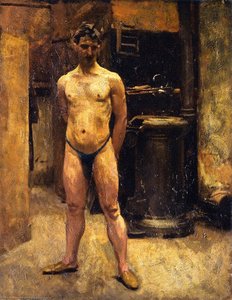
En la década de 1980, hubo una reevaluación significativa de la obra de Sargent, particularmente sus desnudos masculinos previamente desatendidos. Esta redescubrimiento reveló un artista más complejo y matizado de lo que se había entendido anteriormente. Hoy en día, John Singer Sargent es celebrado por su virtuosismo técnico, su capacidad para capturar el espíritu de su época y su contribución perdurable al arte estadounidense.
Sus pinturas ofrecen una ventana fascinante a la lujos y las dinámicas sociales de la era eduardiana, mientras que también reflejan su propia visión artística personal. Su obra continúa inspirando a artistas y cautivando a audiencias en todo el mundo.
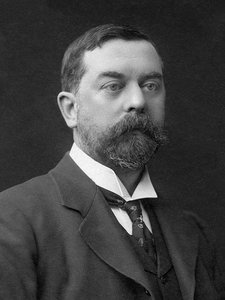
John Singer Sargent
1856 - 1925 , Italia
Datos clave
- Artistas Que Influyeron:
- Carolus-Duran
- Diego Velázquez
- Fecha De Muerte: 1925
- Fecha De Nacimiento: 12 de enero de 1856
- Lugar De Nacimiento: Florencia, Italia
- Movimiento Artístico: Impresionismo
- Nacionalidad: Estadounidense
- Nombre Completo: John Singer Sargent
- Obras Notables:
- Madame X
- El Jaleo
- Carnación, Lily, Lily, Rose
- Una Mesa de Cena por la Noche
Artículos relacionados
John Singer Sargent: Las 25 Obras Maestras del Retrato y la Belle Époque | ArtsDot
Descubre las 25 obras maestras de John Singer Sargent, el maestro del retrato y la Belle Époque. Explora su técnica impresionista, historias fascinantes y encuentra reproducciones de arte exclusivas para decorar tu hogar con elegancia en ArtsDot.com.

John Constable: Las 25 Obras Maestras del Paisaje Inglés | ArtsDot
Descubre las 25 obras maestras de John Constable, el pintor romántico inglés que capturó la belleza del paisaje. Explora su técnica, historia y significado en ArtsDot.com. Reproducciones de arte de alta calidad para tu hogar.
John Singer Sargent: Capturing the Gilded Age with Impressionistic Brilliance
Explore the life & art of John Singer Sargent, premier portraitist of the Gilded Age. Discover his Impressionistic masterpieces, technical brilliance, and enduring legacy. Expert insights for collectors.
Romantic Realism's Finest: 10 Masterpieces for Your Home | ArtsDot
Explore 10 defining masterpieces of Romantic Realism! Discover Courbet, Millet & Daumier's powerful paintings—capturing emotion and social realities. Find museum-quality reproductions for your home at ArtsDot.com.
The Equine Muse: A Historical & Artistic Exploration of Horses in Painting
Explore the captivating history of horses in painting! Discover Renaissance masterpieces, Baroque grandeur & expert insights for collecting equestrian art. Learn about symbolism, techniques & lasting value with ArtsDot.