 Ver en contexto
 Enviar
 Compartir
 Detalles

 Descargar
 Similares
 Radiografía
 Presentación de diapositivas
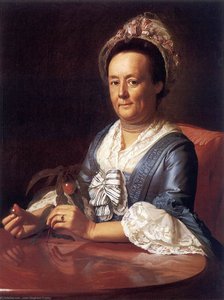
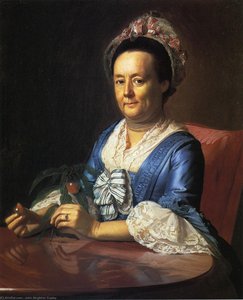
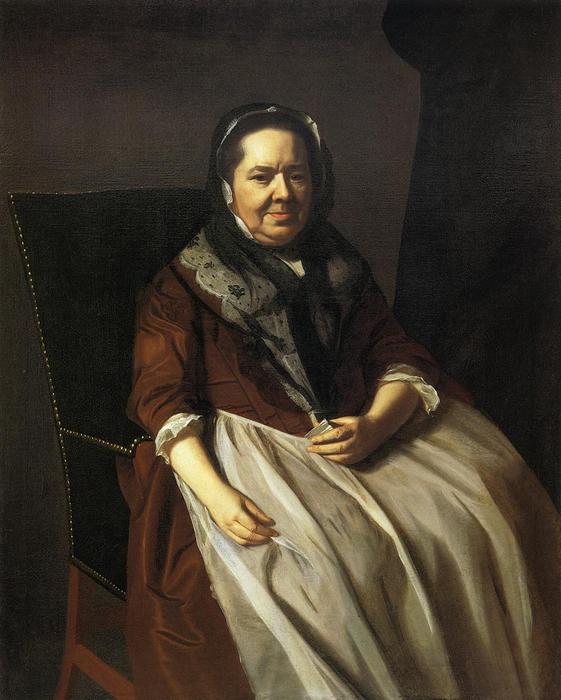
Mrs. Paul Richard (Elizabeth Garland)


 Ver más
Reproducción al óleo hecha a mano
Óleo sobre lienzo pintado a mano en el tamaño y marco de su elección, realizado por encargo por nuestros artistas. ( Comprar impresión Comprar imagen)




P118B $10

P118H $10

P118W $10

P438Z $10

P508JH $12

P508YH $12

P805H $10

P805Z $10

P919BZ $10

P919G $10

P919XJ $10

P959ZH $10

P968JZ $12

W106C $8

W218G $10

W218JH $8

W218Y $10

W307PJ $10

W316G $10

W316PJ $8

W316Y $10

W398PJ $8

W4111J $10

W500HY $15

W500JH $15

W692G $12

W849H $8

W940BG $15

W953PJ $8




Elija entre nuestros tamaños predefinidos que respetan las proporciones originales de la obra.

Puede ingresar sus propias dimensiones para adaptarse a un marco o espacio específico. Si el tamaño seleccionado no coincide con las proporciones de la imagen original, recortaremos la obra o extenderemos la pintura con elementos adicionales pintados a mano. Se le enviará una maqueta digital para su aprobación antes de comenzar la producción.
Tenga en cuenta que la vista previa en pantalla no refleja el recorte o la extensión reales. Solo la maqueta mostrará con precisión la composición final.
Si bien existen tamaños personalizados, recomendamos seleccionar una dimensión de la lista predefinida para preservar las proporciones originales.
Tras realizar el pedido, el equipo de ArtsDot.com enviará un correo electrónico al cliente para solicitar instrucciones y proporcionarle una vista previa del boceto.
Envío a todo el mundo () en 3-4 semanas en lugar de las 5 semanas estándar. (27 agosto). Sin comprometer la calidad.

Envío exprés gratuito a todo el mundo

Lienzo de lino de alta calidad

Seguro de envío total

Garantía de reembolso de impuestos aduaneros

Garantía de fidelidad cromática exacta

Política de devolución de 60 días (solo por defectos)

Garantía de devolución del 100% del dinero

Descuento por cantidad
 La opción de vidrio solo está disponible en tamaños inferiores a 110 cm.

Mrs. Paul Richard (Elizabeth Garland)
Técnica de reproducción
Dimensiones de la reproducción
-


Precio total final
$ 263
Descripción de la obra
A Window into Colonial Elegance: Mrs. Paul Richard (Elizabeth Garland) by John Singleton Copley
John Singleton Copley’s “Mrs. Paul Richard (Elizabeth Garland)” is more than just a portrait; it's a meticulously crafted window into the world of 18th-century Boston, capturing not only the likeness of its subject but also the social and cultural currents of the time. Painted in 1771, this oil on canvas masterpiece resides within the esteemed collection of the Museum of Fine Arts (Houston), a testament to Copley’s enduring legacy as one of America's first significant artists. The painting immediately draws the viewer into a scene of restrained formality and quiet dignity – a deliberate reflection of the societal norms prevalent in colonial New England.
Elizabeth Garland, wife of Paul Richard, is depicted with an arresting stillness. Her gaze, direct and unwavering, holds both intelligence and a subtle hint of melancholy. The composition itself is carefully orchestrated; she sits poised within a richly appointed interior – a couch draped in velvet, a chair suggesting comfortable repose – elements that speak to the wealth and status of her household. The inclusion of two secondary figures, standing respectfully at either side, reinforces this sense of established order and social hierarchy. Copley’s masterful use of light and shadow creates a dramatic interplay across Elizabeth's face and clothing, highlighting the textures of the fabrics – the delicate lace collar, the heavy brocade gown – and lending depth to the scene.
The Art of the Colonial Portrait
Copley’s approach to portraiture during this period was revolutionary. He moved beyond simple likenesses, striving instead to capture the *character* of his subjects. This is evident in Elizabeth Garland's stern expression – a deliberate choice that speaks volumes about her personality and social standing. Unlike earlier portraits which often idealized their sitters, Copley presented a more realistic portrayal, imbued with psychological depth. He achieved this through an incredibly detailed observation of his subject’s features, meticulously rendering every wrinkle, every nuance of expression.
Furthermore, Copley was deeply influenced by the European artistic traditions of his time, particularly those of Sir Thomas Lawrence in England. However, he adapted these influences to create a distinctly American style – one that embraced both elegance and realism. His use of loose brushstrokes and vibrant colors, combined with his keen eye for detail, resulted in portraits that were both visually stunning and emotionally resonant. The painting’s palette is rich and subdued, dominated by deep reds, browns, and creams, reflecting the opulent interiors of the era.
Symbolism and Social Commentary
Beyond its aesthetic qualities, “Mrs. Paul Richard” offers a subtle commentary on the social dynamics of colonial Boston. Elizabeth Garland’s reserved demeanor and dignified posture reflect the expectations placed upon women during this period – to embody virtue, modesty, and domesticity. The carefully arranged setting—the couch, the chair, the attentive figures—underscores the importance of social appearances and the rituals of polite society. The painting isn't merely a depiction of a woman; it’s a visual representation of her role within the broader context of her family and community.
Interestingly, Copley’s decision to portray Elizabeth with such a pronounced severity was not uncommon in colonial portraiture. It served as a marker of status and reflected the values of the time – strength, resilience, and an unwavering commitment to duty. The painting invites us to consider the complexities of identity and social expectations within a rapidly changing society.
A Timeless Masterpiece: Reproductions and Legacy
Today, “Mrs. Paul Richard (Elizabeth Garland)” stands as a cornerstone of American art history. Its influence can be seen in countless subsequent portraits, demonstrating Copley’s profound impact on the development of the genre. High-quality reproductions are now available through ArtsDot.com, offering art enthusiasts and collectors the opportunity to own a piece of this remarkable historical treasure. These meticulously crafted hand-painted replicas capture not only the visual details of the original but also its emotional depth and artistic significance.
Whether displayed in a grand salon or a more intimate setting, a reproduction of “Mrs. Paul Richard” serves as a powerful reminder of the artistry, social commentary, and enduring legacy of John Singleton Copley – a true pioneer of American art.
Obras relacionadas




Biografía del artista
Un Pionero de la Pintura Angloamericana (1738-1815)
John Singleton Copley, un renombrado pintor angloamericano, dejó una huella imborrable en el mundo del arte con sus cautivadores retratos y paisajes. Nacido en Boston, Massachusetts, para Richard y Mary Singleton Copley, ambos de ascendencia angloirlandesa, el viaje artístico de John es un testimonio de su talento innato y dedicación.Vida Temprana y Formación
Aunque hay información limitada sobre la educación formal de John, se cree que fue en gran medida autodidacta, con una inclinación hacia el arte desde temprana edad. Su padrastro, Peter Pelham, un grabador y pintor, pudo haberle brindado alguna orientación, pero la mayor parte de su desarrollo artístico puede atribuirse a su propia perseverancia.Contribuciones Artísticas
El trabajo de John Singleton Copley se caracteriza por:- Retratismo: Sus retratos de figuras influyentes en Nueva Inglaterra colonial son notables por su atención al detalle y la incorporación de artefactos que reflejan las vidas de los sujetos.
- Estilo Innovador: La tendencia de Copley a representar a sujetos de clase media con un enfoque en sus vidas cotidianas fue una desviación del retrato tradicional de su época.
- Amplio Rango Artístico: Desde autorretratos hasta escenas históricas, la obra de John muestra su versatilidad y habilidad para capturar una amplia gama de temas.
Obras Notables y su Significado
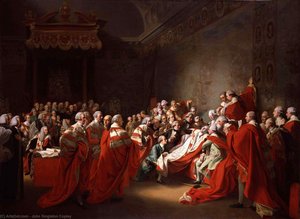
Algunas de las obras más notables de John Singleton Copley incluyen:- El colapso del Conde de Chatham en la Cámara de los Lores (Galería Tate (Londres, Reino Unido), óleo sobre lienzo), una representación conmovedora de un momento crucial en la historia británica.
- Sr. y Sra. Ralph Izard (Alice Delancey) (Museo de Bellas Artes (Boston, Estados Unidos), óleo sobre lienzo), un retrato ejemplar que muestra la atención al detalle de John y su capacidad para capturar la esencia de sus sujetos.
- Watson y el Tiburón (Óleo sobre lienzo), una obra dramática que representa un rescate audaz.
Legado e Influencia
El impacto de John Singleton Copley en el mundo del arte es innegable. Su enfoque innovador al retrato y sus contribuciones a la pintura angloamericana han influenciado a generaciones de artistas. Para una comprensión más profunda del trabajo de John y su significado, visite la página de John Singleton Copley en ArtsDot, que presenta una extensa colección de sus obras de arte.Lecturas Adicionales
Para obtener más información sobre la historia de la pintura y su evolución, consulte Wikipedia's historia de la pintura. Para explorar la vasta colección de ArtsDot, que incluye obras de varios períodos y estilos, navegue por Burghley House (Stamford, Estados Unidos) - Un tesoro oculto del arte americano y Descubriendo las obras de arte del St Hilda's College, Oxford, Reino Unido.
John Singleton Copley
1738 - 1815 , Reino Unido
Datos clave
- Artistas Influyentes: ['Joseph Blackburn']
- Estilo Artístico: Retrato, historicismo
- Fecha De Muerte: 9 de septiembre de 1815
- Fecha De Nacimiento: 3 de julio de 1738
- Influencia En Artistas: Generaciones de artistas
- Lugar De Nacimiento: Boston, Reino Unido
- Nacionalidad: Anglo-americano
- Nombre Completo: John Singleton Copley
- Obras Notables:
- El colapso del Conde de Chatham
- Sr. y Sra. Ralph Izard
- Watson y el tiburón
Artículos relacionados

Grant Wood & American Regionalism: Identity, Myth & the Rural Landscape
Explore the world of Grant Wood & American Regionalism with ArtsDot. Discover the symbolism behind 'American Gothic', recurring themes, and the movement's lasting impact on art history. High-quality reproductions available.

The Enduring Legacy of Oil on Canvas: Technique, History & Aesthetic Impact
Explore the rich history & techniques of oil painting – from Renaissance masters to Impressionism. Discover pigments, layering methods, and why this timeless medium endures. Expert insights for artists & art enthusiasts.

El Óleo sobre Lienzo: Historia, Técnica y la Persistencia de un Medio Artístico Atemporal
Descubre la historia y técnica del óleo sobre lienzo. Explora reproducciones fieles hechas a mano, personalización artística y consejos de expertos con ArtsDot. ¡Colecciona arte con confianza!
Realismo Estadounidense: 10 Obras Maestras que Cambiaron el Arte y la Decoración
Descubre 10 obras maestras del Realismo Estadounidense: Winslow Homer, Edward Hopper y más. Explora la historia, técnica y emoción de estos icónicos cuadros. Encuentra reproducciones de arte de museo en ArtsDot.com.

The Enduring Power of Painting: A Historical & Contemporary Exploration of Form and Emotion
Explore the rich history & enduring techniques of oil painting with ArtsDot. Discover masterpieces, learn about art collecting, and find authentic handmade reproductions crafted by skilled artists.