 Ver en contexto
 Enviar
 Compartir
 Detalles

 Descargar
 Similares
 Radiografía
 Presentación de diapositivas
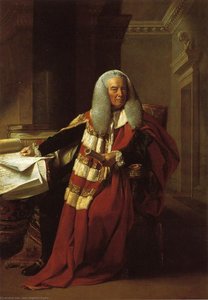
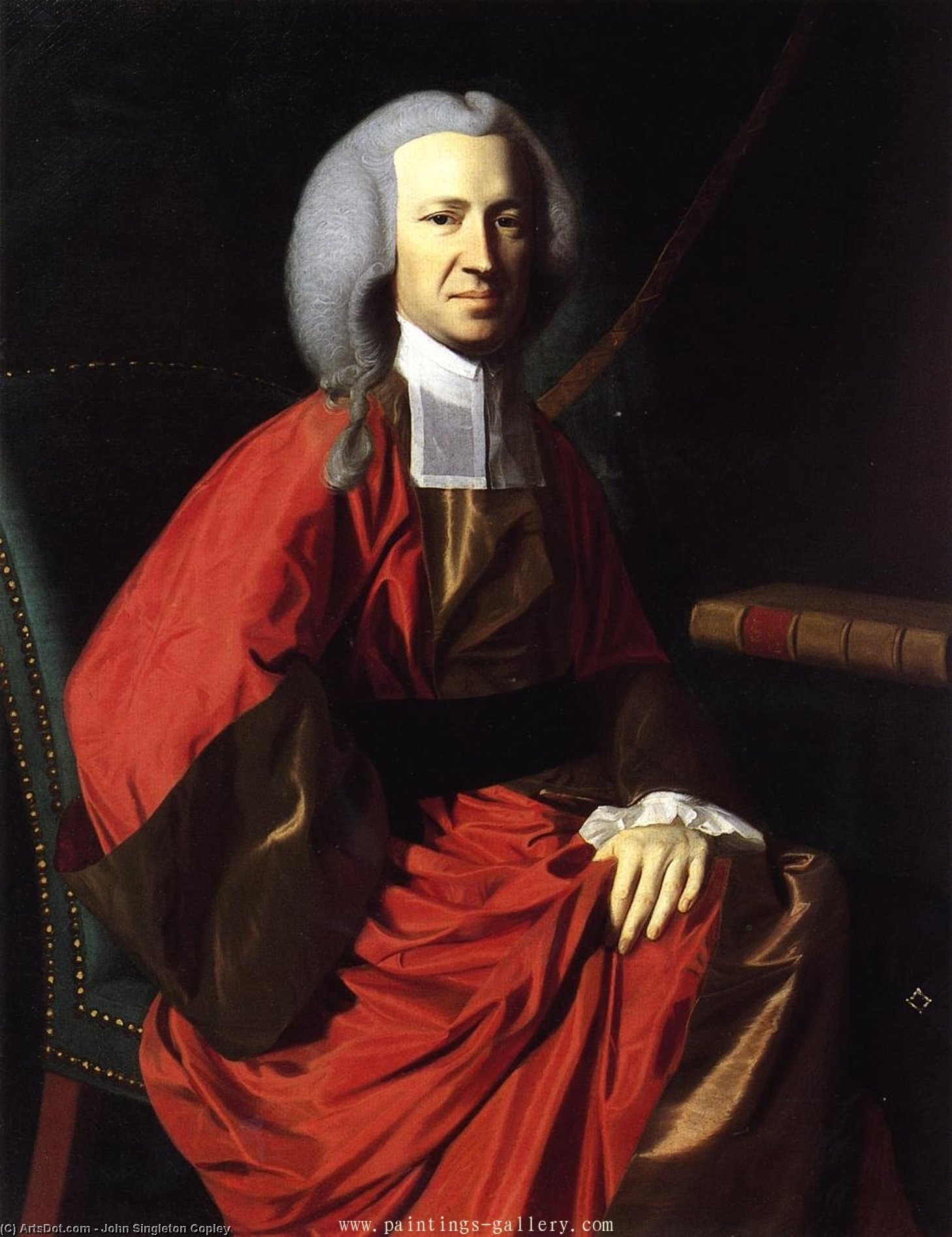
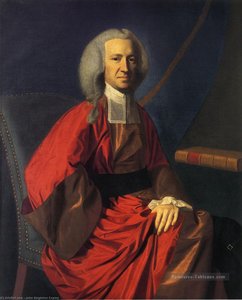
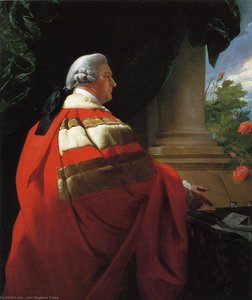
Portrait of Judge Martin Howard


 Ver más
Giclée / Impresión de arte
Impresiones giclée o en lienzo de calidad de museo con producción rápida y opciones de acabado flexibles. ( Comprar pintura hecha a mano Comprar imagen)




P118B $10

P118H $10

P118W $10

P438Z $10

P508JH $12

P508YH $12

P805H $10

P805Z $10

P919BZ $10

P919G $10

P919XJ $10

P959ZH $10

P968JZ $12

W106C $8

W218G $10

W218JH $8

W218Y $10

W307PJ $10

W316G $10

W316PJ $8

W316Y $10

W398PJ $8

W4111J $10

W500HY $15

W500JH $15

W692G $12

W849H $8

W940BG $15

W953PJ $8




Elija entre nuestros tamaños predefinidos que respetan las proporciones originales de la obra.

Puede introducir sus propias dimensiones para adaptarse a un marco o espacio específico. Si el tamaño seleccionado no coincide con las proporciones de la imagen original, recortaremos la obra de arte o extenderemos la imagen con un borde con efecto espejo o de color sólido. Se enviará una maqueta digital para su aprobación antes de que comience la producción.
Tenga en cuenta que la vista previa en pantalla no refleja el recorte o la extensión real. Solo la maqueta mostrará con precisión la composición final.
Aunque existen tamaños personalizados, recomendamos seleccionar una dimensión de la lista predefinida para preservar las proporciones originales.
Envío a todo el mundo () en 2 semanas en lugar de las 4/5 semanas estándar. (22 agosto)

Envío exprés gratuito a todo el mundo

Lienzo de lino de alta calidad

Seguro de envío total

Garantía de reembolso de impuestos aduaneros

Garantía de fidelidad cromática exacta

Política de devolución de 60 días (solo por defectos)

Garantía de devolución del 100% del dinero

Descuento por cantidad
 La opción de vidrio solo está disponible en tamaños inferiores a 110 cm.

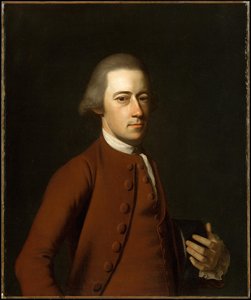
Portrait of Judge Martin Howard
Giclée / Impresión de arte
Dimensiones de la reproducción
-


Precio total final
$ 62
Descripción de la pieza
A Portrait of Power and Grace: John Singleton Copley’s “Portrait of Judge Martin Howard”
The year is 1767. Boston, a burgeoning hub of colonial commerce and intellectual ferment, witnesses the creation of a remarkable portrait – John Singleton Copley's "Portrait of Judge Martin Howard." More than simply a likeness, this painting embodies the spirit of the era, capturing not just the subject’s physical appearance but also his status, ambition, and the subtle complexities of 18th-century New England society. Housed within the esteemed Museo Nacional Centro de Arte Reina Sofía in Madrid, it stands as a testament to Copley's mastery and a window into a pivotal moment in American art history.
Copley, a self-taught artist who arrived in London after establishing himself in Boston, brought with him a unique blend of European artistic traditions – particularly the influence of Italian portraiture – and an acute understanding of his American clientele. He wasn’t interested in mere imitation; he sought to distill the essence of his subjects, imbuing their portraits with personality and context. Howard, a respected judge known for his legal acumen and involvement in shaping Rhode Island law, was a demanding subject, requiring Copley to capture not just his features but also the weight of his office and the dignity of his position.
The Details of a Distinguished Man
The painting immediately draws the eye with its rich palette and meticulous detail. Judge Howard is depicted in a commanding pose, seated in a plush chair upholstered in deep blue velvet – a deliberate choice that speaks to his wealth and status. He wears a vibrant red coat adorned with crisp white trim, a bold statement of authority against the darker tones of the background. The intricate folds of the fabric, rendered with Copley’s signature precision, suggest both luxury and movement. His long hair, meticulously styled in a wig, frames a face etched with intelligence and composure. Notice the subtle details: the rings on his fingers, the carefully arranged books on the table beside him – each element contributing to a layered portrait of a man deeply rooted in his profession and community.
Copley’s technique is equally impressive. The oil paint application is remarkably smooth and luminous, creating a sense of depth and realism. He masterfully employs chiaroscuro—the contrast between light and shadow—to sculpt Howard's features and define the space around him. The lighting focuses primarily on Howard himself, drawing attention to his face and posture while subtly obscuring the background, reinforcing his central importance within the composition.
A Window into Colonial Society
Beyond its technical brilliance, “Portrait of Judge Martin Howard” offers a valuable glimpse into colonial American society. The setting—a richly appointed study—reflects the prosperity and sophistication of the era’s elite. The inclusion of books suggests Howard's intellectual pursuits and his engagement with legal scholarship. The portrait itself was a significant investment for a judge, signifying both his success and his desire to project an image of respectability and authority. It was a common practice during this period to commission portraits as markers of social standing and family history.
Interestingly, the painting’s creation coincided with Howard's marriage to Abigail Greenleaf, daughter of Stephen Greenleaf, Sheriff of Suffolk County. This familial connection adds another layer of significance to the portrait, suggesting a celebration of both personal and professional achievement. The meticulous attention to detail—from the judge’s attire to the arrangement of objects in his study—reflects the values and aspirations of colonial society.
Symbolism and Enduring Legacy
The red coat with white trim is not merely decorative; it symbolizes authority, justice, and civic duty. The pose itself – seated upright, gazing directly at the viewer – conveys confidence and self-assurance. Copley’s ability to capture Howard's personality—his intelligence, his seriousness, and perhaps even a hint of melancholy—elevates the portrait beyond a simple likeness. It is a work that speaks volumes about the man he portrayed and the society in which he lived.
Today, “Portrait of Judge Martin Howard” remains a prized possession of the Museo Nacional Centro de Arte Reina Sofía, continuing to captivate viewers with its beauty, detail, and historical significance. Reproductions of this iconic painting offer an accessible way to appreciate Copley’s genius and gain insight into the world of 18th-century colonial America.
Obras relacionadas


Biografía del artista
Un Pionero de la Pintura Angloamericana (1738-1815)
John Singleton Copley, un renombrado pintor angloamericano, dejó una huella imborrable en el mundo del arte con sus cautivadores retratos y paisajes. Nacido en Boston, Massachusetts, para Richard y Mary Singleton Copley, ambos de ascendencia angloirlandesa, el viaje artístico de John es un testimonio de su talento innato y dedicación.Vida Temprana y Formación
Aunque hay información limitada sobre la educación formal de John, se cree que fue en gran medida autodidacta, con una inclinación hacia el arte desde temprana edad. Su padrastro, Peter Pelham, un grabador y pintor, pudo haberle brindado alguna orientación, pero la mayor parte de su desarrollo artístico puede atribuirse a su propia perseverancia.Contribuciones Artísticas
El trabajo de John Singleton Copley se caracteriza por:- Retratismo: Sus retratos de figuras influyentes en Nueva Inglaterra colonial son notables por su atención al detalle y la incorporación de artefactos que reflejan las vidas de los sujetos.
- Estilo Innovador: La tendencia de Copley a representar a sujetos de clase media con un enfoque en sus vidas cotidianas fue una desviación del retrato tradicional de su época.
- Amplio Rango Artístico: Desde autorretratos hasta escenas históricas, la obra de John muestra su versatilidad y habilidad para capturar una amplia gama de temas.
Obras Notables y su Significado
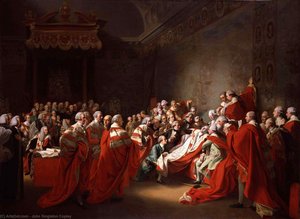
Algunas de las obras más notables de John Singleton Copley incluyen:- El colapso del Conde de Chatham en la Cámara de los Lores (Galería Tate (Londres, Reino Unido), óleo sobre lienzo), una representación conmovedora de un momento crucial en la historia británica.
- Sr. y Sra. Ralph Izard (Alice Delancey) (Museo de Bellas Artes (Boston, Estados Unidos), óleo sobre lienzo), un retrato ejemplar que muestra la atención al detalle de John y su capacidad para capturar la esencia de sus sujetos.
- Watson y el Tiburón (Óleo sobre lienzo), una obra dramática que representa un rescate audaz.
Legado e Influencia
El impacto de John Singleton Copley en el mundo del arte es innegable. Su enfoque innovador al retrato y sus contribuciones a la pintura angloamericana han influenciado a generaciones de artistas. Para una comprensión más profunda del trabajo de John y su significado, visite la página de John Singleton Copley en ArtsDot, que presenta una extensa colección de sus obras de arte.Lecturas Adicionales
Para obtener más información sobre la historia de la pintura y su evolución, consulte Wikipedia's historia de la pintura. Para explorar la vasta colección de ArtsDot, que incluye obras de varios períodos y estilos, navegue por Burghley House (Stamford, Estados Unidos) - Un tesoro oculto del arte americano y Descubriendo las obras de arte del St Hilda's College, Oxford, Reino Unido.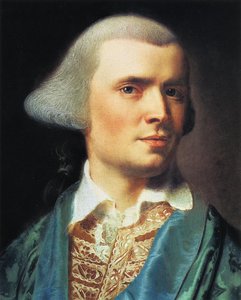
John Singleton Copley
1738 - 1815 , Reino Unido
Datos clave
- Artistas Influyentes: ['Joseph Blackburn']
- Estilo Artístico: Retrato, historicismo
- Fecha De Muerte: 9 de septiembre de 1815
- Fecha De Nacimiento: 3 de julio de 1738
- Influencia En Artistas: Generaciones de artistas
- Lugar De Nacimiento: Boston, Reino Unido
- Nacionalidad: Anglo-americano
- Nombre Completo: John Singleton Copley
- Obras Notables:
- El colapso del Conde de Chatham
- Sr. y Sra. Ralph Izard
- Watson y el tiburón
Artículos relacionados
Los 10 Maestros del Neoclasicismo: Obras que Definieron una Era |
Descubre los 10 imprescindibles del Neoclasicismo con . Obras de David, Ingres y Canova que marcaron una era. Historia, técnica y significado de cada pieza. Encuentra reproducciones de arte de museo en

The Enduring Legacy of Oil on Canvas: Technique, History & Aesthetic Impact
Explore the rich history & techniques of oil painting – from Renaissance masters to Impressionism. Discover pigments, layering methods, and why this timeless medium endures. Expert insights for artists & art enthusiasts.

El Óleo sobre Lienzo: Historia, Técnica y la Persistencia de un Medio Artístico Atemporal
Descubre la historia y técnica del óleo sobre lienzo. Explora reproducciones fieles hechas a mano, personalización artística y consejos de expertos con ArtsDot. ¡Colecciona arte con confianza!
El Legado Perenne del Clasicismo: Principios Fundamentales, Evolución e Influencia en el Arte Occidental
Descubre la historia del arte clásico occidental: desde sus orígenes en Grecia y Roma hasta su influencia en el Renacimiento y las corrientes contemporáneas. Análisis experto, artistas clave y obras maestras imperdibles.

El Legado Duradero del Óleo sobre Lienzo: Técnica, Historia y Práctica Contemporánea
Descubre la historia y técnica del óleo sobre lienzo. Explora reproducciones fieles hechas a mano, personalización artística y consejos de expertos con .