 Vista previa
 Compartir
 Compartir
 Ver detalles

 Descargar
 Ver similares
 Radiografía
 Presentación de diapositivas
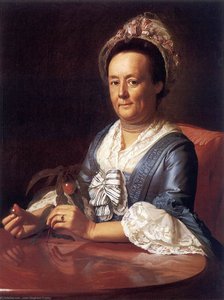
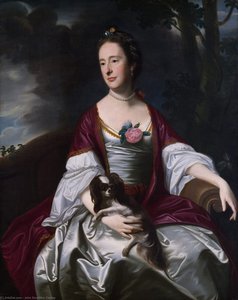
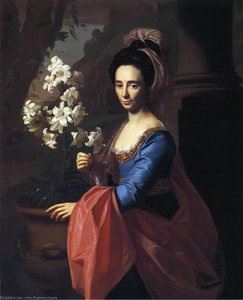
Rebecca Boylston
 Oil On Canvas
- WallArt
- Neo-Classicism
 1767
1767 127.0 x 101.0 cm
 Museo de Bellas Artes
 Leer más
Reproducción al óleo hecha a mano
Óleo sobre lienzo pintado a mano en el tamaño y marco de su elección, realizado por encargo por nuestros artistas. ( Pedir impresión Comprar descarga)




P118B $10

P118H $10

P118W $10

P438Z $10

P508JH $12

P508YH $12

P805H $10

P805Z $10

P919BZ $10

P919G $10

P919XJ $10

P959ZH $10

P968JZ $12

W106C $8

W218G $10

W218JH $8

W218Y $10

W307PJ $10

W316G $10

W316PJ $8

W316Y $10

W398PJ $8

W4111J $10

W500HY $15

W500JH $15

W692G $12

W849H $8

W940BG $15

W953PJ $8




Elija entre nuestros tamaños predefinidos que respetan las proporciones originales de la obra.

Puede ingresar sus propias dimensiones para adaptarse a un marco o espacio específico. Si el tamaño seleccionado no coincide con las proporciones de la imagen original, recortaremos la obra o extenderemos la pintura con elementos adicionales pintados a mano. Se le enviará una maqueta digital para su aprobación antes de comenzar la producción.
Tenga en cuenta que la vista previa en pantalla no refleja el recorte o la extensión reales. Solo la maqueta mostrará con precisión la composición final.
Si bien existen tamaños personalizados, recomendamos seleccionar una dimensión de la lista predefinida para preservar las proporciones originales.
Tras realizar el pedido, el equipo de ArtsDot.com enviará un correo electrónico al cliente para solicitar instrucciones y proporcionarle una vista previa del boceto.
Envío a todo el mundo () en 3-4 semanas en lugar de las 5 semanas estándar. (21 agosto). Sin comprometer la calidad.

Envío exprés gratuito a todo el mundo

Lienzo de lino de alta calidad

Seguro de envío completo

Garantía de reembolso de aranceles aduaneros

Garantía de fidelidad cromática exacta

Política de devolución de 60 días (solo por defectos)

Garantía de devolución del 100% del dinero

Oferta por volumen
 La opción de vidrio solo está disponible en tamaños inferiores a 110 cm.

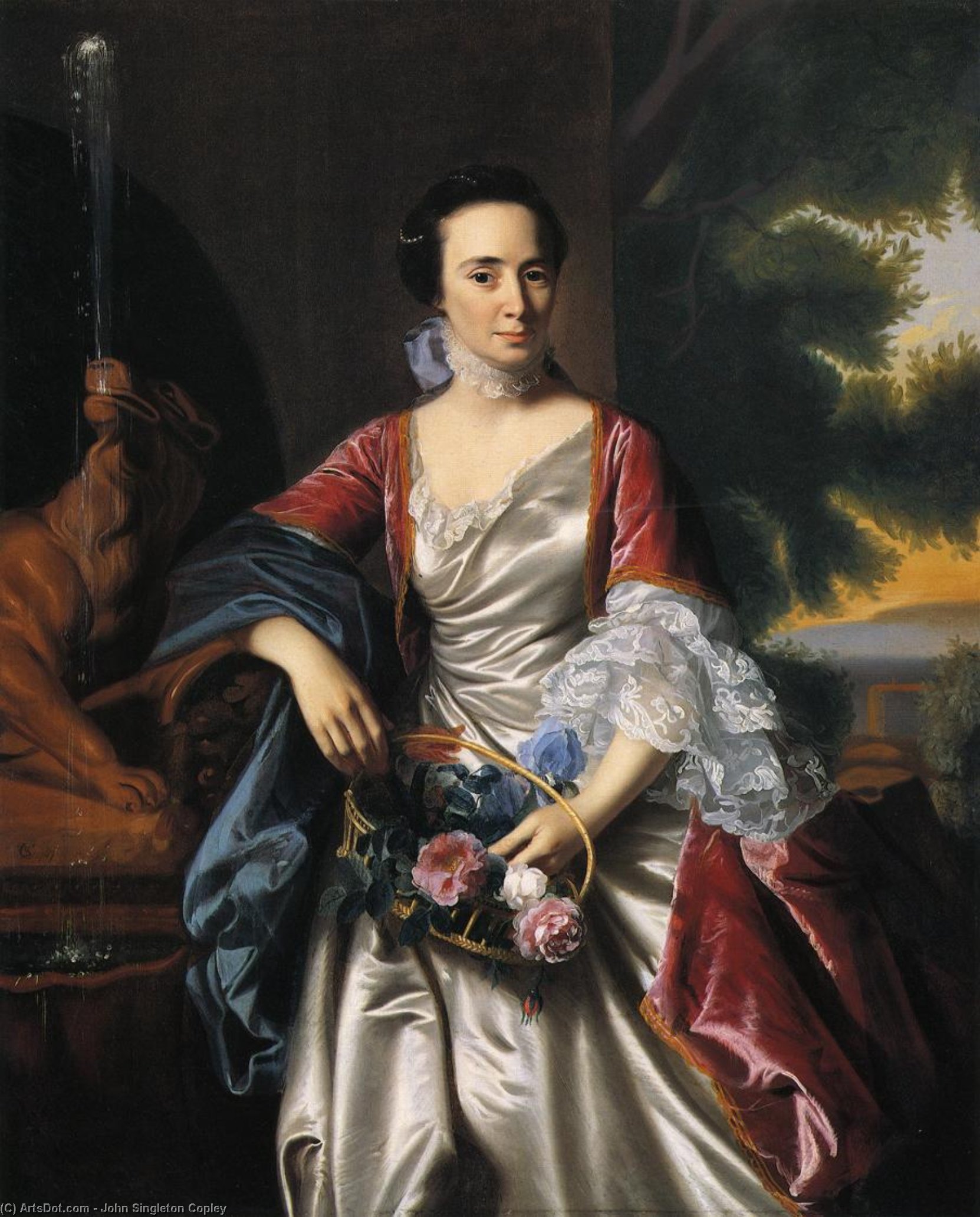
Rebecca Boylston
Técnica de reproducción
Tamaño de la reproducción
-


Precio total
$ 263
Descripción de la obra
The Eloquence of Grace: John Singleton Copley’s Rebecca Boylston
John Singleton Copley's "Rebecca Boylston," painted in 1767, isn’t merely a portrait; it’s a meticulously crafted window into the social and artistic currents of colonial Boston. More than just capturing likeness, Copley masterfully imbued his subject with an aura of poised elegance and quiet confidence – qualities that resonated deeply within the context of his time. The painting stands as a testament to Copley's remarkable ability to translate the complexities of human personality onto canvas, showcasing both technical brilliance and a keen understanding of the nuances of New England society.
Copley’s style during this period exemplifies Neoclassicism, a movement that drew inspiration from the art and philosophy of ancient Greece and Rome. However, Copley didn't simply replicate classical forms; he adapted them to his own distinctly American sensibility. The composition is remarkably balanced, with Rebecca Boylston seated in a relaxed yet dignified pose, her hands gently holding a bouquet of flowers – a subtle symbol of beauty, innocence, and perhaps even a hint of wistful longing. The careful attention to detail—the delicate folds of her gown, the sheen of her jewelry, the precise rendering of her features—demonstrates Copley’s commitment to realism, yet it's tempered by an idealized quality that elevates the portrait beyond simple likeness.
A Portrait of a Woman and Her World
Rebecca Boylston herself was a woman of considerable standing within Boston society. As the sister of Nicholas Boylston, a prominent merchant, she possessed both wealth and social influence. Copley’s decision to portray her in this manner—dressed in luxurious silk, adorned with delicate jewelry, and holding flowers – speaks volumes about her position and the values associated with it. The inclusion of two figures in the background, partially obscured, adds depth to the scene, suggesting a domestic setting and hinting at the social circles within which Rebecca moved. These figures are not merely decorative; they contribute to the narrative, grounding the portrait in its specific historical context.
The pink sash around her neck is a particularly noteworthy detail. It’s a subtle flourish that adds a touch of color and visual interest while also subtly referencing the fashionable trends of the era. More importantly, it underscores Rebecca's status as a woman of refinement and good taste – qualities highly valued in colonial Boston. The painting isn’t simply about depicting a beautiful woman; it’s about portraying her within the framework of her social world.
The Brushstroke and the Soul
Copley’s technique is characterized by its meticulousness and precision. He employed a layering method, building up color gradually through numerous thin glazes, creating a luminous effect that captures the subtle nuances of light and shadow. The use of cool tones—particularly in the background—contrasts sharply with the warmer hues of Rebecca's gown, drawing the viewer’s eye to her figure. His brushwork is remarkably controlled, conveying both elegance and dynamism. Note how he subtly suggests movement through the arrangement of her clothing and the delicate curve of her hands.
Beyond technical skill, Copley possessed a remarkable ability to capture the essence of his subjects. “Rebecca Boylston” isn’t just a representation of a woman; it's an evocation of her personality—her poise, her intelligence, and perhaps even a hint of melancholy. The direct gaze she casts upon the viewer invites us into her world, creating a powerful connection that transcends time.
A Legacy of Elegance
“Rebecca Boylston” remains a captivating work of art, offering a glimpse into the social and artistic landscape of colonial Boston. It’s a testament to John Singleton Copley's genius—his ability to blend technical skill with profound insight. Reproductions of this iconic portrait continue to resonate with viewers today, capturing not only the beauty of its subject but also the enduring legacy of an artist who helped shape the visual identity of America.
Obras relacionadas
Biografía del artista
Un Pionero de la Pintura Angloamericana (1738-1815)
John Singleton Copley, un renombrado pintor angloamericano, dejó una huella imborrable en el mundo del arte con sus cautivadores retratos y paisajes. Nacido en Boston, Massachusetts, para Richard y Mary Singleton Copley, ambos de ascendencia angloirlandesa, el viaje artístico de John es un testimonio de su talento innato y dedicación.Vida Temprana y Formación
Aunque hay información limitada sobre la educación formal de John, se cree que fue en gran medida autodidacta, con una inclinación hacia el arte desde temprana edad. Su padrastro, Peter Pelham, un grabador y pintor, pudo haberle brindado alguna orientación, pero la mayor parte de su desarrollo artístico puede atribuirse a su propia perseverancia.Contribuciones Artísticas
El trabajo de John Singleton Copley se caracteriza por:- Retratismo: Sus retratos de figuras influyentes en Nueva Inglaterra colonial son notables por su atención al detalle y la incorporación de artefactos que reflejan las vidas de los sujetos.
- Estilo Innovador: La tendencia de Copley a representar a sujetos de clase media con un enfoque en sus vidas cotidianas fue una desviación del retrato tradicional de su época.
- Amplio Rango Artístico: Desde autorretratos hasta escenas históricas, la obra de John muestra su versatilidad y habilidad para capturar una amplia gama de temas.
Obras Notables y su Significado
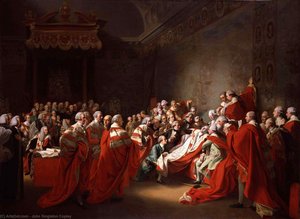
Algunas de las obras más notables de John Singleton Copley incluyen:- El colapso del Conde de Chatham en la Cámara de los Lores (Galería Tate (Londres, Reino Unido), óleo sobre lienzo), una representación conmovedora de un momento crucial en la historia británica.
- Sr. y Sra. Ralph Izard (Alice Delancey) (Museo de Bellas Artes (Boston, Estados Unidos), óleo sobre lienzo), un retrato ejemplar que muestra la atención al detalle de John y su capacidad para capturar la esencia de sus sujetos.
- Watson y el Tiburón (Óleo sobre lienzo), una obra dramática que representa un rescate audaz.
Legado e Influencia
El impacto de John Singleton Copley en el mundo del arte es innegable. Su enfoque innovador al retrato y sus contribuciones a la pintura angloamericana han influenciado a generaciones de artistas. Para una comprensión más profunda del trabajo de John y su significado, visite la página de John Singleton Copley en ArtsDot, que presenta una extensa colección de sus obras de arte.Lecturas Adicionales
Para obtener más información sobre la historia de la pintura y su evolución, consulte Wikipedia's historia de la pintura. Para explorar la vasta colección de ArtsDot, que incluye obras de varios períodos y estilos, navegue por Burghley House (Stamford, Estados Unidos) - Un tesoro oculto del arte americano y Descubriendo las obras de arte del St Hilda's College, Oxford, Reino Unido.
John Singleton Copley
1738 - 1815 , Reino Unido
Datos clave
- Artistas Influyentes: ['Joseph Blackburn']
- Estilo Artístico: Retrato, historicismo
- Fecha De Muerte: 9 de septiembre de 1815
- Fecha De Nacimiento: 3 de julio de 1738
- Influencia En Artistas: Generaciones de artistas
- Lugar De Nacimiento: Boston, Reino Unido
- Nacionalidad: Anglo-americano
- Nombre Completo: John Singleton Copley
- Obras Notables:
- El colapso del Conde de Chatham
- Sr. y Sra. Ralph Izard
- Watson y el tiburón
Artículos relacionados
Los 10 Maestros del Neoclasicismo: Obras que Definieron una Era |
Descubre los 10 imprescindibles del Neoclasicismo con . Obras de David, Ingres y Canova que marcaron una era. Historia, técnica y significado de cada pieza. Encuentra reproducciones de arte de museo en

The Enduring Legacy of Oil on Canvas: Technique, History & Aesthetic Impact
Explore the rich history & techniques of oil painting – from Renaissance masters to Impressionism. Discover pigments, layering methods, and why this timeless medium endures. Expert insights for artists & art enthusiasts.

El Óleo sobre Lienzo: Historia, Técnica y la Persistencia de un Medio Artístico Atemporal
Descubre la historia y técnica del óleo sobre lienzo. Explora reproducciones fieles hechas a mano, personalización artística y consejos de expertos con ArtsDot. ¡Colecciona arte con confianza!
El Legado Perenne del Clasicismo: Principios Fundamentales, Evolución e Influencia en el Arte Occidental
Descubre la historia del arte clásico occidental: desde sus orígenes en Grecia y Roma hasta su influencia en el Renacimiento y las corrientes contemporáneas. Análisis experto, artistas clave y obras maestras imperdibles.
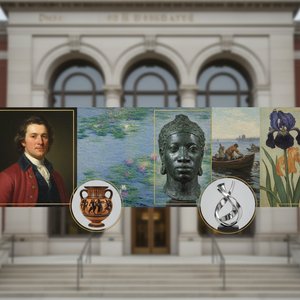
Las 25 Obras Maestras del MFA Boston: Arte, Historia y Decoración Exclusiva
Descubre las 25 obras maestras del Museo de Bellas Artes Boston. Explora la historia, el arte y las emociones detrás de Sargent, Monet, Degas y más. Reproducciones de alta calidad para tu hogar en ArtsDot.com.