 Ver en contexto
 Enviar
 Compartir
 Detalles

 Descargar
 Similares
 Radiografía
 Presentación de diapositivas
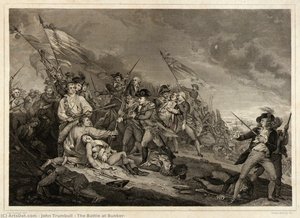
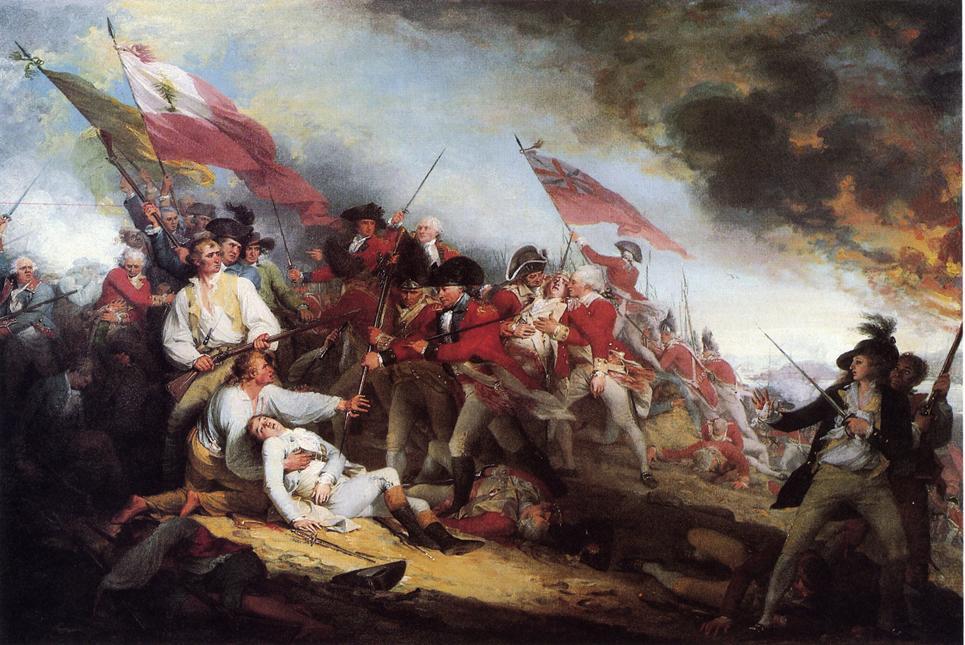
The Death of General Warren at the Battle of Bunker's Hill


 Ver más
Reproducción al óleo hecha a mano
Óleo sobre lienzo pintado a mano en el tamaño y marco de su elección, realizado por encargo por nuestros artistas. ( Comprar impresión Comprar imagen)




P118B $10

P118H $10

P118W $10

P438Z $10

P508JH $12

P508YH $12

P805H $10

P805Z $10

P919BZ $10

P919G $10

P919XJ $10

P959ZH $10

P968JZ $12

W106C $8

W218G $10

W218JH $8

W218Y $10

W307PJ $10

W316G $10

W316PJ $8

W316Y $10

W398PJ $8

W4111J $10

W500HY $15

W500JH $15

W692G $12

W849H $8

W940BG $15

W953PJ $8




Elija entre nuestros tamaños predefinidos que respetan las proporciones originales de la obra.

Puede ingresar sus propias dimensiones para adaptarse a un marco o espacio específico. Si el tamaño seleccionado no coincide con las proporciones de la imagen original, recortaremos la obra o extenderemos la pintura con elementos adicionales pintados a mano. Se le enviará una maqueta digital para su aprobación antes de comenzar la producción.
Tenga en cuenta que la vista previa en pantalla no refleja el recorte o la extensión reales. Solo la maqueta mostrará con precisión la composición final.
Si bien existen tamaños personalizados, recomendamos seleccionar una dimensión de la lista predefinida para preservar las proporciones originales.
Tras realizar el pedido, el equipo de ArtsDot.com enviará un correo electrónico al cliente para solicitar instrucciones y proporcionarle una vista previa del boceto.
Envío a todo el mundo () en 3-4 semanas en lugar de las 5 semanas estándar. (5 septiembre). Sin comprometer la calidad.

Envío exprés gratuito a todo el mundo

Lienzo de lino de alta calidad

Seguro de envío total

Garantía de reembolso de impuestos aduaneros

Garantía de fidelidad cromática exacta

Política de devolución de 60 días (solo por defectos)

Garantía de devolución del 100% del dinero

Descuento por cantidad
 La opción de vidrio solo está disponible en tamaños inferiores a 110 cm.

The Death of General Warren at the Battle of Bunker's Hill
Técnica de reproducción
Dimensiones de la reproducción
-


Precio total final
$ 288
The Death of General Warren at the Battle of Bunker’s Hill: A Romantic Echo of Sacrifice
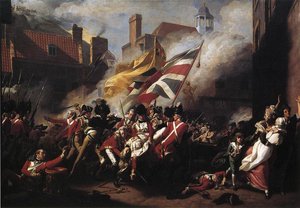
John Trumbull's "Death of General Warren" stands as an enduring emblem of the American Revolution, capturing not merely a battlefield skirmish but the profound moral drama unfolding within it. Completed in 1834 and housed prominently in the Wadsworth Atheneum in Hartford, Connecticut, this monumental oil painting transcends mere historical record; it embodies the Romantic spirit’s fervent embrace of emotion and dramatic narrative—a testament to Trumbull's artistic vision and a cornerstone of American art history. The scene depicts the pivotal moment following the Battle of Bunker Hill on June 17th, 1775 – Warren’s fatal collapse in the arms of Lieutenant Thomas Grosvenor amidst the chaos of combat. Trumbull meticulously rendered the battlefield terrain, emphasizing the uneven ground and highlighting the dense concentration of soldiers engaged in fierce fighting. The artist skillfully employed chiaroscuro—the dramatic interplay of light and shadow—to heighten the sense of urgency and convey the palpable tension of the moment. Notice how the strong directional lines guide the viewer’s eye across the canvas, mirroring the movement of weapons and figures alike. Beyond its visual splendor, “Death of General Warren” resonates deeply with symbolic significance. Trumbull deliberately positioned Warren's body at the center of the composition, emphasizing his vulnerability amidst the brutality of war. The inclusion of British Major John Small, bravely preventing a grenadier from attacking Warren—a gesture of chivalry and honor—underscores Trumbull’s belief in moral fortitude as paramount to victory. This depiction wasn’t simply about military prowess; it was about demonstrating noble behavior that transcended national boundaries. The painting's color palette—dominated by reds, browns, and grays—reflects the grim realities of battle while simultaneously conveying a sense of solemn grandeur. Thick impasto—the application of paint in textured layers—adds tactile richness to the canvas, immersing the viewer in the physicality of the scene. Trumbull’s masterful technique captures not only the visual details but also the emotional weight of the event, prompting contemplation on themes of sacrifice and patriotism.- Artist: John Trumbull (1756–1843)
- Medium: Oil on Canvas
- Dimensions: 25 5/8 × 37 5/8 in. (65.1 × 95.6 cm)
- Location: Wadsworth Atheneum, Hartford, Connecticut
Historical Context and Significance
“Death of General Warren” emerged from the crucible of the American Revolution—a period defined by fervent idealism and unwavering determination to forge a new nation. Trumbull’s decision to portray this specific event stemmed from his profound admiration for Joseph Warren, a Massachusetts physician and politician who served as a general during the siege of Boston. The painting commemorates not only Warren's heroic sacrifice but also the broader moral struggle between honor and duty—values that resonated powerfully with the sensibilities of the Romantic era.Technique: Romantic Impressionism
Trumbull’s artistic approach exemplifies Romantic Impressionism, characterized by its expressive brushstrokes and emphasis on capturing fleeting moments of emotion. He skillfully utilized chiaroscuro to create dramatic contrasts between light and shadow, enhancing the visual impact of the scene and conveying a sense of urgency. The artist's meticulous attention to detail—evident in the rendering of clothing textures and weaponry—demonstrates his commitment to portraying reality with uncompromising accuracy while simultaneously imbuing it with emotional resonance.Symbolism: Honor Amidst Chaos
The painting’s symbolism speaks volumes about Trumbull's worldview. Warren’s vulnerability juxtaposed against Small’s courageous intervention underscores the importance of moral fortitude in achieving victory—a theme that aligns perfectly with Romantic ideals. The depiction of the battlefield terrain reinforces the notion that heroism is born from confronting adversity head-on, and the use of color contributes to the overall mood of solemn grandeur.Emotional Impact
“Death of General Warren” continues to captivate audiences today with its visceral portrayal of human suffering and unwavering moral conviction. The painting’s dramatic composition and masterful technique evoke a profound sense of empathy for those involved—soldiers battling for liberty, and leaders striving to uphold honor amidst the horrors of war. It serves as a timeless reminder that true greatness lies not merely in military prowess but in courageously embracing one's responsibilities and upholding moral values.Obras relacionadas
Biografía del artista
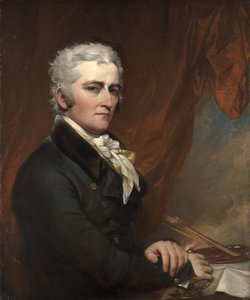
John Trumbull: El Pintor de la Revolución
- Nacido: 23 de junio de 1756, Lebanon, Connecticut
- Fallecido: 1843
John Trumbull fue un celebrado artista estadounidense conocido principalmente por sus pinturas históricas que representan escenas de la Guerra de Independencia de los Estados Unidos. A menudo elogiado como "el Pintor de la Revolución", su obra proporciona una documentación visual invaluable de este período crucial en la historia americana, capturando eventos y figuras clave con meticuloso detalle.
Vida Temprana y Educación
- Trumbull ingresó al Harvard College en 1771 y se graduó en 1773.
- Un accidente de la infancia resultó en la pérdida del uso de un ojo, lo que algunos creen influyó en su detallado estilo pictórico.
- Durante la Guerra de Independencia de los Estados Unidos, sirvió como soldado, dibujando planos de fortificaciones británicas en Boston – demostrando una temprana aptitud para la observación y la documentación.
Carrera Artística e Influencias
- En 1780, enfrentando dificultades financieras, Trumbull se dedicó al arte profesionalmente.
- Viajó a Londres donde estudió bajo Benjamin West, un prominente artista americano residente en Inglaterra.
- West animó a Trumbull a centrarse en pinturas de pequeña escala de la Guerra de Independencia y retratos en miniatura, produciendo aproximadamente 250 miniaturas a lo largo de su carrera.
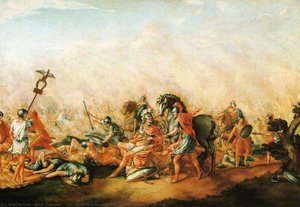
- El estilo de Trumbull estuvo influenciado por la pintura histórica clásica, evidente en obras como "La Muerte de Paulo Emilio en la Batalla de Cannas". Buscaba combinar la precisión histórica con una composición dramática.
Obras Principales y Significado Histórico
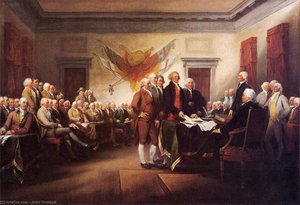
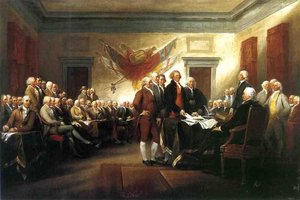
- Declaración de Independencia: Quizás su obra más famosa, esta pintura representa la firma de la Declaración de Independencia y fue utilizada en el reverso del billete de dos dólares conmemorativo.
- Estudio para la Rendición de Cornwallis en Yorktown: Un boceto preparatorio para una obra mayor, que muestra el meticuloso proceso de planificación de Trumbull.
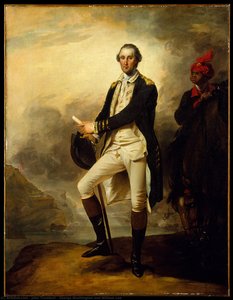
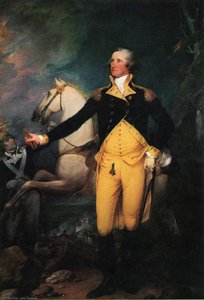
- George Washington antes de la Batalla de Trenton: Captura un momento de liderazgo y resolución justo antes de una victoria crucial para el Ejército Continental.
- Rendición del General Burgoyne & Rendición del Lord Cornwallis: Estas pinturas monumentales, exhibidas en el Capitolio de los Estados Unidos, representan significativas rendiciones británicas durante la guerra.
Las pinturas de Trumbull son históricamente significativas porque proporcionan un registro visual de la Revolución Americana en una época en que la documentación fotográfica no existía. Sus obras ayudaron a dar forma a la comprensión pública y conmemoración de los eventos y figuras involucradas.
Legado y Colecciones
- La obra de Trumbull se alberga en numerosas instituciones prestigiosas, incluyendo:
- Yale University Art Gallery
- Smithsonian American Art Museum
- Virginia Museum of Fine Arts
- Sus pinturas están exhibidas prominentemente dentro del Capitolio de los Estados Unidos, sirviendo como un homenaje duradero a sus contribuciones al arte y la historia americana.
- El legado de Trumbull continúa inspirando y educando a audiencias, consolidando su lugar como una figura clave en la pintura histórica estadounidense.
Pintor de la Revolución
1756 - 1843 , Reino Unido
Datos clave
- Artistas Que Influyeron En Este Artista: ['Benjamin West']
- Fecha De Fallecimiento: 1843
- Fecha De Nacimiento: 23 de junio de 1756
- Lugar De Nacimiento: Lebanon, Reino Unido
- Movimiento Artístico O Estilo: Pintura histórica
- Nacionalidad: Estadounidense
- Nombre Completo: John Trumbull
- Obras Notables:
- Declaración de Independencia
- Rendición de Cornwallis
- Washington en Trenton
Artículos relacionados

John Singer Sargent: Las 25 Obras Maestras del Retrato y la Belle Époque | ArtsDot
Descubre las 25 obras maestras de John Singer Sargent, el maestro del retrato y la Belle Époque. Explora su técnica impresionista, historias fascinantes y encuentra reproducciones de arte exclusivas para decorar tu hogar con elegancia en ArtsDot.com.

John Constable: Las 25 Obras Maestras del Paisaje Inglés | ArtsDot
Descubre las 25 obras maestras de John Constable, el pintor romántico inglés que capturó la belleza del paisaje. Explora su técnica, historia y significado en ArtsDot.com. Reproducciones de arte de alta calidad para tu hogar.

Grant Wood & American Regionalism: Identity, Myth & the Rural Landscape
Explore the world of Grant Wood & American Regionalism with ArtsDot. Discover the symbolism behind 'American Gothic', recurring themes, and the movement's lasting impact on art history. High-quality reproductions available.

Realismo Estadounidense: 10 Obras Maestras que Cambiaron el Arte y la Decoración
Descubre 10 obras maestras del Realismo Estadounidense: Winslow Homer, Edward Hopper y más. Explora la historia, técnica y emoción de estos icónicos cuadros. Encuentra reproducciones de arte de museo en ArtsDot.com.

John George Brown: Capturing American Life & Sentiment in 19th-Century Genre Painting
Explore the captivating genre paintings of John George Brown, celebrated for his realistic depictions of 19th-century American life. Discover his legacy & find museum-quality reproductions at ArtsDot.