

 Vista previa
 Compartir
 Compartir
 Ver detalles

 Descargar
 Ver similares
 Radiografía
 Presentación de diapositivas
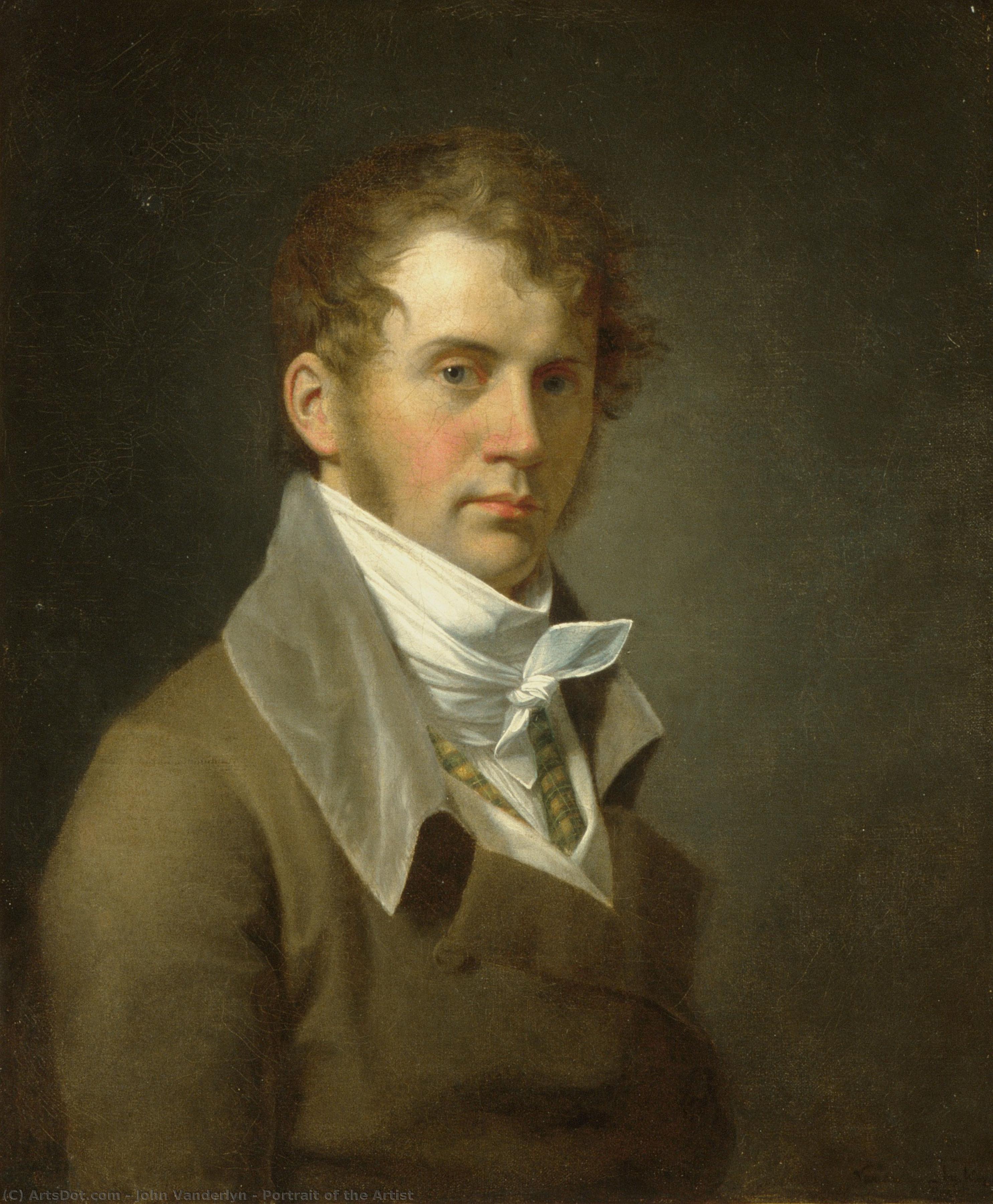
Portrait of the Artist
 Oil On Canvas
- WallArt
- Neoclassicism
 1800
1800- 19th Century
 64.0 x 53.0 cm
 Museo Metropolitano de Arte
 Leer más
Reproducción al óleo hecha a mano
Óleo sobre lienzo pintado a mano en el tamaño y marco de su elección, realizado por encargo por nuestros artistas. ( Pedir impresión Comprar descarga)




































Elija entre nuestros tamaños predefinidos que respetan las proporciones originales de la obra.

Puede ingresar sus propias dimensiones para adaptarse a un marco o espacio específico. Si el tamaño seleccionado no coincide con las proporciones de la imagen original, recortaremos la obra o extenderemos la pintura con elementos adicionales pintados a mano. Se le enviará una maqueta digital para su aprobación antes de comenzar la producción.
Tenga en cuenta que la vista previa en pantalla no refleja el recorte o la extensión reales. Solo la maqueta mostrará con precisión la composición final.
Si bien existen tamaños personalizados, recomendamos seleccionar una dimensión de la lista predefinida para preservar las proporciones originales.
Tras realizar el pedido, el equipo de ArtsDot.com enviará un correo electrónico al cliente para solicitar instrucciones y proporcionarle una vista previa del boceto.
Envío a todo el mundo () en 3-4 semanas en lugar de las 5 semanas estándar. (22 agosto). Sin comprometer la calidad.

Envío exprés gratuito a todo el mundo

Lienzo de lino de alta calidad

Seguro de envío completo

Garantía de reembolso de aranceles aduaneros

Garantía de fidelidad cromática exacta

Política de devolución de 60 días (solo por defectos)

Garantía de devolución del 100% del dinero

Oferta por volumen
 La opción de vidrio solo está disponible en tamaños inferiores a 110 cm.

Portrait of the Artist
Técnica de reproducción
Tamaño de la reproducción
-


Precio total
$ 263
Descripción de la obra
A Gaze Across Centuries: The Ambition of John Vanderlyn
The year is 1800, and Paris is a city vibrating with the electric energy of intellectual rebirth. Amidst the shadows of the French Revolution and the rising influence of Neoclassicism, a young American painter named John Vanderlyn sought to carve his name into the annals of art history. His Self-Portrait, a masterful work now preserved in the American Wing of The Metropolitan Museum of and Art, serves as much more than a mere likeness; it is a profound declaration of identity and artistic intent. In this half-length portrait, Vanderlyn presents himself with an unwavering, direct gaze that speaks of a burgeoning confidence, capturing a moment when the raw talent of the New World met the refined, disciplined traditions of the Old World.
The composition is a triumph of Neoclassical balance, utilizing an oval frame to create a sense of intimate focus and classical harmony. By positioning himself centrally on the axis, Vanderlyn mirrors the symmetry prized by his contemporaries, such as Jacques-Louis David. There is a deliberate stillness in the work, a rejection of the flamboyant, swirling excesses of the preceding Rococo era in favor of something more grounded, more permanent. The subject occupies the space with a quiet dignity, inviting the viewer into a silent dialogue with a man who was actively redefining what it meant to be an American artist on the global stage.
Mastery of Light and Texture
Technically, the portrait is a showcase of Vanderlyn’s rigorous training under the Parisian master François-André Vincent. The artist employs oil on canvas with a precision that breathes life into the inanimate. One cannot help but be captivated by the way light plays across the surface; a dramatic, directional light source originating from the left casts deep, evocative shadows across his features, lending a sculptural depth to his face. This chiaroscuro effect does more than just define form—it imbues the portrait with a sense of psychological complexity, suggesting a soul caught between the bright optimism of youth and a hint of melancholic introspection.
The tactile quality of the painting is equally remarkable. Through subtle, meticulous brushstrokes, Vanderlyn achieves a breathtaking realism in the rendering of textures. The heavy, matte weight of the wool fabric in his coat contrasts beautifully with the smoother, more luminous depiction of skin. Every fold in the drapery and every nuance of light hitting the fabric serves to ground the idealized subject in a tangible reality. For the collector or interior designer, this level of detail ensures that a reproduction of this piece brings not just color, but a sophisticated textural richness to any curated space.
A Legacy of Classical Elegance
Beyond its technical brilliance, the portrait carries a heavy symbolic weight. It represents the bridge between American identity and European sophistication. Vanderlyn was a pioneer, one of the first to look toward Paris rather than London for artistic validation, and this painting embodies that courageous shift. The muted palette of deep browns, creams, and earthy tones lends the work an air of timelessness and formality, making it an ideal centerpiece for environments that value classical elegance and historical depth.
To display a reproduction of this self-portrait is to invite a piece of art history into one's home. It is a work that commands respect through its order and inspires through its soul. Whether placed in a study filled with books or as a focal point in a grand salon, Vanderlyn’s Portrait of the Artist continues to radiate the same transformative power it possessed at the dawn of the nineteenth century—a testament to the enduring allure of the classical ideal.
Obras relacionadas
Biografía del artista
Primeros Años y Formación
- Nacimiento: 15 de octubre de 1775, Kingston, Nueva York
- Antecedentes Familiares: Nieto del pintor de retratos coloniales Pieter Vanderlyn.
- Empleo Inicial: Trabajó para un vendedor de grabados en la ciudad de Nueva York.
- Instrucción Inicial: Estudió bajo Archibald Robinson, un artista escocés.
- Conexión con Gilbert Stuart: Copió retratos de Gilbert Stuart y pasó tiempo en su estudio, desarrollando habilidades para el retrato.
Estudios en París y Desarrollo Artístico
- Traslado a París (1796): Enviado a París por Aaron Burr para estudiar arte.
- Formación Formal: Estudió durante cinco años en París, expuesto a pintores neoclásicos franceses.
- Influencia del Neoclasicismo: Su estilo artístico fue significativamente moldeado por los principios del Neoclasicismo – enfatizando formas y temas clásicos.
- Regreso a América (1801): Vivió con Aaron Burr y su hija al regresar.
Obras Principales y Logros
- Retratos: Pintó retratos de figuras prominentes, incluyendo James Monroe, John C. Calhoun, George Washington (una copia del retrato Lansdowne de Stuart) y Andrew Jackson.
- Vistas de las Cataratas del Niágara (1802): Creó dos vistas de las Cataratas del Niágara que fueron grabadas y publicadas en Londres.
- Cayo Mario entre las Ruinas de Cartago: Recibió una medalla de oro en el Salón de 1808 en París.
- Pinturas Panorámicas: Exhibió panoramas, incluyendo "Vista panorámica del Palacio y los Jardines de Versalles" (1818-19).
- El Descubrimiento de América por Colón (1842): Comisionado por el Congreso para pintar esta obra histórica para la rotonda del Capitolio de EE. UU.; posteriormente se reprodujo en los billetes de cinco dólares estadounidenses.
Legado y Significado Histórico
- Pionero en Estudios de Arte Francés: Fue el primer artista estadounidense en estudiar en Francia en lugar de Inglaterra, ampliando las perspectivas artísticas.
- Estilo Neoclásico en América: Contribuyó significativamente al desarrollo del Neoclasicismo en el arte americano.
- Registro Histórico: Sus pinturas a menudo representaban eventos e figuras históricas, contribuyendo a un registro visual de la historia temprana estadounidense.
- Miembro Fundador: Uno de los fundadores de la Academia Nacional de Diseño.
Últimos Años y Fallecimiento
- Dificultades Financieras: A pesar de su talento y reconocimiento, Vanderlyn enfrentó dificultades financieras más adelante en la vida.
- Fallecimiento: Murió el 23 de septiembre de 1852, en Kingston, Nueva York.
- Entierro: Fue enterrado en el Cementerio Rural de Wiltwyck en Kingston, NY.
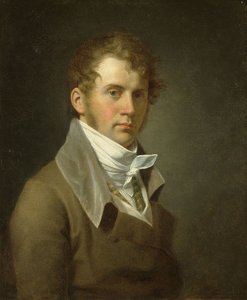
John Vanderlyn
1775 - 1852 , Reino Unido
Datos clave
- Artistas Que Influyeron: ['Gilbert Stuart']
- Fecha De Fallecimiento: 23 de septiembre de 1852
- Fecha De Nacimiento: 15 de octubre de 1775
- Influenciado Por: ['Jacques-Louis David']
- Lugar De Nacimiento: Kingston, Reino Unido
- Movimiento Artístico: Neoclasicismo
- Nacionalidad: Estadounidense
- Nombre Completo: John Vanderlyn
- Obras Notables: ['Aterrizaje de Colón']
Artículos relacionados

John Singer Sargent: Las 25 Obras Maestras del Retrato y la Belle Époque | ArtsDot
Descubre las 25 obras maestras de John Singer Sargent, el maestro del retrato y la Belle Époque. Explora su técnica impresionista, historias fascinantes y encuentra reproducciones de arte exclusivas para decorar tu hogar con elegancia en ArtsDot.com.

John Constable: Las 25 Obras Maestras del Paisaje Inglés | ArtsDot
Descubre las 25 obras maestras de John Constable, el pintor romántico inglés que capturó la belleza del paisaje. Explora su técnica, historia y significado en ArtsDot.com. Reproducciones de arte de alta calidad para tu hogar.
Grant Wood & American Regionalism: Identity, Myth & the Rural Landscape
Explore the world of Grant Wood & American Regionalism with ArtsDot. Discover the symbolism behind 'American Gothic', recurring themes, and the movement's lasting impact on art history. High-quality reproductions available.
Realismo Estadounidense: 10 Obras Maestras que Cambiaron el Arte y la Decoración
Descubre 10 obras maestras del Realismo Estadounidense: Winslow Homer, Edward Hopper y más. Explora la historia, técnica y emoción de estos icónicos cuadros. Encuentra reproducciones de arte de museo en ArtsDot.com.
John George Brown: Capturing American Life & Sentiment in 19th-Century Genre Painting
Explore the captivating genre paintings of John George Brown, celebrated for his realistic depictions of 19th-century American life. Discover his legacy & find museum-quality reproductions at ArtsDot.

