

 Ver en contexto
 Enviar
 Compartir
 Detalles

 Descargar
 Similares
 Radiografía
 Presentación de diapositivas
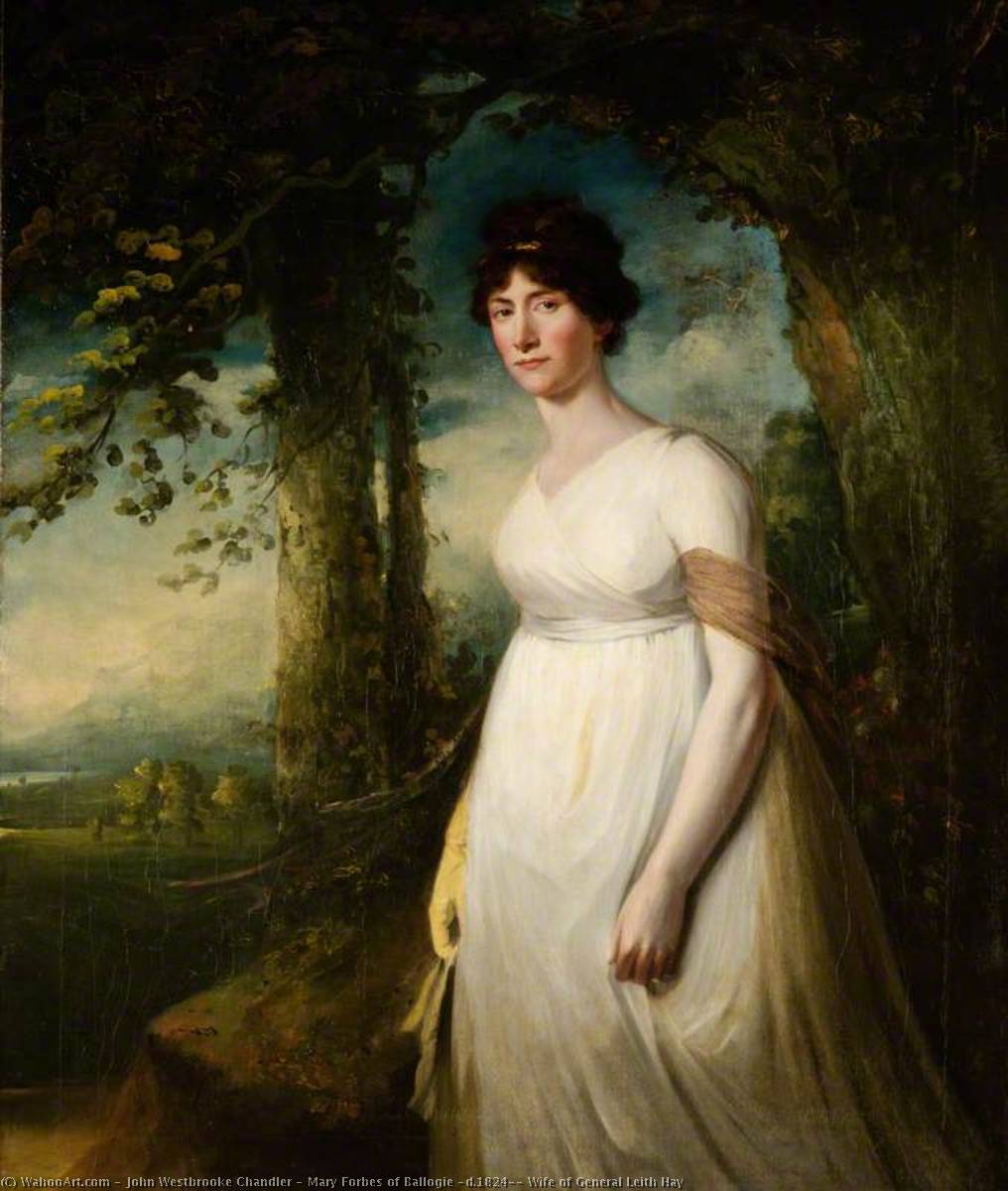
Mary Forbes of Ballogie (d.1824), Wife of General Leith Hay
 152.0 x 124.0 cm
 The National Trust For Scotland
 Ver más
Reproducción al óleo hecha a mano
Óleo sobre lienzo pintado a mano en el tamaño y marco de su elección, realizado por encargo por nuestros artistas. ( Comprar impresión Comprar imagen)




































Elija entre nuestros tamaños predefinidos que respetan las proporciones originales de la obra.

Puede ingresar sus propias dimensiones para adaptarse a un marco o espacio específico. Si el tamaño seleccionado no coincide con las proporciones de la imagen original, recortaremos la obra o extenderemos la pintura con elementos adicionales pintados a mano. Se le enviará una maqueta digital para su aprobación antes de comenzar la producción.
Tenga en cuenta que la vista previa en pantalla no refleja el recorte o la extensión reales. Solo la maqueta mostrará con precisión la composición final.
Si bien existen tamaños personalizados, recomendamos seleccionar una dimensión de la lista predefinida para preservar las proporciones originales.
Tras realizar el pedido, el equipo de ArtsDot.com enviará un correo electrónico al cliente para solicitar instrucciones y proporcionarle una vista previa del boceto.
Envío a todo el mundo () en 3-4 semanas en lugar de las 5 semanas estándar. (5 septiembre). Sin comprometer la calidad.

Envío exprés gratuito a todo el mundo

Lienzo de lino de alta calidad

Seguro de envío total

Garantía de reembolso de impuestos aduaneros

Garantía de fidelidad cromática exacta

Política de devolución de 60 días (solo por defectos)

Garantía de devolución del 100% del dinero

Descuento por cantidad
 La opción de vidrio solo está disponible en tamaños inferiores a 110 cm.

Mary Forbes of Ballogie (d.1824), Wife of General Leith Hay
Técnica de reproducción
Dimensiones de la reproducción
-


Precio total final
$ 263
Obras relacionadas








Biografía del artista
The Enigmatic Brush of John Westbrooke Chandler
In the soft, flickering light of the late eighteenth century, a period defined by both Enlightenment reason and Romantic yearning, the works of John Westbrooke Chandler (1764–1807) emerged as windows into a world of refined elegance and hidden melancholy. A British painter and poet whose life was as layered and complex as his canvases, Chandler occupied a unique space in the Georgian art scene. Though often remembered for his delicate portraiture, his identity was deeply intertwined with the aristocratic circles of Great Britain, rumored to be the natural son of the Earl of Warwick. This connection provided him with more than just social standing; it offered access to the grand studios of Warwick Castle, where the echoes of medieval chivalry likely fueled his creative spirit and his literary pursuits as a neo-Gothic poet.
Chandler’s artistic journey began in earnest when he entered the prestigious Royal Academy Schools in 1784. During this formative era, his brush was heavily influenced by the titans of British portraiture. One can trace the sophisticated lineage of masters such as Joshua Reynolds, George Romney, and Thomas Lawrence within his work. From these legends, Chandler inherited a mastery of light and a command over the psychological depth required to capture the essence of his sitters. His training under the Scottish portraitist John Ramsay further refined his ability to balance classical compositional ideals with a subtle, Rococo-inspired grace, allowing him to move seamlessly between formal aristocratic commissions and more imaginative "fancy pictures."
A Symphony of Pastel and Poetic Depth
To gaze upon a Chandler portrait is to encounter a serene beauty that belies a profound emotional resonance. He was a master of the muted palette, frequently employing soft pinks, ethereal blues, and luminous creams to create an atmosphere of tranquil sophistication. His technique was characterized by a remarkably delicate brushwork; he employed soft blending methods to achieve skin tones that seemed to glow from within, lending his subjects a lifelike, almost breathing quality. While many of his contemporaries sought theatrical grandeur through dramatic chiaroscuro, Chandler found power in subtlety, focusing on the meticulous rendering of drapery and the quiet, expressive nuances of the human face.
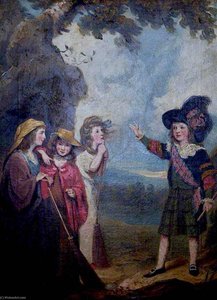
Beyond the realm of formal portraiture, Chandler’s imagination wandered into the dramatic landscapes of literature. His 1787 oil painting, Four Children Acting Macbeth and the Witches, serves as a captivating testament to his ability to blend genre painting with Shakespearean themes. In such works, he moved away from the static dignity of the gentry to explore movement, narrative, and the burgeoning Romantic interest in the supernatural and the dramatic. This duality—the ability to capture the poised stillness of a Duchess and the kinetic energy of a theatrical scene—marks him as an artist of significant versatility.
Legacy Amidst Shadows and Light
The final years of Chandler’s life were marked by a poignant shift in both geography and temperament. Moving from the vibrant art circles of London to the rugged landscapes of Aberdeenshire and eventually settling in Edinburgh, his work began to reflect a more introspective, perhaps even somber, tone. His personal life was shadowed by rumors of melancholy and radical associations; he was known to befriend the philosopher William Godwin, lending money to the thinker and even painting his portrait, which now resides in the esteemed collection of Tate Britain. This connection to the radical intellectual movements of the day suggests an artist who was deeply engaged with the shifting social currents of his age.
Though his life ended prematurely in Stroud, Gloucestershire, at the age of forty-three, Chandler’s contribution to British art remains a vital thread in the tapestry of the Georgian era. His ability to synthesize the formal elegance of the Rococo with the emotional depth of the Romantic movement allowed him to document not just the faces of the Scottish and English elite, but the very soul of an era transitioning from tradition to modernity. Today, his surviving works stand as enduring monuments to a life lived at the intersection of high society, poetic passion, and profound artistic sensitivity.
john westbrooke chandler
1764 - 1807
Datos clave
- Artistic Movement Or Style: Rococo
- Date Of Death: 1807
- Full Name: John Westbrook Chandler
- Nationality: British
- Notable Artworks:
- Unknown woman, formerly Elizabeth Christiana Cavendish, née Hervey, Duchess of Devonshire
- Four Children Acting Macbeth and the Witches
- Place Of Birth: Scotland

