

 Ver en contexto
 Enviar
 Compartir
 Detalles

 Descargar
 Similares
 Radiografía
 Presentación de diapositivas
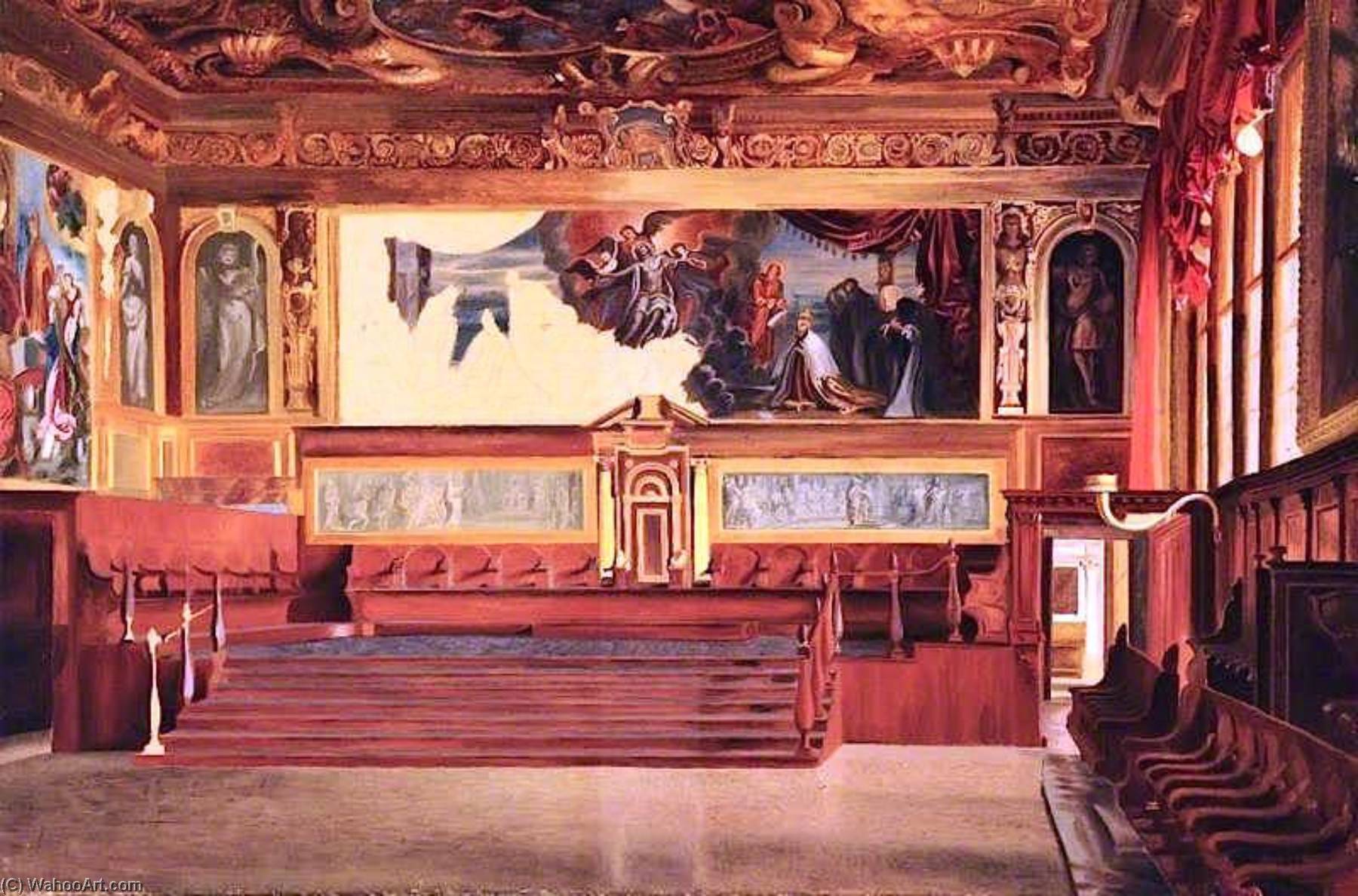
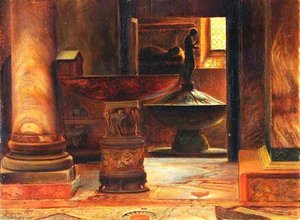
Interior of the Sala del Senato, Doge's Palace, Venice


 Ver más
Giclée / Impresión de arte
Impresiones giclée o en lienzo de calidad de museo con producción rápida y opciones de acabado flexibles. ( Comprar pintura hecha a mano Comprar imagen)




































Elija entre nuestros tamaños predefinidos que respetan las proporciones originales de la obra.

Puede introducir sus propias dimensiones para adaptarse a un marco o espacio específico. Si el tamaño seleccionado no coincide con las proporciones de la imagen original, recortaremos la obra de arte o extenderemos la imagen con un borde con efecto espejo o de color sólido. Se enviará una maqueta digital para su aprobación antes de que comience la producción.
Tenga en cuenta que la vista previa en pantalla no refleja el recorte o la extensión real. Solo la maqueta mostrará con precisión la composición final.
Aunque existen tamaños personalizados, recomendamos seleccionar una dimensión de la lista predefinida para preservar las proporciones originales.
Envío a todo el mundo () en 2 semanas en lugar de las 4/5 semanas estándar. (4 septiembre)

Envío exprés gratuito a todo el mundo

Lienzo de lino de alta calidad

Seguro de envío total

Garantía de reembolso de impuestos aduaneros

Garantía de fidelidad cromática exacta

Política de devolución de 60 días (solo por defectos)

Garantía de devolución del 100% del dinero

Descuento por cantidad
 La opción de vidrio solo está disponible en tamaños inferiores a 110 cm.

Interior of the Sala del Senato, Doge's Palace, Venice
Giclée / Impresión de arte
Dimensiones de la reproducción
-


Precio total final
$ 62
The Artist's Inspiration
John Wharlton Bunney was an English topographical and landscape artist who was heavily influenced by the works of John Ruskin. He studied under Ruskin at the Working Men's College and later worked as a clerk for Smith, Elder & Co., Ruskin's publisher. Bunney's work is characterized by his attention to detail and ability to capture the essence of architectural beauty.The Painting's Significance
The "Interior of the Sala del Senato, Doge's Palace, Venice" is a significant work that showcases Bunney's skill in capturing the intricate details of Venetian architecture. The painting features a large wooden desk with several chairs placed around it, as well as benches located near the front of the room. Above the desk, there is a large mural depicting a scene from the Bible. The overall atmosphere of the room suggests that it may have been used for important meetings or gatherings in the past.- The painting is a testament to Bunney's ability to capture the beauty and grandeur of Venetian architecture.
- The use of oil on canvas gives the painting a sense of depth and texture that draws the viewer in.
- The attention to detail in the painting is impressive, with intricate details such as the wooden desk and benches being carefully rendered.
The "Interior of the Sala del Senato, Doge's Palace, Venice" is a masterpiece that showcases Bunney's skill and attention to detail. It is a must-see for anyone interested in Venetian architecture and art. With ArtsDot.com's handmade oil paintings reproductions, you can bring a piece of this beauty into your own home.
Obras relacionadas


Biografía del artista
John Wharlton Bunney: A Venetian Master of Detail and Ruskin’s Faithful Observer
John Wharlton Bunney (1828-1882) wasn't a name that immediately resonates through the halls of art history, yet his meticulous renderings of Venice – its grand architecture, bustling canals, and atmospheric light – represent a significant chapter in 19th-century landscape painting. Often overshadowed by the flamboyant figures of Tintoretto and Carpaccio, Bunney’s legacy lies primarily in his profound devotion to faithfully recreating their masterpieces, transforming them into exquisitely detailed copies that offer intimate glimpses into the Venetian Renaissance.
Born in England, Bunney's early life was shaped by a unique upbringing. His father, a merchant captain, took him on voyages around the world, exposing him to diverse cultures and landscapes – experiences that undoubtedly informed his artistic sensibilities. Crucially, he became deeply influenced by John Ruskin, the renowned art critic and social reformer, studying under him at the Working Men’s College in London. This connection proved pivotal; Ruskin's emphasis on truthfulness, observation, and the importance of capturing the essence of a subject profoundly shaped Bunney’s artistic approach. He wasn’t interested in merely replicating appearances but in conveying the spirit and character of what he observed.
Bunney’s career took an unexpected turn when he was commissioned by Ruskin to travel to Venice, initially as a correspondent for the Society for the Protection of Ancient Buildings. This marked a dramatic shift from his earlier work and established him firmly within the vibrant artistic milieu of the city. He quickly immersed himself in the world of Venetian painting, particularly the works of Tintoretto and Carpaccio – artists whose dynamic compositions and masterful use of light captivated him. It was Ruskin who ultimately secured Bunney’s most enduring role: that of a meticulous copyist, tasked with preserving these iconic paintings for posterity.
The Art of Replication: A Deep Dive into Bunney's Technique
Bunney’s method wasn’t simply about tracing an image; it was a deeply considered process. He spent countless hours studying the originals, meticulously analyzing their structure, color palette, and brushstrokes. Ruskin himself recognized Bunney’s dedication, stating that his work “was so faithful and careful as almost to enable the spectator to imagine himself on the spot.” This commitment extended beyond mere duplication; Bunney sought to understand *why* the original artists had made certain choices – the placement of figures, the direction of light, the emotional impact of a scene.
His copies weren’t carbon copies, however. Bunney subtly adapted his technique, employing a slightly looser brushwork and adding nuances that reflected his own artistic interpretation while remaining true to the spirit of the original. He utilized a refined layering technique, building up color gradually to achieve remarkable depth and luminosity. His attention to detail was astonishing; he captured the texture of fabrics, the reflections in water, and the subtle gradations of light with unparalleled precision. The resulting paintings are not merely reproductions but rather sophisticated interpretations that reveal a deep understanding of both the original works and Bunney’s own artistic vision.
Venetian Landscapes and Religious Scenes: A Dual Focus
While his work is most celebrated for its faithful renderings of Tintoretto and Carpaccio, Bunney also produced a substantial body of landscape paintings depicting the Venetian environs. These scenes – often capturing the city's canals, bridges, and surrounding hills – demonstrate a keen eye for composition and an ability to evoke the atmosphere of Venice. He skillfully rendered the interplay of light and shadow, creating a sense of depth and realism that is characteristic of his style.
However, Bunney’s artistic output wasn't solely confined to landscapes. He also created numerous religious scenes, often based on works by Tintoretto. These paintings showcase his ability to capture the drama and emotion inherent in biblical narratives. His depictions of saints and angels are imbued with a sense of piety and reverence, reflecting Ruskin’s influence.
A Legacy Preserved: Bunney's Influence and Enduring Appeal
John Wharlton Bunney’s contribution to art history may not be immediately apparent, but his meticulous copies of Tintoretto and Carpaccio have had a lasting impact. They provide invaluable insights into the techniques and artistic sensibilities of these two masters, allowing viewers to appreciate their works on a deeper level. Furthermore, Bunney's dedication to faithful representation serves as an example of the importance of observation and understanding in art.
His work continues to be exhibited and studied today, demonstrating its enduring appeal. The National Portrait Gallery holds one of his self-portraits, offering a glimpse into the life of this dedicated artist. And through his copies, Bunney’s legacy lives on – a testament to his skill, devotion, and profound appreciation for the beauty and complexity of Venetian art.
john wharlton bunney
1828 - 1882
Datos clave
- Artistic Movement Or Style: Topographical & Landscape
- Artists Or Movements Influenced By This Artist:
- Tintoretto Copies
- Carpaccio Paintings
- Artists Who Influenced This Artist: ['John Ruskin']
- Date Of Birth: June 20, 1828
- Date Of Death: September 23, 1882
- Full Name: John Wharlton Bunney
- Nationality: English
- Notable Artworks:
- Venetian Architecture
- St. Mark's Basilica
- Florence Landscapes
- Place Of Birth: England

