 Ver en contexto
 Enviar
 Compartir
 Detalles

 Descargar
 Similares
 Radiografía
 Presentación de diapositivas
 Estadísticas
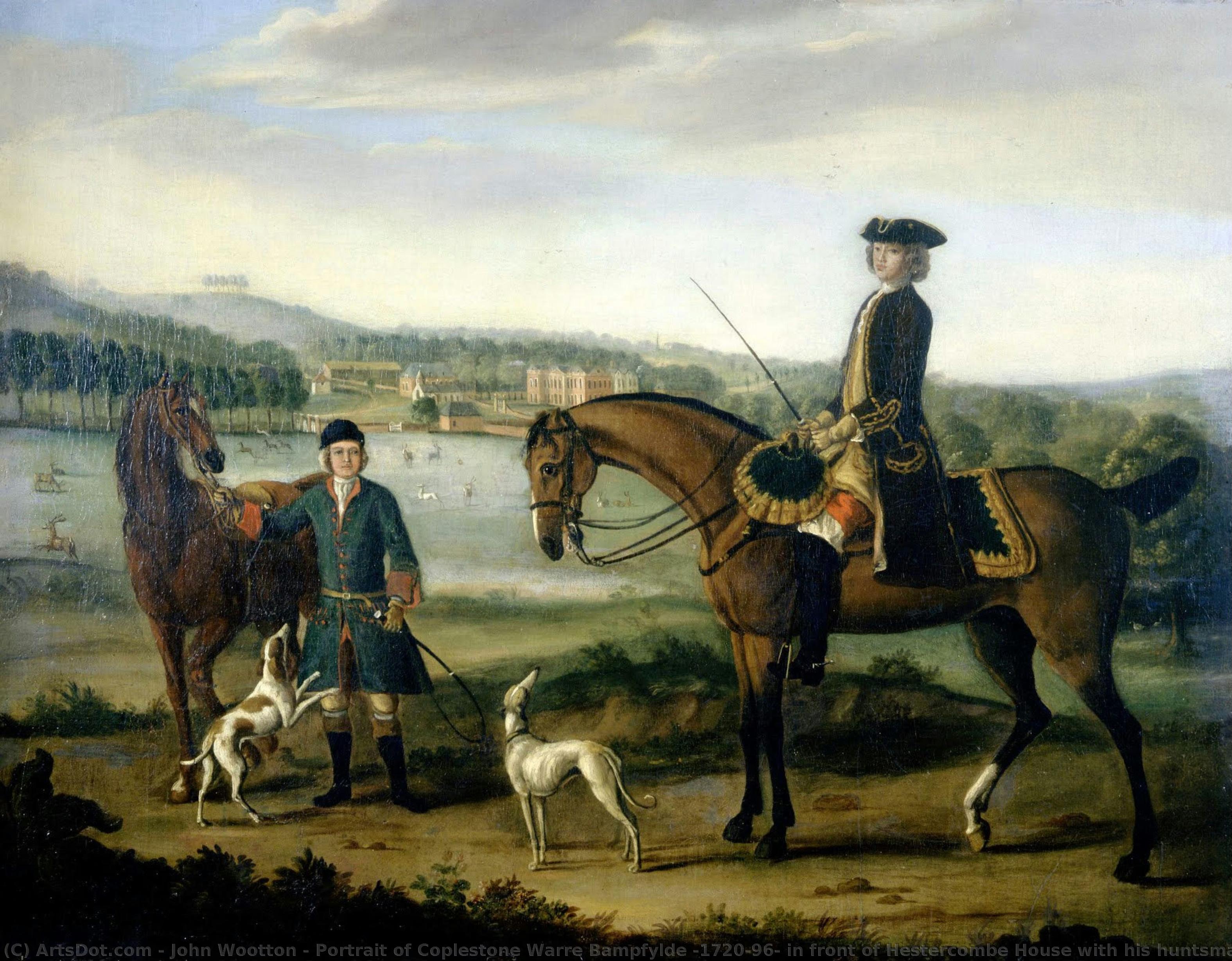
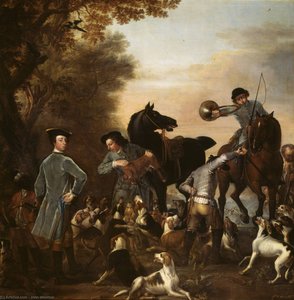
Portrait of Coplestone Warre Bampfylde (1720-96) in front of Hestercombe House with his huntsman c.1740


 Ver más
Reproducción al óleo hecha a mano
Óleo sobre lienzo pintado a mano en el tamaño y marco de su elección, realizado por encargo por nuestros artistas. ( Cambiar a Impresión Cambiar a imagen digital)




P118B $10

P118H $10

P118W $10

P438Z $10

P508JH $12

P508YH $12

P805H $10

P805Z $10

P919BZ $10

P919G $10

P919XJ $10

P959ZH $10

P968JZ $12

W106C $8

W218G $10

W218JH $8

W218Y $10

W307PJ $10

W316G $10

W316PJ $8

W316Y $10

W398PJ $8

W4111J $10

W500HY $15

W500JH $15

W692G $12

W849H $8

W940BG $15

W953PJ $8




Elija entre nuestros tamaños predefinidos que respetan las proporciones originales de la obra.

Puede ingresar sus propias dimensiones para adaptarse a un marco o espacio específico. Si el tamaño seleccionado no coincide con las proporciones de la imagen original, recortaremos la obra o extenderemos la pintura con elementos adicionales pintados a mano. Se le enviará una maqueta digital para su aprobación antes de comenzar la producción.
Tenga en cuenta que la vista previa en pantalla no refleja el recorte o la extensión reales. Solo la maqueta mostrará con precisión la composición final.
Si bien existen tamaños personalizados, recomendamos seleccionar una dimensión de la lista predefinida para preservar las proporciones originales.
Tras realizar el pedido, el equipo de ArtsDot.com enviará un correo electrónico al cliente para solicitar instrucciones y proporcionarle una vista previa del boceto.
Envío a todo el mundo () en 3-4 semanas en lugar de las 5 semanas estándar. (9 septiembre). Sin comprometer la calidad.

Envío exprés gratuito a todo el mundo

Lienzo de lino de alta calidad

Seguro de envío total

Garantía de reembolso de impuestos aduaneros

Garantía de fidelidad cromática exacta

Política de devolución de 100 días (solo por defectos)

Garantía de devolución del 100% del dinero

Descuento por cantidad
 La opción de vidrio solo está disponible en tamaños inferiores a 110 cm.

Portrait of Coplestone Warre Bampfylde (1720-96) in front of Hestercombe House with his huntsman c.1740
Técnica de reproducción
Dimensiones de la reproducción
-


Precio total final
$ 263
Portrait of Coplestone Warre Bampfylde: A Glimpse into Georgian Aristocracy
John Wootton’s “Portrait of Coplestone Warre Bampfylde (1720-96) in front of Hestercombe House with his huntsman c.1740” offers a captivating window into the world of 18th-century English aristocracy and sporting culture. More than just a likeness, this painting is a meticulously crafted tableau vivant—a snapshot of leisure, status, and connection to the land that defined the era. Painted around 1740, it captures Coplestone Warre Bampfylde, a soldier, landscape artist, architect, and landscape designer, in his prime, before the magnificent Hestercombe House estate – now sadly reduced – which served as his backdrop.
The composition immediately draws the eye to Bampfylde himself, presented with an air of confident authority. Dressed in the fashionable attire of the period—a striking blue coat, waistcoat, and a jaunty hat—he embodies the wealth and social standing afforded by his lineage. His posture is upright, suggesting both nobility and military discipline, while his gaze holds a subtle hint of self-assurance. Beside him stand two hunting dogs, their attentive postures mirroring the gentleman’s own demeanor, reinforcing the theme of the hunt – a central pastime for the British upper class.
A Masterpiece of Sporting Art
Wootton was a pivotal figure in the development of British sporting art, and this portrait exemplifies his skill. He wasn't merely a recorder of appearances; he possessed an innate ability to capture movement, texture, and character. The brushwork is remarkably smooth, indicative of an oil painting technique, yet retains a visible quality that speaks to Wootton’s deliberate hand. Note the meticulous detail in the horses’ coats – the subtle variations in color and sheen conveying their musculature and vitality—and the careful rendering of the landscape beyond. The artist skillfully employs perspective to create a sense of depth, drawing the viewer into the scene and suggesting the vastness of the countryside.
The painting's historical context is crucial to its appreciation. The 18th century witnessed a flourishing of aristocratic leisure activities, with hunting becoming increasingly popular as a means of demonstrating wealth, skill, and connection to nature. Hestercombe House itself was a significant estate, renowned for its gardens and landscape design – Bampfylde’s own contributions further cementing his place within this world. The inclusion of the house in the background subtly elevates the portrait's status, associating Bampylde with a prestigious location and highlighting his connection to land ownership.
Symbolism and Emotional Resonance
Beyond its surface details, “Portrait of Coplestone Warre Bampfylde” is rich in symbolism. The hunt itself represents more than just sport; it embodies notions of honor, skill, and control – values highly prized by the aristocracy. The dogs symbolize loyalty and companionship, while the landscape evokes a sense of freedom and escape from urban life. The painting’s overall mood is one of serene elegance—a testament to the refined tastes and social customs of Georgian England.
Looking at this piece today, it's easy to be moved by its ability to transport us back in time. It offers a glimpse into a world of privilege, tradition, and carefully cultivated appearances. The painting’s enduring appeal lies not only in Wootton’s technical skill but also in his capacity to capture the spirit of an era—a time when hunting was both a duty and a delight, and where portraiture served as a powerful tool for asserting social status.
Where to Find Reproductions
Reproductions of this stunning artwork are available through ArtsDot.com and other reputable art reproduction services. Consider the size and framing options carefully to best complement your interior design space. A large-scale reproduction would make a striking statement in a formal living room or study, while a smaller piece could add a touch of elegance to a bedroom or hallway.
Obras relacionadas
Biografía del artista
John Wootton: Pionero del Arte Ecuestre y Paisajístico
- Nacido: c. 1686, Snitterfield, Warwickshire, Reino Unido
- Fallecido: 13 de noviembre de 1764, Londres, Inglaterra
- Conocido Por: Pinturas de caballos, paisajes, escenas deportivas, ilustraciones
Primeros Años y Formación
- John Wootton nació en Snitterfield, cerca de Stratford-upon-Avon, Warwickshire. Se cree que pudo haber servido como paje para la familia Beaufort desde temprana edad.
- Probablemente recibió su formación artística inicial bajo Jan Wyck durante la década de 1690. Esta instrucción fundamental le proporcionó habilidades esenciales en dibujo y técnicas pictóricas.
- Su obra datada más antigua conocida, "Bonny Black" (1711), demuestra una aptitud temprana para el retrato equino, mostrando una habilidad en desarrollo para capturar el parecido y el carácter de los caballos.
Carrera y Desarrollo Artístico
- Wootton se estableció en Londres en 1706, ganando rápidamente reconocimiento por sus representaciones de caballos, particularmente aquellos asociados con la escena de carreras de Newmarket.
- Se convirtió en una figura destacada dentro de los círculos artísticos de su tiempo, suscribiéndose a la primera Academia Inglesa de Pintura y Dibujo en 1711 y sirviendo más tarde como administrador del Virtuosi Club of St Lukes en 1717.
- Su especialización en temas equinos le trajo un considerable éxito y patrocinio de miembros de alto rango de la sociedad británica, incluyendo a Jorge II y Federico, Príncipe de Gales.
- Más allá de los retratos ecuestres, Wootton contribuyó significativamente a la pintura británica a través de su introducción del paisaje ideal. Influenciado por artistas como Gaspard Dughet (también conocido como Gaspar van Wittel), incorporó elementos clásicos en sus paisajes, ofreciendo una alternativa a los estilos predominantes holandeses y flamencos. Esta influencia se extendió a posteriores artistas británicos como Thomas Gainsborough.
Obras Principales y Estilo Artístico
- Retratos Ecuestres: Wootton es recordado principalmente por sus detallados y expresivos retratos de caballos, capturando sus individualidades y características físicas con notable precisión. "Bonny Black" ejemplifica esta habilidad.
- Escenas Deportivas: Sus pinturas a menudo representaban escenas de caza y actividades ecuestres, reflejando la popularidad de estos pasatiempos entre la aristocracia británica. Estas obras frecuentemente incluían piezas de conversación con jinetes y perros en entornos pintorescos.
- Paisajes: Los paisajes de Wootton, aunque a veces eclipsados por sus pinturas de animales, demuestran una comprensión refinada de la perspectiva y la composición, incorporando elementos clásicos y efectos atmosféricos.
- Estilo: Su estilo se caracteriza por el meticuloso detalle, el renderizado realista de los animales y una armoniosa combinación de pintura de paisajes y figuras. Combinó hábilmente la observación con la representación idealizada, creando obras que eran tanto estéticamente agradables como reflejo de la cultura deportiva de su tiempo.
Legado y Significado Histórico
- Aunque posteriormente eclipsado en popularidad por George Stubbs, quien poseía una mayor maestría técnica en la anatomía animal, John Wootton sigue siendo una figura significativa en la historia del arte británico.
- Es reconocido como un pionero del arte deportivo, estableciendo un género que sería desarrollado aún más por artistas posteriores.
- Su introducción del estilo de paisaje ideal tuvo un impacto duradero en la pintura británica, influyendo en generaciones de artistas y contribuyendo al desarrollo de una estética distintivamente británica.
- Las obras de Wootton se conservan en prestigiosas colecciones de todo el mundo, incluyendo la Tate Gallery (Londres), el Virginia Museum of Fine Arts (Richmond) y el Yale Center for British Art, asegurando que su legado continúe siendo apreciado por los entusiastas del arte hoy en día.
John Wootton
1682 - 1764 , Reino Unido
Datos clave
- Artistas Que Influyeron:
- Jan Wyck
- Gaspard Dughet
- Fecha De Fallecimiento: 1764
- Fecha De Nacimiento: c. 1686
- Influenciado A Artistas: ['Thomas Gainsborough']
- Lugar De Nacimiento: Snitterfield, Reino Unido
- Movimiento Artístico: Arte ecuestre, paisaje
- Nacionalidad: Británico
- Nombre Completo: John Wootton
- Obras Notables: ['Bonny Black (1711)']
Artículos relacionados

John Constable: Las 25 Obras Maestras del Paisaje Inglés | ArtsDot
Descubre las 25 obras maestras de John Constable, el pintor romántico inglés que capturó la belleza del paisaje. Explora su técnica, historia y significado en ArtsDot.com. Reproducciones de arte de alta calidad para tu hogar.

John Singer Sargent: Las 25 Obras Maestras del Retrato y la Belle Époque | ArtsDot
Descubre las 25 obras maestras de John Singer Sargent, el maestro del retrato y la Belle Époque. Explora su técnica impresionista, historias fascinantes y encuentra reproducciones de arte exclusivas para decorar tu hogar con elegancia en ArtsDot.com.
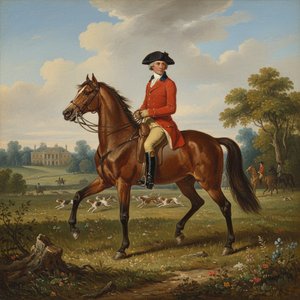
John Nost Sartorius: Equestrian Portraiture & the Shifting Social Landscape of 18th-Century England
Explore the captivating equestrian art of John Nost Sartorius (1759-1828). Discover his detailed paintings of racehorses, hunting scenes & aristocratic life. Learn about collecting Sartorius's work and its lasting value.
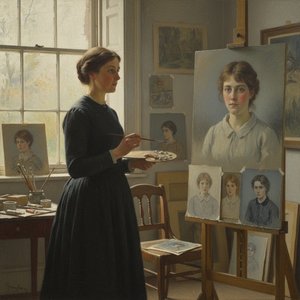
Gwen John: Intimacy, Modernity & the Quiet Power of Welsh Portraiture
Explore the captivating world of Gwen John, a pioneering Welsh artist renowned for her intimate portraits & subtle style. Discover her life, legacy, and how to bring her timeless beauty into your home with ArtsDot.
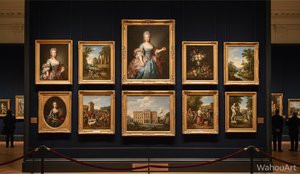
El Siglo XVIII en el Arte: 10 Obras Maestras para Decorar con Historia y Elegancia
Descubre 10 obras maestras del siglo XVIII: Goya, Fragonard y más. Explora la historia, el arte barroco, rococó y neoclasicismo que inspiran decoración elegante. Reproducciones de alta calidad en ArtsDot.com.