 Ver en contexto
 Enviar
 Compartir
 Detalles

 Descargar
 Similares
 Radiografía
 Presentación de diapositivas
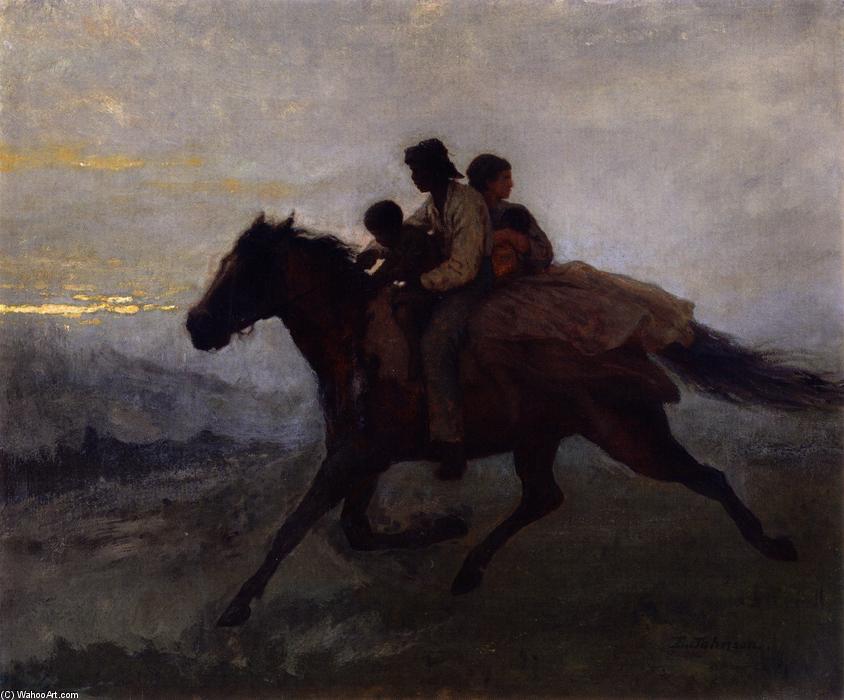
A Ride for Liberty - The Fugitive Slaves


 Ver más
Reproducción al óleo hecha a mano
Óleo sobre lienzo pintado a mano en el tamaño y marco de su elección, realizado por encargo por nuestros artistas. ( Comprar impresión Comprar imagen)




P118B $10

P118H $10

P118W $10

P438Z $10

P508JH $12

P508YH $12

P805H $10

P805Z $10

P919BZ $10

P919G $10

P919XJ $10

P959ZH $10

P968JZ $12

W106C $8

W218G $10

W218JH $8

W218Y $10

W307PJ $10

W316G $10

W316PJ $8

W316Y $10

W398PJ $8

W4111J $10

W500HY $15

W500JH $15

W692G $12

W849H $8

W940BG $15

W953PJ $8




Elija entre nuestros tamaños predefinidos que respetan las proporciones originales de la obra.

Puede ingresar sus propias dimensiones para adaptarse a un marco o espacio específico. Si el tamaño seleccionado no coincide con las proporciones de la imagen original, recortaremos la obra o extenderemos la pintura con elementos adicionales pintados a mano. Se le enviará una maqueta digital para su aprobación antes de comenzar la producción.
Tenga en cuenta que la vista previa en pantalla no refleja el recorte o la extensión reales. Solo la maqueta mostrará con precisión la composición final.
Si bien existen tamaños personalizados, recomendamos seleccionar una dimensión de la lista predefinida para preservar las proporciones originales.
Tras realizar el pedido, el equipo de ArtsDot.com enviará un correo electrónico al cliente para solicitar instrucciones y proporcionarle una vista previa del boceto.
Envío a todo el mundo () en 3-4 semanas en lugar de las 5 semanas estándar. (24 agosto). Sin comprometer la calidad.

Envío exprés gratuito a todo el mundo

Lienzo de lino de alta calidad

Seguro de envío total

Garantía de reembolso de impuestos aduaneros

Garantía de fidelidad cromática exacta

Política de devolución de 60 días (solo por defectos)

Garantía de devolución del 100% del dinero

Descuento por cantidad
 La opción de vidrio solo está disponible en tamaños inferiores a 110 cm.

A Ride for Liberty - The Fugitive Slaves
Técnica de reproducción
Dimensiones de la reproducción
-


Precio total final
$ 263
Descripción de la obra
A Window Into Victorian America: Exploring Jonathan Eastman Johnson’s “A Ride for Liberty”
The painting "A Ride for Liberty – The Fugitive Slaves" by Jonathan Eastman Johnson stands as a poignant emblem of the American Civil War era, capturing not merely a picturesque scene but also the profound anxieties and aspirations simmering beneath the surface of Victorian society. Completed in 1862, this oil on panel masterpiece resides within the Virginia Museum of Fine Arts’ collection, offering viewers an unparalleled glimpse into a moment defined by moral reckoning and the fervent pursuit of freedom. Johnson's artistic vision was firmly rooted in realism—a stylistic choice that prioritized truthful representation over idealized beauty. He eschewed theatrical grandeur, opting instead for a muted palette dominated by earthy tones – browns, greens, and ochres – reflecting the rural landscape through which the family traversed. This deliberate restraint serves to heighten the emotional impact of the composition, forcing the viewer to confront the stark realities of the time without resorting to sentimental embellishment. The brushstrokes themselves are visible, conveying a sense of immediacy and capturing the texture of horsehair and weathered clothing—details that speak volumes about Johnson’s meticulous craftsmanship. The narrative unfolds with quiet dignity as a family – father, mother, and two children – embark on horseback through a sunlit meadow. Their posture exudes confidence and determination, mirroring the spirit of those advocating for emancipation during the Civil War. The man skillfully maneuvers the horse, while his wife watches attentively, her gaze conveying both concern and unwavering support. Two young children cling to their father’s shoulders, embodying innocence amidst turbulent circumstances. This depiction isn't merely a snapshot of daily life; it’s imbued with symbolic significance. The horse itself represents strength and mobility—essential qualities in the struggle for liberation—while the meadow symbolizes hope and renewal. Beyond its stylistic merits, “A Ride for Liberty” resonates deeply with themes prevalent throughout Victorian art and literature. It reflects the burgeoning interest in depicting ordinary individuals confronting moral dilemmas, mirroring the broader societal debates surrounding slavery and abolitionism. The painting’s melancholic undertones subtly convey the pervasive sense of loss associated with the institution of slavery—a loss felt acutely by those who championed its demise. Simultaneously, it celebrates the resilience of the human spirit and the unwavering belief in a brighter future. The Virginia Museum of Fine Arts' acquisition of this artwork underscores its enduring appeal to collectors and interior designers alike. Its understated elegance lends itself beautifully to creating serene spaces infused with historical resonance—a testament to Johnson’s ability to distill complex emotions into a single, unforgettable image. Furthermore, reproductions crafted by skilled artisans like ArtsDot allow enthusiasts worldwide to experience the beauty and depth of “A Ride for Liberty” firsthand, preserving its legacy for generations to come.Technical Considerations: Impressionistic Brushwork & Atmospheric Depth
Johnson’s technique exemplifies the burgeoning influence of Impressionism on American painting during this period. Rather than meticulously blending colors to achieve photographic accuracy—a hallmark of academic art—he employed loose, visible brushstrokes to capture fleeting moments of light and atmosphere. This approach prioritizes capturing the sensory experience of observing a scene rather than presenting an idealized representation. The artist skillfully utilized glazing techniques – applying thin layers of translucent paint over thicker underlayers – to build up tonal depth and create a luminous effect that mimics the dappled sunlight filtering through the meadow foliage. Detailed observation of the painting reveals subtle nuances in color and texture—evidence of Johnson’s painstaking attention to detail. Note particularly how he renders the horsehair, capturing its roughness and sheen with delicate brushstrokes. Similarly, the artist skillfully portrays the folds of clothing, conveying a sense of realism that transcends mere visual representation. The atmospheric perspective – achieved through gradual diminution of color intensity as objects recede into the distance – contributes significantly to the painting’s overall mood, evoking a feeling of tranquility and contemplation.Symbolism Beyond the Surface: Hope Amidst Uncertainty
The seemingly simple composition of “A Ride for Liberty” is laden with symbolic meaning that extends far beyond its literal depiction. As previously mentioned, the horse represents strength and mobility—essential attributes in the fight for emancipation—while the meadow symbolizes hope and renewal. However, deeper analysis reveals connections to broader Victorian philosophical concepts concerning faith and moral responsibility. The family’s unwavering gaze toward the horizon embodies a steadfast belief in divine providence—a conviction that underpinned much of Victorian spiritual life. Furthermore, the painting subtly acknowledges the pervasive anxieties surrounding the Civil War. Despite the idyllic setting, there's an unspoken awareness of the dangers inherent in their journey—a recognition that freedom is rarely achieved without sacrifice and hardship. This duality – juxtaposing beauty with apprehension – reflects the complex moral landscape of the era and underscores Johnson’s artistic sensitivity to the psychological dimensions of human experience.Emotional Resonance: A Portrait of Victorian Values
Ultimately, “A Ride for Liberty” succeeds in conveying a profound emotional resonance that transcends time and cultural boundaries. The painting captures the essence of Victorian values—characterized by compassion, duty, and unwavering faith—while simultaneously acknowledging the pervasive anxieties surrounding social upheaval. Viewing this artwork evokes feelings of serenity, contemplation, and admiration for the resilience of the human spirit. It serves as a powerful reminder of the importance of confronting moral dilemmas with courage and conviction—values that continue to inspire artists and audiences alike.Reproductions & Preservation: Bringing Victorian Beauty Home
High-quality reproductions crafted by artisans like ArtsDot offer art lovers worldwide an opportunity to experience the enduring allure of “A Ride for Liberty.” These meticulously executed prints capture the painting’s luminous palette and textural nuances—preserving its legacy for future generations. When selecting a reproduction, consider factors such as archival quality paper and pigment inks to ensure that the artwork remains vibrant and stable over time—a testament to Johnson's artistic vision and the enduring power of Impressionistic technique.Further Exploration: The Virginia Museum of Fine Arts Collection
For those interested in delving deeper into Victorian art history, a visit to the Virginia Museum of Fine Arts is highly recommended. Alongside “A Ride for Liberty,” the museum houses an impressive collection of artworks spanning diverse styles and periods—including Shipyard Society by George Wesley Bellows—providing invaluable insights into the artistic landscape of the era.Obras relacionadas
![Signboard De Tabaco Indígena [invertido, Indígena Mirando Hacia La Derecha] — Winslow Homer, American Folk Realism](/media/artworks/images-thumb/74/22/7422432cafc295265ef3b7f7fa62d35d.jpg)
Biografía del artista
Jonathan Eastman Johnson: Una Vida en el Arte Americano
- Nacido: 29 de julio de 1824, Lovell, Maine
- Fallecido: 5 de abril de 1906, Nueva York City
- Nacionalidad: Estadounidense
Primeros Años y Comienzos Artísticos
- Johnson nació en una familia con fuertes vínculos con los negocios y las organizaciones fraternales. Su padre, Philip Carrigan Johnson, desempeñó un papel activo en ambos.
- Creció en Fryeburg y Augusta, Maine, adquiriendo una temprana exposición a la vida comunitaria que más tarde informaría sus temas artísticos.
- Su formación artística formal comenzó en 1840 cuando fue aprendiz de un litógrafo de Boston, marcando el comienzo de su carrera como artista.
- Se mudó a Washington D.C. a fines de la década de 1840 con su familia debido al cargo de su padre en el Departamento de Marina. Este período lo expuso a diversos temas y experiencias que influirían en su obra posterior.
Estilo Artístico, Influencias y Desarrollo
- Pintura de Género: Johnson es mejor conocido por sus pinturas de género – escenas que representan la vida cotidiana. Estas obras ofrecieron una perspectiva única sobre la sociedad estadounidense, capturando las historias de personas comunes.
- Retratismo: Junto con la pintura de género, también fue un retratista habilidoso, creando semblanzas tanto de individuos comunes como de figuras prominentes como Abraham Lincoln, Nathaniel Hawthorne, Ralph Waldo Emerson y Henry Wadsworth Longfellow.
- Influencia de los Maestros Holandeses: Un punto de inflexión significativo en su desarrollo artístico llegó durante la década de 1850 cuando estudió las obras de los maestros holandeses del siglo XVII en La Haya. Esta influencia es evidente en la composición, la iluminación y el realismo de sus pinturas posteriores, lo que le valió el apodo de "El Rembrandt Americano".
- Realismo: El trabajo de Johnson se alinea con el movimiento realista más amplio, enfatizando las representaciones precisas de la vida cotidiana en lugar de representaciones idealizadas o romantizadas.
Obras Principales y Logros
- Vida Negra en el Sur (1859): Considerada una de las pinturas más importantes del arte estadounidense del siglo XIX, esta obra representa a los afroamericanos disfrutando del tiempo libre. Desató un considerable debate sobre las relaciones raciales y las condiciones sociales en el sur antebellum.
- Serie de la Guerra Civil: Johnson documentó el impacto de la Guerra Civil en la vida civil mediante una serie de conmovedoras pinturas que representan a familias ansiosas y escenas lejos del campo de batalla. Ride For Liberty (1862) es un ejemplo notable, representando a una familia esclavizada escapando hacia la libertad.
- Escenas de Nueva Inglaterra: Sus representaciones de la vida rural de Nueva Inglaterra, incluido el corte de azúcar de arce y la recolección de arándanos, celebraron los valores tradicionales estadounidenses y la artesanía.
- Comisiones de Retratos: Johnson obtuvo reconocimiento por sus retratos de figuras prominentes, incluidos los presidentes de EE. UU. Chester Arthur, Grover Cleveland y Benjamin Harrison, así como empresarios influyentes como Jay Gould y John D. Rockefeller.
- Co-fundador del Museo Metropolitano de Arte: El compromiso de Johnson con el arte se extendió más allá de su propia práctica; fue cofundador del Museo Metropolitano de Arte en Nueva York City, con su nombre inscrito en su entrada, lo que significa su importante contribución al mundo del arte estadounidense.
Significado Histórico y Legado
- Pionero de la Pintura de Género: Johnson jugó un papel crucial en el establecimiento de la pintura de género como una forma de expresión artística respetada en Estados Unidos.
- Comentario Social: Sus obras a menudo ofrecían sutiles comentarios sociales, invitando a la reflexión sobre temas como las relaciones raciales, las distinciones de clase y el impacto de la guerra.
- Influencia en el Realismo Americano: La dedicación de Johnson a representar la vida cotidiana con honestidad y detalle ayudó a dar forma al desarrollo de la pintura realista estadounidense.
- Reconocimiento Duradero: Hoy, Jonathan Eastman Johnson es recordado como una figura significativa en la historia del arte estadounidense, celebrado por su habilidad técnica, sus observaciones perspicaces y sus contribuciones perdurables al patrimonio artístico de la nación.
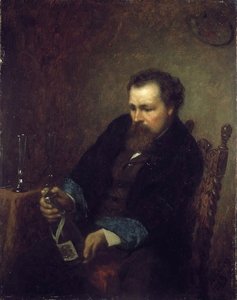
Jonathan Eastman Johnson
1824 - 1906 , Reino Unido
Datos clave
- Artistas Que Influyeron: ['Maestros holandeses (siglo XVII)']
- Fecha De Fallecimiento: 5 de abril de 1906
- Fecha De Nacimiento: 29 de julio de 1824
- Lugar De Nacimiento: Lovell, Reino Unido
- Movimiento Artístico: Pintura de género, Realismo
- Nacionalidad: Estadounidense
- Nombre Completo: Jonathan Eastman Johnson
- Obras Notables:
- Negro Life at the South
- Ride For Liberty
- New England Scenes
Artículos relacionados
Realismo Estadounidense: 10 Obras Maestras que Cambiaron el Arte y la Decoración
Descubre 10 obras maestras del Realismo Estadounidense: Winslow Homer, Edward Hopper y más. Explora la historia, técnica y emoción de estos icónicos cuadros. Encuentra reproducciones de arte de museo en ArtsDot.com.
Realismo Americano: Comentario Social y Representación Artística en la Pintura del Siglo XX
Explora el Realismo Americano del siglo XX: un análisis profundo de sus artistas clave (Vertis Hayes, William Aiken Walker), técnicas y su poderoso comentario social. Descubre cómo este movimiento plasmó la identidad estadounidense.
Grant Wood & American Regionalism: Identity, Myth & the Rural Landscape
Explore the world of Grant Wood & American Regionalism with ArtsDot. Discover the symbolism behind 'American Gothic', recurring themes, and the movement's lasting impact on art history. High-quality reproductions available.
Ecos del Lugar: Regionalismo e Identidad Americana en el Arte Entre Guerras
Descubra el Regionalismo americano: un movimiento artístico que capturó la esencia de la identidad rural y la vida en Estados Unidos entre guerras. Análisis experto, obras clave y legado cultural.
Regionalismo Americano: Un Crisol de Identidad en el Arte y la Sociedad
Explora el Regionalismo Americano: su historia, artistas clave como Benton y Wood, y su profundo compromiso con la sociedad de la Gran Depresión. Un análisis exhaustivo para amantes del arte.