 Ver en contexto
 Enviar
 Compartir
 Detalles

 Descargar
 Similares
 Radiografía
 Presentación de diapositivas
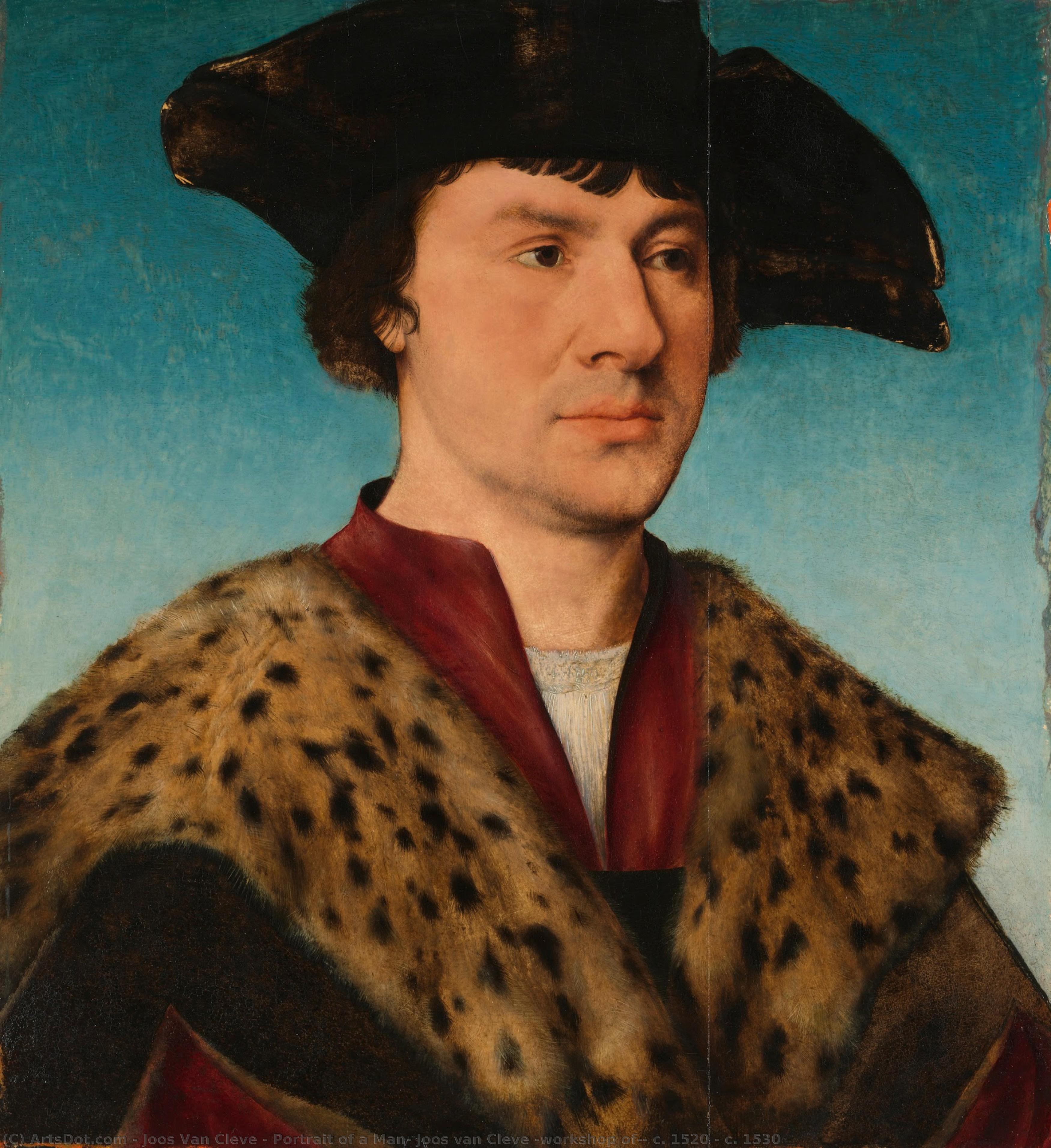
Portrait of a Man, Joos van Cleve (workshop of), c. 1520 - c. 1530
 Oil
Oil- WallArt
- Northern Renaissance
 1530
1530- Renaissance
 46.0 x 43.0 cm
 Ver más
Giclée / Impresión de arte
Impresiones giclée o en lienzo de calidad de museo con producción rápida y opciones de acabado flexibles. ( Comprar pintura hecha a mano Comprar imagen)




P118B $10

P118H $10

P118W $10

P438Z $10

P508JH $12

P508YH $12

P805H $10

P805Z $10

P919BZ $10

P919G $10

P919XJ $10

P959ZH $10

P968JZ $12

W106C $8

W218G $10

W218JH $8

W218Y $10

W307PJ $10

W316G $10

W316PJ $8

W316Y $10

W398PJ $8

W4111J $10

W500HY $15

W500JH $15

W692G $12

W849H $8

W940BG $15

W953PJ $8




Elija entre nuestros tamaños predefinidos que respetan las proporciones originales de la obra.

Puede introducir sus propias dimensiones para adaptarse a un marco o espacio específico. Si el tamaño seleccionado no coincide con las proporciones de la imagen original, recortaremos la obra de arte o extenderemos la imagen con un borde con efecto espejo o de color sólido. Se enviará una maqueta digital para su aprobación antes de que comience la producción.
Tenga en cuenta que la vista previa en pantalla no refleja el recorte o la extensión real. Solo la maqueta mostrará con precisión la composición final.
Aunque existen tamaños personalizados, recomendamos seleccionar una dimensión de la lista predefinida para preservar las proporciones originales.
Envío a todo el mundo () en 2 semanas en lugar de las 4/5 semanas estándar. (1 septiembre)

Envío exprés gratuito a todo el mundo

Lienzo de lino de alta calidad

Seguro de envío total

Garantía de reembolso de impuestos aduaneros

Garantía de fidelidad cromática exacta

Política de devolución de 60 días (solo por defectos)

Garantía de devolución del 100% del dinero

Descuento por cantidad
 La opción de vidrio solo está disponible en tamaños inferiores a 110 cm.

Portrait of a Man, Joos van Cleve (workshop of), c. 1520 - c. 1530
Giclée / Impresión de arte
Dimensiones de la reproducción
-


Precio total final
$ 62
Obras relacionadas

Biografía del artista
El Maestro de Amberes: La Vida y el Legado de Joos van Cleve
En el bullicioso y mercantil corazón de la Amberes del siglo XVI, se estaba gestando una nueva era de narrativa visual, impulsada por el pincel de Joos van Cleve. Nacido alrededor de 1485 en Krefeld, Alemania, este maestro del Renacimiento flamenco surgió no solo como un pintor de gran destreza, sino como un puente visionario entre dos mundos. Su carrera, que floreció desde aproximadamente 1511 hasta su muerte en 1540, representa un momento profundo en la historia del arte, donde las tradiciones meticulosas y detalladas de los maestros neerlandeses se encontraron con las innovaciones atmosféricas y expansivas que fluían desde el Renacimiento italiano. Contemplar una obra de van Cleve es presenciar una danza delicada entre la realidad táctil del norte de Europa y la gracia idealizada del sur.
Los cimientos de su genio se establecieron durante sus años formativos bajo la tutela de Jan Joest. Este riguroso aprendizaje le proporcionó algo más que mera competencia técnica; lo sumergió en las tradiciones monumentales del arte gótico tardío. Una de sus experiencias iniciales más significativas consistió en asistir a Joest en el altar mayor de la Kalkar Nikolaikirche, un proyecto que exigía una comprensión de la gran escala y la gravedad espiritual. A través de este trabajo, van Cleve dominó la compleja alquimia de la preparación de pigmentos y la minuciosa superposición de veladuras, técnicas que más tarde le permitirían dotar a sus retratos de una luminosidad realista y a sus escenas religiosas de un sentido palpable de divinidad.
Una Síntesis del Detalle Nórdico y la Gracia Italiana
Lo que verdaderamente distingue a Joos van Cleve de sus contemporáneos era su espíritu inquieto y experimental. Mientras muchos artistas de la época permanecían atados a los rígidos dogmas estilísticos de sus gremios locales, van Cleve miraba hacia el horizonte. Se convirtió en un pionero del manierismo flamenco, un estilo caracterizado por una sensibilidad excepcional al color y una notable unidad de las figuras dentro de una composición. Quizás su contribución más perdurable al Renaciente del Norte fue su uso revolucionario del paisaje. En lugar de utilizar fondos estáticos o simbólicos, introdujo vistas expansivas y atmosféricas que infundían vida a sus sujetos, creando una sensación de profundidad y continuidad entre la figura humana y el mundo natural.
Esta evolución estilística estuvo profundamente influenciada por las crecientes tendencias en Italia. Al integrar elementos de la perspectiva italianizante y un enfoque más fluido y rítmico de la anatomía, transformó el retrato flamenco tradicional en algo psicológicamente mucho más complejo. Sus sujetos ya no eran meros iconos de estatus; poseían una vida interior, una resonancia emocional que invitaba al espectador a un diálogo silencioso. Esta capacidad para transmitir una profunda emoción humana a través de sutiles expresiones faciales y delicados gestos manuales sigue siendo uno de sus logros más celebrados.
Significancia Histórica y Triunfo Artístico
El legado de Joos van Cleve está grabado en el tejido mismo de la edad de oro de Amberes. Como figura central de la comunidad artística de la ciudad, su taller se convirtió en un faro de innovación, influyendo en generaciones de pintores que le sucedieron. Su capacidad para fusionar los siguientes elementos aseguró su impacto duradero en la historia del arte europeo:
- Maestría Técnica: La aplicación impecable de las técnicas de veladura neerlandesas para lograr una textura y luz sin precedentes.
- Innovación Compositiva: La integración de vastos paisajes panorámicos que expandieron el alcance narrativo de la pintura religiosa y secular.
- Profundidad Psicológica: Un cambio desde la representación puramente simbólica hacia un retrato más humanista y emotivo de sus sujetos.
- Síntesis Cultural: El matrimonio exitoso de la precisión del norte de Europa con la gracia y el movimiento del Renacimiento italiano.
Aunque su vida terminó en 1540, los ecos de su arte continúan resonando. Joos van Cleve no se limitó a seguir las tendencias de su tiempo; ayudó a definirlas, dejando tras de sí una obra que sirve como testimonio del poder transformador de la síntesis artística. Sus pinturas permanecen como ventanas perdurables a un período de inmensa transición cultural, capturando el momento en que el mundo medieval comenzó a disolverse bajo la luz de la era moderna.
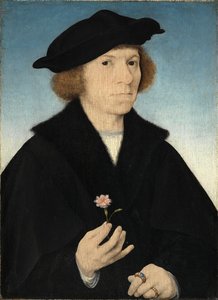
Joos Van Cleve
1485 - 1540 , Alemania
Datos clave
- Artistic Movement Or Style: Renacimiento Mannerismo
- Artists Who Influenced This Artist: ['Jan Joest']
- Date Of Birth: c. 1485
- Date Of Death: 1540
- Full Name: Joos van Cleve
- Nationality: Flamenco
- Notable Artworks:
- La Adoración del Magi - Ala Izquierda
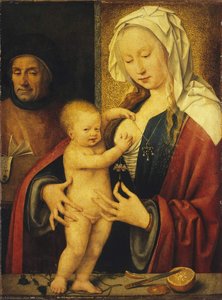
- La Sagrada Familia
- Place Of Birth: Krefeld, Alemania
Artículos relacionados

Crimson Threads of Narrative: Exploring Symbolism & Representation in Artworks Featuring the Red Dress
Explore the rich symbolism of the red dress in art history! From ancient power displays to iconic portraits like Cézanne’s 'Madame Cezanne', discover the cultural and artistic significance behind this captivating color. Expert analysis & insights.
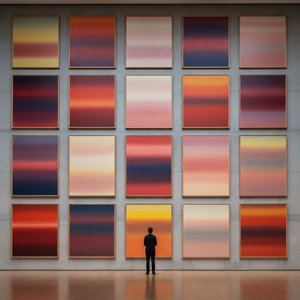
Mark Rothko: Las 25 Obras Maestras que Definen la Expresión Abstracta | ArtsDot
Descubre las 25 obras maestras de Mark Rothko, pionero del expresionismo abstracto. Explora la historia, el significado y los colores vibrantes que definen su arte emocional. Reproducciones de alta calidad en ArtsDot.com.
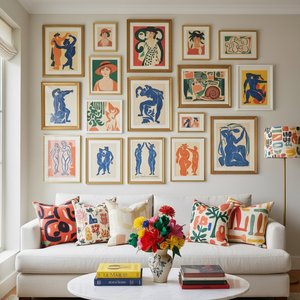
Henri Matisse: Las 25 Obras Maestras que Definieron un Genio del Color | ArtsDot
Descubre las 25 obras maestras de Henri Matisse, el rey del color y padre del fauvismo. Explora su arte moderno, lienzos vibrantes y la historia detrás de cada pintura icónica. Encuentra reproducciones de alta calidad en ArtsDot.com.
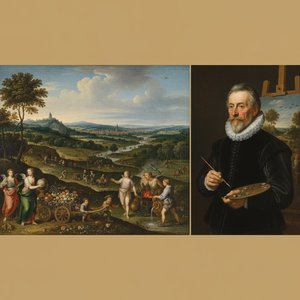
Jan Brueghel the Elder: A Master of Flemish Landscape & Allegory – Exploring Innovation & Influence
Explore the captivating world of Jan Brueghel the Elder, a Flemish Baroque master renowned for his stunning landscapes & allegorical paintings. Discover his collaborations with Rubens and lasting artistic legacy.
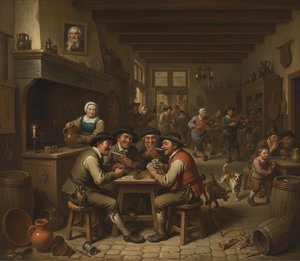
David Teniers II: Master of Flemish Genre & Social Commentary
Explore the captivating world of David Teniers II, a leading Flemish Baroque painter renowned for his lively genre scenes & insightful social commentary. Discover his masterpieces and legacy with ArtsDot.