

 Ver en contexto
 Enviar
 Compartir
 Detalles

 Descargar
 Similares
 Radiografía
 Presentación de diapositivas
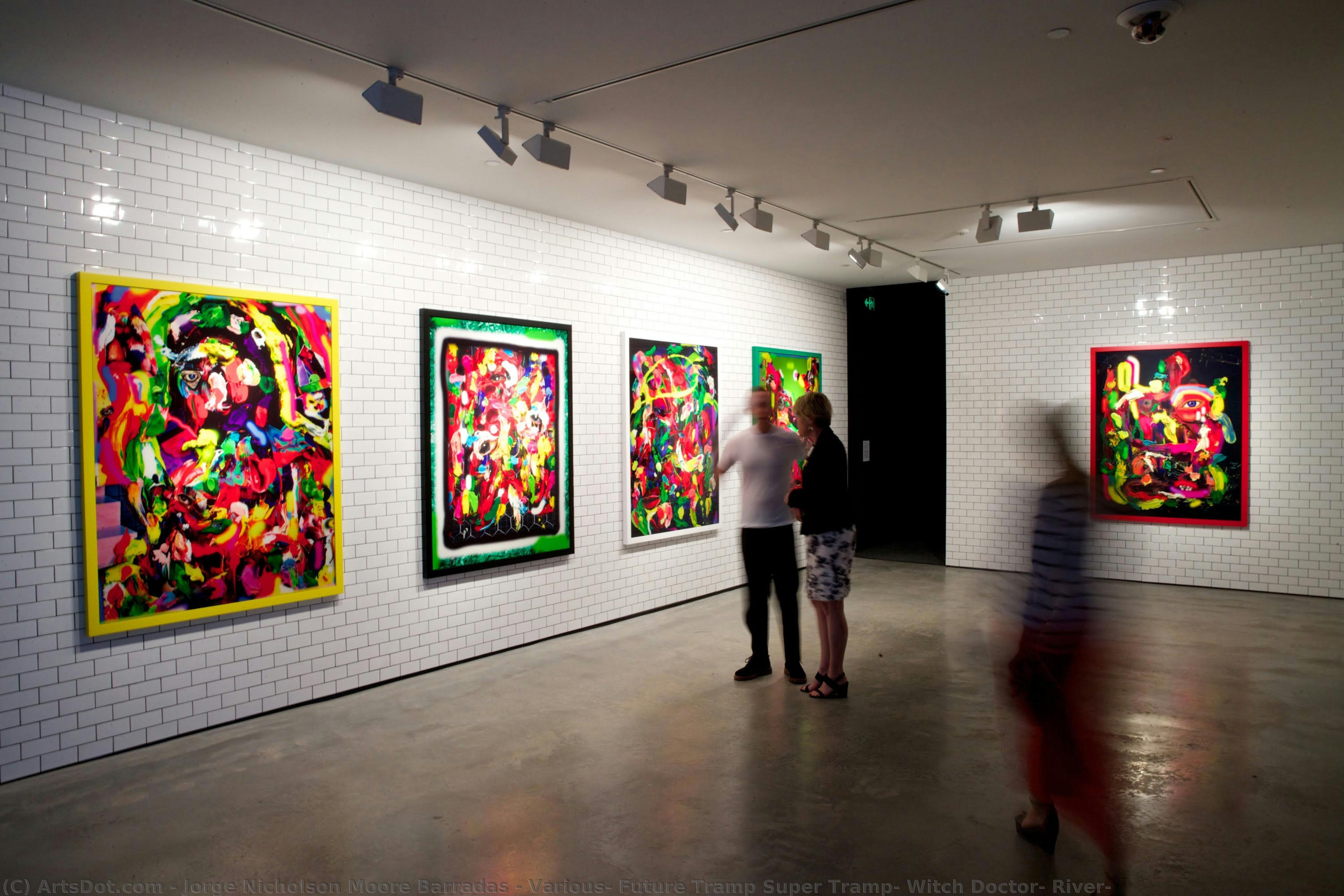
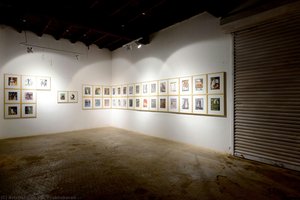
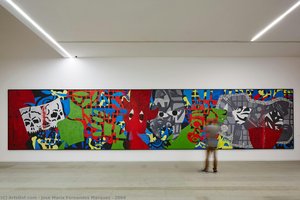
Various: Future Tramp Super Tramp, Witch Doctor, River
 135.0 x 168.0 cm
 Biennale of Sydney
 Ver más
Reproducción al óleo hecha a mano
Óleo sobre lienzo pintado a mano en el tamaño y marco de su elección, realizado por encargo por nuestros artistas. ( Comprar impresión Comprar imagen)




































Elija entre nuestros tamaños predefinidos que respetan las proporciones originales de la obra.

Puede ingresar sus propias dimensiones para adaptarse a un marco o espacio específico. Si el tamaño seleccionado no coincide con las proporciones de la imagen original, recortaremos la obra o extenderemos la pintura con elementos adicionales pintados a mano. Se le enviará una maqueta digital para su aprobación antes de comenzar la producción.
Tenga en cuenta que la vista previa en pantalla no refleja el recorte o la extensión reales. Solo la maqueta mostrará con precisión la composición final.
Si bien existen tamaños personalizados, recomendamos seleccionar una dimensión de la lista predefinida para preservar las proporciones originales.
Tras realizar el pedido, el equipo de ArtsDot.com enviará un correo electrónico al cliente para solicitar instrucciones y proporcionarle una vista previa del boceto.
Envío a todo el mundo () en 3-4 semanas en lugar de las 5 semanas estándar. (23 agosto). Sin comprometer la calidad.

Envío exprés gratuito a todo el mundo

Lienzo de lino de alta calidad

Seguro de envío total

Garantía de reembolso de impuestos aduaneros

Garantía de fidelidad cromática exacta

Política de devolución de 60 días (solo por defectos)

Garantía de devolución del 100% del dinero

Descuento por cantidad
 La opción de vidrio solo está disponible en tamaños inferiores a 110 cm.

Various: Future Tramp Super Tramp, Witch Doctor, River
Técnica de reproducción
Dimensiones de la reproducción
-


Precio total final
$ 288
Descripción de la obra
Obras relacionadas
![Abstract Composition [triptych] — Vaclav Vytlacil, Abstract Expressionism](/media/artworks/images-thumb/08/3c/083c0675045645fd42d4e6c6d63f1ced.jpg)
Biografía del artista
Early Life and Artistic Beginnings
Jorge Nicholson Moore Barradas, a name synonymous with the vibrant spirit of Portuguese Modernism, was born in Lisbon in 1894. His early life unfolded amidst the burgeoning artistic scene of early 20th-century Portugal, a period marked by a desire to break free from traditional styles and embrace innovation. From his youth, Barradas demonstrated a keen eye for detail and a natural inclination towards visual expression, initially focusing on drawing humor and creating captivating publicity illustrations – skills that would prove foundational to his diverse artistic career. These early endeavors weren’t merely exercises in technique; they were explorations of capturing the essence of everyday life and communicating with audiences through engaging imagery. This initial focus honed his observational abilities and established a foundation for his later work as a painter, ceramicist, illustrator, and caricaturist – a testament to his versatility and adaptability within the evolving artistic landscape.Artistic Contributions and Development
Barradas’ artistic journey truly took shape in the 1910s, when he began to establish himself as a significant figure within Portugal's modernist movement. He wasn’t simply adopting existing trends; rather, he was actively participating in the country’s first attempts to revitalize its art scene, pushing boundaries and experimenting with new approaches. His work reflected the spirit of this era – a desire for freshness, experimentation, and a rejection of established norms. Crucially, Barradas' career wasn't confined to a single medium; he seamlessly transitioned between painting, ceramics, and illustration, each discipline informing and enriching his others. This cross-disciplinary approach is evident in his ability to capture the essence of a landscape in a vibrant oil painting, then translate that same visual language into the intricate designs of azulejos (Portuguese ceramic tiles) or the witty commentary of a caricature. The 1940s marked a particularly significant period for Barradas, as he dedicated himself wholeheartedly to ceramics and azulejos, becoming a leading voice in their revival – a crucial contribution to Portuguese cultural heritage.Notable Works and Recognition
Among Barradas’ extensive body of work, “Tropical Landscape - São Tomé” stands out as a particularly compelling example of his artistic vision. This painting, currently housed at the Museu do Chiado in Lisbon, exemplifies his ability to capture both the beauty and the drama of the natural world. It's a testament to his skill in color, composition, and capturing the atmosphere of a specific location. Beyond this single masterpiece, Barradas received numerous accolades throughout his career, including the prestigious Columbano Award in 1939 and the Sebastião de Almeida Prize in 1944 – recognition that underscored his impact on Portuguese art. These awards weren’t merely symbolic gestures; they represented a validation of his artistic merit and a testament to his dedication to pushing the boundaries of creative expression.Legacy and Historical Significance
Jorge Nicholson Moore Barradas' legacy extends far beyond his individual creations. He was, fundamentally, part of the second generation of modernist artists in Portugal, playing a vital role in shaping the country’s cultural identity during a period of profound social and political change. His influence can be seen not only in his own work but also in the subsequent generations of Portuguese artists who followed. Barradas' commitment to innovation and experimentation helped pave the way for new artistic directions and inspired countless individuals to embrace creativity and challenge conventional thinking. His contributions to ceramics and azulejos, in particular, have had a lasting impact on Portuguese design and culture, ensuring that his artistic vision continues to resonate today. He remains an important figure in understanding the evolution of Portuguese art and its place within the broader context of 20th-century European modernism.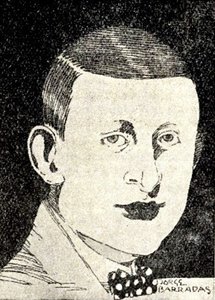
Jorge Barradas
1894 - 1971 , Portugal
Datos clave
- Artistic Movement Or Style: Modernismo
- Artists Or Movements Influenced By This Artist: ['Modernismo Portugués']
- Artists Who Influenced This Artist: ['Stuart Carvalhais']
- Date Of Birth: 1894, Lisboa, Portugal
- Full Name: Jorge Nicholson Moore Barradas
- Nationality: Portugues
- Notable Artworks: ['Paisaje Tropical - São Tomé']
- Place Of Birth: Lisboa, Portugal
Artículos relacionados
Expresionismo Abstracto: 10 Obras Maestras que Transformaron el Arte |
Descubre las 10 obras maestras del Expresionismo Abstracto: Pollock, Rothko y más. Explora la historia, técnica y significado de estos lienzos icónicos. Reproducciones de arte exclusivas en .

Kandinsky: Las 25 Obras Maestras del Pionero de la Abstracción | ArtsDot
Descubre las 25 obras maestras de Wassily Kandinsky, pionero del arte abstracto. Explora su expresionismo, composiciones únicas y la historia detrás de cada cuadro. Reproducciones de alta calidad para decorar tu hogar con arte moderno en ArtsDot.com.

Abstracción Geométrica: 10 Obras Maestras que Transformaron el Arte Moderno | ArtsDot
Descubre las 10 obras maestras de la abstracción geométrica que revolucionaron el arte moderno. Explora a Mondrian, Malevich y Kandinsky en ArtsDot.com. Reproducciones de alta calidad para tu hogar.
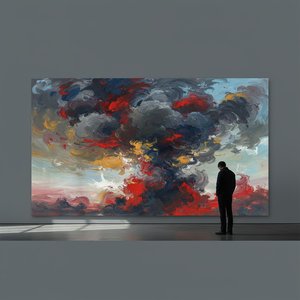
Más Allá de la Representación: Explorando el Paisaje Emocional del Expresionismo Abstracto
Descubra el Expresionismo Abstracto en profundidad. Análisis de artistas clave como Rothko y Richter, su contexto histórico e inversión en arte. Guía experta para coleccionistas.
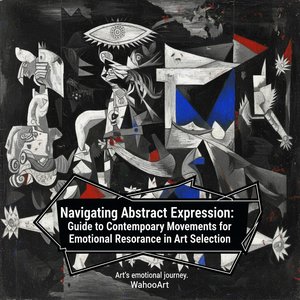
Navegando la Expresión Abstracta: Una Guía a los Movimientos Contemporáneos para la Resonancia Emocional en la Selección de Arte
Descubre el expresionismo abstracto con nuestra guía experta. Analizamos a Rothko, Newman y otros maestros para ayudarte a seleccionar arte que resuene contigo. ¡Encuentra la obra perfecta!

